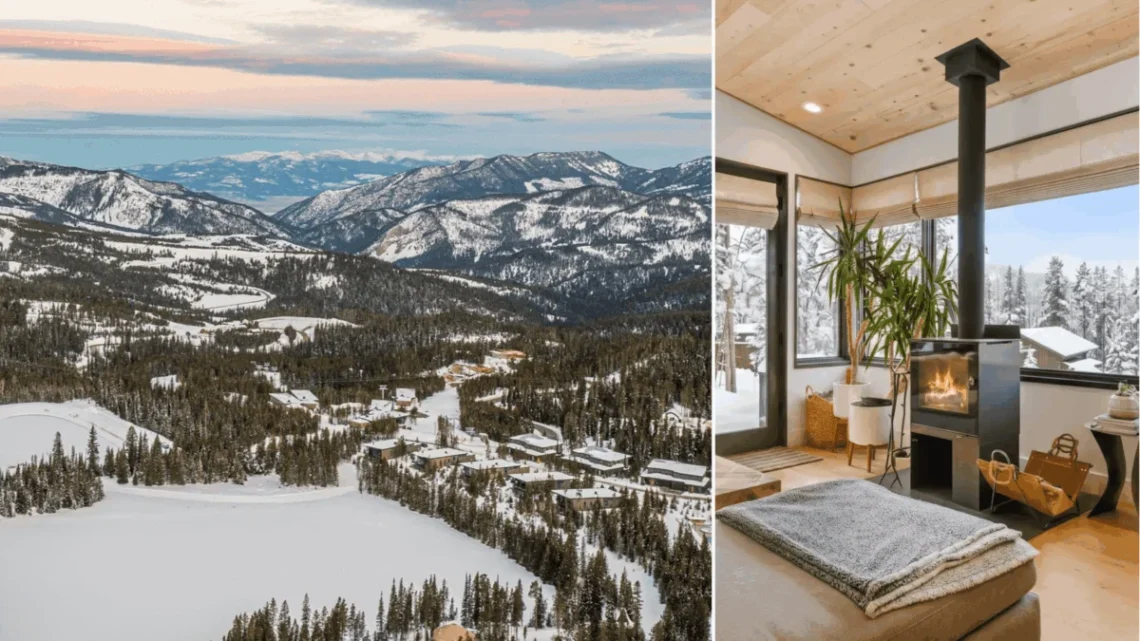
For over half a decade, Big Sky, Montana, has held a magnetic pull on travelers seeking the intersection of raw, untamed wilderness and refined mountain living. Located just 45 miles south of Bozeman, this corner of the Rocky Mountains has long been defined by its dramatic topography—specifically the hulking, limestone-crusted silhouette of Lone Peak. Yet, as the destination continues to evolve, it has shed its reputation as a mere "ski town" to become a year-round, multifaceted escape that balances rugged Western tradition with a sophisticated, modern hospitality boom.
The Geography of Adventure: A Seasonal Tapestry
Big Sky’s primary draw remains its status as a "choose-your-own-adventure" destination. The seasonal cycle in this region is not merely a change in weather; it is a total transformation of the landscape and the lifestyle.
During the winter months, Big Sky Resort serves as the gravitational center, drawing skiers and snowboarders to its 5,850 acres of skiable terrain. The resort, famous for its aggressive, high-alpine chutes and expansive groomers, offers a world-class experience that rivals the heavy hitters of Colorado and Utah. However, as the snowpack recedes, the terrain undergoes a dramatic metamorphosis.
Spring in Big Sky brings a vibrant display of wildflower-strewn meadows, turning the base of the mountains into a hiker’s paradise. As summer arrives, the focus shifts to the water. The Gallatin River, a world-renowned waterway, becomes the epicenter for fly-fishing enthusiasts and whitewater rafters. By autumn, the landscape turns to gold, providing a breathtaking backdrop for horseback riding across expansive, historic ranchlands.
Perhaps the most significant geographical advantage is the proximity to Yellowstone National Park. Sitting just an hour’s drive to the south, Big Sky acts as an ideal base camp for those wishing to explore the park’s geothermal wonders—steaming geysers, bubbling mud pots, and the iconic roaming bison herds—before returning to the relative tranquility of the mountain hub.
A Chronology of Growth: From Remote Outpost to Luxury Hub
The trajectory of Big Sky is a case study in modern mountain development. The area’s growth can be segmented into three distinct eras:
- The Foundational Years (1970s–1990s): Following the visionary development of the resort by NBC news anchor Chet Huntley, Big Sky began as a destination for the dedicated skier. Infrastructure was limited, and the town’s identity was tied strictly to the slopes.
- The Transitional Decade (2000s–2010s): During this period, the destination began to gain broader appeal. The expansion of Bozeman Yellowstone International Airport allowed for increased accessibility, and the "Bozeman spillover" began to introduce a more permanent, affluent population to the area.
- The Modern Hospitality Renaissance (2018–Present): We are currently in the midst of a "boom" phase. This era is defined by the infusion of capital into high-end lodging, sophisticated dining, and design-forward real estate. The shift is not just in the number of rooms, but in the type of experience offered.
Supporting Data: The Economic and Demographic Shift
The evolution of Big Sky is supported by shifting trends in domestic tourism and remote work capabilities. According to recent regional economic reports, the "Aspenification" of Montana—a term often used to describe the transition of rugged towns into luxury destinations—is in full swing.
- Hospitality Investment: Over the past five years, hotel occupancy rates in the Big Sky area have seen a steady upward trajectory, particularly during shoulder seasons (spring and fall). This suggests that the destination is successfully shedding its seasonal dependence.
- The "Work-From-Anywhere" Effect: Since 2020, the influx of full-time residents and long-term renters has transformed the town’s core. Restaurants, shops, and watering holes that once operated on limited, peak-season hours have shifted to year-round operations, creating a "buzzy" atmosphere that supports a permanent community.
- Visitor Demographics: Data indicates a shift toward a younger, affluent demographic that values "experiential luxury." This group is less interested in traditional resort tropes and more focused on authentic, high-design, and activity-led vacations.
Official Perspectives: Balancing Preservation and Progress
Local leaders and hospitality stakeholders have been vocal about the challenge of balancing this growth with the preservation of Big Sky’s "wild heart."
"The goal," says one local developer involved in the latest wave of hotel projects, "is to provide world-class amenities while respecting the land. You can’t have a luxury resort here if you ignore the fact that you’re living at 7,000 feet in bear country. The architecture has to reflect the landscape."
However, not all feedback is positive. Critics argue that the rapid development threatens to price out the service-industry workforce that is essential to the town’s function. There is an ongoing, vigorous debate within the Big Sky Community Council regarding affordable housing mandates and the preservation of open space. The consensus, however, remains that growth is inevitable, and the focus must now shift to "managed, sustainable development."
Implications for the Future: What Kind of Destination is Big Sky?
The implications of this boom are profound. Big Sky is currently navigating the "tipping point" that many mountain towns face: the transition from a hidden gem to a global destination.
Implications for Travelers
For the visitor, this evolution is largely a positive development. The current hospitality landscape offers a diverse range of choices that were previously unavailable.
- Luxe Resorts: For those seeking concierge-level service and front-row views of Lone Peak, the high-end resorts offer an immersive, pampered experience.
- Authentic Ranches: The "dude ranch" sector has modernized, offering guests the ability to participate in traditional ranch life while enjoying gourmet farm-to-table dining and high-thread-count linens.
- Design-Forward Rentals: A new wave of independent, architecture-focused rentals—often featuring floor-to-ceiling windows and minimalist fireplaces—has created an alternative to the hotel experience, appealing to families and groups who want to feel "at home" in the mountains.
Implications for the Environment
The most pressing implication involves the strain on natural resources. As the population density increases, so does the pressure on the Gallatin River watershed and the surrounding wildlife corridors. Conservation efforts are becoming a central part of the Big Sky narrative, with many new developments incorporating "green" building standards and voluntary contributions to local conservation groups.
Conclusion: The Enduring Appeal of the High Peaks
Despite the changes, the essence of Big Sky remains intact. Whether it is the quiet, crisp air of a winter morning or the golden, sprawling beauty of a Montana autumn, the landscape itself is the ultimate arbiter of the experience. The town’s current "boom" is a testament to the fact that while the amenities have become more sophisticated, the draw is, and always will be, the mountains.
As the destination continues to mature, it faces the challenge of staying true to its rugged roots while catering to a new, modern audience. If the recent past is any indication, Big Sky is more than capable of handling this transition, maintaining its position as one of the most spectacular, multifaceted, and deeply beloved destinations in the American West. For the traveler, it offers a rare combination: the ability to engage in high-octane adventure by day and retreat into world-class comfort by night. Big Sky is no longer just a place to visit; it is a place to be inspired.