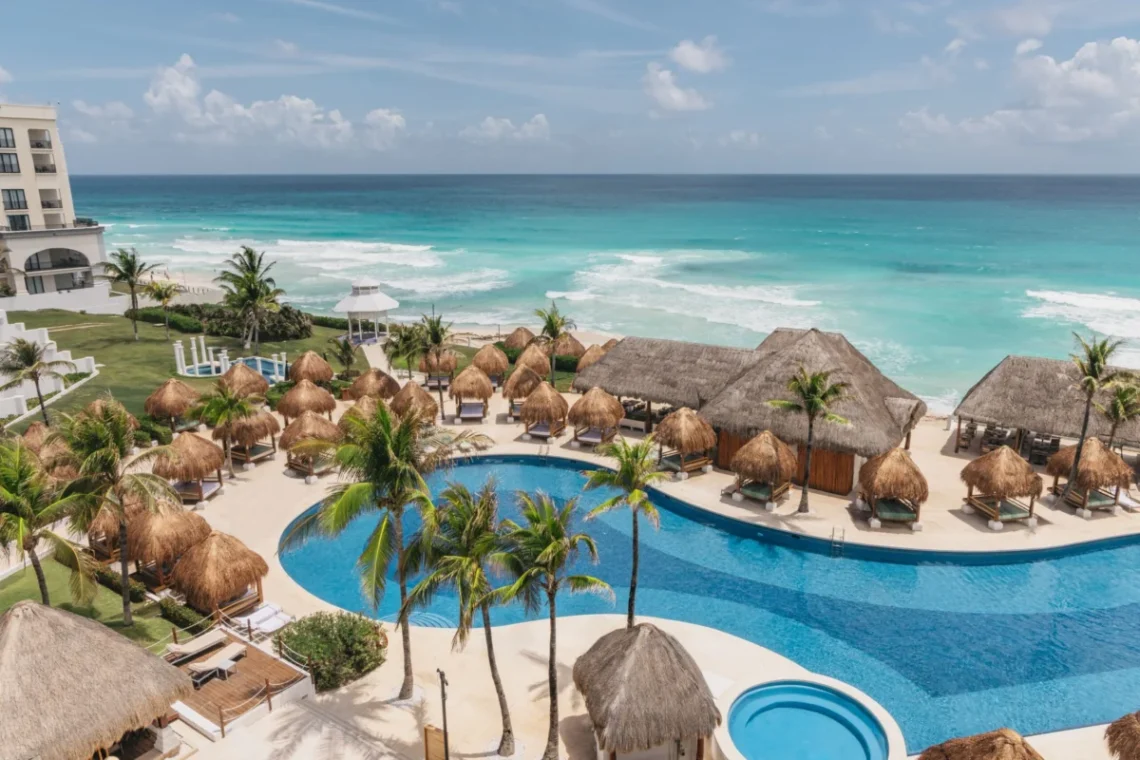
When the first wave of modern travelers descended upon Cancún more than two decades ago, the destination was defined by a singular, hedonistic archetype: high-octane spring break energy, neon-colored frozen margaritas, and a "quantity over quality" approach to hospitality. For many, including this writer, the appeal was simple—a sun-drenched sanctuary where the only decision to be made was whether to swim up to the bar or walk to the sand.
However, the Cancún of today is a vastly different beast. Over the past twenty years, the region has undergone a structural and aesthetic metamorphosis. The all-inclusive model, once dismissed by luxury travelers as a compromise on culinary and aesthetic standards, has matured into a sophisticated pillar of global tourism. Today, the destination offers an experience that balances the convenience of a bundled price point with the refined service levels typically reserved for boutique, five-star urban properties.
The Evolution of the All-Inclusive Model: A Chronology of Change
The narrative of Cancún’s hospitality sector can be divided into three distinct eras, each reflecting the changing demands of the international traveler.
The Era of Excess (1990s – early 2000s)
In the late 90s, the "all-inclusive" label was synonymous with volume. Resorts were built to accommodate massive crowds, focusing on buffet-style dining and high-density room layouts. The primary draw was the "ease of entry"—nonstop flights from major U.S. hubs began to proliferate, making Cancún the most accessible international getaway for North Americans. The goal was simple: provide an endless supply of spirits and sun.
The Transitional Period (2005 – 2015)
As millennial travelers began to age, their expectations shifted. The market saw a bifurcation. While the traditional "party resorts" remained, new players entered the market focusing on "upscale-inclusive." Brands began investing in architectural integrity, commissioning renowned designers to move away from cookie-cutter resort aesthetics. It was during this period that the culinary focus shifted from mass-produced buffets to chef-driven a la carte experiences.
The Modern Luxury Era (2016 – Present)
We are currently in an era where "all-inclusive" is no longer a pejorative term. The modern Cancún resort now emphasizes personalized service, such as private butler programs, hyper-localized wellness programs, and farm-to-table dining initiatives. The focus has moved from the quantity of the amenities to the quality of the guest experience.
Supporting Data: Why Cancún Remains a Hospitality Powerhouse
The resilience of the Cancún market is supported by robust data regarding infrastructure and tourism trends. According to reports from the Mexican Caribbean Tourism Board, Cancún remains one of the most connected destinations in the world.
- Connectivity: With over 500 daily flights during peak season, the accessibility of the region remains its greatest competitive advantage. The expansion of the Cancún International Airport (CUN) to accommodate record-breaking passenger volumes confirms that demand for the region has not slowed, but rather diversified.
- Demographic Shift: Recent hospitality surveys indicate that the average age of the "luxury-seeking" visitor to Cancún has shifted from the 21–25 demographic to the 35–55 bracket. This group prioritizes privacy, wellness, and high-end gastronomy, leading to a 30% increase in demand for "suites with private plunge pools" over the last five years.
- Geographic Expansion: While the Hotel Zone remains the heartbeat of the region, there has been a significant capital migration toward the quiet enclaves of Playa Mujeres and the ferry-accessible Isla Mujeres. These areas provide the seclusion that high-net-worth travelers demand, while remaining within the "all-inclusive" ecosystem.
Official Industry Perspectives: The Shift Toward Curated Luxury
Industry leaders emphasize that the transformation of the Cancún all-inclusive is a direct response to a more sophisticated global consumer.
"The modern traveler is not looking to disconnect from their standard of living; they are looking to elevate it," says Elena Rodriguez, a hospitality consultant based in the Riviera Maya. "We are seeing a move toward ‘inclusive luxury’ where the price tag covers not just the cost of food and beverage, but the cost of exclusive experiences—private snorkeling excursions, spa-integrated wellness retreats, and Michelin-caliber dining experiences."
Resort general managers note that the competition is no longer just against other resorts in Mexico, but against the boutique hotel markets of the Mediterranean and Southeast Asia. To stay relevant, resorts have had to integrate "soft services," such as bath-drawing services, pillow menus, and local cultural immersion tours, which were previously unheard of in the all-inclusive space.
Implications: What This Means for the Future Traveler
The implications of this shift are profound for the prospective traveler. The "one-size-fits-all" vacation is effectively dead, replaced by a tiered system of experiences.
The Rise of Niche Inclusives
Travelers can now select resorts based on their specific lifestyle requirements. For the health-conscious, there are resorts that offer daily yoga, plant-based culinary programs, and professional-grade fitness centers. For the culinary enthusiast, there are properties that boast multiple AAA Four-Diamond restaurants on-site.
The Value Proposition
While the price of these premium all-inclusives has risen, the value proposition remains strong. When accounting for the cost of individual five-star meals, top-shelf alcohol, resort fees, and service charges at a traditional European or American hotel, the modern Cancún luxury all-inclusive remains a remarkably efficient way to vacation.
The Sustainability Mandate
A critical implication of this evolution is the increasing focus on environmental stewardship. Modern resorts are now under intense pressure to move away from single-use plastics and implement advanced water desalination and waste management systems. As the Cancún destination matures, its future depends on its ability to preserve the very environment that attracts millions of visitors annually.
Selecting the Right Destination: A Guide for the Discerning Guest
The "spring break" reputation of Cancún is, as noted, an incomplete story. To truly enjoy the region today, one must choose their location with intention:
- The Hotel Zone: Best for those who want proximity to shopping, nightlife, and iconic Caribbean views. Ideal for travelers who enjoy the energy of a bustling beach town.
- Playa Mujeres: A gated, serene alternative to the Hotel Zone. This area is characterized by low-density development, superior golf courses, and significantly quieter beaches. It is the premier choice for couples and those seeking a "secluded" atmosphere.
- Isla Mujeres: Accessible via a short boat ride, this island offers a more bohemian, intimate, and authentic Mexican experience. Resorts here often feel more like private estates than massive hospitality complexes.
Conclusion: A New Standard of Leisure
The frozen margarita has not disappeared; it has simply been elevated—perhaps shaken with artisanal mezcal and served on a terrace overlooking a private infinity pool. The story of Cancún over the last two decades is not just about the growth of its resorts, but the growth of the traveler’s expectations.
Today, visiting Cancún requires a discerning eye. It demands that we look beyond the glossy brochures and identify the resorts that offer genuine service, sustainable practices, and culinary excellence. As we look toward the next twenty years, the region is poised to continue its upward trajectory, shedding the remnants of its party-centric past to establish itself as a world-class leader in luxury, inclusive hospitality. Whether you are returning to the white sands of the Mexican Caribbean after a long hiatus or planning your first trip, know that the destination is ready to meet you exactly where you are—offering not just a vacation, but a carefully curated experience.