By Josh Waldman (Analysis & Reporting)
STANFORD — Across American kitchens, grocery aisles, and gas stations, the economic strain is no longer a matter of academic debate; it is a lived, daily reality. Households from coast to coast are footing the bill for a turbulent mix of aggressive trade policies and escalating geopolitical entanglements.
At the root of this financial squeeze are two major policy pillars of President Donald Trump’s administration: sweeping tariff regimes and a costly military confrontation with Iran. Together, these initiatives have injected severe volatility into the U.S. economy, driving up the cost of everyday consumer goods and pushing borrowing costs to punishing heights.
Yet, as the public cries out for relief, political analysts and legal scholars point to a structural mechanism capable of altering this trajectory: the United States Congress. Armed with foundational constitutional authorities over both international trade and the power of the purse, lawmakers possess the tools to halt unchecked executive overreach. As the dust settles from a historic electoral upheaval, the question facing Capitol Hill is not whether it can step in, but whether it possesses the political will to do so.
Main Facts: The Double Burden of Tariffs and Foreign Conflict
The contemporary economic predicament facing American families stems primarily from two fronts: protectionist trade measures and Middle Eastern military expenditures.
First, the broad application of tariffs—taxes levied on imported goods—has functioned effectively as a hidden consumption tax on American consumers. While framed by administration officials as a tool to protect domestic industries and pressure foreign competitors, the immediate financial burden has been absorbed largely by importers, retailers, and ultimately everyday shoppers. Everything from electronics and apparel to construction materials and automotive parts has seen price spikes.
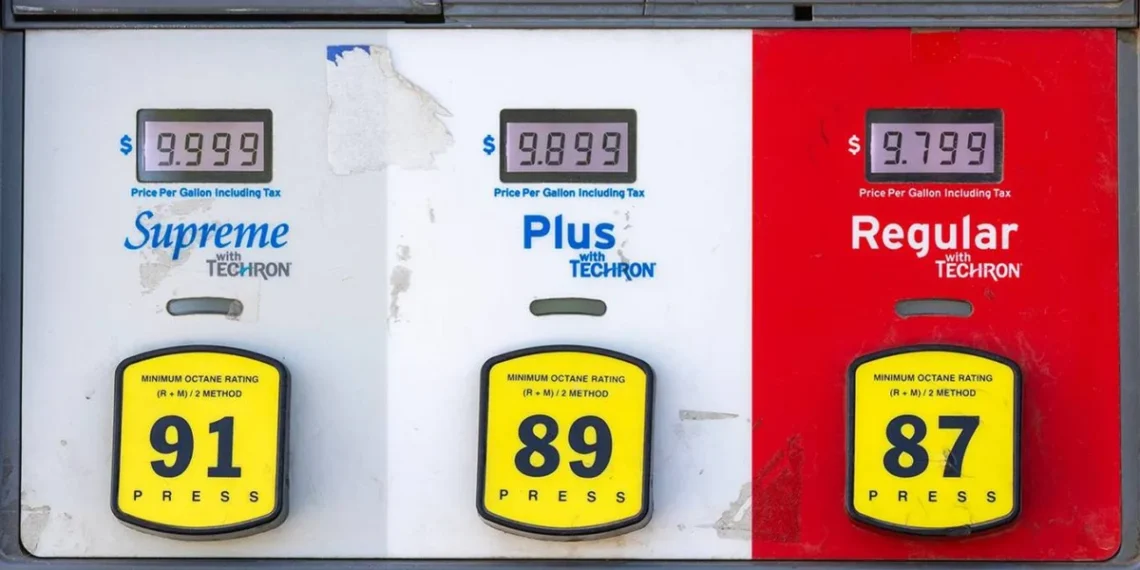
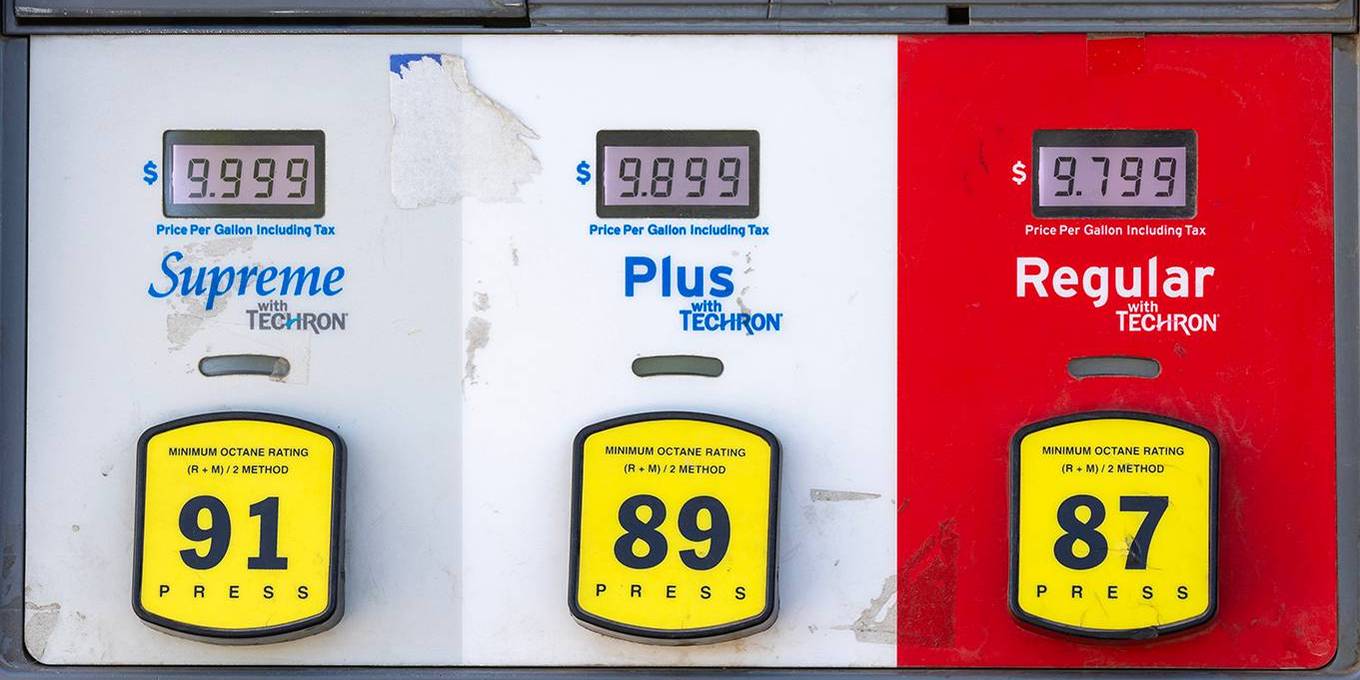
Second, the ongoing military posture toward Iran has destabilized global energy markets and strained federal budgets. Geopolitical friction in the Persian Gulf and associated operations have introduced risk premiums into global oil supplies, directly translating into soaring gasoline prices at the pump. Furthermore, the immense logistics of sustaining a heightened military readiness state require continuous funding, driving up the national deficit and compelling the Federal Reserve to maintain elevated interest rates to combat inflationary pressures. The collateral damage of these policies is clear: a higher cost of living and more expensive mortgages, car loans, and credit card debt for average citizens.
Chronology: From Executive Expansion to Electoral Backlash
To understand how the U.S. political landscape arrived at this crossroads, it is necessary to trace the escalation of executive trade authority and foreign policy actions over recent years.
- The Delegation of Trade Power (Historical Context): Over the past several decades, Congress progressively delegated broad emergency tariff and trade authorities to the executive branch via statutes such as the Trade Expansion Act of 1962 and the International Emergency Economic Powers Act (IEEPA). These laws were originally designed to give the president swift capabilities to handle genuine national security threats or trade emergencies, but they have increasingly been utilized to enact sweeping, long-term protectionist policies without explicit legislative consent.
- The Escalation with Iran: Tensions in the Middle East steadily worsened, culminating in direct military escalations, naval confrontations, and strategic deployments aimed at curbing Iranian influence. These actions bypassed formal, targeted declarations of war, relying instead on broad interpretations of past Authorizations for Use of Military Force (AUMFs).
- Economic Strain Compounds: Throughout successive quarters, the dual pressures of import duties and energy shocks filtered down into consumer price indexes. Inflationary impulses forced central bankers to keep monetary policy tight, freezing out prospective homebuyers and inflating corporate borrowing expenses.
- The November Congressional Swing: The breaking point for the American electorate arrived with the midterm elections. Voters delivered the largest congressional swing seen since the Watergate era. Political analysts across the spectrum attributed the landslide shift directly to voter frustration over inflation, cost-of-living crises, and economic insecurity tied directly to executive-led trade and foreign policies.
Supporting Data: The Anatomy of Consumer and Economic Strain
Economic indicators from late 2026 illustrate the profound weight that tariffs and military maneuvers place on the macro- and micro-economy.
- The Tariff Tax: Independent economic analyses indicate that broad-based tariffs cost the median American household hundreds—if not thousands—of dollars annually in hidden price markups. Because supply chains are deeply globalized, tariffs on intermediate goods like steel, aluminum, and microchips ripple through the entire manufacturing process, raising final retail prices.
- Energy and Inflation: Fluctuations in crude oil benchmarks, heavily influenced by Middle Eastern security risks, have kept retail gasoline averages well above historical baselines. Because energy costs factor into the transportation of virtually all consumer goods, high gas prices act as a multiplier for economy-wide inflation.
- Borrowing Costs: Persistent inflation driven by supply-side trade shocks and defense spending has kept borrowing rates high. Mortgage rates hovering near multi-decade highs have locked up the housing market, while small businesses struggle to secure affordable lines of credit.
- The Historic Electoral Shift: The November midterm results shattered standard political expectations. The scale of the congressional majority flip highlighted a rare bipartisan agreement among working-class and middle-class voters: economic survival has superseded partisan loyalty, and the status quo is untenable.
Official Responses and Perspectives
The debate over executive overreach versus legislative responsibility has drawn sharp divisions among policymakers, constitutional scholars, and administration defenders.
- The Executive Defense: Proponents of the administration’s approach argue that decisive, unilateral executive action is essential in a fast-moving global landscape. Supporters of the tariffs maintain that aggressive trade measures are the only way to compel foreign trading partners into fair-deal negotiations and to resurrect America’s industrial base. Regarding military posture, defenders assert that the executive branch must retain operational flexibility to protect U.S. interests and allies abroad without waiting for protracted congressional debates.
- The Legislative and Legal Critique: Critics, however, contend that the framers of the Constitution never intended for the executive branch to hold unchecked purse strings or unilateral taxation powers. Article I, Section 8 of the Constitution explicitly grants Congress the power to "lay and collect Taxes, Duties, Imposts, and Excises," as well as the sole authority to declare war. Legal scholars argue that decades of congressional cowardice—yielding authority to avoid tough votes—have created an imperial presidency that harms the very citizens it is sworn to protect.
- Voices from Capitol Hill: In the wake of the historic midterm swing, newly empowered lawmakers from both sides of the aisle have begun drafting remedial legislation. Reform-minded representatives argue that the electoral mandate is a clear directive to restore constitutional checks and balances, forcing the executive branch to seek legislative approval for major trade barriers and military campaigns.
Implications: A Roadmap for Congressional Reassertion
The path forward requires a deliberate recalibration of the separation of powers. For the U.S. economy to stabilize and for public faith in democratic institutions to recover, Congress must reclaim its foundational constitutional responsibilities.
1. Reclaiming Tariff Authority
Congress must revisit and amend the statutes that currently grant the executive branch near-total discretion over tariffs. By requiring explicit legislative review, sunset clauses, or majority congressional approval for sweeping trade restrictions, lawmakers can shield consumers from arbitrary price shocks driven by short-term political posturing. Trade policy should reflect a consensus of American economic interests, not just the unilateral vision of a single administration.
2. Restoring War Powers
The legislature must also reassert its dominance over matters of war and peace. Outdated AUMFs that have served as blank checks for successive administrations must be repealed and replaced with narrow, time-bound authorizations tailored to specific modern threats. By doing so, Congress ensures that military adventures are subjected to rigorous cost-benefit analyses and public debate before blood and treasure are committed.
3. Mandating Public Accounting of War Costs
Transparency is a prerequisite for accountability. Future legislation should mandate comprehensive, real-time public accounting of the financial, economic, and human costs associated with military operations and extended deployments. When taxpayers understand the exact price tag of foreign engagements—down to the impact on local gas prices and national debt—they are better equipped to hold their elected officials accountable.
Conclusion
The message delivered by American voters is unmistakable. The financial burden of unchecked executive trade and foreign policies has pushed households to the brink. Congress now stands at a historic juncture. By summoning the political courage to reclaim its constitutional authority over tariffs, military force, and federal spending, the legislative branch can offer relief to struggling families and restore the delicate system of checks and balances designed to protect the American republic.