Main Facts: Bringing Industrial-Grade Protection to Smaller Hulls
For decades, the owners of massive superyachts have enjoyed a luxury largely unavailable to smaller boaters: advanced, passive lightning protection that actively prevents strikes rather than merely managing the catastrophic aftermath. That technological divide is finally coming to an end.
Dinnteco, a global leader in industrial and maritime safety solutions, has officially introduced the DDCE Marine Mini. This breakthrough device scales down the sophisticated electromagnetic charge-compensation technology previously reserved for mega-yachts and commercial ships, engineering it specifically for vessels under 50 feet.
Unlike traditional lightning rods—which act as "attractors" designed to take a direct hit and channel millions of volts through a vessel’s grounding system (often frying sensitive onboard electronics, cracking fiberglass, and threatening crew safety in the process)—the DDCE Marine Mini works preemptively. By continuously balancing the electrical charges between the surrounding atmosphere and the water below, the device aims to prevent a lightning strike from ever forming in the first place.
Constructed from marine-grade stainless steel and polyoxymethylene, the compact unit houses a specialized internal compound consisting of polyoxometalates and saline. As storm clouds gather and atmospheric ionization spikes, the device collects positive and negative charges, neutralizes them internally, and harmlessly drains the residual current down to the vessel’s grounding plate. This process disrupts the creation of an "upward leader"—the stream of positive charge sent up from a structure to meet the downward step-leader of a lightning bolt—effectively rendering the boat electromagnetically invisible to the storm.
Chronology: The Evolution of Marine Lightning Mitigation
To understand the significance of the DDCE Marine Mini, it is helpful to look at how maritime lightning protection has evolved from crude metal spikes to modern physics-based countermeasures.
- The Age of the Traditional Lightning Rod (Pre-2000s): For centuries, sailors relied on copper spikes connected to thick cables running down the mast into the water. While this occasionally prevented the mast from exploding upon impact, it came with a severe flaw: it invited lightning directly into the boat. The massive electromagnetic pulse (EMP) from a nearby or direct strike routinely destroyed navigation arrays, engine control units (ECUs), gyroscopic stabilizers, and refrigeration systems.
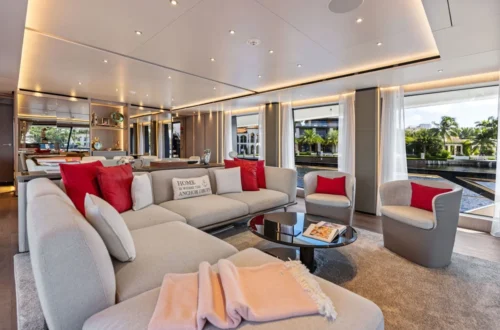
- The Rise of Superyacht Shielding (2010s): As yachts grew larger, more expensive, and increasingly reliant on fragile digital networks, shipyards demanded better solutions. Industrial atmospheric charge compensators—initially developed for high-risk land-based infrastructure like petrochemical plants, wind turbines, and telecom towers—were adapted for the maritime sector. These heavy, complex systems were successfully integrated into custom superyachts, but their size, weight, and installation costs kept them out of reach for weekend cruisers and sportfishers under 50 feet.
- The Engineering Breakthrough (Present Day): Recognizing a glaring market gap for smaller vessels, Dinnteco and its U.S. distributor, Atlantic Marine Electronics, spent years researching how to miniaturize the technology without sacrificing efficacy. The result is the DDCE Marine Mini—a lighter, streamlined unit that maintains the rigorous engineering and vessel-specific customization standards of its larger predecessors.
Supporting Data & Technical Specifications
Protecting a vessel from nature’s most unpredictable energy source requires rigorous engineering rather than a one-size-fits-all approach. The deployment of the DDCE Marine Mini is backed by strict geometric protection standards and complementary surge-suppression hardware.
Key Structural and Scientific Components
- Materials: Built using heavy-duty marine-grade stainless steel to resist saltwater corrosion, combined with durable polyoxymethylene housing.
- Active Core: Contains an internal blend of polyoxometalates and saline designed to facilitate rapid ion exchange and atmospheric charge compensation.
- Mounting Requirements: Much like its larger counterparts, the Marine Mini must be mounted high on the vessel’s skyline—typically at the masthead or atop a hardtop tower—to maximize its atmospheric coverage area.
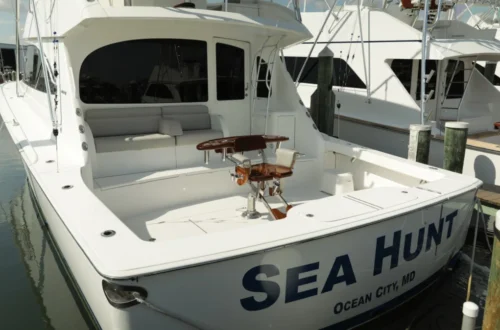
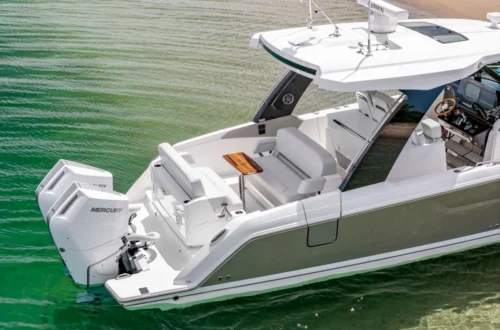
- Target Vessel Class: Optimized for boats up to approximately 50 feet in length overall (LOA), though it also serves as an effective supplementary zone-protection device on larger yachts.
Deployment and Design Methodologies
Dinnteco does not simply sell the DDCE Marine Mini as an over-the-counter accessory; each installation undergoes a tailored engineering review. Technicians apply industry-recognized protection design frameworks, including:
- The Rolling Sphere Method: A geometric model used to determine the striking distance of lightning and identify vulnerable zones across a vessel’s superstructure.
- The Protection Cone Method: Used to calculate the spatial envelope of safety cast outward and downward from the mounted device.
Furthermore, the Marine Mini is designed to work in tandem with Dinfil surge protectors. While the DDCE unit stops direct strikes by preventing upward leaders, sudden atmospheric shifts or distant strikes can still induce secondary electrical currents into a boat’s wiring via the grounding system. The Dinfil units intercept these secondary surges, creating a multi-layered defensive barrier for sensitive onboard electronics like Garmin, Simrad, or Raymarine navigation suites.
Official Responses and Industry Perspectives
The scaling down of superyacht-grade safety equipment represents a major milestone for marine electronics installers and boat manufacturers alike.
Todd Tally, General Manager of Atlantic Marine Electronics—the U.S. distributor for Dinnteco—highlighted the immense engineering hurdles overcome during the development phase.
"The real challenge was taking the same DDCE technology and making it practical, responsible, and properly engineered for a smaller class of vessels," Tally explains.
Scaling down technology often risks diluting its performance. However, Tally emphasizes that the Marine Mini sidesteps this trap by retaining the exact same rigorous evaluation protocols used for multi-million-dollar mega-yachts.
"The solution involved creating a smaller and lighter-weight form factor that still uses the exact same vessel-specific engineering review process as Dinnteco’s bigger systems," says Tally. "We aren’t guessing at protection envelopes; we are applying tried-and-true mathematical modeling to boats under 50 feet that historically had to just cross their fingers when a summer squall rolled in."
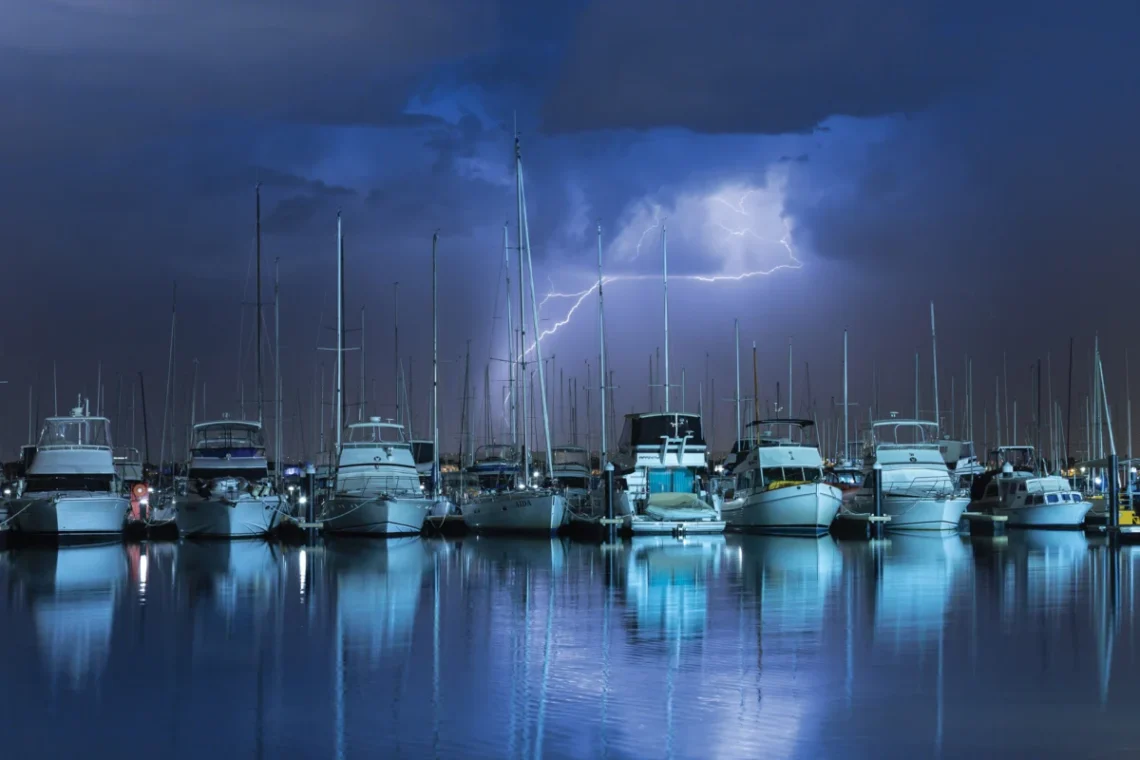
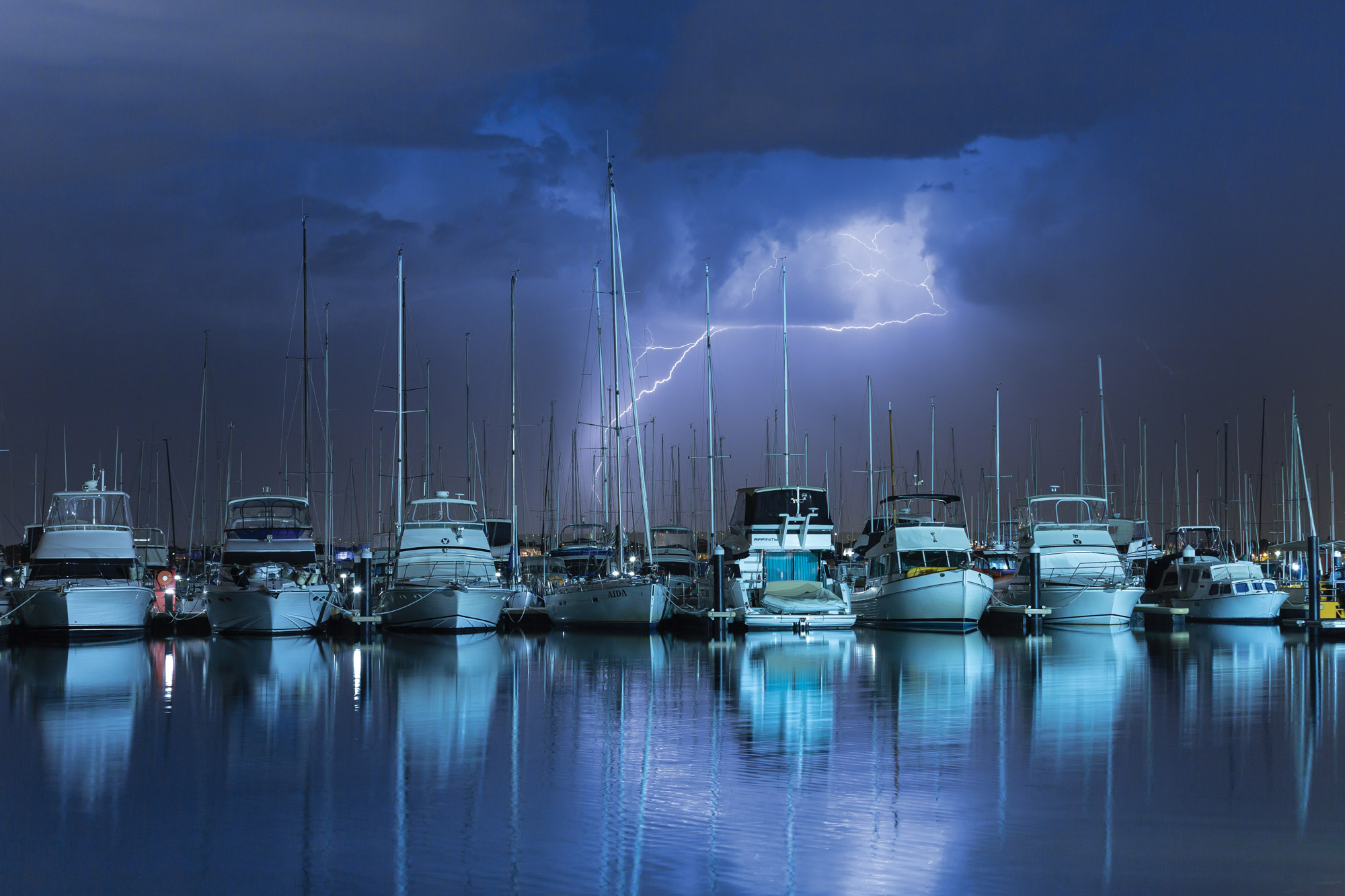
Marine safety experts have long noted that smaller vessels are statistically more vulnerable to the panic and dangers of lightning strikes. Unlike a 150-foot motoryacht with redundant systems and compartmentalized engineering spaces, a 40-foot cruiser or center-console boat suffering a direct strike often experiences total systems failure, leaving the captain stranded miles offshore with no engine ignition, dead electronics, and compromised structural integrity.
Implications for Boaters and the Marine Industry
The commercial release of the DDCE Marine Mini carries far-reaching implications for recreational boating, marine insurance, and equipment manufacturing.
1. Democratization of High-End Safety
For decades, ultra-safe cruising was dictated by a boat’s waterline length and budget. By successfully engineering down industrial-grade charge compensation, Dinnteco has bridged the safety gap between commercial ships and trailerable or mid-sized recreational vessels. Owners of sportfishers, weekend cruisers, and high-end sailboats under 50 feet can now outfit their vessels with the same peace of mind previously reserved for billionaires.
2. Reduced Insurance Claims and Catastrophic Losses
Lightning strikes are among the most financially devastating and disruptive claims handled by marine insurance providers. A single strike can total a vessel’s electrical infrastructure, requiring months in the shipyard for rewiring and component replacement. By drastically reducing the likelihood of a direct strike and mitigating secondary surge damage via complementary Dinfil protectors, devices like the Marine Mini could eventually influence underwriting criteria and premium discounts for equipped vessels.
3. Protection of Advanced Marine Electronics
Modern boating is more digitally integrated than ever. Glass-cockpit displays, digital switching systems, NMEA 2000 networks, and high-output marine audio systems are extraordinarily sensitive to voltage spikes. Standard fuses and basic breakers are often powerless against the sheer amperage of a lightning-induced surge. By preventing the formation of the strike altogether, the Marine Mini safeguards not just the physical hull of the boat, but the tens of thousands of dollars in sensitive electronics packed into the helm.
Looking Ahead
As climate patterns shift and severe weather events become increasingly unpredictable and frequent, marine safety technology must evolve in tandem. The arrival of the DDCE Marine Mini marks a turning point for vessels under 50 feet, proving that advanced storm defense is no longer exclusive to the superyacht tier. For recreational boaters navigating open waters, lightning may still be inevitable, but taking the strike is finally becoming optional.