For over a century, the name "Leica" has been synonymous with the pinnacle of optical engineering and photographic perfection. While the German manufacturer is primarily known for the iconic M-series rangefinders, its recent pivot toward horology has been met with both curiosity and respect. The Leica ZM 12, the latest evolution in its watchmaking journey, is not merely another "branded accessory." It is a testament to the company’s ability to translate its core philosophy—stripping away the non-essential to reveal the beauty of function—into the mechanical world of haute horlogerie.
Main Facts: The Essence of the ZM 12
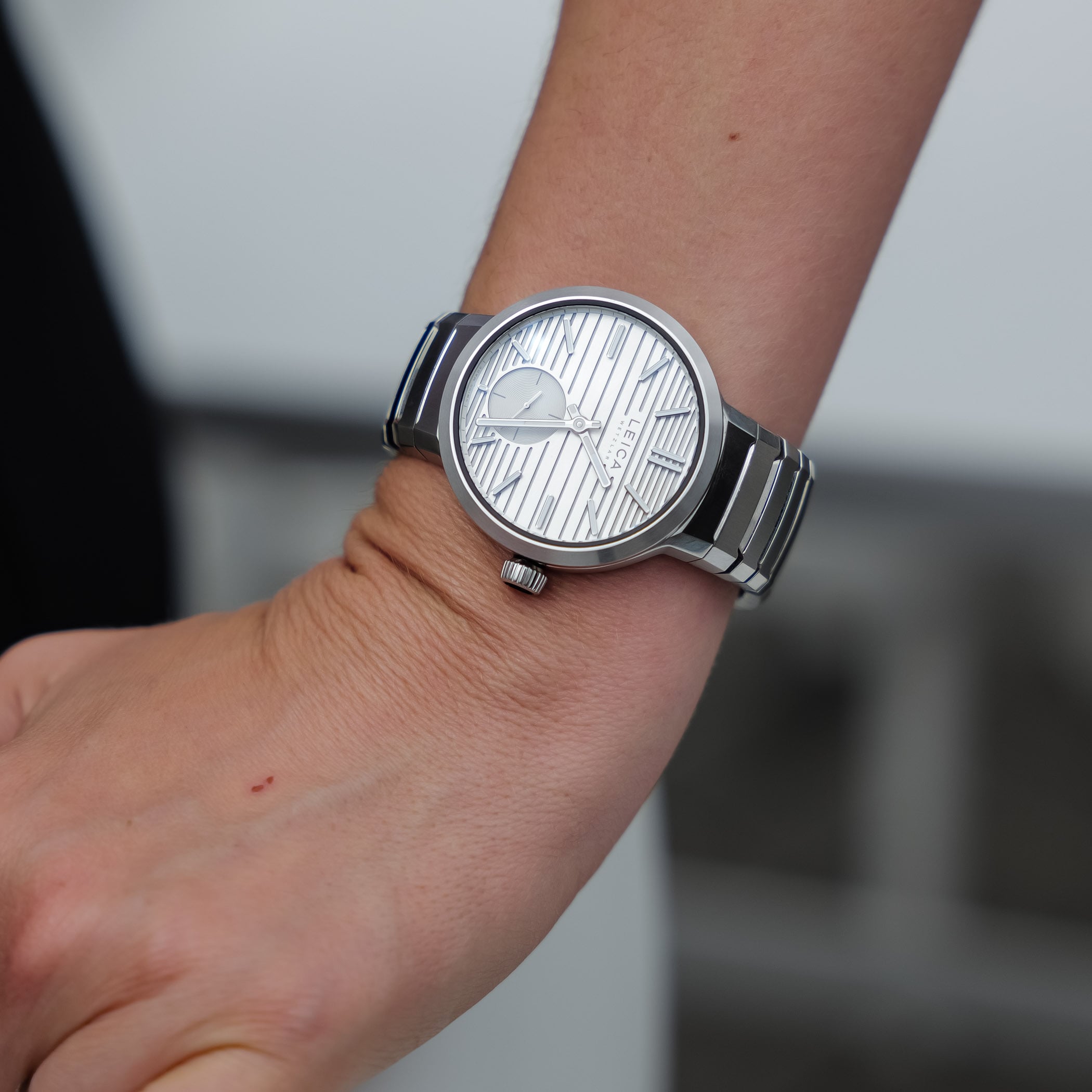
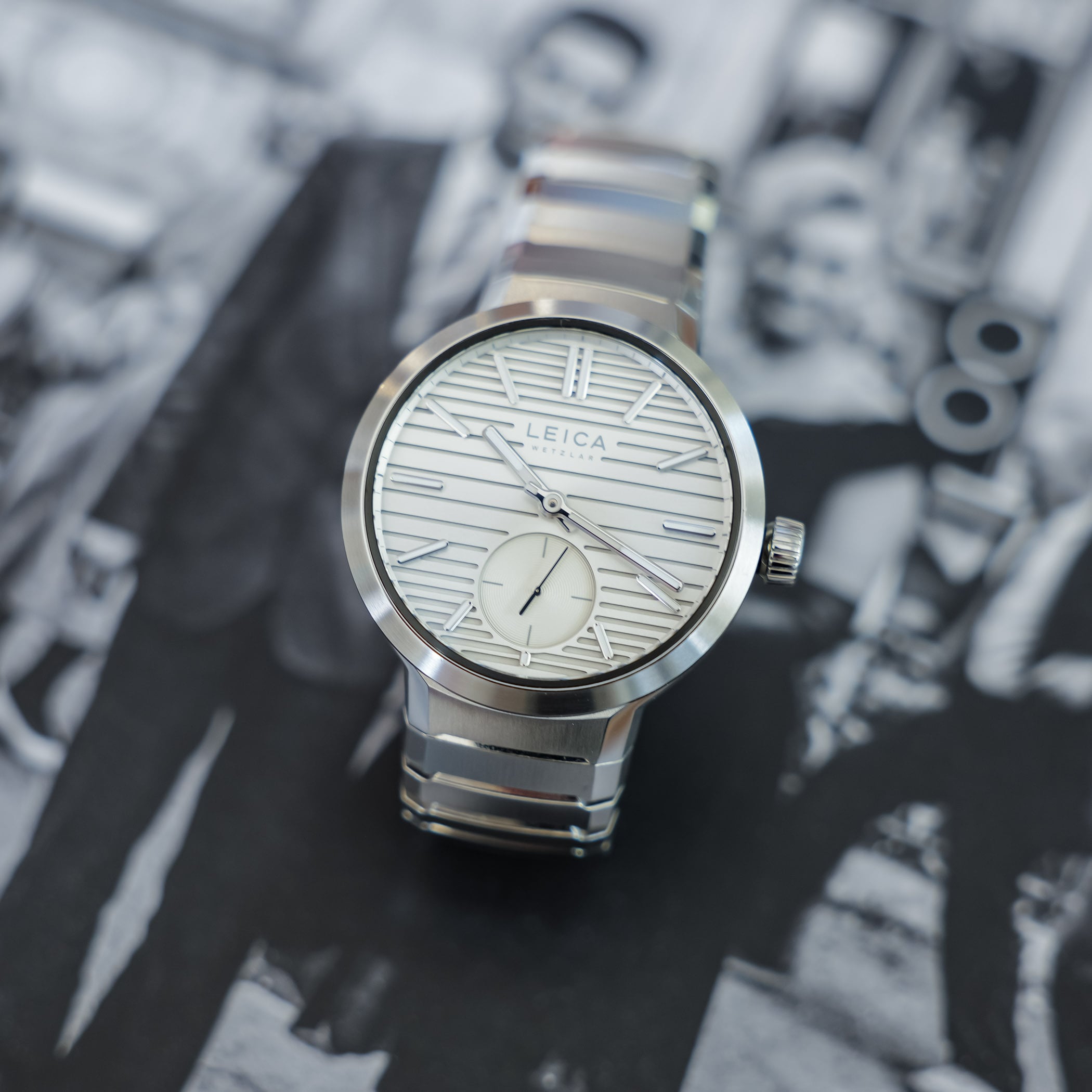
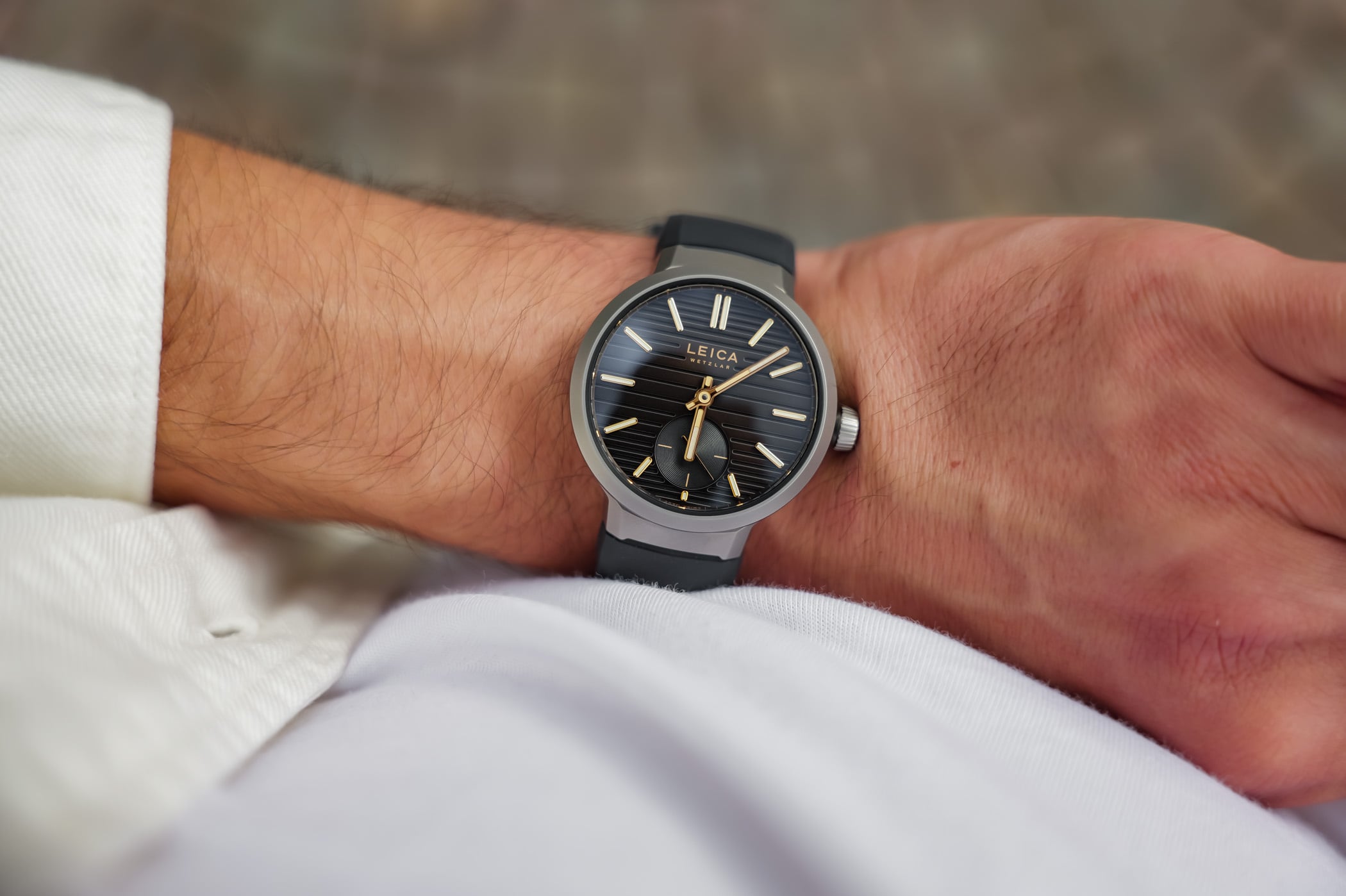
The Leica ZM 12 arrives as a refined, more compact sibling to the ZM 11. It is a 39mm automatic sports watch that prioritizes symmetry, readability, and tactile satisfaction. By abandoning the central date window found on its predecessor, the ZM 12 achieves a cleaner, more harmonious dial layout, anchored by a recessed small seconds subdial at the 6 o’clock position.
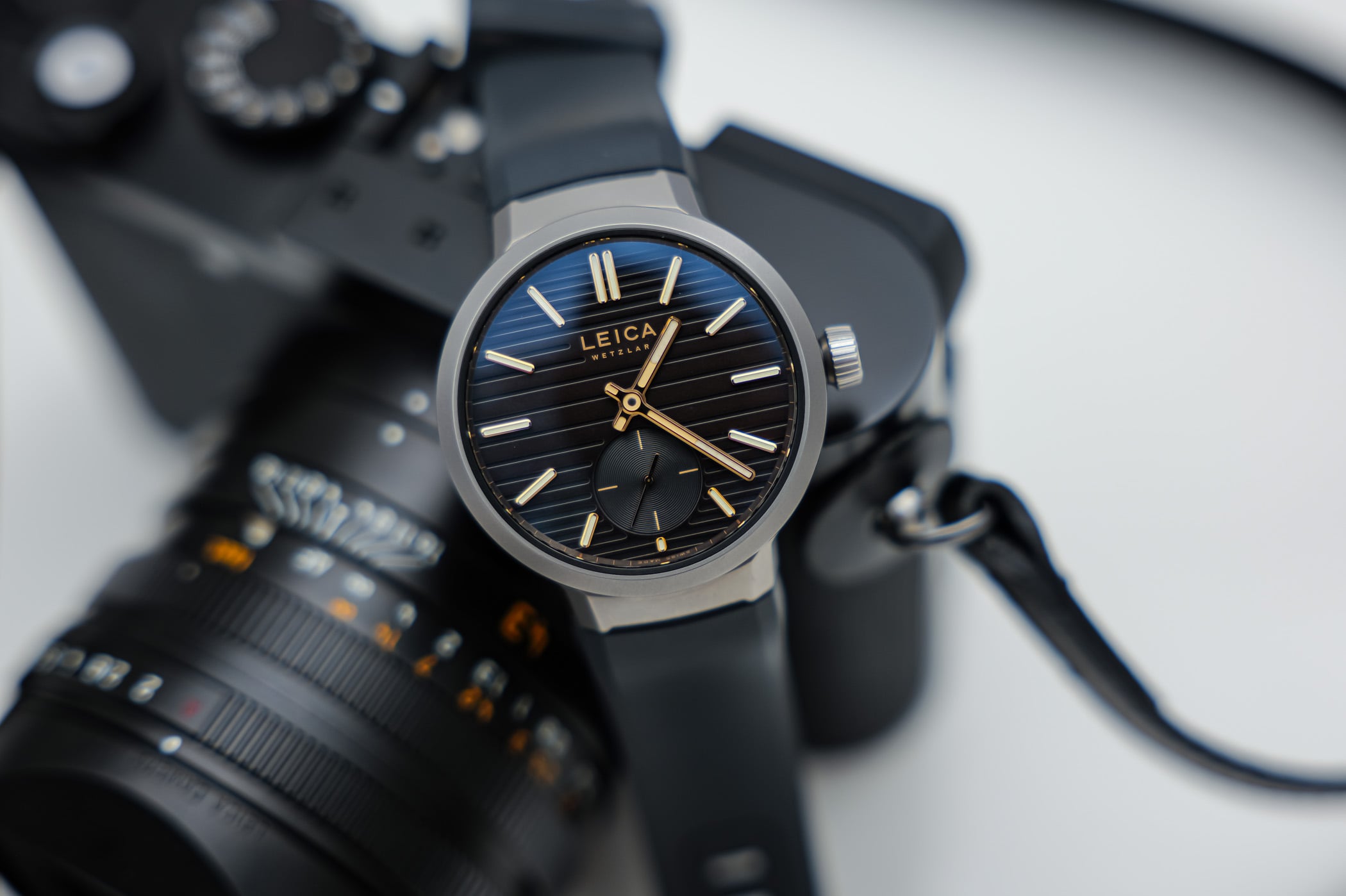
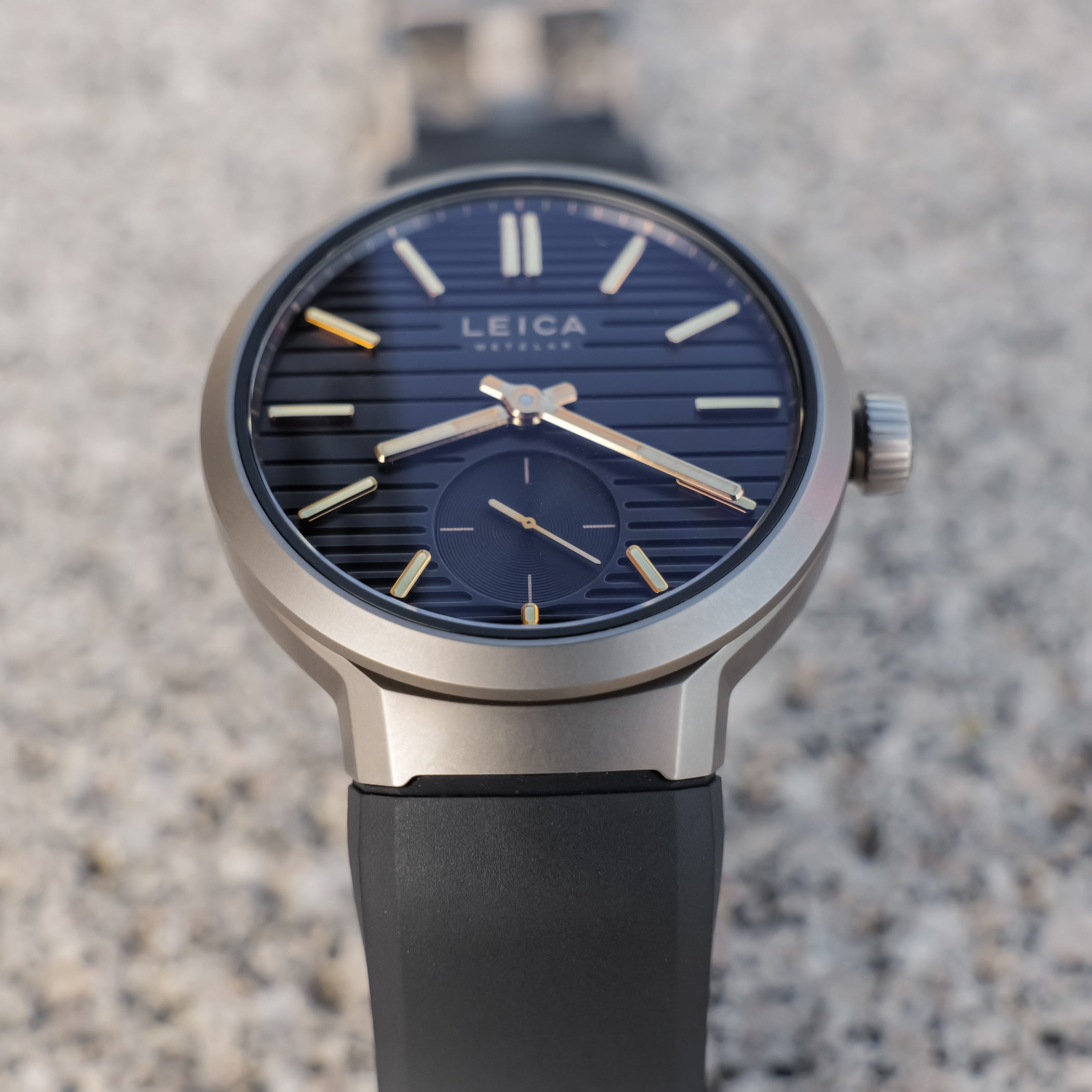
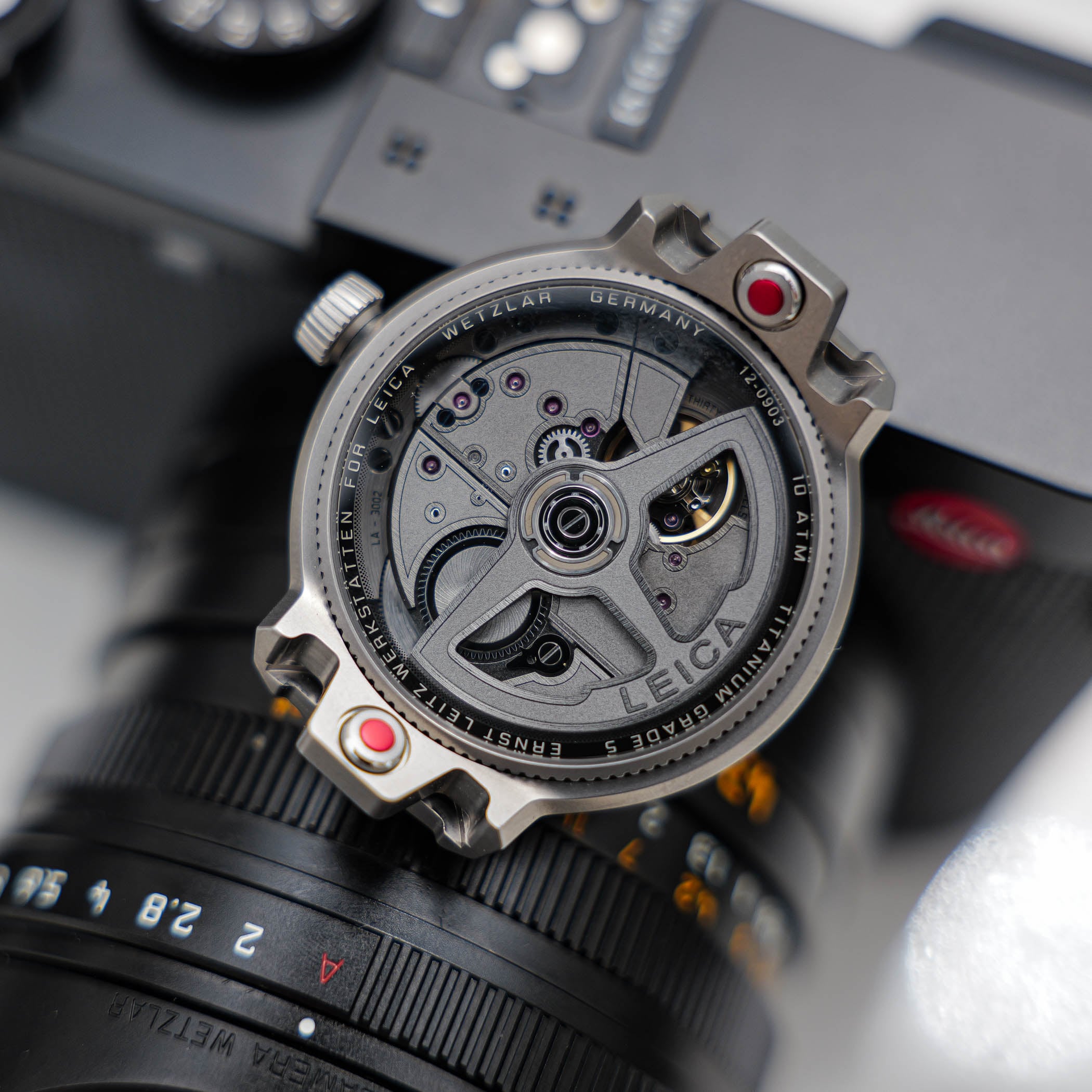
Available in both 316L stainless steel and Grade 5 titanium, the watch features a dual-layer dial construction that creates a subtle, shifting play of light and shadow. Powered by the bespoke automatic calibre LA-3002—developed in close collaboration with the Swiss movement specialists at Chronode—the watch offers a 60-hour power reserve and chronometer-grade accuracy of -4/+6 seconds per day. With its 100-meter water resistance and a signature quick-change strap system, the ZM 12 positions itself as a versatile daily companion for the modern enthusiast.
A Brief Chronology: From Cameras to Calibres
Leica’s relationship with timekeeping is relatively young, yet it possesses a foundation that stretches back to the 1990s through various experimental projects. However, the modern era of Leica watchmaking truly began in 2022 with the release of the ZM 1 and ZM 2. These debut models served as a "proof of concept," showcasing the brand’s ability to innovate with mechanical complications, most notably the patented push-crown that functions with the satisfying tactile feedback of a camera shutter release.
In 2023, the brand expanded its horizons with the ZM 11, a bold entry into the integrated sports watch category. This model established the architectural design language—sharp lines, multi-layered dials, and a distinct industrial aesthetic—that the ZM 12 now refines. If the ZM 11 was Leica’s statement of intent, the ZM 12 is the brand’s maturity, proving that they are capable of listening to their audience and tightening their focus on what truly defines a "Leica product."
Supporting Data and Technical Specifications
The success of the ZM 12 lies in its meticulous attention to detail, a hallmark of the Wetzlar-based company.
- Case Dimensions: 39mm diameter, 13mm thickness. The compact profile ensures comfort on a variety of wrist sizes, while the curved lug geometry allows for an ergonomic fit.
- Materiality: The stainless steel models utilize a mix of brushed and polished finishes to capture light, while the titanium versions opt for a muted, sandblasted finish that emphasizes the material’s lightweight properties (the watch head weighing in at a mere 52 grams in titanium).
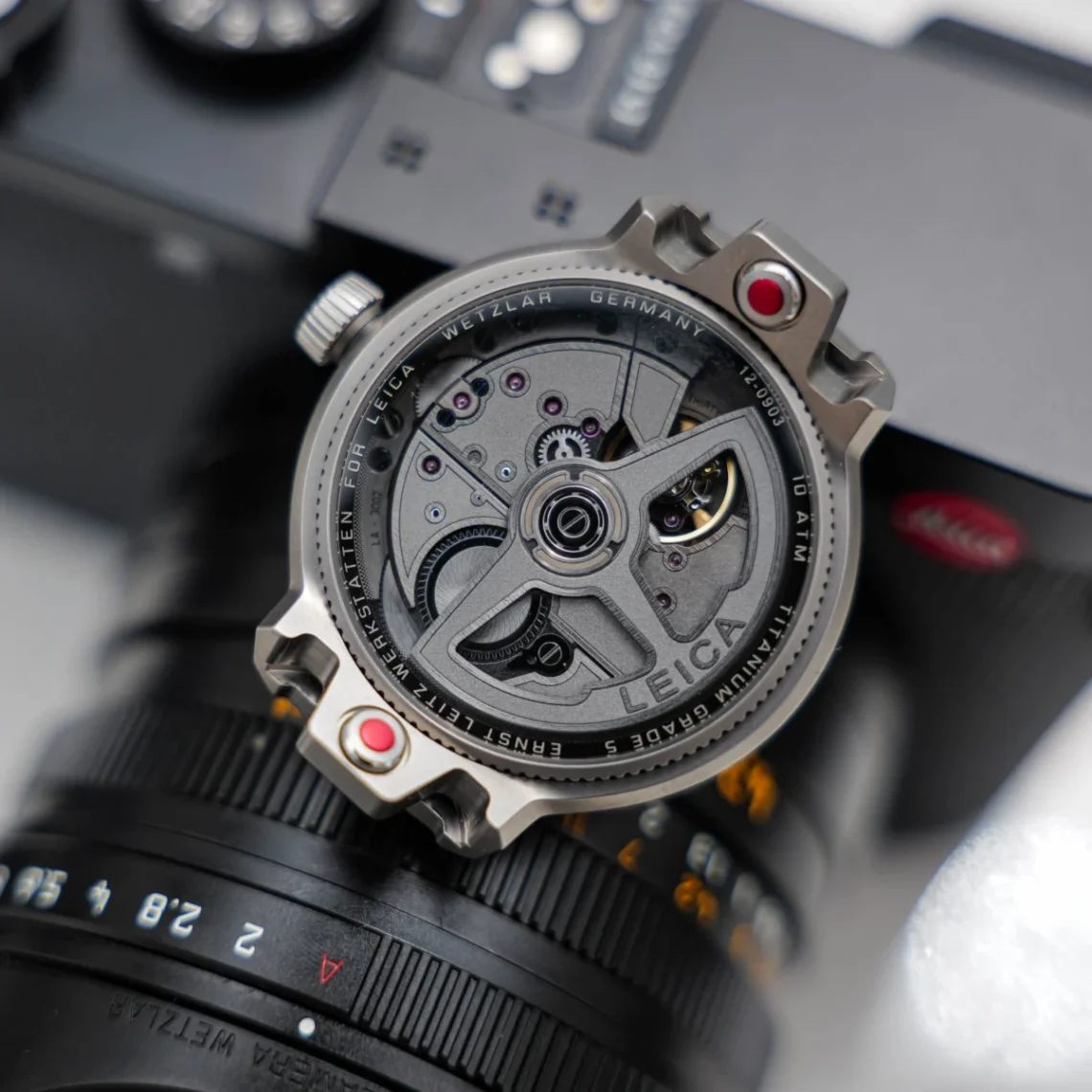
- The Movement: The LA-3002 movement is a marvel of Swiss-German cooperation. Operating at 28,800 vibrations per hour, it is designed for durability and precision. The matte finishing of the movement bridges is a conscious choice, reflecting the aesthetic of a professional camera body rather than the ostentatious "Geneva stripes" often found in luxury watches.
- Dial Construction: The dial is composed of two ultra-thin brass plates. The hand-lacquered edges of the upper plate are a signature touch, creating a depth effect that changes depending on the viewing angle.
- The Easy Change System: Inspired by the quick-release mechanisms found on camera lenses, the ZM 12 features a red-button-activated system that allows the user to swap between rubber, textile, and metallic bracelets in seconds without tools.
Official Perspectives: The Philosophy of Essentialism
Dr. Andreas Kaufmann, Chairman of the Supervisory Board of Leica Camera AG and a primary architect of the brand’s modern resurgence, has been vocal about why Leica entered the watch market. In various interviews, he has emphasized that the goal was never to become a "watch company" in the traditional sense, but rather to create an object that embodies the "Leica DNA."
"We remove everything that isn’t essential," a spokesperson noted during the launch. This mantra is evident in the ZM 12’s design. Unlike other collaborations that plaster logos or mimic camera parts too literally, the ZM 12 is subtle. The technical inscriptions around the movement mimic those found on a Summilux lens, and the dial texture is a nod to the rhythm of a shutter, but these are "Easter eggs" for the knowledgeable rather than gaudy marketing ploys. Leica’s strategy is clear: focus on the quality of the finish and the user experience, and the brand identity will naturally follow.
Implications for the Market
The launch of the ZM 12 at a starting price point below EUR 7,000 creates a significant ripple in the premium sports watch segment. By occupying this middle-to-high ground, Leica is challenging established players like Omega, Tudor, and entry-level pieces from the "Big Three."
1. The "Brand Extension" Trap Avoided
Many fashion and tech brands attempt to branch into horology with mixed results, often relying on quartz movements or outsourced generic designs. Leica has avoided this by partnering with Chronode and investing in original, proprietary designs. This establishes long-term credibility among watch collectors who are notoriously skeptical of "non-watch" brands.
2. The Power of "Stealth" Branding
The ZM 12 succeeds because it is an "insider’s watch." Its beauty does not scream for attention. For the Leica user, it creates a cohesive ecosystem. The watch feels like an extension of the camera bag—durable, precision-focused, and aesthetically aligned with the tools they use to capture the world. It signals that the wearer values understated excellence over brand recognition.
3. A New Standard for User Experience
The inclusion of the Easy Change System, arguably one of the most intuitive in the industry, sets a new benchmark for practical, everyday luxury. It acknowledges that a watch is a tool to be worn in different environments—from a formal board meeting on a steel bracelet to a casual weekend on a rubber strap—and makes that transition seamless.
Conclusion: A Resolved Vision
The Leica ZM 12 is a significant achievement. It is a watch that has found its own voice, successfully moving out from under the shadow of its larger sibling, the ZM 11. By reducing the size, removing the date, and perfecting the dial layout, Leica has demonstrated a rare ability to iterate based on design purity rather than market trends.
It is a timepiece that feels exactly like a Leica: solid, tactile, and engineered to perform for decades. While the price reflects the premium nature of its components and its limited production, the value proposition is anchored in the brand’s commitment to quality. For those who appreciate the intersection of photography and horology, the ZM 12 is not just a secondary item—it is the missing piece of the Leica collection, and perhaps one of the most compelling, "essential" watches to hit the market in years.