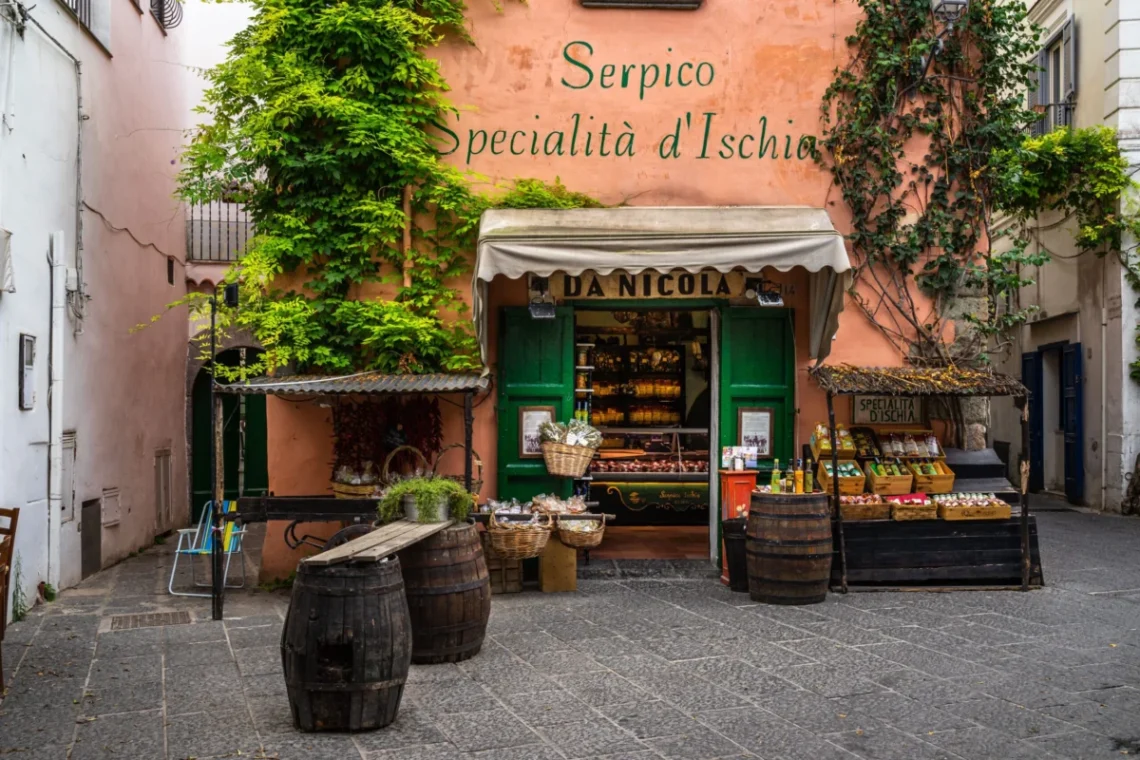
As the ferry pulls away from the frenetic, bustling port of Naples and glides across the Tyrrhenian Sea, the horizon begins to shift. Before you lies Ischia, the "Green Island," rising from the deep blue like a jagged, volcanic emerald. The air here feels different—it is heavy with the scent of salty Mediterranean spray, wild fennel, and the sharp, citrus-sweet perfume of gargantuan lemons clinging to terraced hillsides. While travelers often flock to the nearby Amalfi Coast or the island of Capri, those in search of the authentic heart of Italian gastronomy are increasingly turning their gaze toward Ischia. It is a place where food is not merely sustenance; it is a profound ritual, a language of history, and a testament to the resilience of a landscape shaped by fire and ash.
The Foundations of Ischian Cuisine: Beyond the Tourist Trail
To understand Ischia is to understand that its culinary identity is often misunderstood by outsiders. In the United Kingdom and beyond, Italian cuisine is frequently distilled into a monolithic experience of pizza and pasta. While these staples are present, Ischia offers a far more complex narrative. This is an island defined by its mineral-rich volcanic soil and its deep-seated connection to the earth.
The region’s most storied dish is Coniglio all’Ischitana (Ischia-style rabbit). The presence of rabbit on the island dates back to the Roman era, when the animals were introduced as a source of meat. Over the centuries, they adapted to the rugged terrain, burrowing into the volcanic hills and subsisting on wild fava beans, legumes, and vine leaves. Unlike the intensive farming methods found elsewhere, the traditional Ischian approach—often highlighted by Slow Food producers—involves the da fossa method, allowing rabbits to live in semi-wild, burrow-like environments.
The preparation of Coniglio all’Ischitana is a masterclass in patience. It is traditionally braised in a tegame (a heavy clay dish) with generous quantities of garlic, local mountain herbs, and sun-ripened tomatoes, all slow-cooked until the meat falls from the bone. The secret, locals will tell you, is the addition of the island’s own crisp white wine, which deglazes the clay, creating a sauce that is as much about the terroir as it is about the protein.

A Chronology of Taste: From Ancient Roots to Modern Gastronomy
The evolution of Ischia’s kitchen is a timeline etched into the island’s geography.
- Pre-Classical Era: The introduction of rabbits by the Romans established a meat-heavy tradition that persists today, defying the common misconception that an island’s diet must be exclusively piscatorial.
- The Agrarian Shift: As viticulture and citrus cultivation took hold, the "Green Island" moniker became a reality. The volcanic soil allowed for the growth of vegetables—particularly aubergines—that are unparalleled in flavor and texture.
- The 20th Century: The island began to solidify its reputation as a haven for thinkers, artists, and filmmakers, bringing a cosmopolitan influence to the traditional trattorias.
- The Present Day: Following the increased exposure from media appearances, such as Stanley Tucci’s Searching for Italy, Ischia has transitioned into a global culinary destination, balancing its rustic roots with the demands of discerning, international epicureans.
The Vegetarian’s Paradox and the Bounty of the Soil
A common concern for travelers with dietary restrictions is the meat-centric nature of Southern Italian cooking. However, Ischia presents a delightful contradiction. While the Coniglio is the island’s mascot, the land provides a staggering variety of vegetarian options. The aubergine, or melanzana, is perhaps the island’s most versatile workhorse.
The parmigiana di Melanzane is a ubiquitous comfort dish, yet every kitchen interprets it differently. Some chefs rely on the punch of smoked mozzarella, while others lean into the aromatic profile of the island’s indigenous herbs. Then there is melanzane alla funghetto, a rustic, soulful preparation where aubergines are cut into chunks and pan-fried with tomatoes, garlic, and fresh basil. The flavor is profoundly earthy, a reminder of the volcanic earth from which the plant sprung. For the dessert lover, the ritual of the La Pastiera—a ricotta-filled tart traditionally associated with Easter but cherished year-round—and the ever-present, sharp brightness of local lemon gelato, round out an experience that satisfies every palate.
The Gastronomic Map: Editor’s Picks
For the traveler navigating the winding roads of the island, these establishments represent the intersection of tradition, hospitality, and quality.

Trattoria Il Focolare: A Family Legacy
Located in the hills between Casamicciola and Fiaiano, this restaurant is a pilgrimage site for those seeking history on a plate. The D’Ambra family has stewarded this institution for generations. With its walls adorned with photographs of celebrities and posters from the My Brilliant Friend series, it captures the intersection of Ischian culture and international acclaim. It is an experience that demands an entire evening; don’t be surprised if the kitchen staff invites you to tour the property or insists you sample a forkful of their signature cheesecake.
- Highlight: The antipasti multi-plate feast.
Jack all’Epomeo: The Heart of Forio
For those who prefer the pulse of a town square, Jack all’Epomeo in the historic heart of Forio is the premier location for people-watching. It is a study in the beauty of simplicity: perfectly prepared anchovies, spaghetti aglio e olio, and the freshest catch of the day. It is an unpretentious environment where the quality of the raw ingredients is allowed to take center stage.
Pizzeria di Meglio: The Art of the Calzone
In a region where prices can fluctuate, Di Meglio remains a beacon of accessibility and quality. Their Neapolitan-style pizza rivals the best of Naples, and the Calzone Napoletano is a must-order. It is a testament to the fact that excellence does not always require a high price tag.
Ristorante O’ Pignattello: The Tasting Experience
Situated in Lacco Ameno, this restaurant offers a sophisticated lens through which to view the island’s cuisine. Their blind tasting menu is an adventurous journey. From the refined, ravioli-encased rabbit to the surprisingly sharp and refreshing endive salad, the menu acts as a palate cleanser for those who have spent their trip indulging in the heavier, more traditional dishes.

La Veranda Restaurant: Indulgence with a View
Perched within the San Montano Resort & Spa, La Veranda offers arguably the finest vistas on the island. While primarily a seafood destination, its inclusivity—specifically its dedication to high-quality vegan dishes—is a rarity in the region. The striped green-and-white parmigiana is an aesthetic and culinary triumph.
Implications for the Future of Island Tourism
The rise of Ischia as a premier food destination carries significant implications. As the island grapples with the pressures of increased tourism, the preservation of its traditional methods—such as the da fossa rabbit farming and the continued support of the Slow Food movement—becomes critical.
There is a delicate balance to maintain. The authenticity that attracts the modern traveler is fragile; it relies on the continued cultivation of the volcanic soil, the respect for seasonal harvesting, and the intergenerational transfer of knowledge within families like the D’Ambras. For the visitor, the implication is clear: Ischia is not a place to be rushed. It is a place to linger, to observe the slow growth of the vines, and to understand that the true flavor of the island is found not in the flashy, but in the enduring.
When you sit at a wooden table in a hillside trattoria, watching the sun dip behind the peaks of Mount Epomeo, you aren’t just eating a meal. You are consuming the history of an island that has been shaped by the sea, the fire, and the persistent, loving hands of those who have made this volcanic rock their home for centuries. Whether you come for the rabbit, the aubergine, or the legendary local wine, you will leave with an understanding that in Ischia, the food is the heartbeat of the land itself.