Main Facts
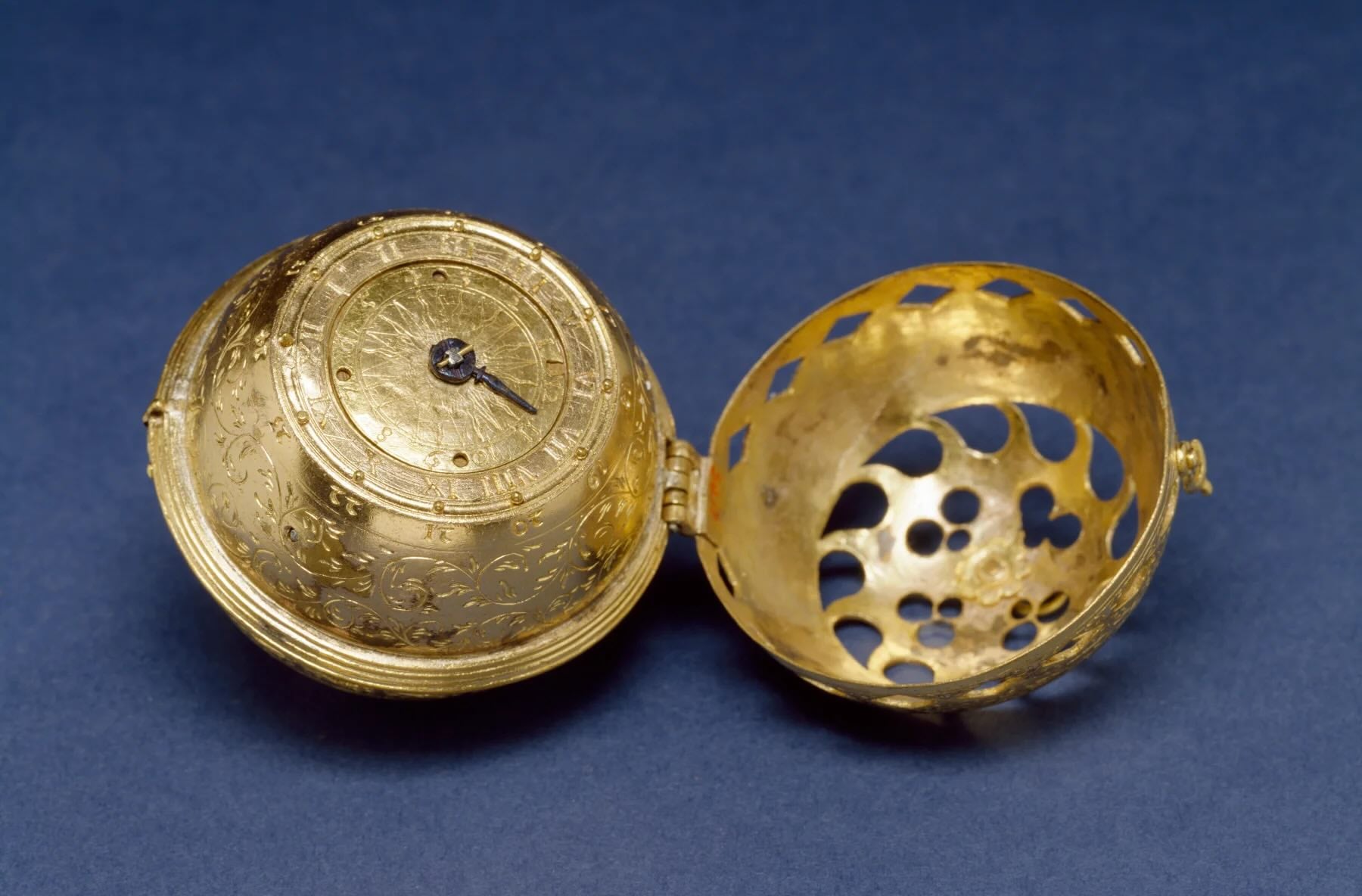
The history of portable timekeeping is frequently attributed to Swiss ingenuity, yet the true foundation of the pocket watch was established in Germany at the dawn of the 16th century. Master locksmith and clockmaker Peter Henlein of Nuremberg successfully miniaturized traditional clock towers into wearable timepieces. These early creations, affectionately dubbed "Nuremberg Eggs" due to their bulbous, rounded silhouettes, were worn suspended around the neck rather than slipped into a pocket.
While Henlein’s spring-driven movements revolutionized the concept of personal time, early models suffered from severe power delivery inconsistencies as the mainspring unwound, leading to timing discrepancies of several hours per day. Over the centuries, German watchmaking evolved through distinct regional hubs—including the Black Forest, Pforzheim, and Glashütte—surviving wartime devastation, economic turmoil, and political partition to emerge as the primary challenger to Swiss dominance in high-end, in-house mechanical watchmaking.
Chronology: A History of German Watchmaking
The 16th to 18th Centuries: The Genesis of Portable Time
- Early 1500s: Peter Henlein invents the portable spring-driven timepiece in Nuremberg, giving rise to the Nuremberg Eggs.
- 1430–1664: The development of the mainspring is paired with the cone-shaped fusee and chain (popularized by Leonardo da Vinci and refined by Gruet of Geneva) to equalize power delivery, creating the earliest reliable mechanical timekeepers.
- 1730s: Franz Anton Ketterer introduces the first mechanical cuckoo clock in the Black Forest, transforming the region into a major horological centre.
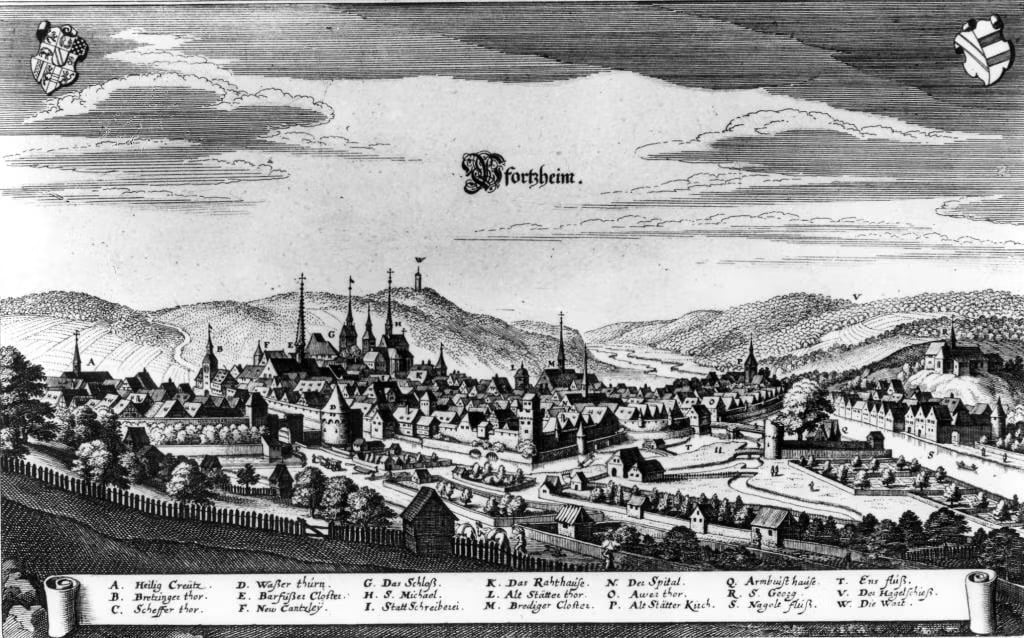
- 1767: Margrave Karl Friedrich establishes an innovative watchmaking and vocational training school within a Pforzheim orphanage, laying the groundwork for the town’s reputation as Germany’s "Golden City."
The 19th Century: The Rise of Glashütte
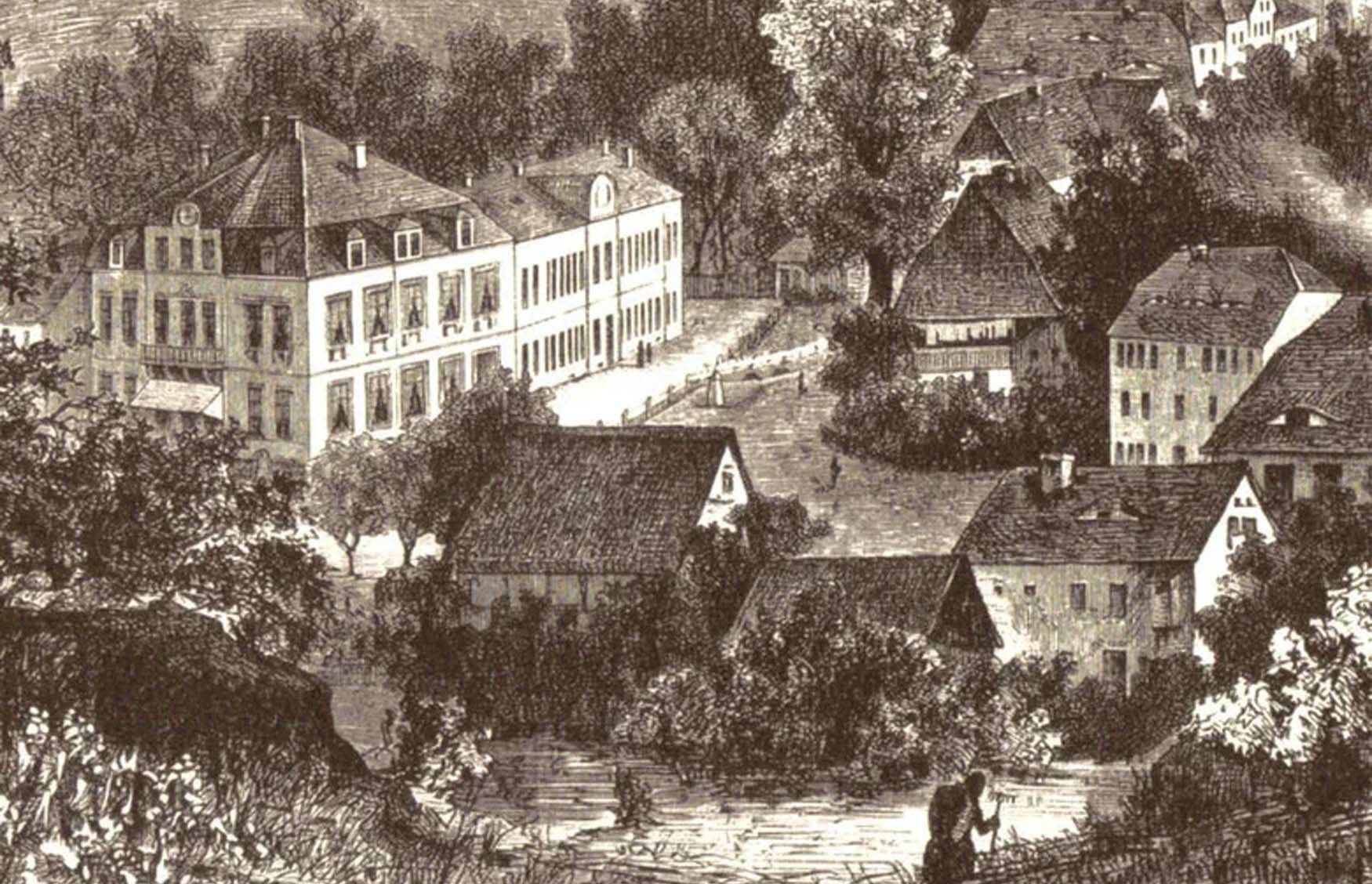
- 1845: Ferdinand Adolph Lange establishes his workshop in the economically depressed mining town of Glashütte, Saxony, financed by a royal loan from the King of Saxony. Lange pioneers the use of the metric system, the three-quarter plate, and Glashütte ribbing.
- 1868: Richard Lange joins his father as a partner, officially rebranding the firm to A. Lange & Söhne and expanding into highly complicated pocket watches.
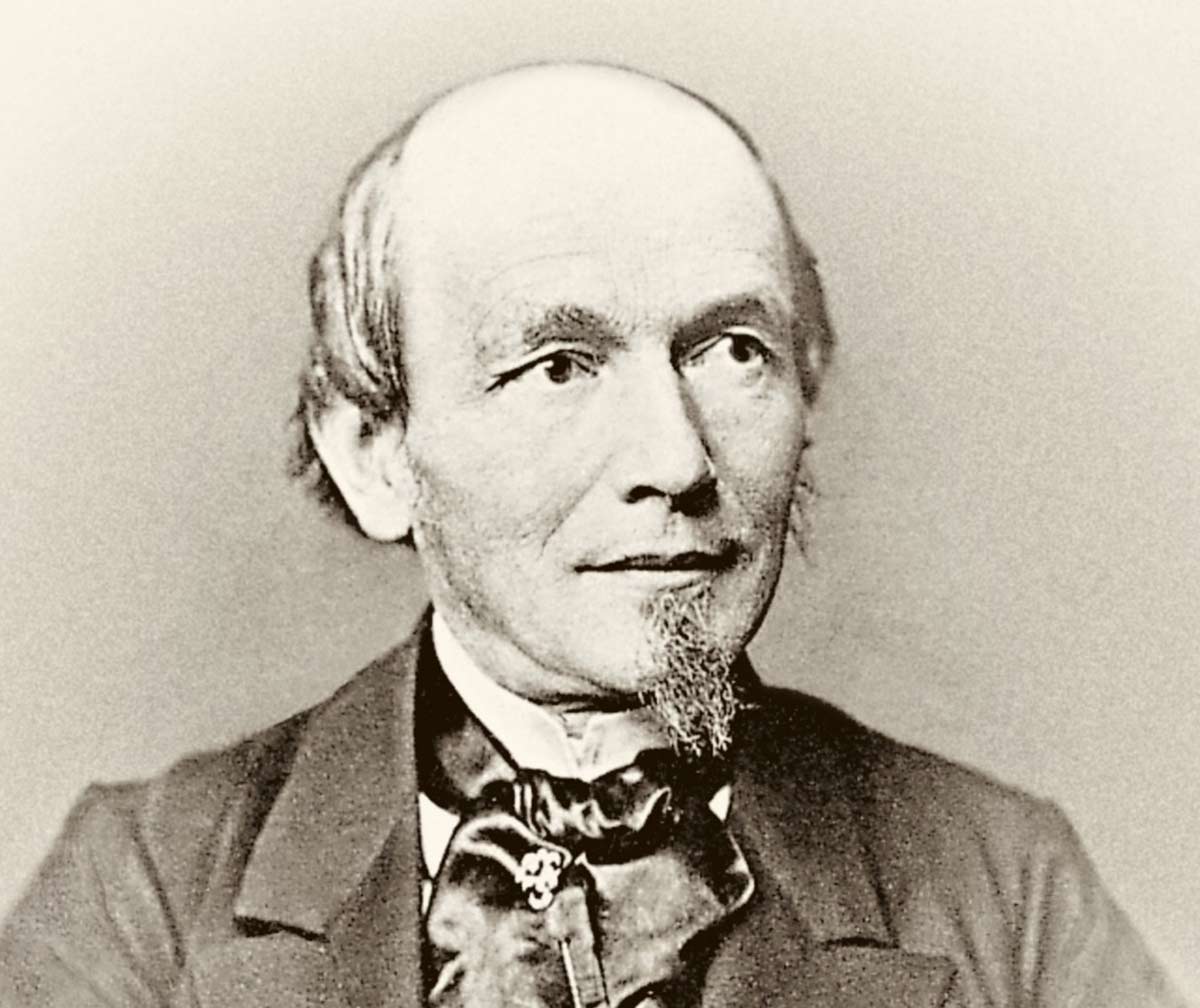
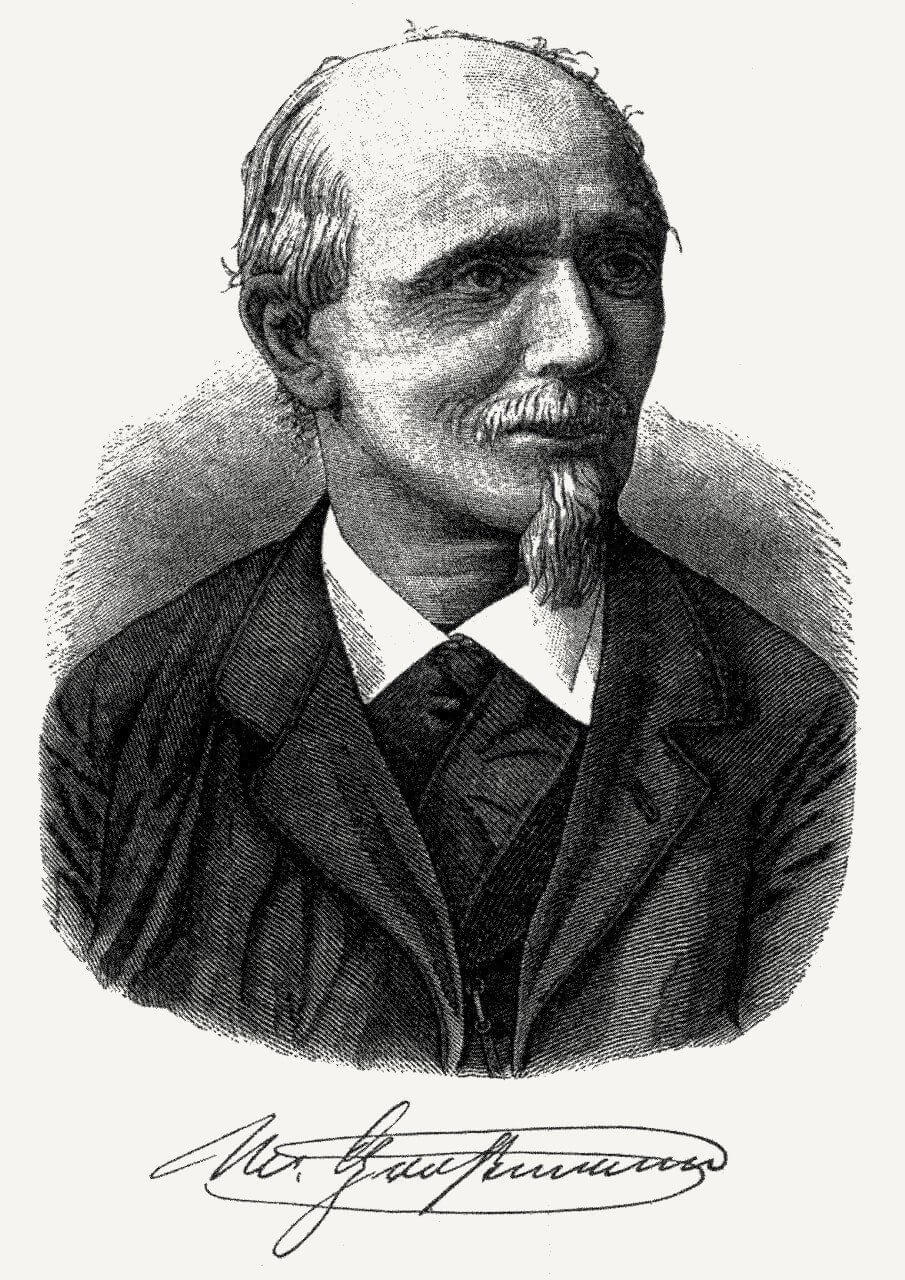
- 1878: Moritz Grossmann establishes the German School of Watchmaking in Glashütte to foster local artisanal talent.
The 20th Century: Bauhaus, World War II, and Destruction
- 1919–1937: Walter Gropius founds the Bauhaus movement ("form follows function"). By 1937, Pforzheim dial maker Weber & Baral translates this minimalist aesthetic onto watch dials, influencing brands like Junghans and Stowa.
- 1939–1945: German watchmakers are conscripted to support the military effort, producing legendary observation watches (B-Uhr) and Fliegerchronographs for the Luftwaffe.
- May 1945: Heavy Allied bombing campaigns level over 80% of Pforzheim and obliterate Glashütte’s workshops, culminating in the dismantling and Soviet seizure of A. Lange & Söhne’s assets.
The Post-Reunification Renaissance
- December 1990: Walter Lange, great-grandson of Ferdinand Adolph Lange, teams up with industry veteran Günter Blümlein to re-register A. Lange & Söhne, alongside the founding of NOMOS Glashütte and Glashütte Original.
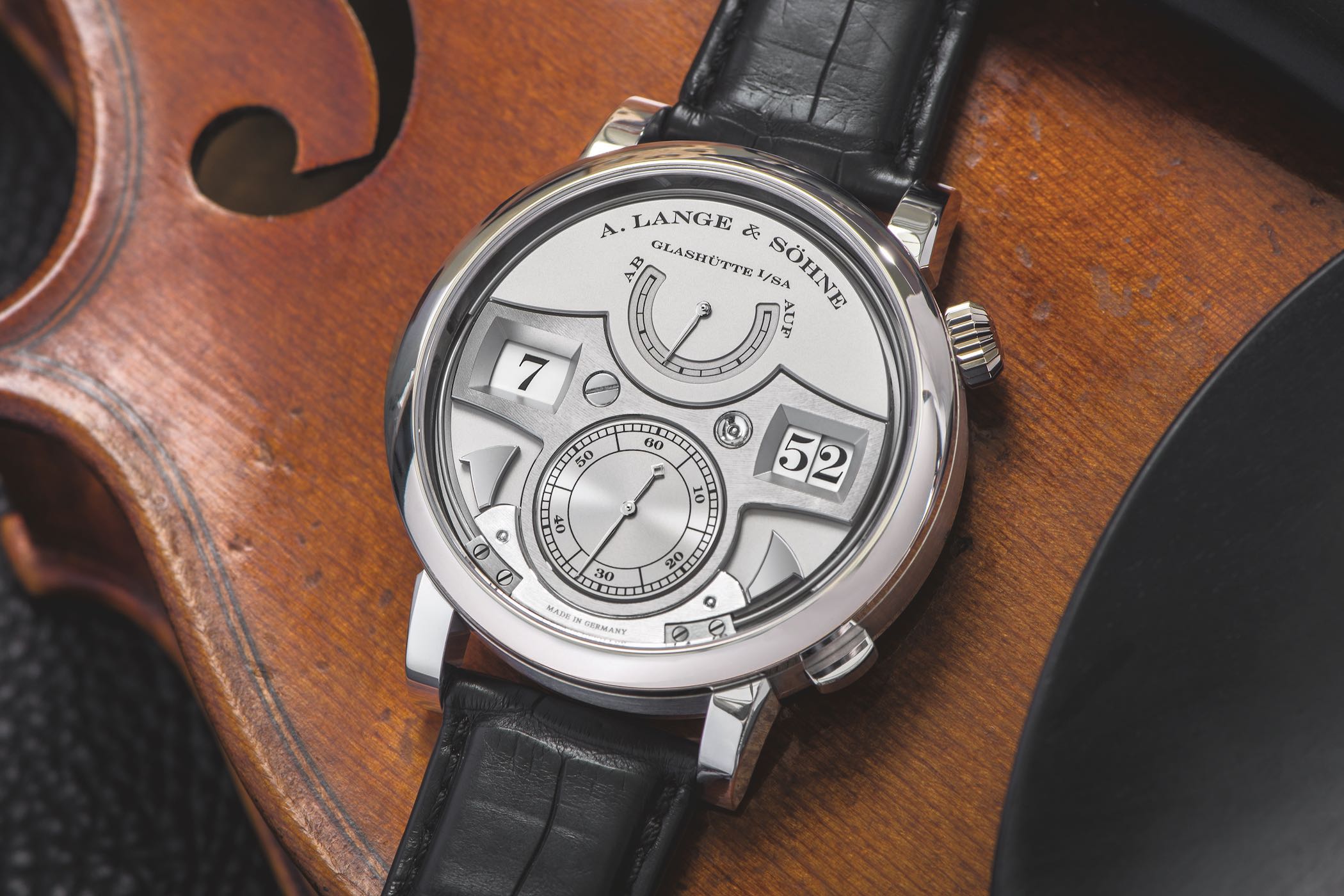
- October 1994: A. Lange & Söhne unveils its modern collection, featuring the iconic Lange 1 with its asymmetrical dial, outsize date, and German silver three-quarter plate.
- 2008–Present: Historic brands like Moritz Grossmann are revived by Christine Hutter, while independent makers and tool-watch specialists like Sinn and Tutima continue to expand global market share.
Supporting Data: Regional Hubs and Technical Innovations
German horology is defined by distinct geographical specializations and pioneering technical contributions that set its manufacturing philosophy apart from Swiss traditions.

Regional Specialization Matrix
- Nuremberg: Birthplace of portable time (Nuremberg Eggs).
- The Black Forest: Renowned for wood-beam clocks, stone weights, and the invention and mass production of the mechanical cuckoo clock.
- Pforzheim: Historically known as the "Golden City" and "Little Geneva," specializing in jewellery, vocally trained craftsmanship, Bauhaus dials, and wartime pilot watches (Laco, Stowa).
- Glashütte: The undisputed epicenter of German haute horology, home to A. Lange & Söhne, Moritz Grossmann, NOMOS, Glashütte Original, and Tutima.
- Frankfurt & Schramberg: Centers for rugged tool watches (Sinn) and innovative domestic timing/Bauhaus design (Junghans).
Key Horological Innovations
- The Three-Quarter Plate: Replaced individual, fragile movement bridges with a single large plate spanning approximately 75% of the caliber, significantly enhancing stability and durability.
- Metric Standardization: Ferdinand Adolph Lange pioneered the use of millimeters as a base unit in German watchmaking over a decade before Saxony officially adopted the metric system.
- The Swing System: Developed by NOMOS in 2014, representing an in-house escapement featuring a heat-treated blued hairspring.
- Tool Watch Engineering: Sinn’s introduction of German submarine steel cases, TEGIMENT scratch-resistance, and Ar-Dehumidifying technology.
Official Responses and Industry Perspectives
The resurgence of the German watchmaking sector over the past three decades has prompted significant commentary from industry leaders, historians, and corporate stakeholders.

When reflecting on the post-reunification rebirth of A. Lange & Söhne, the late co-founder Günter Blümlein frequently emphasized that true luxury watchmaking requires absolute fidelity to historical roots combined with uncompromised mechanical integrity. The decision to base manufacturing entirely within Glashütte—rather than outsourcing component production—cemented the brand’s credibility among international collectors.
Similarly, Christine Hutter, founder and CEO of Moritz Grossmann, has noted that reviving a dormant 19th-century marque relies on balancing traditional hand-finishing techniques with modern entrepreneurial vision: "We do not seek to replicate the past blindly; we honor the philosophy of master watchmakers like Moritz Grossmann by pushing the boundaries of what artisanal precision can achieve today."

From a commercial perspective, the integration of historic Glashütte houses into larger luxury conglomerates—such as Richemont’s acquisition of A. Lange & Söhne and the Swatch Group’s ownership of Glashütte Original—has provided the necessary financial backing to compete globally while preserving local manufacturing autonomy. Independent brands like NOMOS and Sinn demonstrate that market viability can also be achieved through vertically integrated, in-house production models that offer exceptional value and uncompromising functional design.
Implications for the Global Watch Industry
The enduring legacy of German watchmaking carries profound implications for the global horological landscape. Germany remains the sole nation operating on an absolute parity with Switzerland in the high-end, in-house mechanical production tier.
Economic and Cultural Impact
The post-Cold War revival of Glashütte and Pforzheim proved that historical prestige could be successfully reclaimed through targeted vocational training, localized craftsmanship, and strict regulatory standards. Schools modeled after Moritz Grossmann’s 1878 institution—such as the Alfred Helwig School of Watchmaking—ensure a continuous influx of international talent, safeguarding rare hand-finishing crafts like hand-engraved balance cocks and black polishing.
Market Positioning
While Swiss watchmaking leans heavily on heritage, marketing narrative, and widespread consumer recognition, German manufacturers have cultivated a reputation for austere technical purity, functional design, and distinct aesthetic signatures (such as German silver plates, three-quarter architecture, and stark Bauhaus typography). From entry-level in-house calibers produced by NOMOS to ultra-complicated grand complications by A. Lange & Söhne and robust military-spec tool watches by Sinn and Hanhart, the German sector proves that innovation is not bound by Swiss borders.
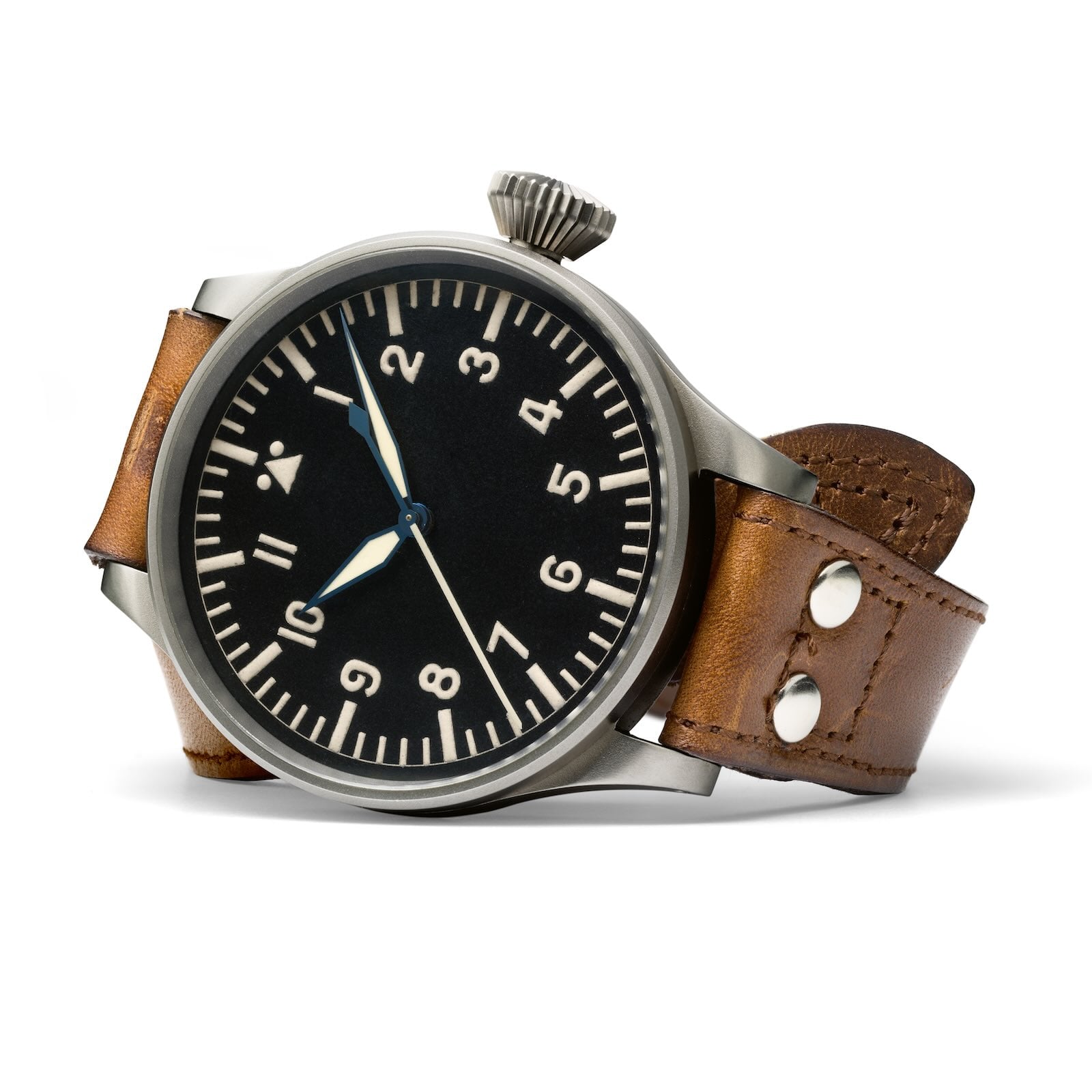
Ultimately, the market validates Peter Henlein’s 16th-century breakthrough: Germany did not merely participate in the history of portable time—it authored its very first chapter.