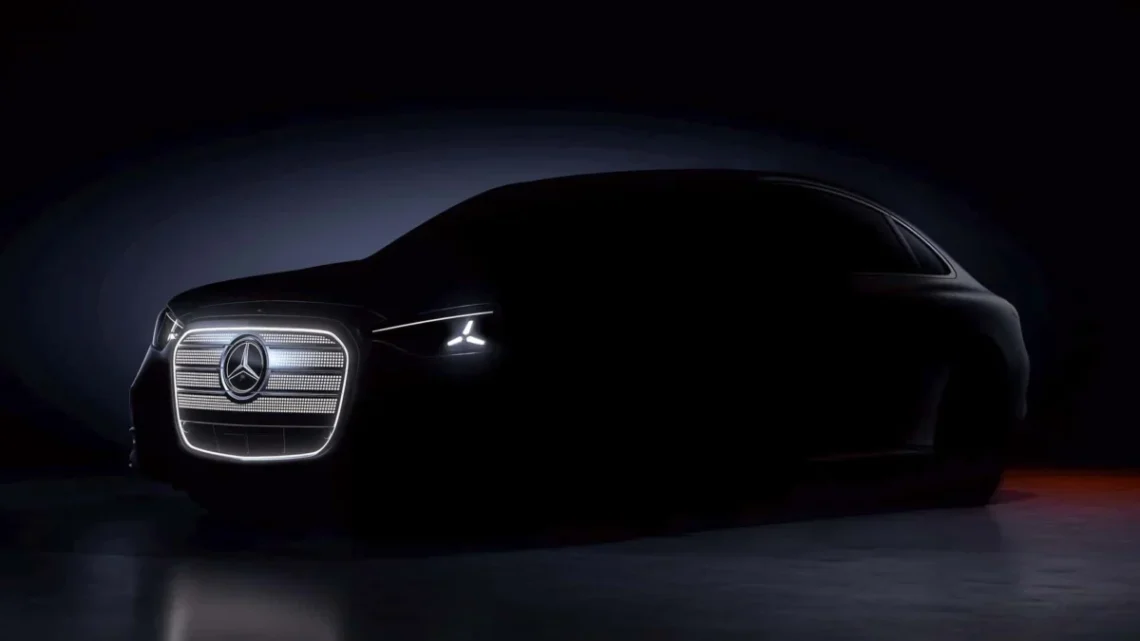
STUTTGART, Germany — As Mercedes-Benz prepares to celebrate a historic milestone—its 140th anniversary in 2026—the venerable German luxury automaker has made it abundantly clear that it has no intention of resting on its laurels. Far from pumping the brakes during a transitional era for the global automotive industry, Stuttgart is accelerating into the future with a staggering product offensive.
By the end of 2027, Mercedes-Benz plans to roll out at least seven major new models globally, with a pipeline that hints at even more derivative vehicles waiting in the wings. This aggressive strategy underscores a pragmatic yet forward-thinking corporate philosophy: while battery-electric vehicles (BEVs) will command a major share of the spotlight, traditional internal combustion engines (ICE)—particularly silky inline-six and thunderous V8 powerplants—are far from dead. Instead, they are evolving, receiving sophisticated electrification treatments to comply with stringent emissions regulations without sacrificing the visceral performance that enthusiasts demand.
Main Facts: The 2027 Product Portfolio at a Glance
Mercedes-Benz’s upcoming product roadmap reveals a bifurcated platform strategy. The company is actively splitting its vehicle architectures: dedicated electric platforms will underpin zero-emission derivatives, while heavily updated or newly engineered multi-energy and ICE platforms will sustain traditional internal combustion and hybrid buyers.
The core highlights of the upcoming 2027 rollout include:
- Mercedes-Benz A-Class: A surprise stay of execution for the entry-level nameplate, featuring a retro-inspired, minivan-crossover silhouette and an expected late-2027 debut.
- Mercedes-Benz "Baby" G-Class: A scaled-down, highly capable off-roader blending boxy G-Wagen styling with a modified MMA platform.
- Mercedes-AMG C-Class: The prospective return of six-cylinder power via the C53 AMG, alongside intriguing whispers regarding a V8 resurrection for the C63.
- Next-Generation E-Class EV: An all-electric iteration designed on the MB.EA-M architecture, effectively succeeding the EQE.
- Mercedes-AMG G63 Cabriolet: The beloved, wind-in-your-hair V8 off-roader makes a triumphant return to the niche luxury market.
- Mercedes-Benz GLA Hybrid: A 1.5-liter four-cylinder electrified powertrain pairing gas efficiency with short-range EV capability.
- Mercedes-Benz GLC & GLC Coupe: A comprehensive generational refresh offering mild-hybrid gasoline, turbodiesel, and high-range plug-in hybrid options.
Chronology and Expected Rollout
The timeline leading up to the close of 2027 is tightly packed, reflecting an industrial engine operating at maximum capacity.
Early 2027: The Hybrid and Performance Expansion
The calendar year 2027 kicks off with a heavy focus on hybrids and high-performance variants. Early in the year, the Mercedes-Benz GLA Hybrid is slated to debut, introducing a 1.5-liter four-cylinder engine mated to a 22.0-kilowatt electric motor. This system mirrors the setup seen in the CLA, designed to handle daily commuting via short-range electric driving while relying on the internal combustion engine for longer hauls.
Concurrently, performance enthusiasts can expect the rollout of the Mercedes-AMG C-Class variants. Following customer backlash and lukewarm market reception regarding the four-cylinder plug-in hybrid setup in the current C63, Mercedes-AMG is reportedly reintroducing multi-cylinder architecture. The C53 AMG will lead this charge with a 3.0-liter turbocharged inline-six, paving the way for further performance announcements later in the cycle.
Mid to Late 2027: Iconic Off-Roaders and Next-Gen Core Models
As the year progresses, the focus shifts toward halo vehicles and foundational high-volume pillars. The Mercedes-AMG G63 Cabriolet is projected to touch down, bringing back the fabric-top V8 layout that has long captured the imaginations of ultra-luxury buyers.
Toward the tail end of 2027, Stuttgart will pull the wraps off some of its most pivotal volume and strategic products:
- The All-New A-Class: Originally slated for permanent discontinuation in Europe, the entry-level vehicle has secured a new lease on life, with its next-generation successor expected to break cover by late 2027.
- The "Baby" G-Class: The spiritual successor to the brand’s rugged heritage on a compact scale is scheduled for a late-2027 reveal, bringing down-sized G-Wagen capability to a broader audience.
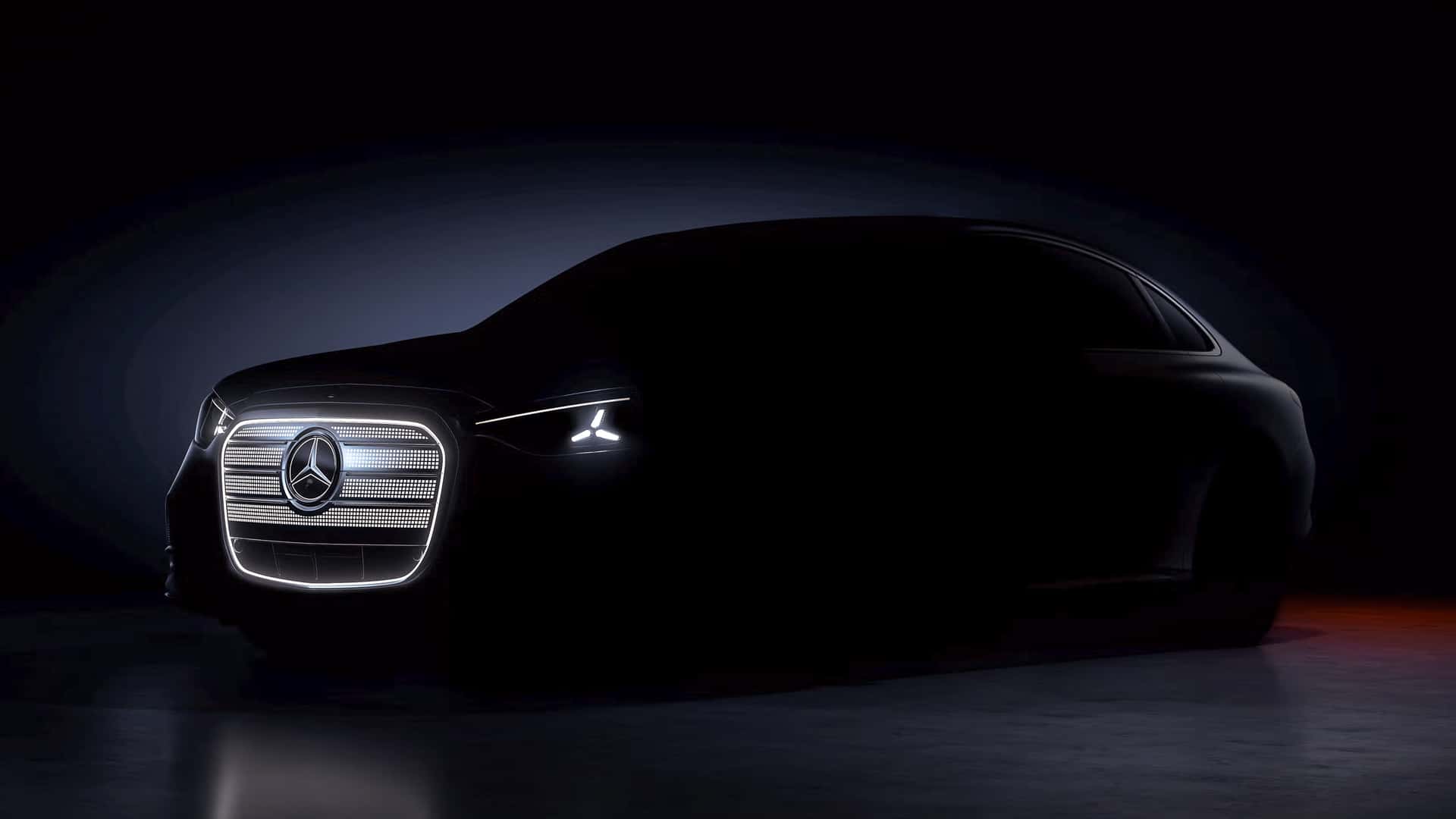
- The Electric E-Class: Marking the conceptual phase-out of the EQ nomenclature in favor of mainstream branding tied to specific vehicle lines, the electric E-Class will establish its presence on the MB.EA-M platform.
Supporting Data and Technical Architecture
To understand how Mercedes-Benz can afford to simultaneously develop pure electric vehicles, plug-in hybrids, mild-hybrids, and twin-turbo V8s, one must examine the underlying modular platforms driving this product offensive.
Platform Flexibility
- MMA Platform (Mercedes Modular Architecture): Originally built to prioritize compact electric vehicles, the MMA platform has proven remarkably versatile. It will serve as the structural backbone for the upcoming entry-level A-Class, the GLA hybrid variants, and crucially, the scaled-down "Baby" G-Class. Engineers have adapted the architecture to support standard all-wheel drive and off-road geometry required for the smaller G-Wagen, proving that unibody-derived platforms can wear rugged hats.
- MB.EA-M Architecture: Dedicated to mid-size luxury electric vehicles, this platform underpins the upcoming electric E-Class variations (sedan and wagon), ensuring optimal battery packaging, aerodynamic efficiency, and seamless software integration.
Powertrain Breakdown
- Inline-Six Revival: The turbocharged 3.0-liter inline-six—famously deployed in the CLE 53 AMG—puts out an impressive 449 horsepower and 443 pound-feet of torque. This engine will anchor the upcoming C53 AMG.
- The V8 Dilemma: While strict Euro 7 and global emissions frameworks penalize large-displacement engines, consumer demand in key markets like North America and the Middle East has kept the 4.0-liter twin-turbo V8 alive. The upcoming G63 Cabriolet will utilize this engine to churn out 612 horsepower, while rumors persist regarding whether a V8 can be packaged into future flagship performance sedans.
- Plug-In Hybrid Efficiency: For the upcoming GLC and C-Class variants, Mercedes is deploying advanced PHEV systems utilizing a 19.5-kilowatt-hour battery pack. This layout targets an impressive estimated all-electric range of approximately 62 miles (100 kilometers), allowing owners to complete daily commutes without consuming a drop of gasoline.
Official Responses and Corporate Strategy
Corporate leadership at Mercedes-Benz has consistently emphasized "flexibility" as the cornerstone of their modern survival and dominance strategy. Speaking on condition of anonymity due to upcoming official product launches, high-ranking product planners within Stuttgart noted that rigid electrification timelines—such as the company’s previous ambition to go "all-electric" by 2030 where market conditions allow—have been pragmatically adjusted to mirror consumer reality.
"Our customers dictate the pace, and our engineering prowess provides the answer," a senior Mercedes-Benz insider shared. "Whether a buyer wants a whisper-quiet electric vehicle, a high-efficiency plug-in hybrid, or the unmistakable acoustics of an electrified six- or eight-cylinder engine, Mercedes-Benz will offer a world-class solution in every single segment."
This customer-centric, multi-pathway approach ensures that the brand does not alienate legacy performance buyers while aggressively capturing early adopters in the EV space. By utilizing shared styling languages across both combustion and electric variants—as seen with the transition from the CLA and GLA to the upcoming GLC—Mercedes ensures brand continuity without forcing buyers onto platforms they may not yet be ready to adopt.
Implications: What This Means for the Luxury Automotive Market
The sheer volume and breadth of Mercedes-Benz’s 2027 product offensive carry profound implications for the global luxury automotive sector.
1. Putting Pressure on Competitors
BMW and Audi are locked in their own fierce battles for luxury supremacy, but Mercedes’ simultaneous refresh of entry-level icons (A-Class, Baby G), core volume sellers (GLC, E-Class), and high-margin halo cars (G63 Cabriolet) places unprecedented pressure on its Munich and Ingolstadt rivals. Competitors will be forced to match the sheer variety of powertrain options—spanning gas, hybrid, and electric—to prevent customer bleed.
2. Safeguarding Heritage in a Digital Age
By keeping multi-cylinder engines alive and bringing back emotional vehicles like the G-Class Cabriolet and potentially a V8-powered C-Class variant, Mercedes is proving that the transition to electrification does not require the complete erasure of automotive soul. The clever integration of mild-hybrid technology and electric turbocharging allows traditional performance credentials to survive legislative crackdowns.
3. Redefining Entry-Level Luxury
The decision to reverse course on the European A-Class discontinuation and introduce a retro-modern, crossover-minivan aesthetic proves that automakers are re-evaluating profitability at the bottom of the luxury pyramid. Coupled with the highly anticipated "Baby" G-Class—projected to be roughly 14.4 feet long (about 12 inches shorter than the full-size G-Wagen)—Mercedes is opening up new demographic frontiers for younger, aspirational luxury buyers.
As Mercedes-Benz bridges its glorious 140-year heritage with the dawn of a new technological era in 2027, the message to the automotive world is unequivocal: the three-pointed star is not just adapting to the future; it intends to command it.