Every query entered into an AI chatbot—whether it is a simple request for a recipe, a complex coding task, or the generation of a corporate sustainability report—triggers a cascade of activity in massive, energy-intensive data centers. While the digital nature of artificial intelligence often masks its physical footprint, the environmental cost is both real and escalating. Beyond the well-documented carbon emissions, AI’s reliance on electricity and water-intensive cooling systems exerts a profound, yet notoriously difficult-to-measure, pressure on natural ecosystems.
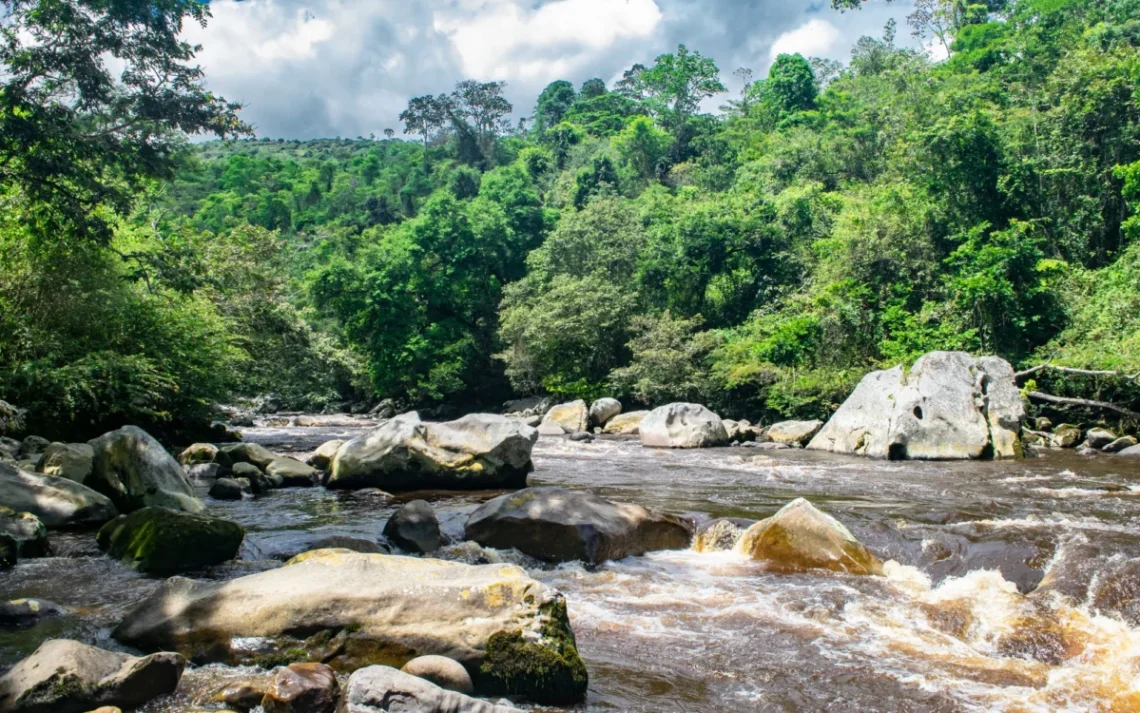
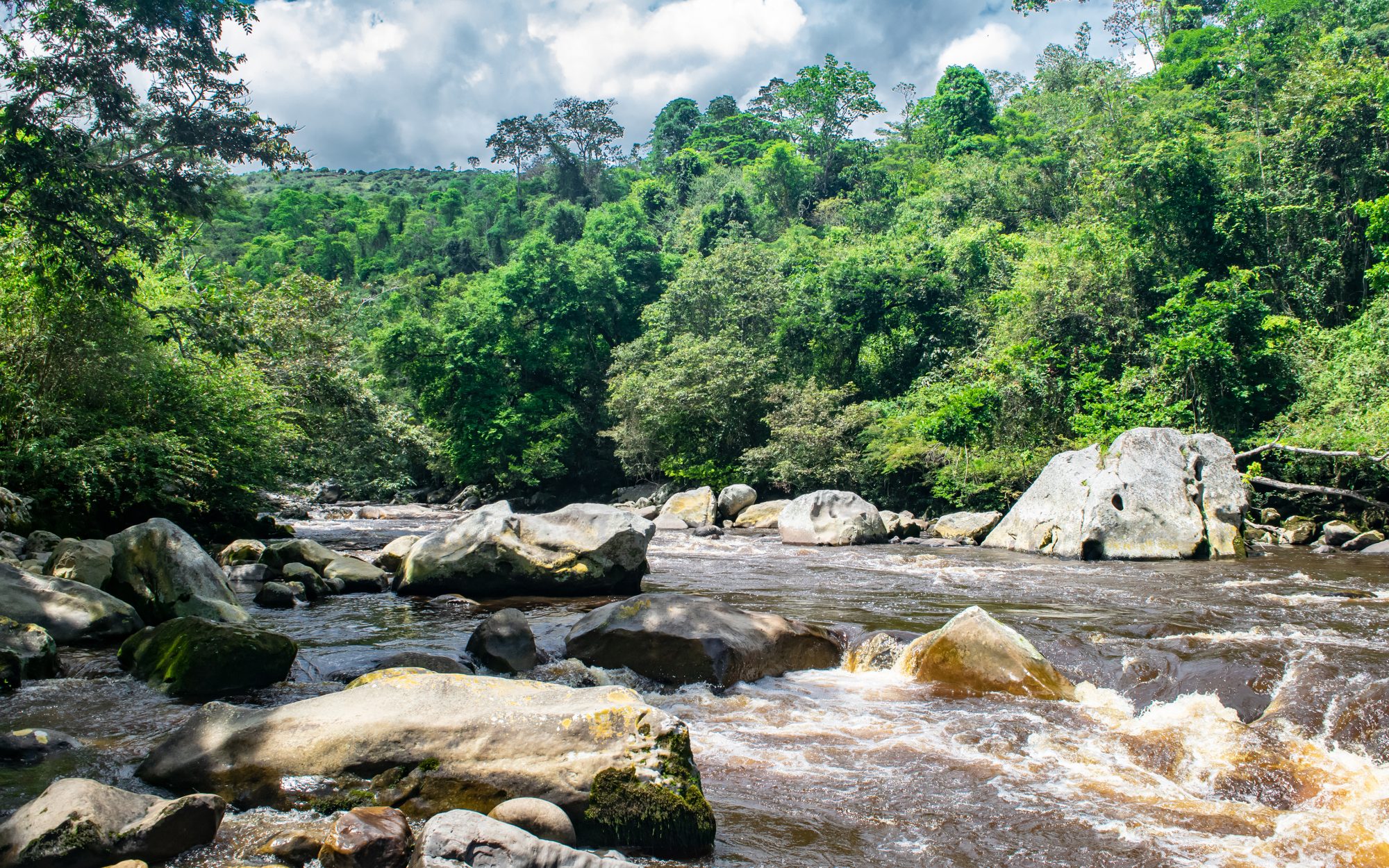
Now, a pioneering initiative from the Colombian biodiversity credit provider Terrasos is attempting to bridge this gap. By launching a service specifically designed to address the nature-related impacts of AI, the firm is providing a framework for organizations to take responsibility for their digital footprint. The Taskforce on Nature-related Financial Disclosures (TNFD), the gold standard for corporate reporting on ecological risks, has become the first to utilize this service, purchasing credits to mitigate the impact of the AI tools used in the production of its latest annual report. The revenue from these credits is directly channeled into the protection of Colombia’s vital cloud forests.
The Invisible Cost: Understanding AI’s Ecological Footprint
The growth of generative AI is inextricably linked to the physical infrastructure of the internet. Data centers, the "brains" of the AI revolution, are land-intensive, water-hungry, and energy-demanding. The ecological "friction" caused by these facilities includes habitat fragmentation, the disruption of local water tables, and the heat-island effect, all of which can degrade surrounding biodiversity.
Assessing these impacts has historically been a black box. Unlike carbon emissions, which can be calculated through standardized protocols, nature-related impacts are hyper-local. A server farm in a desert has a vastly different ecological cost than one located near a tropical rainforest or a sensitive wetland. Because the underlying hardware for AI models is often distributed across a global, shifting network of data centers, pinpointing the specific ecosystem affected by a single user query is, for now, practically impossible.
A New Methodology: The Three-Stage Assessment Process
To address this complexity, Terrasos has developed a rigorous, three-stage assessment framework designed to quantify the "nature footprint" of AI usage.
First, the methodology calculates the estimated energy consumption associated with the AI tasks performed. By analyzing the computational intensity of various LLM (Large Language Model) requests, the firm can derive a proxy for the physical resources consumed.
Second, the system maps this consumption against the average ecological footprint of modern data centers. Rather than attempting to guess the specific geographic location of every server, Terrasos applies a precautionary principle: it assumes that all data center operations have a net-negative impact on tropical forest ecosystems. This creates a standardized "baseline" of harm that allows companies to quantify their impact in a meaningful way.
Third, the firm facilitates the purchase of "Tebus"—the proprietary unit of its biodiversity credit system. These credits represent verified investments in conservation and restoration projects. By linking the volume of AI usage to a specific financial contribution, Terrasos provides a pathway for companies to transition from "neutrality" to "proportional responsibility."
Chronology of an Emerging Market
The evolution of the biodiversity credit market has been accelerated by the urgent need for corporate accountability.
- Pre-2023: The market for biodiversity was largely limited to localized compliance-based offsets, primarily in South American infrastructure projects where developers were legally required to mitigate the damage caused by road or dam construction.
- Early 2024: As the AI boom intensified, corporate sustainability officers began expressing concerns about the "hidden" nature impacts of their digital transformation strategies.
- Mid-2024: Terrasos began testing its Tebu framework, specifically targeting the intersection of high-compute AI usage and biodiversity protection.
- Late 2024: The TNFD makes its historic purchase, effectively signaling that the world’s leading standards body for nature-related disclosures is ready to put its own house in order.
- Current Status: Terrasos is actively expanding, with partnerships in development involving major multinational corporations like the Brazilian cosmetics giant Natura, which seeks to protect the specific ecosystems from which it sources its botanical ingredients.
Don’t Call Them Offsets: A Semantic and Strategic Shift
A critical element of the Terrasos strategy is the explicit rejection of the term "offset." In the world of carbon, an offset implies a "one-to-one" substitution: if I emit a ton of carbon, I pay for a ton of carbon to be sequestered elsewhere.
Mauricio Serna, the Brazil country manager for Terrasos, argues that this model is fundamentally flawed when applied to nature. "Claiming a Tebu as an asset similar to a carbon credit would be problematic in that we don’t know where the impact is being produced, and we are not compensating with a like-by-like ecosystem," Serna explained.
Because it is impossible to know which data center executed a specific query—or to ensure that a project in the Colombian cloud forest perfectly "replaces" the biodiversity lost in a data center’s cooling system—Terrasos frames Tebus as a "contribution."
This distinction is crucial. By moving away from the "offset" narrative, companies avoid the traps of greenwashing that have plagued the voluntary carbon market. Instead of claiming they have "canceled out" their impact, they are acknowledging their footprint and contributing to a net-positive outcome.
Expert Perspective: Valuing Natural Systems
Martin Stuchtey, a former senior partner at McKinsey and an influential voice in natural capital accounting, views this shift as a significant maturation of the sustainability sector.
"The voluntary carbon market is centered on the idea that the harm comes before the good," Stuchtey notes. "This creates a reactive, defensive mindset." By framing nature credits as a voluntary contribution rather than a mandatory compensation, companies are encouraged to think more holistically. "It opens up the idea that companies can pursue a ‘nature-positive’ approach that actively rebuilds ecosystems rather than just trying to maintain the status quo," he adds.
Stuchtey emphasizes that the goal should not be to achieve perfect scientific parity between a query and a tree, but to mobilize private capital toward the protection of the biosphere at a scale that public funding alone cannot achieve.
Implications for Corporate Strategy
The implications of this model for the tech industry and its users are far-reaching.
For Tech Giants
Companies operating massive data center infrastructures will likely face increasing pressure to adopt similar transparent reporting frameworks. If a company like the TNFD is willing to purchase credits for its AI usage, it sets a precedent that will likely be followed by other ESG-conscious organizations. Over time, we may see "nature-positive" compute tiers, where AI service providers offer customers the option to automatically pay for biodiversity credits linked to their usage.
For Regulators and Standards Bodies
The move by the TNFD is a watershed moment. As international standards for nature-related financial disclosures evolve, the mechanisms used by Terrasos will likely be scrutinized and potentially codified. The challenge for regulators will be to ensure that these contributions are verifiable and that the funds are genuinely reaching local communities and conservationists on the ground.
For the Future of AI
The AI sector is currently in a phase of rapid expansion where performance is the only metric that matters. However, as the energy and resource intensity of these models becomes a point of public and regulatory contention, the ability to account for ecological costs will become a competitive advantage. Companies that can demonstrate a commitment to "nature-positive AI" will be better positioned to navigate future ESG reporting requirements and consumer scrutiny.
The Road Ahead
The collaboration between the TNFD and Terrasos represents a critical, if early, step in reconciling the digital age with the biological world. While a "Tebu" cannot replace the exact habitat lost to the construction of a server rack, it represents a commitment to the reality that our virtual lives have a physical, biological cost.
As the AI industry continues to scale, the question of whether it can exist in harmony with the natural world will become increasingly central to its success. By treating biodiversity not as a hurdle to be cleared, but as a system to be invested in, the tech industry may finally find a way to grow without exhausting the planet that sustains it. The era of the "invisible" digital footprint is coming to an end; the era of radical transparency and active restoration is just beginning.