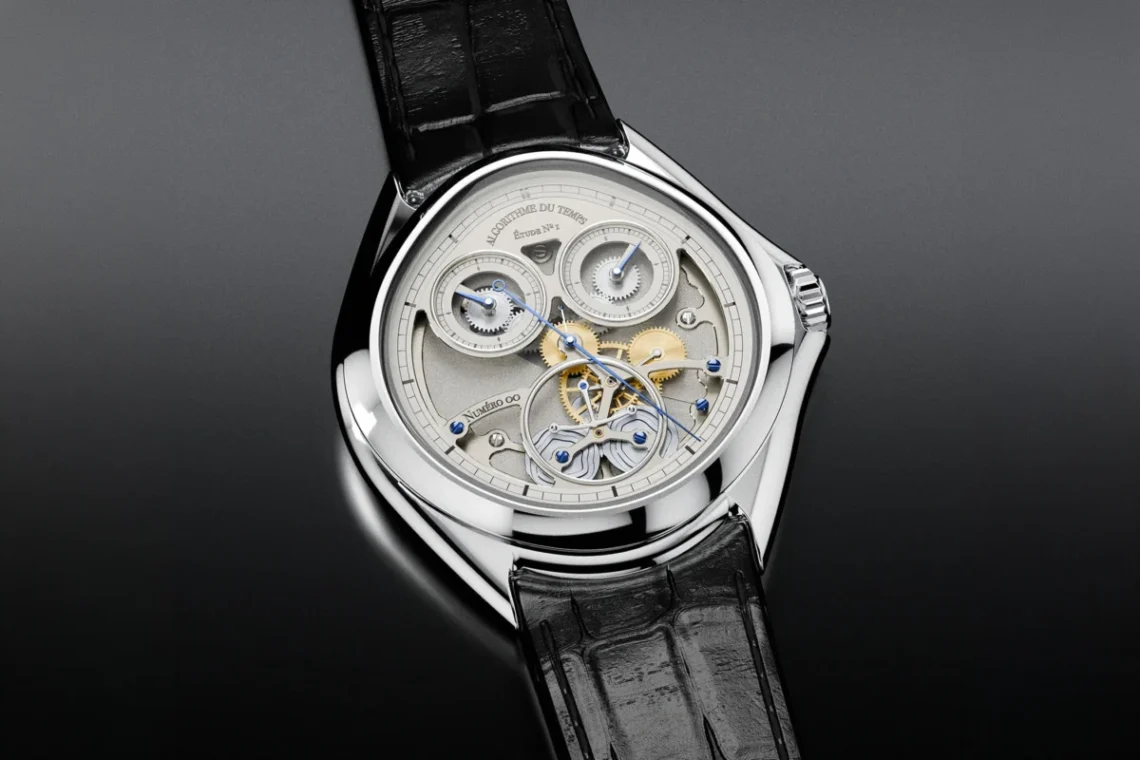
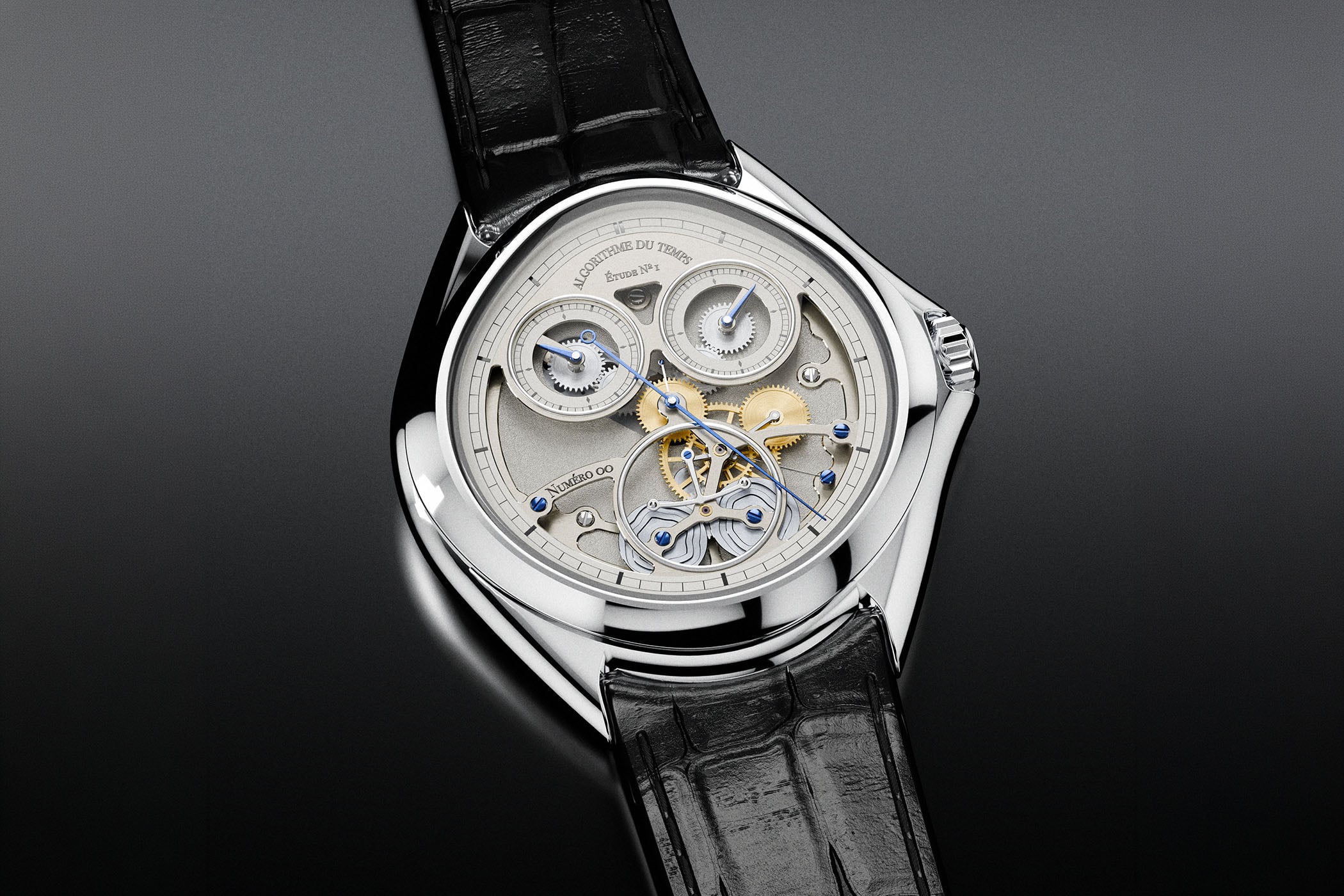
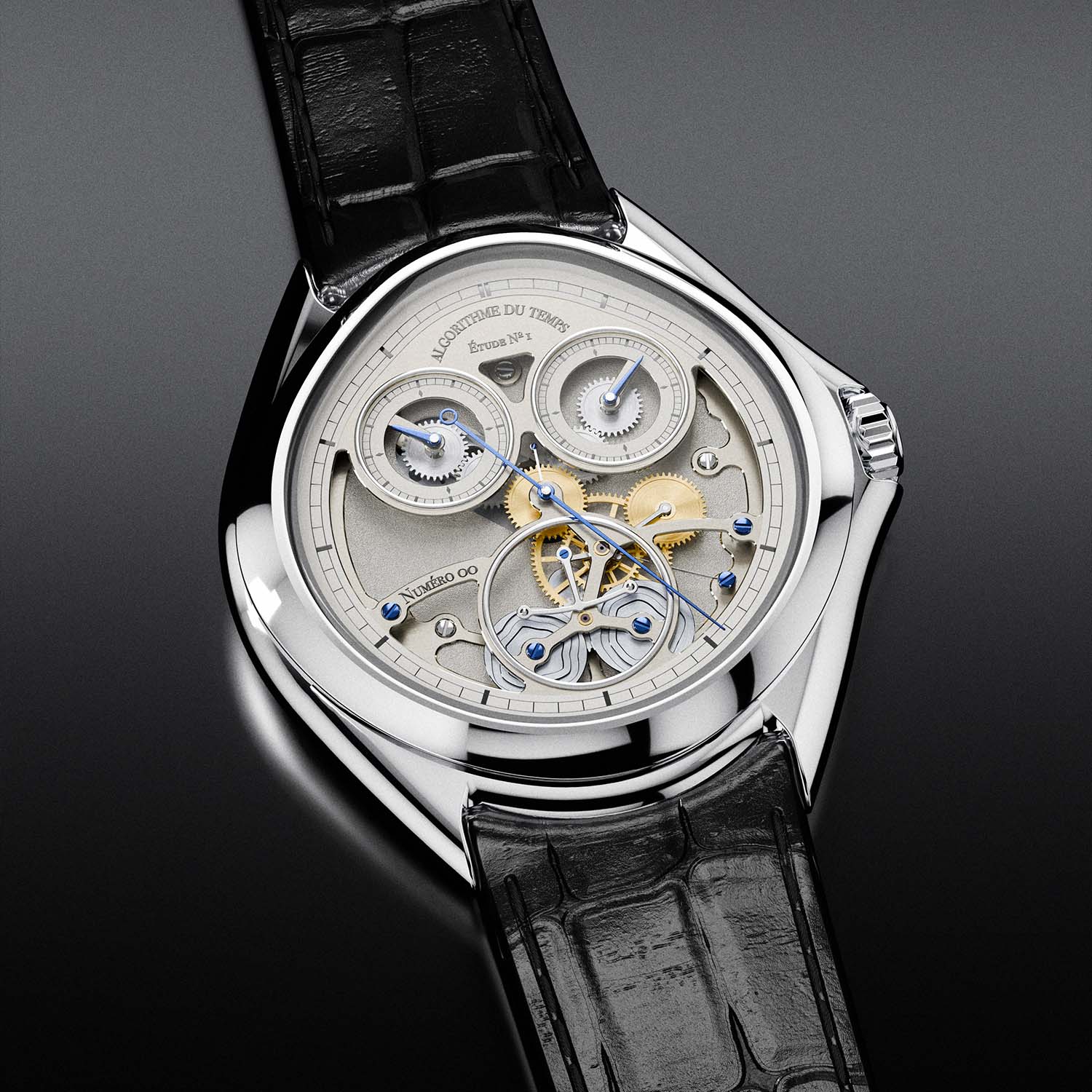
In the rigidly structured universe of high horology, where brands vie for micro-seconds of precision, absolute isochronism, and flawless mechanical compliance, a new independent venture has chosen to question the very fabric of how we experience duration. Nadim Elgarhy, a computer engineer turned independent horological visionary, has introduced the Algorithme du Temps Rêveries des Secondes. This avant-garde timepiece challenges the linear convention of timekeeping by featuring a central seconds hand that refuses to move at a steady pace. Instead, it wanders unpredictably—slowing to a crawl, coming to a complete halt, accelerating to triple its normal speed, and occasionally running entirely backward.
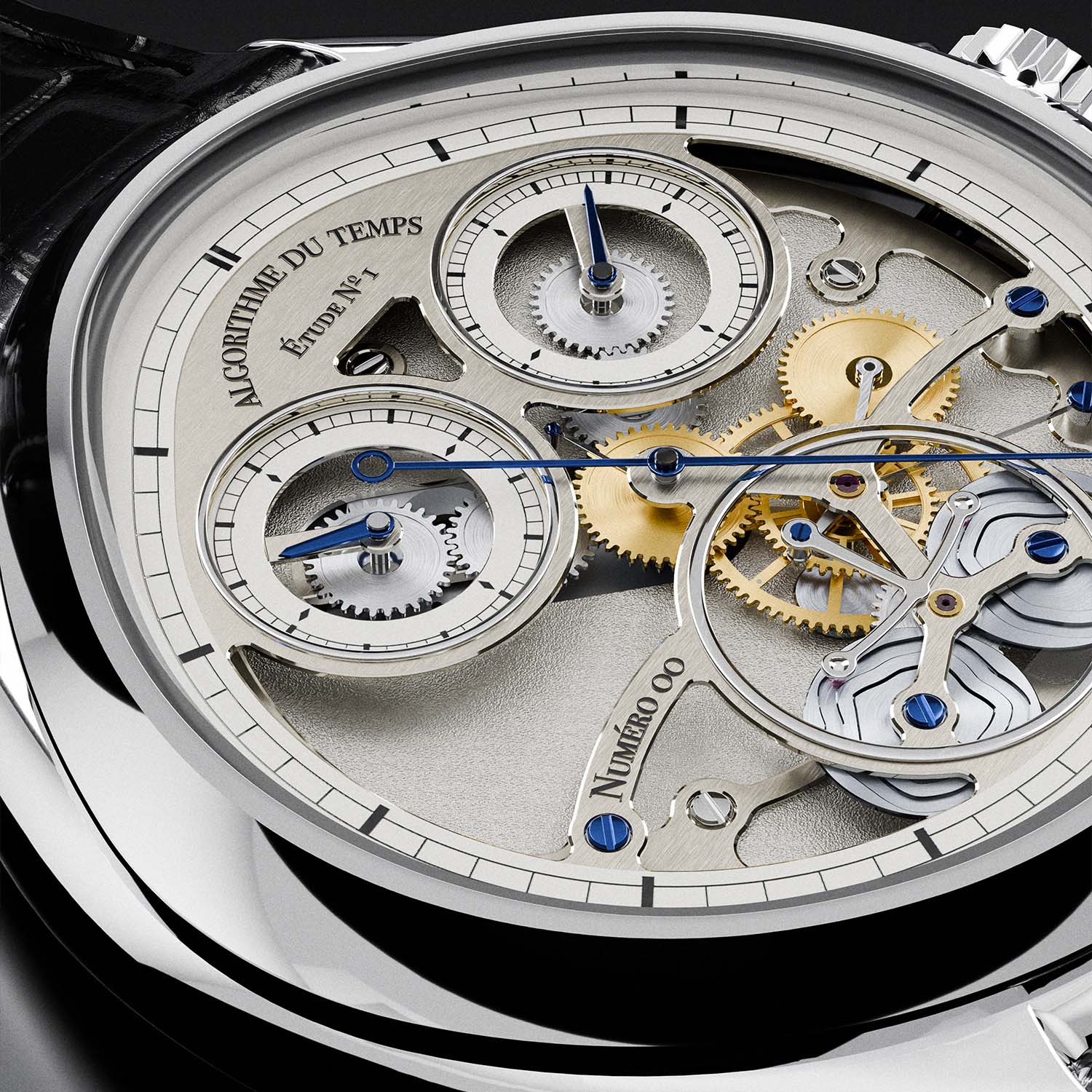
Despite its erratic choreography, the timepiece is mechanically anchored in absolute reliability. Built around a robust Sellita SW200-1 automatic base movement, the watch utilizes a proprietary mechanical module comprising two custom-computed, non-circular cams connected by a central anchor and differential. The result is a mesmerizing dance where the seconds hand deviates from standard rhythm yet unfailingly crosses the 12 o’clock position at the exact termination of every sixty-second cycle.
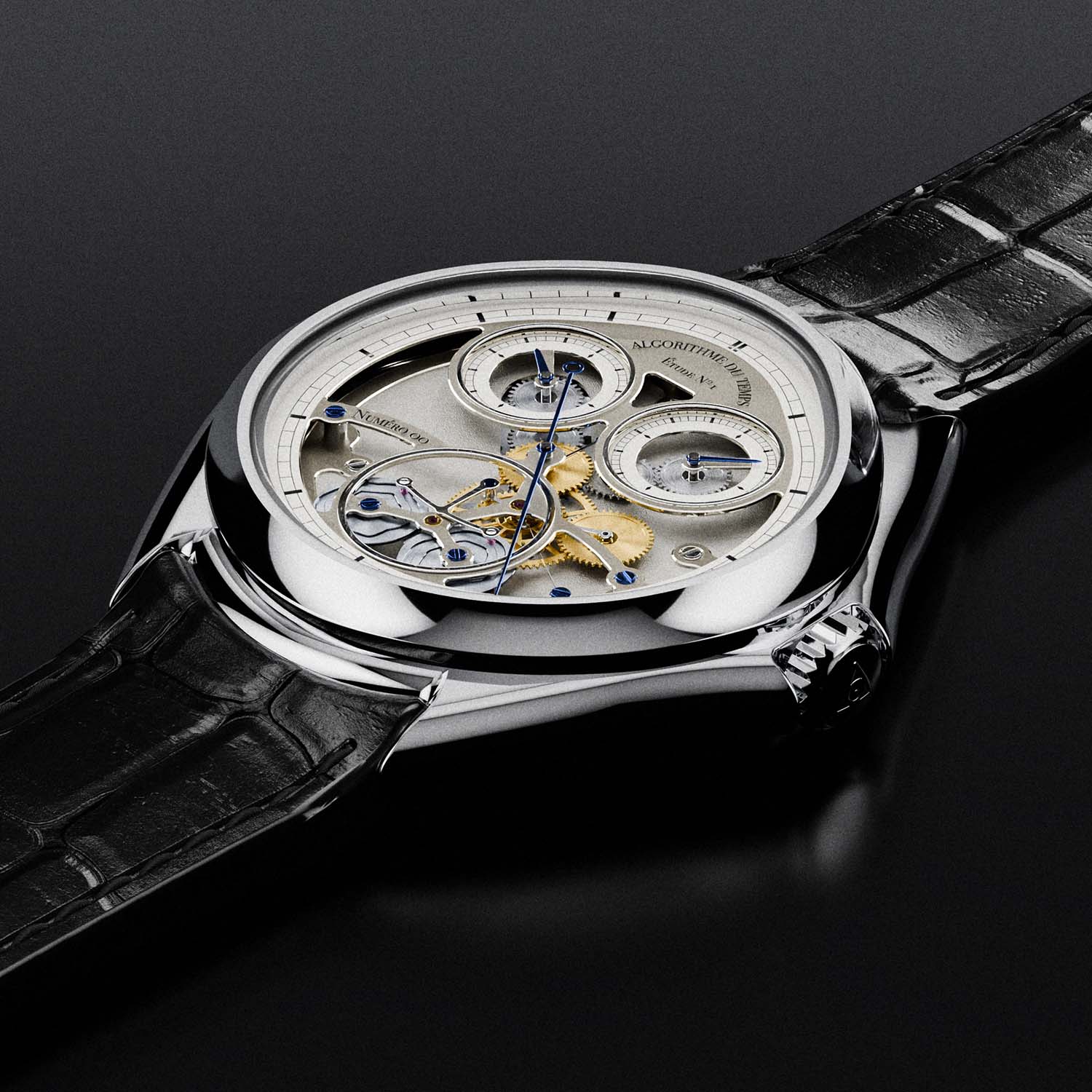
Presented in an elegant, compact 38mm 904L stainless steel ovoid case with a thickness of 10.5mm, the Rêveries des Secondes is far more than a philosophical novelty. It bridges the gap between objective, measurable time and subjective, perceived time. Initially limited to a highly exclusive run of 40 pieces—each featuring its own uniquely calculated pair of cams ensuring no two watches share the exact same second-hand pattern—the timepiece is projected to retail just under CHF 17,000 (excluding taxes).
Chronology: From Computer Engineering to Horological Philosophy
The genesis of the Algorithme du Temps Rêveries des Secondes did not begin at a traditional watchmaking bench in the Val-de-Travers, but within the abstract realms of computer engineering, algorithmic logic, and cognitive philosophy.
The Theoretical Foundation
Nadim Elgarhy approached the concept of time not through the traditional lens of gears and springs, but via theoretical inquiry. Armed with a degree in computer engineering, Elgarhy penned two critical academic papers—The Future of Time and Consciousness as a Fundamental Dimension—which laid the groundwork for his intellectual pivot toward horology. To explore these themes practically, he established a private research studio, the Bureau Privé des Études Expérimentales. Within this framework, he sought to answer a singular, poignant question: How faithfully can a watch reflect the time we actually live, the second that stretches while you wait and vanishes when you don’t?
Historical Precedents in Alternative Timekeeping
While mainstream watchmaking has relentlessly pursued linear perfection, a small lineage of horological mavericks has previously toyed with the manifestation of the seconds hand:
The Swiss Railway Clock (1940s): Designed by Hans Hilfiker, this iconic clock famously runs for 58 seconds before pausing at the 12 o’clock marker for precisely two seconds to allow the minute hand to advance.
The Corpus Clock (2008): Conceived by John C. Taylor in Cambridge, this striking public clock features an erratic mechanical movement that deliberately slows down, speeds up, and occasionally stops, aligning with correct time only once every five minutes.
Thila by Dubois Depraz (2020): Renowned module manufacturer Dubois Depraz introduced a small seconds hand designed to swing back and forth like a metronome.
The Realization of Rêveries des Secondes
Pushing these playful anomalies to a profound philosophical extreme, Elgarhy founded Algorithme du Temps. The brand set out to unite two fundamentally contradictory concepts: the rigid, standardized time we measure, and the fluid, elastic time we actually experience. After years of development, engineering, and prototyping, the Rêveries des Secondes materialized as the physical embodiment of subjective temporality, culminating in its official introduction to the independent watchmaking scene.
Supporting Data and Technical Architecture
To fully appreciate the complexity of the Algorithme du Temps Rêveries des Secondes, one must examine the intricate mechanical engineering hidden beneath its open-worked, deeply textured dial.
Movement and Power Source
Base Calibre: Sellita SW200-1 automatic movement (renowned industry workhorse, chosen for its reliability and power delivery).
Complication Module: A proprietary mechanical module mounted on top of the base caliber, dedicated entirely to the non-linear execution of the seconds hand.
The Mechanics of the Cams
The erratic, wandering motion of the central seconds hand is entirely mechanical and fully deterministic—free of any electronic microchips.
Dual-Cam System: The motion relies on two distinct cams featuring non-circular, asymmetrical profiles.
Differential Integration: These cams are linked by a central anchor that transmits their unique profiles through a differential mechanism directly connected to the central seconds hand.
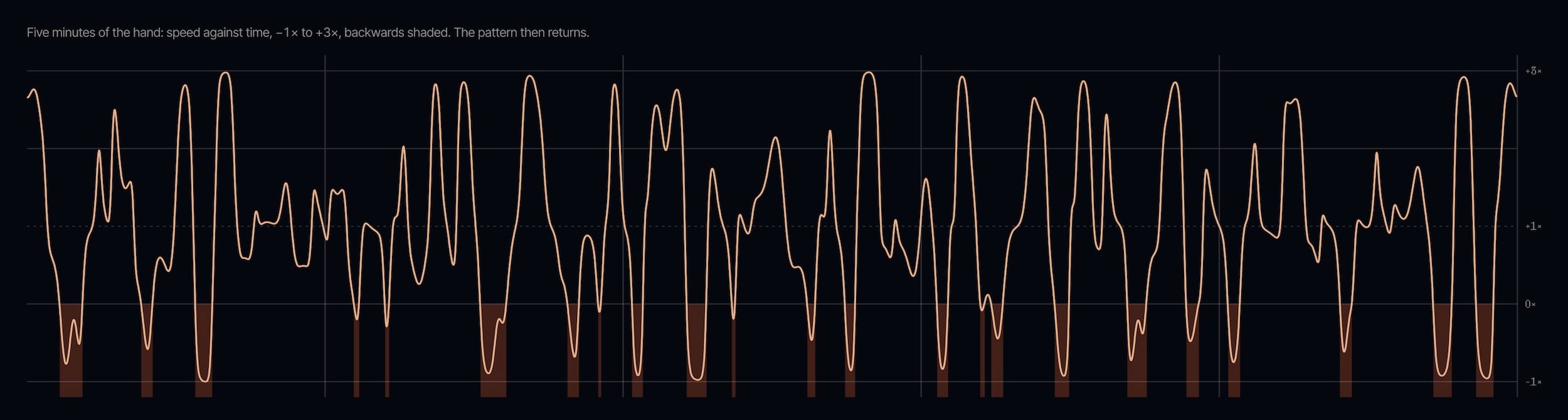
Rotation Speeds: One cam rotates on a 50-second cycle, while the other completes a rotation in 42.86 seconds. Because of these coprime rotational speeds, the two cams only align once every five minutes, meaning the entire erratic 5-minute program loops seamlessly.
Absolute Individuality: Each individual watch receives its own unique pair of mathematically computed cams. Consequently, no two Rêveries des Secondes watches share the exact same second-hand cadence, making every single piece a singular kinetic sculpture.
Statistical Breakdown of the Seconds Hand’s Behavior
During its 5-minute programmatic loop, the central seconds hand exhibits startling behaviors:
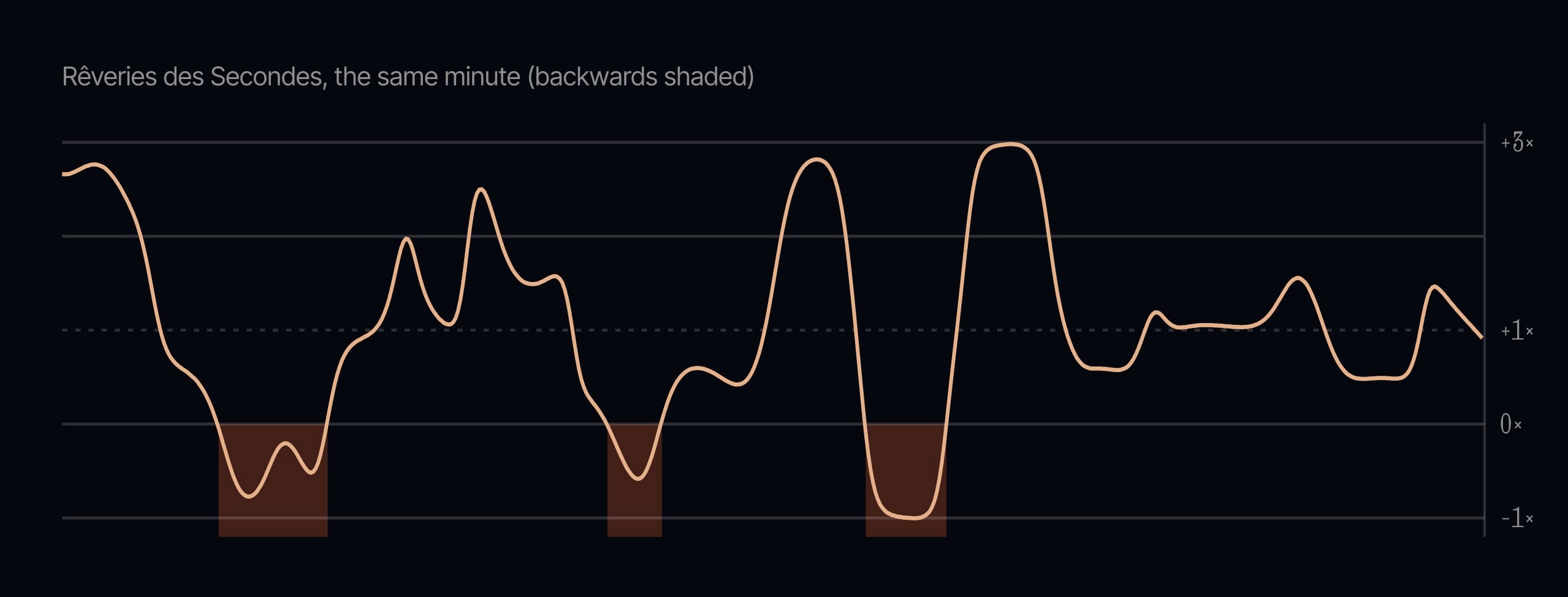
Time Spent Backward: Approximately 19% of the time, the hand travels backward against the flow of conventional time.
Directional Shifts: The hand reverses its rotational direction 46 times over the course of the 5-minute cycle.
Speed Fluctuation: It can drop significantly below standard velocity, come to a complete standstill, or race forward at up to three times normal speed.
Ultimate Accuracy: Despite these wild excursions, the differential ensures that the hand unfailingly strikes the 12 o’clock position at the completion of every 60-second interval.
Aesthetics, Display, and Case Specifications
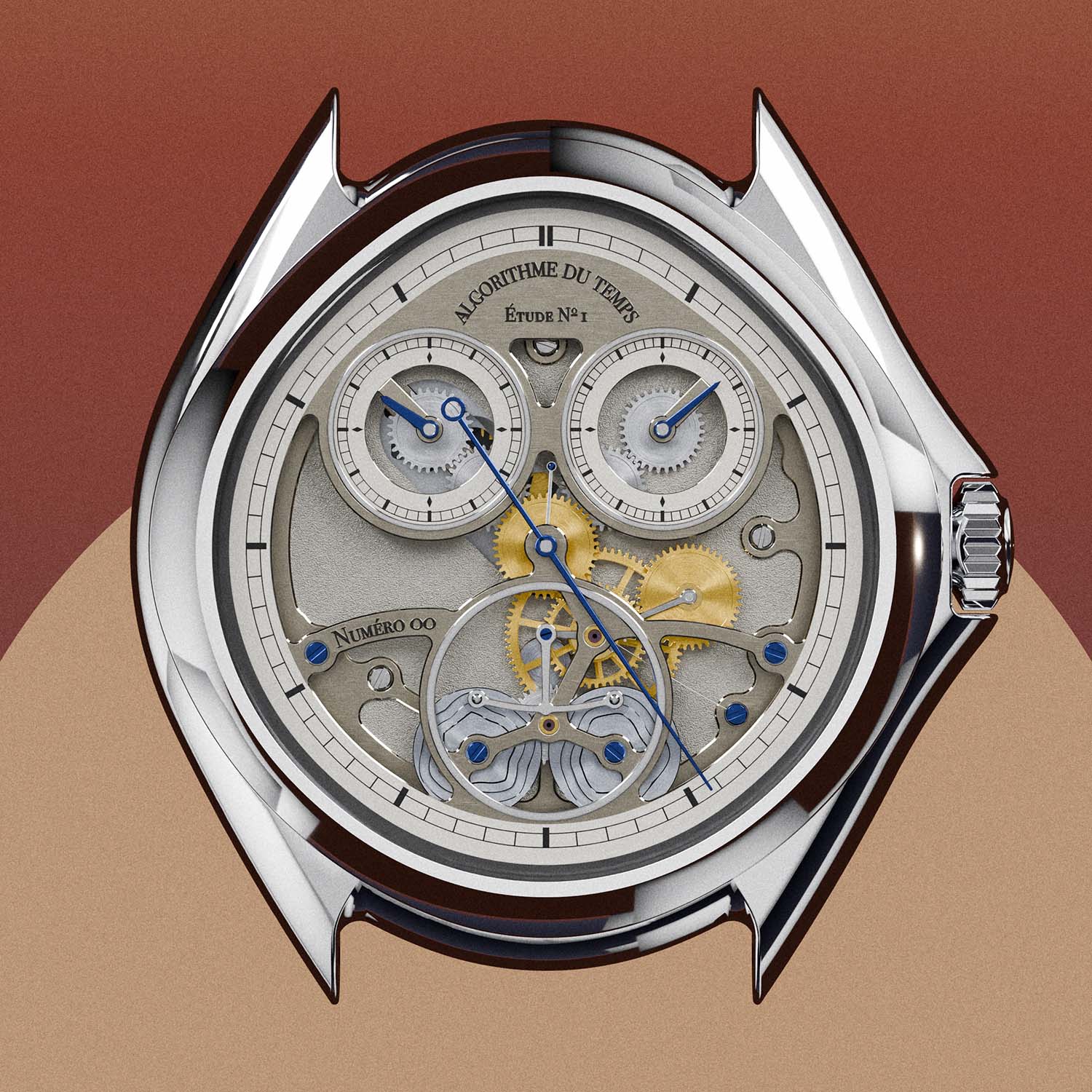
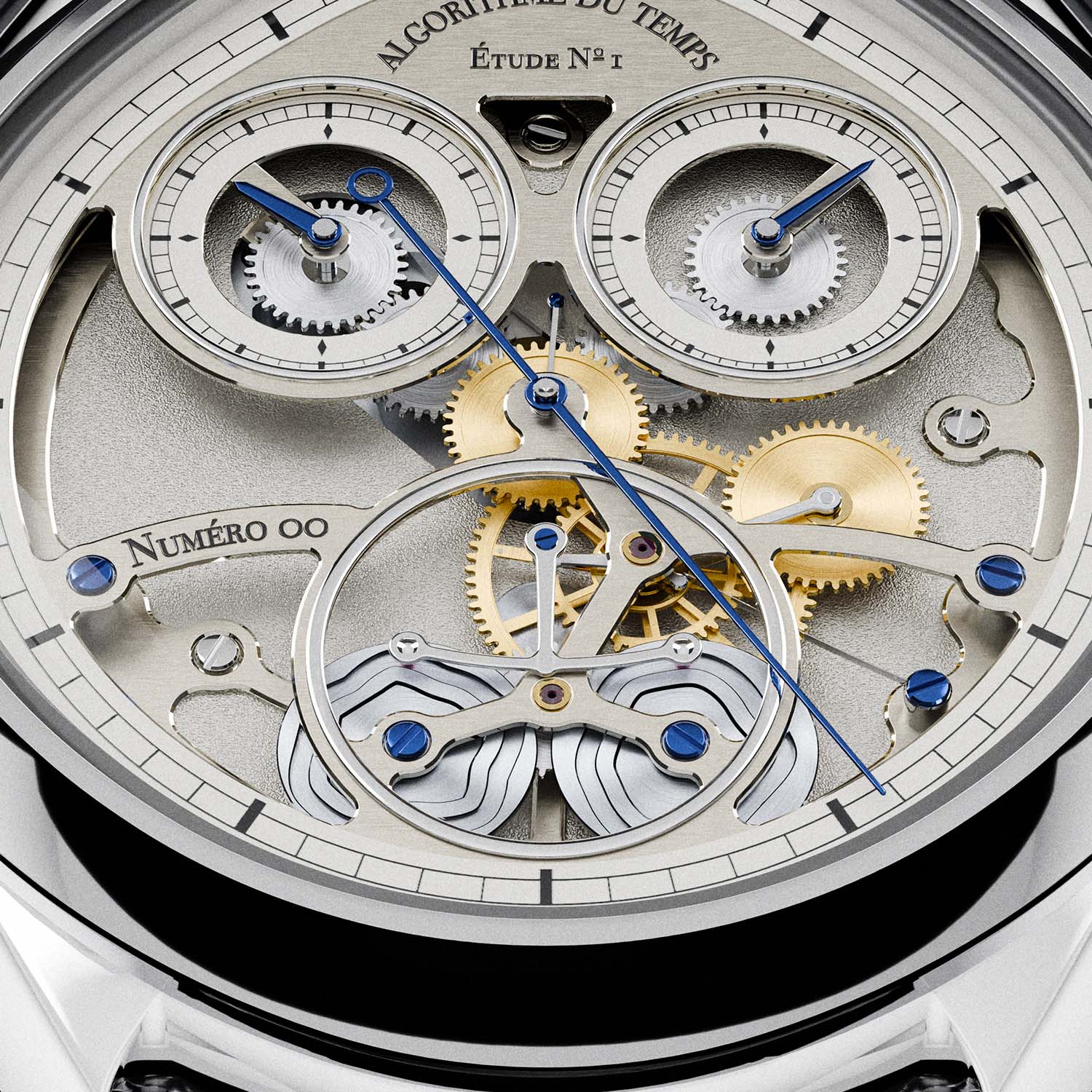
Classic Time Indications: Hours and minutes are displayed cleanly and conventionally on two off-centred sub-dials featuring blued steel hands moving in a predictable 60-minute and 12-hour circular sweep.
Dial Architecture: The baseplate features a rich, matte-grained finish, providing deep visual contrast against floating indications. The lower section of the dial is open-worked, exposing the intricate brass wheels, cam systems, and differential mechanics.
Finishing: High-end artisanal decoration includes brushed top surfaces on plates, precise anglage (bevels), chamfered and heat-blued screws, and circular-grained gear trains.
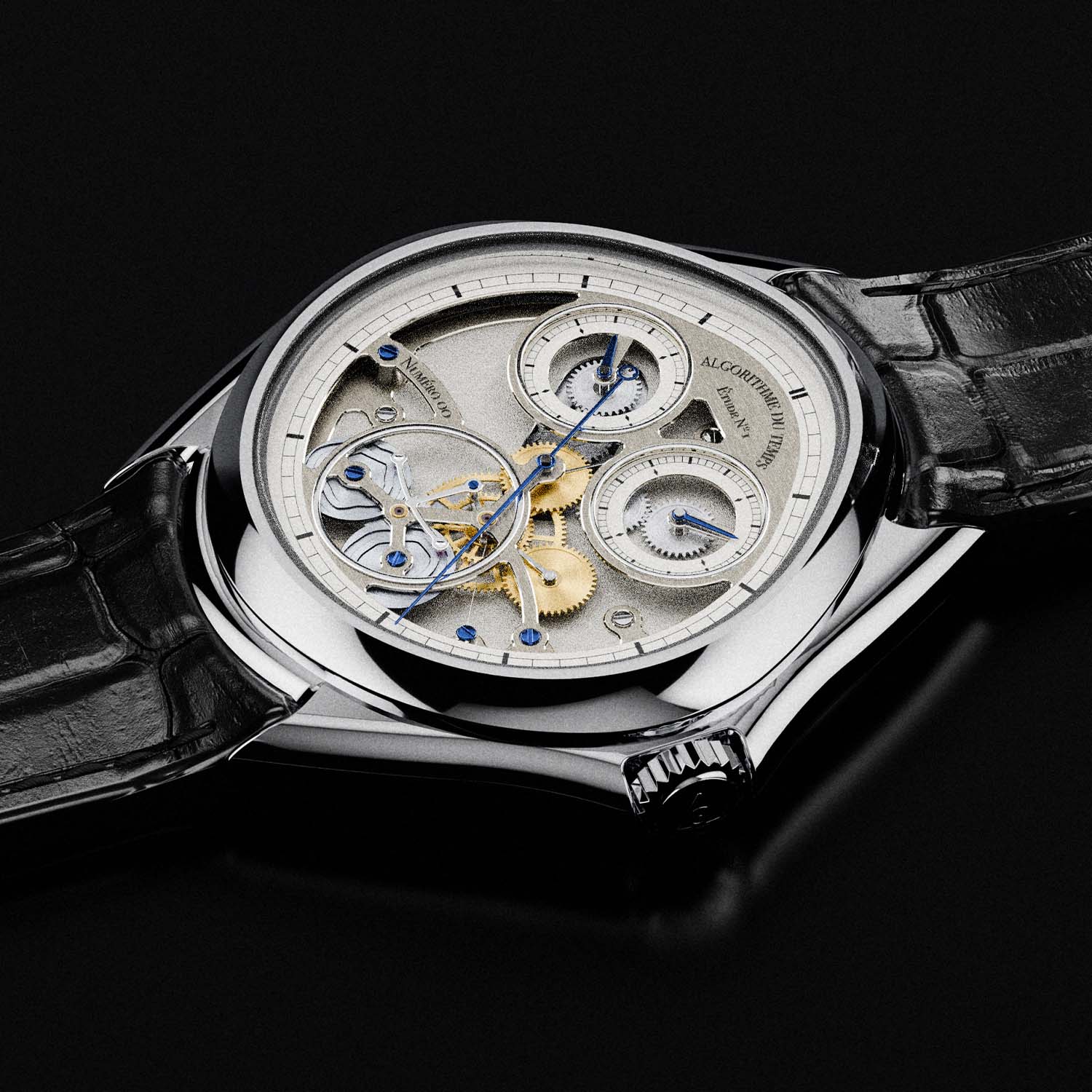
Case Dimensions & Material: Forged from high-grade 904L stainless steel (celebrated for its exceptional corrosion resistance and high polishability), the case measures 38mm in diameter and a slender 10.5mm in thickness.
Case Geometry: Viewed from above, the silhouette hints at a soft hexagonal geometry with short, integrated lugs, paired with an asymmetrical ovoid bezel featuring a concave, highly polished profile.
Caseback: A solid steel screw-down caseback protects the robust base movement within.
Production, Pricing, and Availability
Initial Run: Strictly limited to 40 pieces worldwide.
Estimated Price: Just under CHF 17,000 (excluding taxes), with final pricing subject to confirmation upon prototype finalization and production partner selection.
Official Inquiry: Prospective collectors can register their interest directly via the official brand portal at www.algorithmedutemps.com.
Official Responses and Philosophical Statements
The philosophy of Algorithme du Temps is deeply rooted in cognitive science, human perception, and a refreshing departure from traditional luxury watchmaking dogma.
Reflecting on the core ethos of his brand, founder Nadim Elgarhy offered profound insights into the psychological friction his timepiece addresses:
*"The great houses pursue accuracy and complexity, and they do it superbly. We pursue neither for its own sake. Algorithme du Temps lives
in the tension between its two words: the logic of the algorithm, the elusiveness of time."*
Elgarhy also addressed the psychological phenomenon of chronostatis—the visual illusion where the brain stretches the initial moment a person looks at a clock, making the seconds hand appear to momentarily freeze or linger longer than expected:
"The instrument we trust to measure time evenly is read by a mind that does not."
By acknowledging that human emotional states—ranging from the agonizing anticipation of waiting for a late companion to the joyful absorption of a deeply engaging experience—warp our internal sense of duration, Elgarhy’s creation bridges an ancient philosophical gap. The watch does not attempt to break the laws of physics or disrupt the true measurement of hours and minutes; rather, it acknowledges that our emotional relationship with time is inherently nonlinear.
Implications for Independent Watchmaking and Horological Art
The introduction of the Algorithme du Temps Rêveries des Secondes carries profound implications for the landscape of independent watchmaking, mechanical innovation, and conceptual art.
Challenging the Supremacy of Isochronism
For centuries, the holy grail of horology has been absolute isochronism—the elimination of any variable that could disrupt the uniform, regular oscillation of a timekeeper. Chronometer certifications, tourbillons, and constant-force remontoires were all engineered to enforce strict mathematical order over mechanical movements. Algorithme du Temps subverts this paradigm. By intentionally introducing calibrated chaos and unpredictability into the seconds display, the brand proves that mechanical complexity can be harnessed not just to enforce order, but to express artistic and emotional truth.
Elevating Horology as a Medium for Philosophy
In recent years, independent watchmaking has increasingly embraced narrative-driven creations, but few have ventured into cognitive psychology and metaphysics with such rigorous technical execution. The Rêveries des Secondes elevates the wristwatch from a mere tool for tracking appointments into a wearable philosophical commentary. It forces the wearer to confront their own perception of existence every time they glance down at the dial. When the seconds hand races forward or spins backward, it serves as a tactile reminder that our lives are not experienced as a rigid march of identical seconds, but as an elastic, fluid stream of memories and moments.
A New Standard for Exclusivity and Customization
By programming and computing a distinct, unique pair of cams for every single watch in the initial 40-piece run, Algorithme du Temps redefines what true bespoke watchmaking means in the modern era. Owners of the Rêveries des Secondes do not merely own a limited-edition timepiece; they possess a kinetic artifact whose heartbeat follows a path walked by no other human being on Earth.
As the independent watchmaking sector continues to seek fresh narratives beyond traditional complications, Nadim Elgarhy’s creation signals a brilliant new frontier—one where mechanical engineering bows to the profound, beautiful mystery of human consciousness.