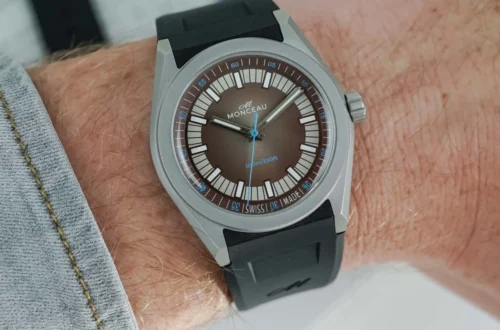
While Switzerland and Germany frequently command the lion’s share of global horological prestige, France possesses a rich, foundational, and remarkably resilient watchmaking history. Dating back to the 14th century, French horology has birthed some of the most profound innovations in timekeeping, shaping the trajectory of mechanical engineering, marine navigation, and luxury design.
Today, much like its American counterpart, French watchmaking is experiencing an energetic 21st-century renaissance. Driven by the return of historical houses, the development of rare domestic in-house calibres, and an influx of creative independent microbrands, France has firmly re-established its status as a vital European hub for mechanical time.
Main Facts: The Pillars of French Horology
To understand France’s position in the modern watch landscape, one must look at the structural and historical milestones that define its industry:
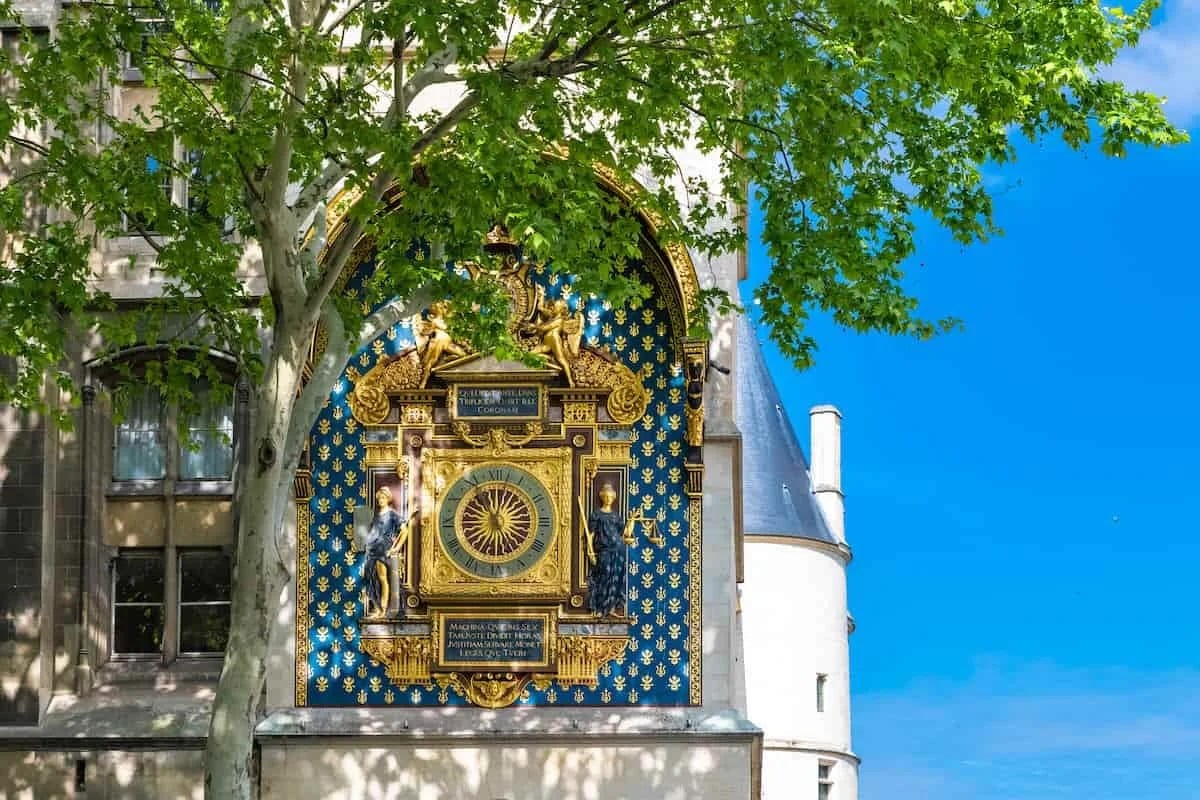
Pioneering Beginnings: France was among the earliest adopters of mechanical time, commissioning the Tour de l’Horloge in Paris as early as 1370–1371 under King Charles V.
Master Innovators: Historic geniuses such as Jean-Antoine Lépine, Pierre Le Roy, Ferdinand Berthoud, and Abraham-Louis Breguet completely transformed the architecture of pocket watches, marine chronometers, and escapements.
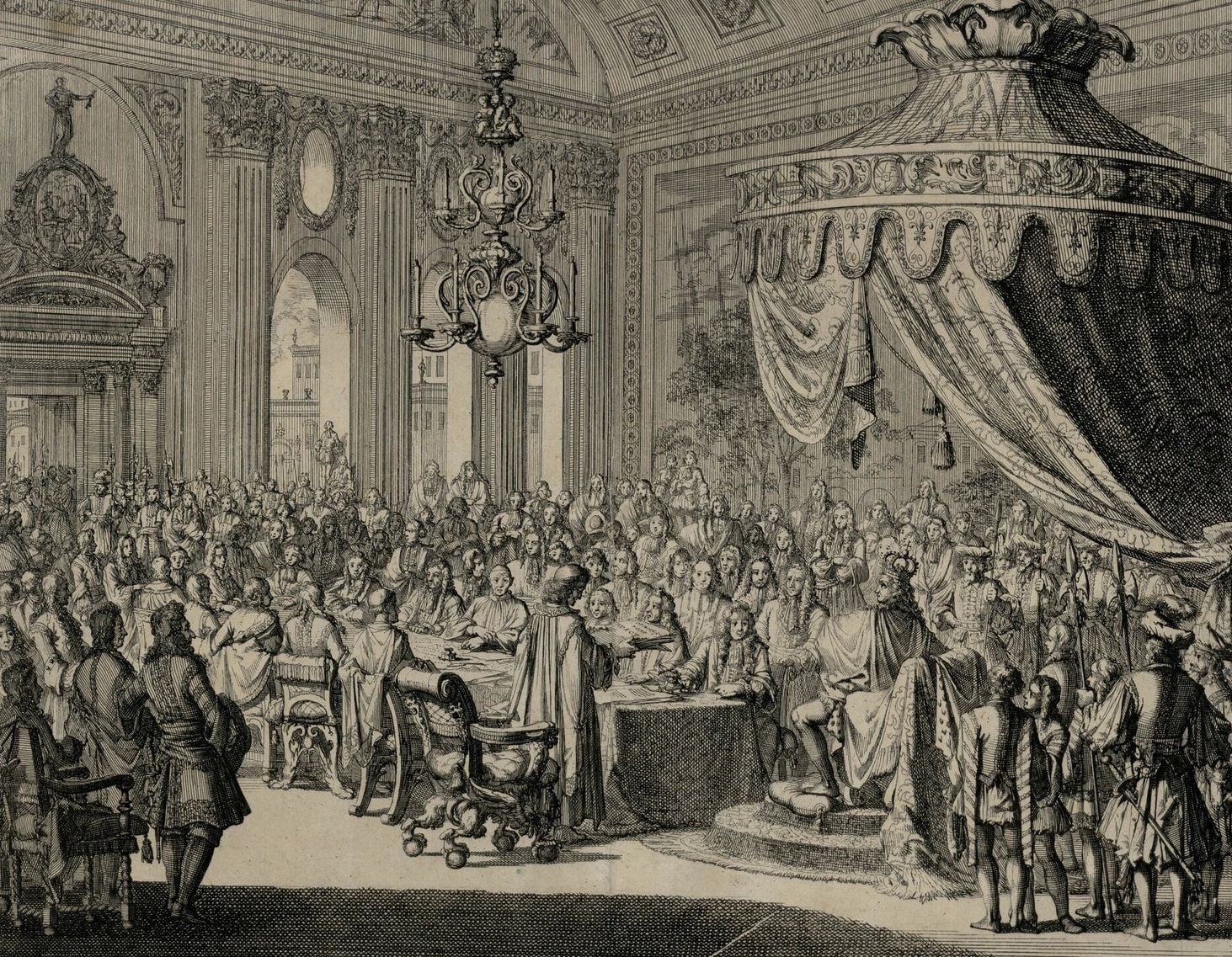
The Huguenot Exodus: The revocation of the Edict of Nantes in 1685 forced over 200,000 Protestants—including thousands of skilled watchmakers—to flee to Switzerland, inadvertently bolstering the Swiss watch industry while crippling France’s domestic output for decades.
The Rise of Besançon: By the late 18th and 19th centuries, production shifted eastward to Besançon, near the Swiss border, turning the city into the beating heart of French industrial watchmaking and home to its prestigious observatory.
The 21st-Century Rebound: After devastating blows from two World Wars, the Quartz Crisis, and the 1994 collapse of movement giant France Ebauches, brands like Pequignet, Yema, and Trilobe have spearheaded a modern industrial and avant-garde revival.
Chronology: From Medieval Clocks to Modern Manufactures
1. Medieval Clock Towers and Early Portables
Some of Europe’s earliest mechanical clocks surfaced in France during the early 14th century. The Conciergerie Clock (Tour de l’Horloge), built by German engineer Henri de Vic in Paris, introduced hourly bells and single-hand dials to organize civic life. Soon after, the astronomical Gros-Horloge appeared in 1389.
By 1518, Julien Coudray—the first French royal horologist serving Kings Louis XII and Francis I—developed some of the earliest portable watch movements, inserting them into the handles of daggers. This innovation helped establish the central city of Blois as an early European watchmaking hub, eventually supplying over 200 master watchmakers to the royal court.
2. The 18th-Century Golden Age: Lépine, Le Roy, Berthoud, and Breguet
The 18th and 19th centuries marked the golden age of French horology. Prince Regent Philippe d’Orléans invited British watchmaker Henry de Sully to Paris, sparking a domestic talent boom:
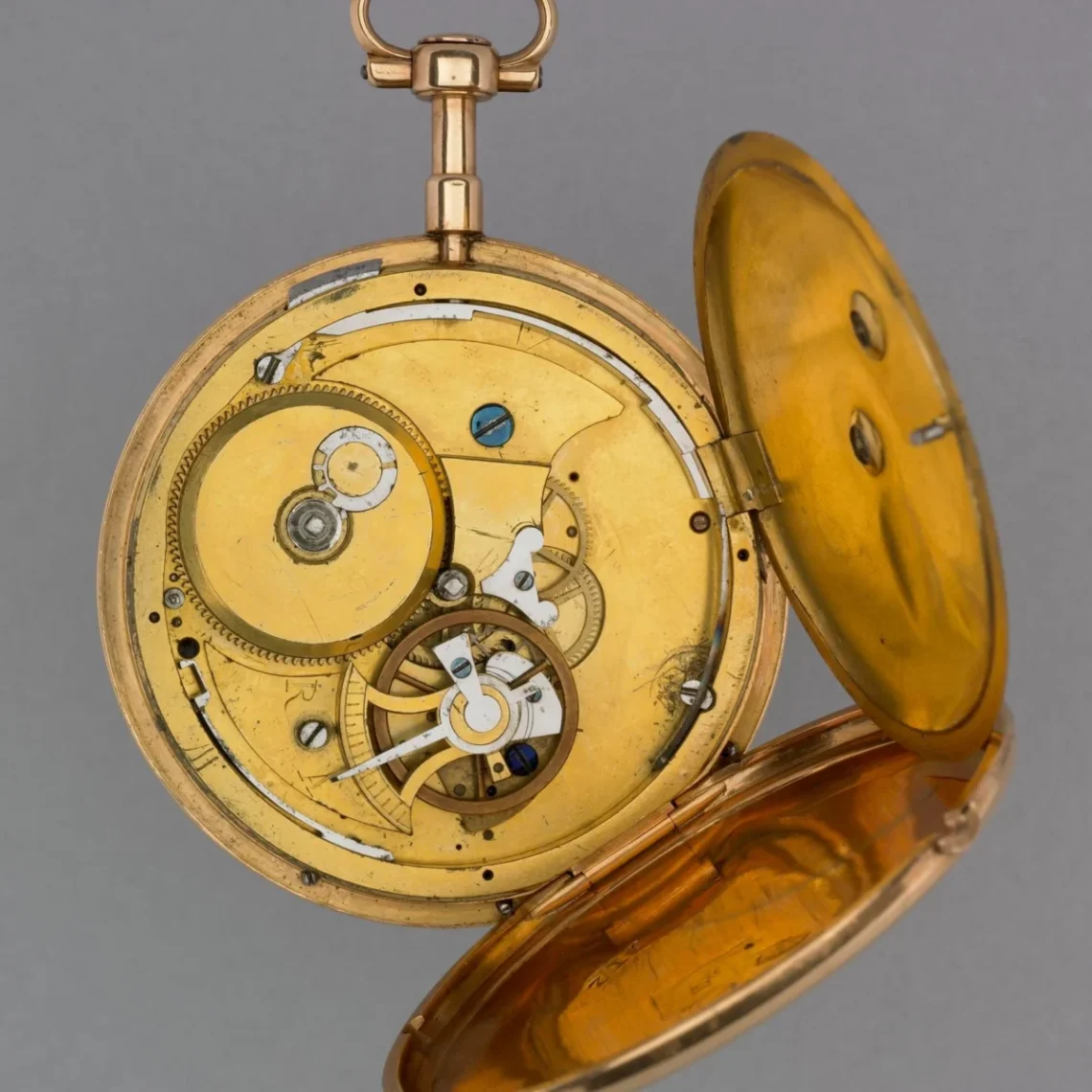
Jean-Antoine Lépine: Revolutionized pocket watches in the mid-18th century by removing the movement top plate in favor of independent bridges for the gear train. The "Lépine calibre" allowed for significantly thinner watches, easier maintenance, and enhanced aesthetic focus.
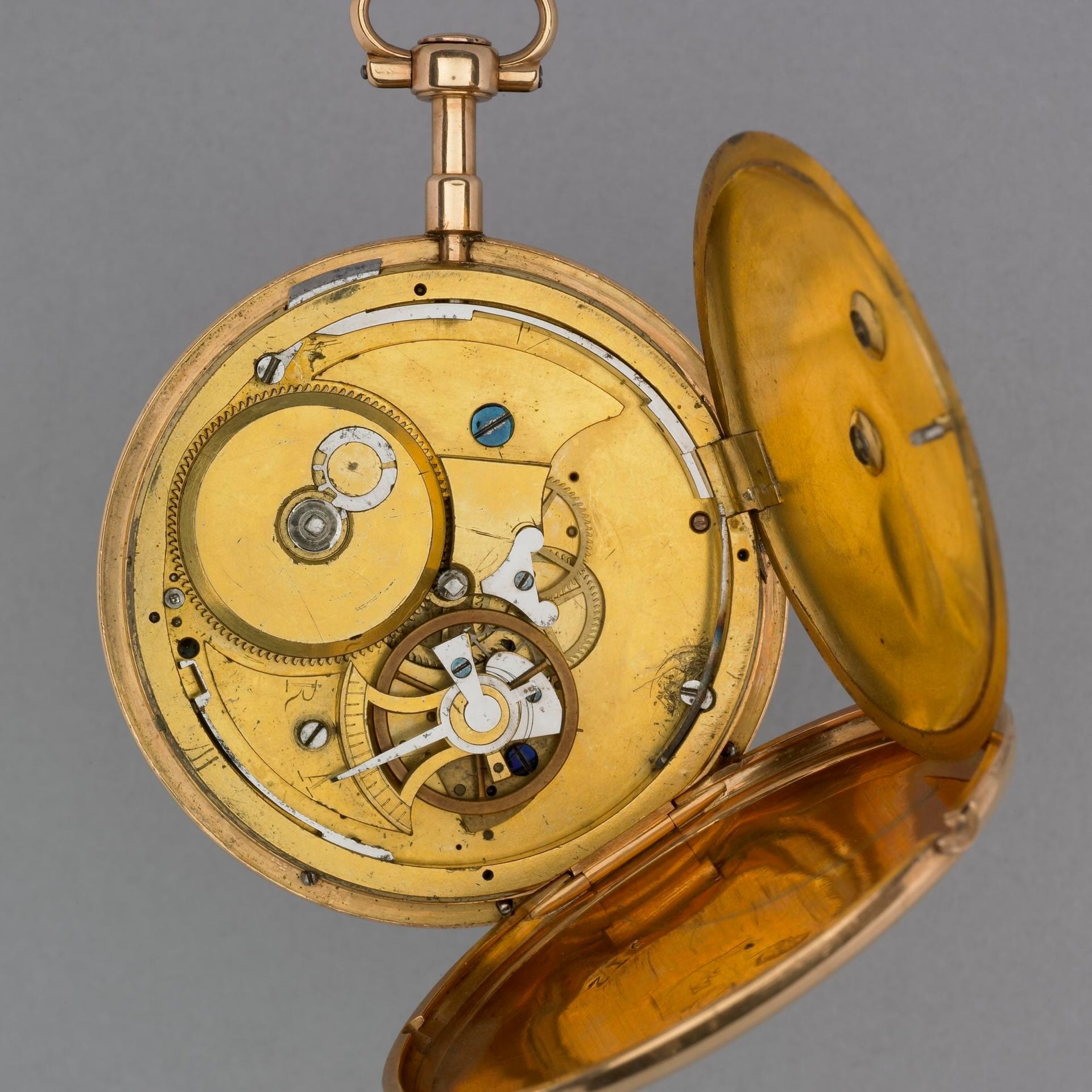
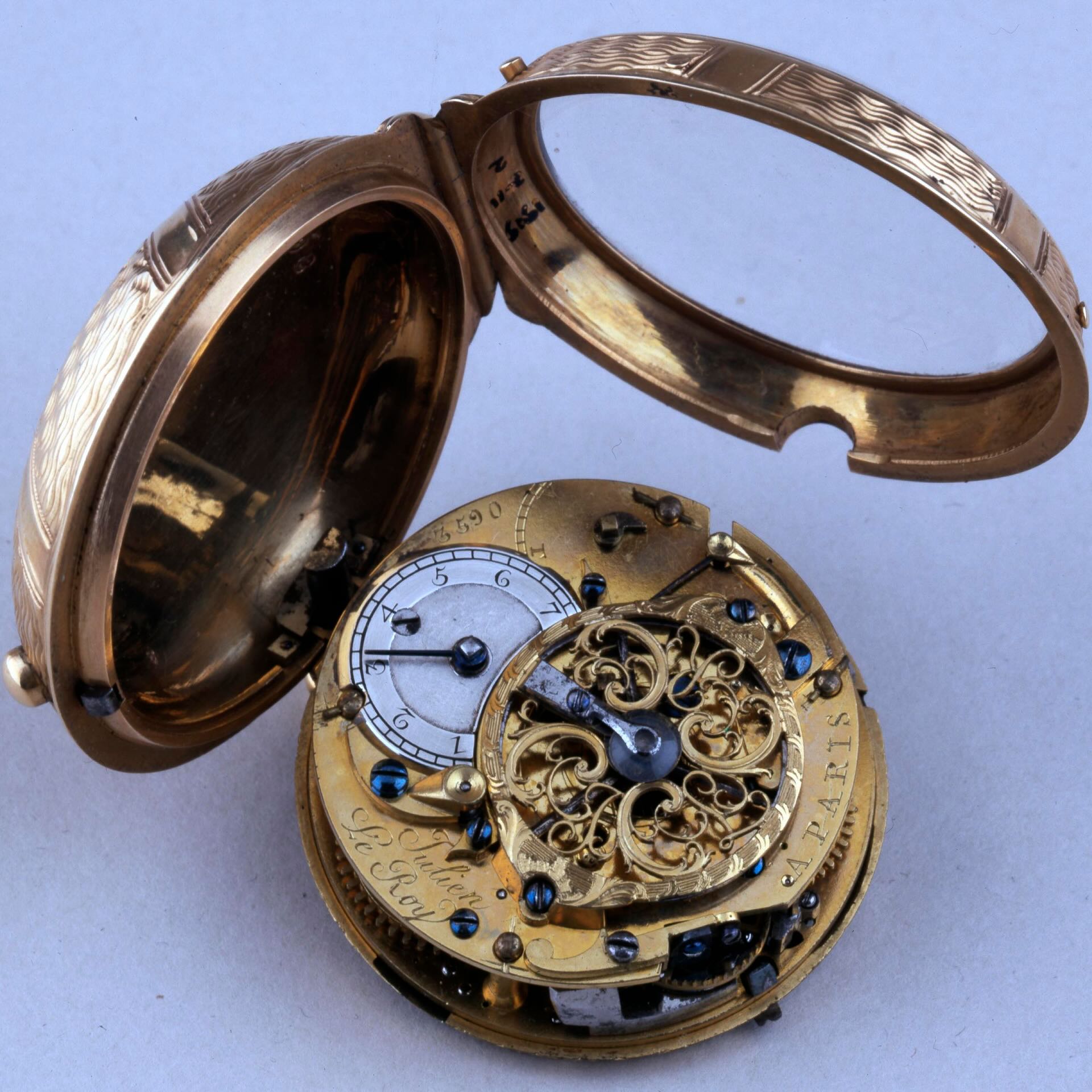
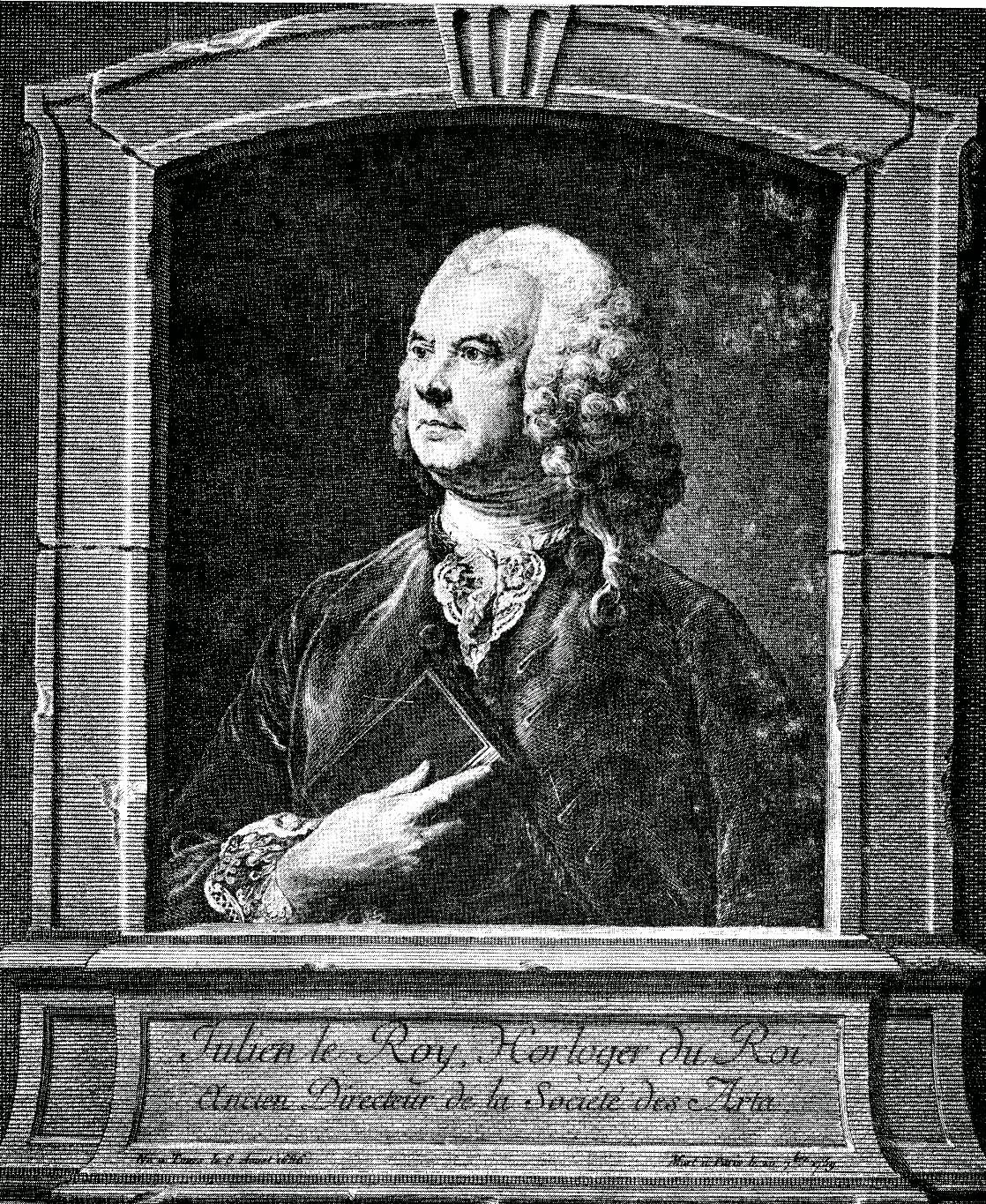
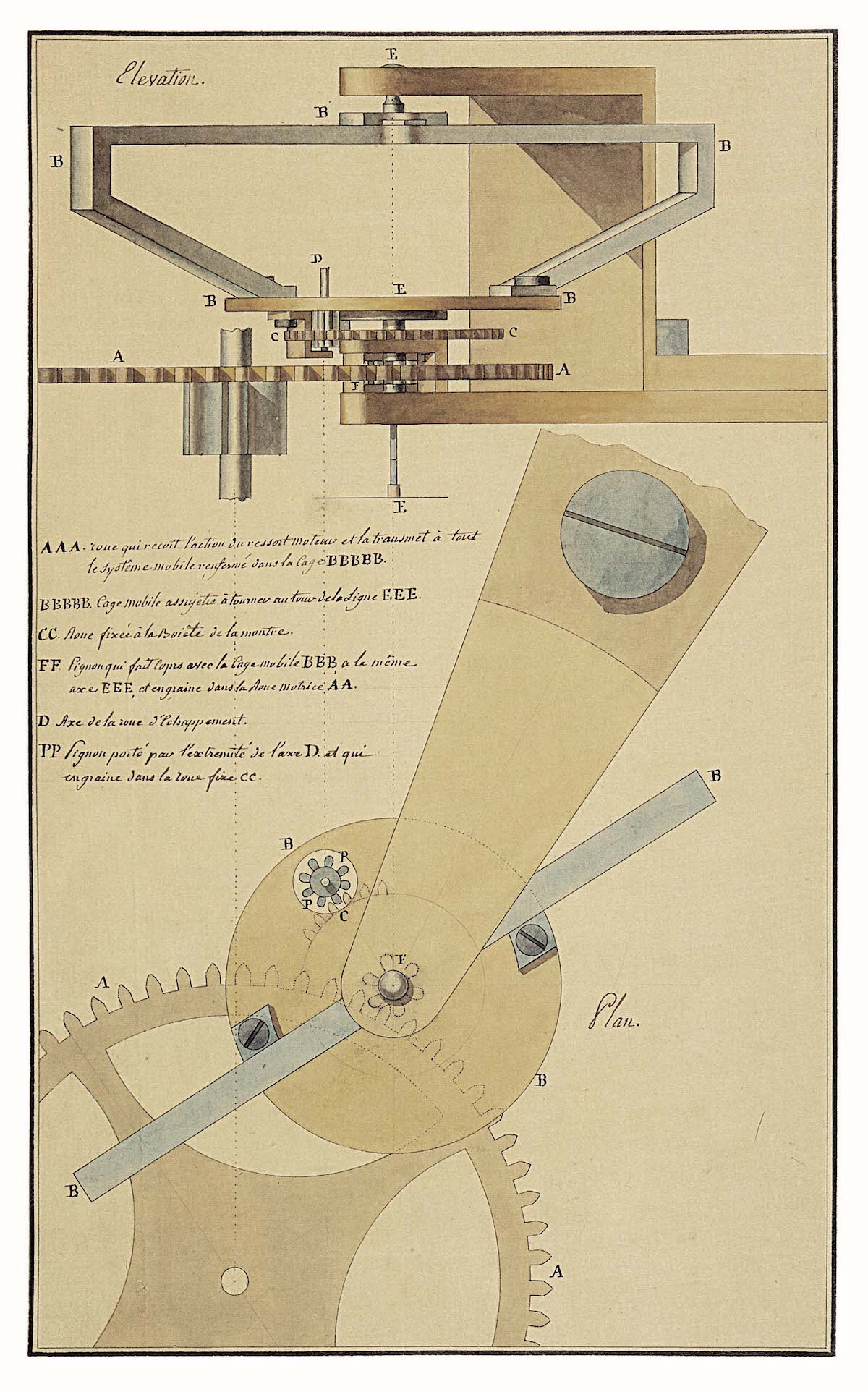
Julien and Pierre Le Roy: Julien Le Roy improved the compensating pendulum and equation clocks, while his son Pierre invented the pivoted detent escapement, perfecting marine chronometers to measure longitude at sea.
Ferdinand Berthoud: Appointed master watchmaker to the French Navy, Berthoud’s marine clocks successfully withstood harsh ocean conditions during 1768 longitude trials, earning him a Knighthood of the Legion of Honour from Napoleon Bonaparte in 1804.
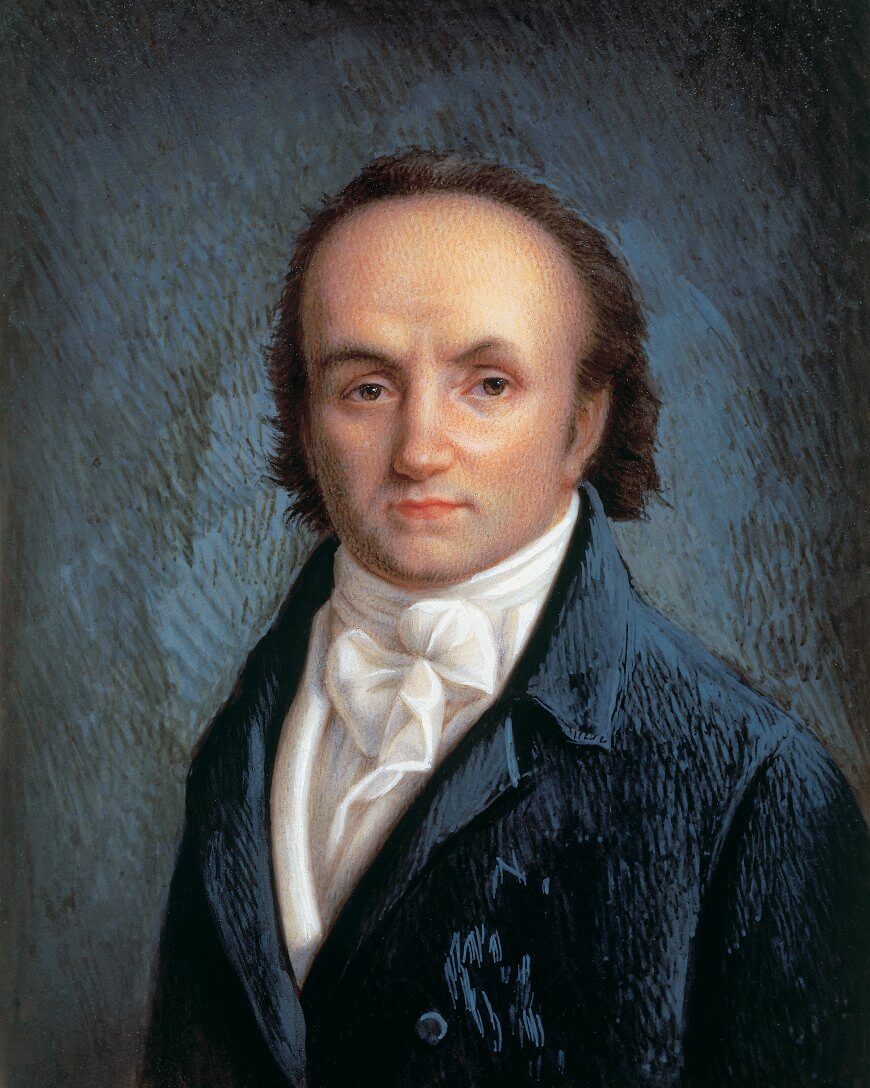
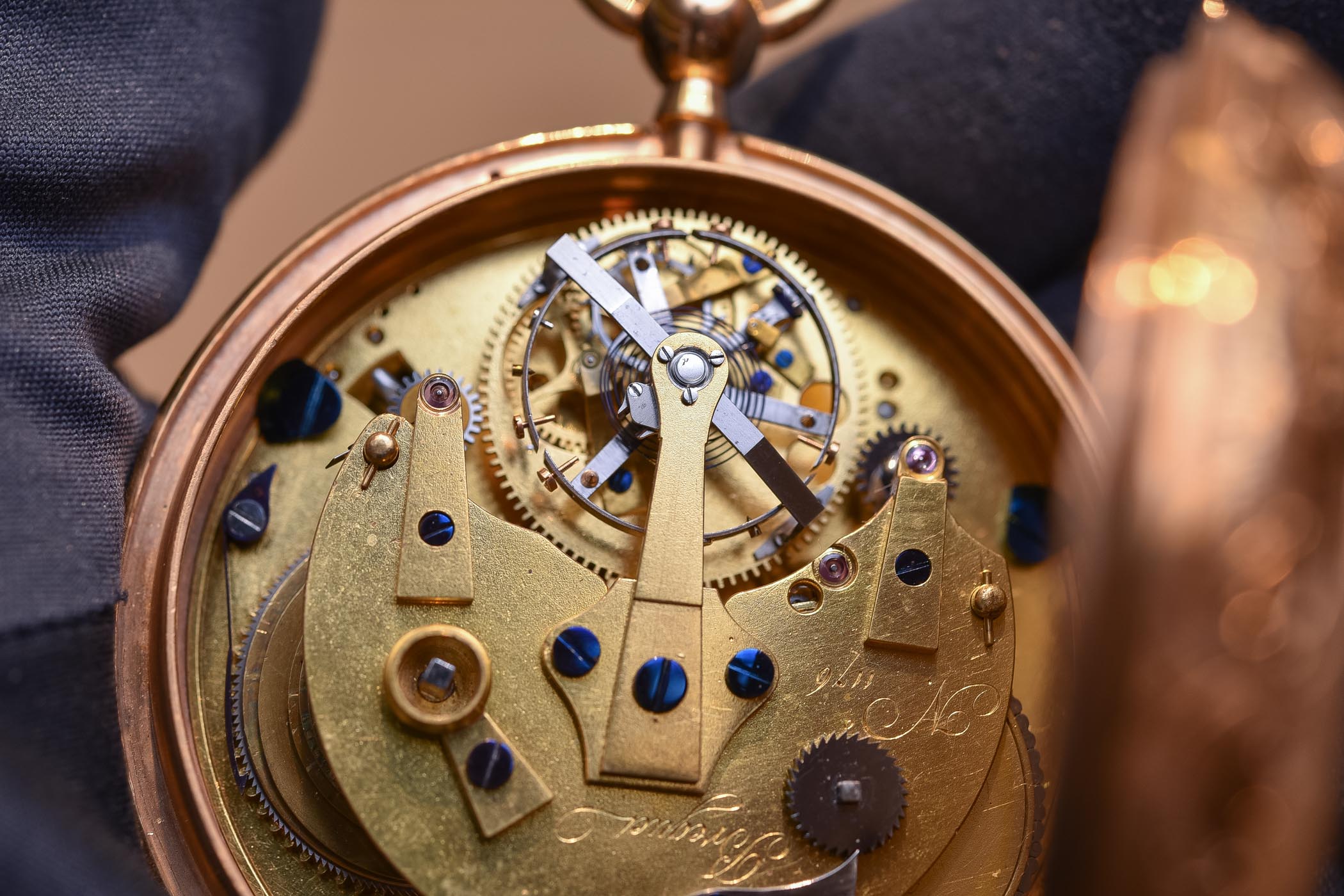
Abraham-Louis Breguet: Universally considered one of the greatest watchmakers in history, the Swiss-born Frenchman founded his Parisian atelier in 1775. Breguet invented the perpétuelle self-winding movement (1780), the pare-chute shock-protection system (1790), the overcoil (1795), and patented the tourbillon in 1801. His masterwork, the Grand Complication No. 160 "Marie-Antoinette," took 44 years to complete and encapsulated every known horological complication of the era.
3. Industrialisation and Military Milestones
As the 19th century progressed, artisanal workshops transitioned into mechanized factories. Besançon became the capital of French watchmaking, accounting for roughly 90% of national production by the late 19th century, supported by the Besançon Observatory (founded 1867) and the National School of Watchmaking (1861).
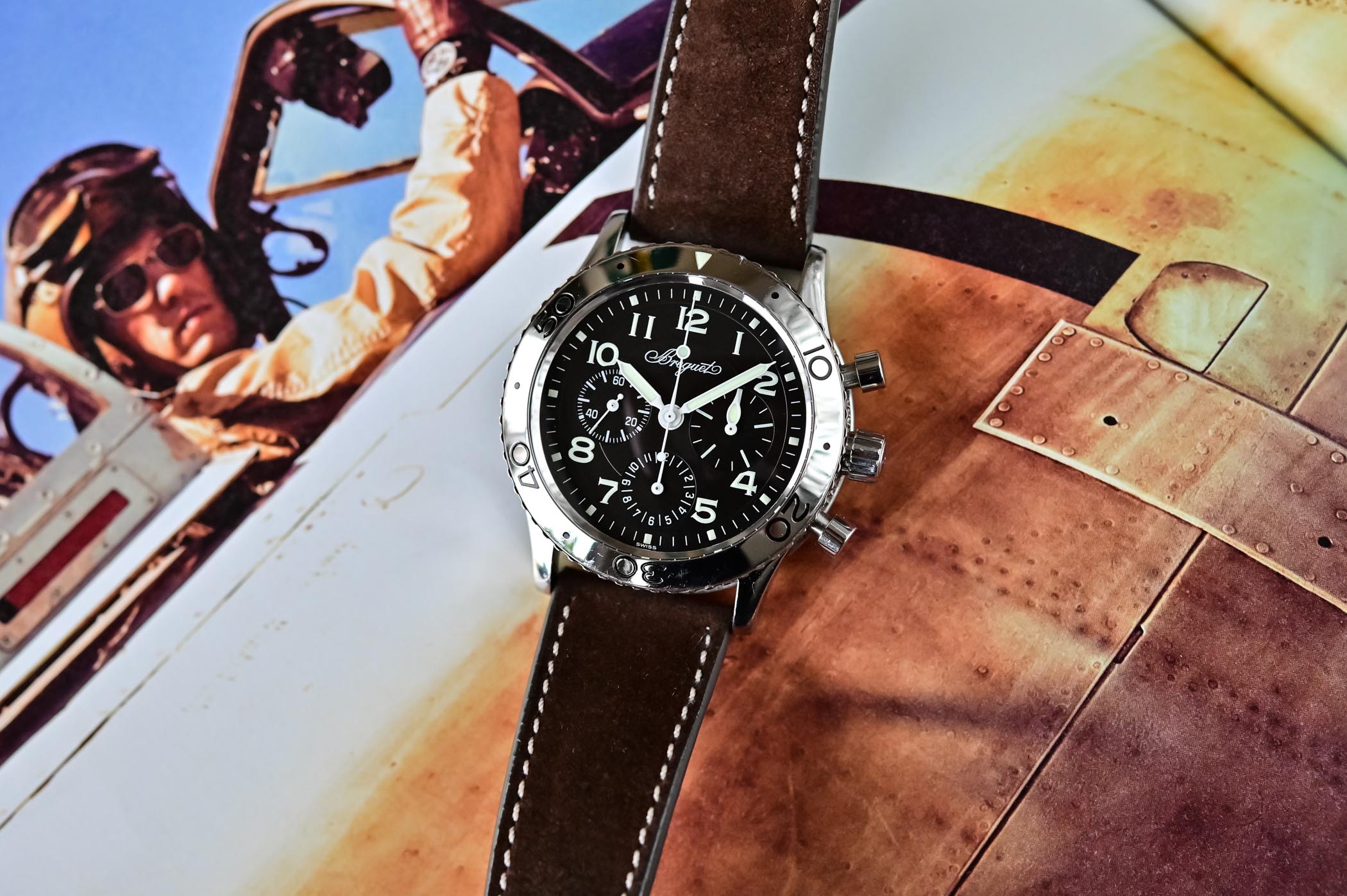
During the 1950s, the French Ministry of Defence commissioned Type 20 and Type 21 flyback chronographs (retour-en-vol) for military aviators. Brands like Breguet, Dodane, Airain, and Auricoste supplied robust, highly accurate chronographs featuring bi-compax dials and immediate reset capabilities. Concurrently, giants like LIP (founded in Besançon in 1867) pioneered radium luminescent dials with Pierre and Marie Curie, introduced France’s first mass-production assembly lines, and launched Europe’s first electric wristwatch prototypes in 1952.
4. The Quartz Crisis and the 1994 Collapse
France’s watch industry struggled immensely through two World Wars. However, the Quartz Crisis of the 1970s and 1980s dealt the most severe blow. Iconic brands like LIP weathered intense labour strikes (autogestion) before liquidation, while independent production flatlined. The final straw came in 1994 with the financial collapse of France Ebauches, the nation’s primary movement producer, effectively ending domestic industrial movement manufacturing for a time.
Supporting Data: The 21st-Century Resurrection
The modern era has witnessed a miraculous rebuilding of the French watchmaking ecosystem, characterized by localized R&D, independent design, and a return to haute horlogerie.
Brand
Founded / Location
Key Modern Milestone
Pequignet
1973 (Morteau)
Launched the ground-up, in-house Calibre Royale in 2010 (88-hour power reserve) and debuted a limited-edition Flying Tourbillon at Watches and Wonders 2024.
Yema
1948 (Besançon / Morteau)
Evolved from historical military supplier (Superman, Rallygraf) to developing in-house calibres (MBP1000, YEMA2000) and high-end movements designed with Olivier Mory.
Baltic
2017 (Paris)
A dominant accessible independent brand specializing in micro-rotors, divers, and worldtimers. Partnered with SpaceOne to win the Challenge Watch Prize at the 2026 GPHG.
Serica
2019 (Paris)
Founded by former horology bloggers; renowned for traditional field chronometers and historical Bonklip ladder-design bracelets.
Trilobe
2018 (Paris / Ivry-sur-Seine)
Famous for wandering-time displays and three-dimensional floating discs. Established an in-house manufacture near Paris to produce the proprietary Calibre X-Nihilo.
Official Responses and Industry Implications
The resurgence of French horology has not gone unnoticed by international luxury analysts. Industry leaders note that while Switzerland remains the undisputed titan of volume and luxury prestige, consumer fatigue with mass-produced homogeneity has created a lucrative vacuum for independent, story-driven watchmaking.
"France holds an intellectual property in horology that rivals Switzerland. When brands like Trilobe build a manufacture in the heart of Paris, or when Pequignet engineers a high-complication in-house tourbillon in Morteau, it signals to the market that French watchmaking is no longer merely a historical footnote—it is an active, daring competitor."
— European Horological Market Analyst
Implications for the Global Watch Market
Geographic Diversification: Collectors seeking alternatives to traditional Swiss or German pieces are increasingly looking toward French independent brands for fresh design codes and avant-garde complications.
Technical Independence: By establishing domestic manufactures (such as Trilobe’s new facility in Ivry-sur-Seine or Pequignet’s continuous refinement in Morteau), French brands are insulating themselves from external supply chain bottlenecks.
Price-to-Value Competitiveness: Independent French houses often deliver high-end finishing, micro-rotor mechanics, and unique display architectures at price points that heavily undercut legacy Swiss conglomerates.
Conclusion
From the medieval clock towers commissioned by King Charles V to the avant-garde wandering hours of Trilobe, France has been a cornerstone of mechanical timekeeping since its inception. Though scarred by historical upheavals, religious expulsions, and the quartz revolution, French watchmaking has proven remarkably resilient. Today, propelled by the heritage of Breguet and Berthoud, the industrial backbone of Besançon, and the creative energy of modern independents like Baltic, Serica, and Yema, France confidently reclaims its rightful place as an enduring powerhouse in the global watchmaking arena.