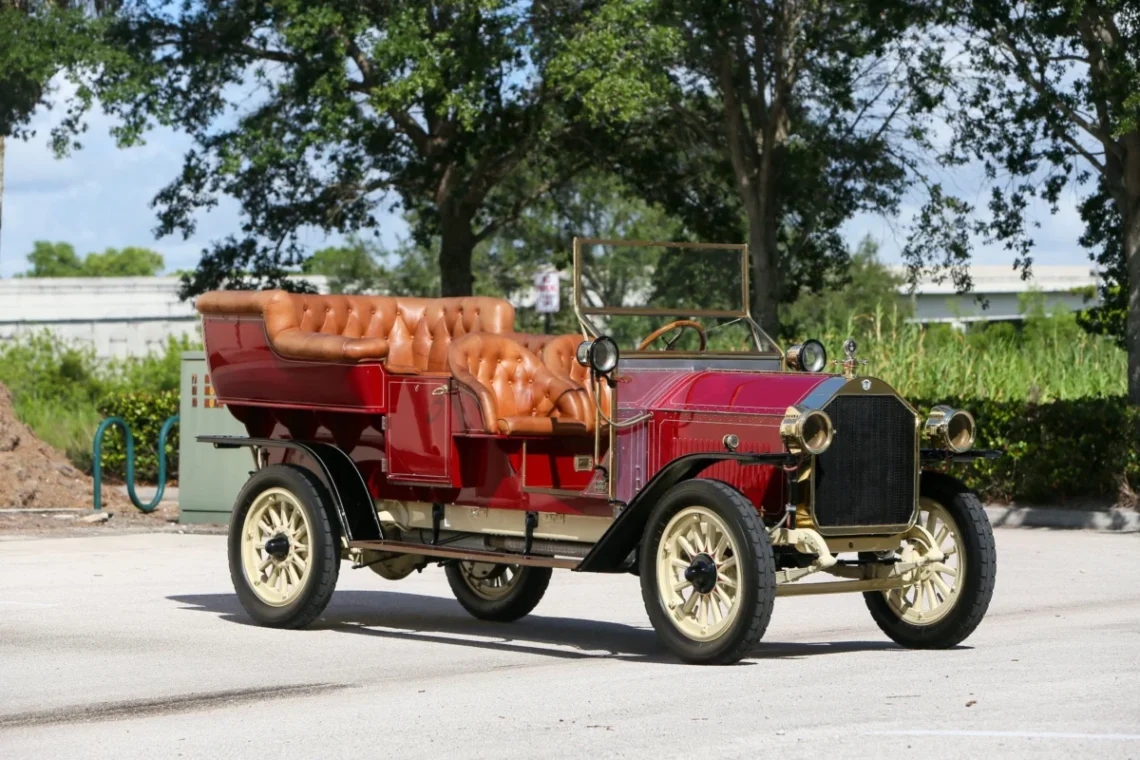
Main Facts: The REO Runabout Revolution
In an era dominated by ever-expanding vehicle footprints, subscription-locked features, and cockpits glowing with intrusive digital distraction, a nascent American automotive venture is throwing it all out the window. Enter the REO Runabout, a refreshingly honest, stripped-back utility vehicle designed to return the automobile to its purest definition: a dependable, accessible, and mechanically straightforward tool.
Spearheaded by Texas real estate developer Zach de Bernardi and styled by legendary automotive designer Frank Stephenson—the creative genius behind modern iterations of the MINI and Fiat 500, as well as the Ferrari F430 and McLaren P1—the REO Runabout aims to resurrect a long-forgotten vehicle segment: the lightweight, utilitarian truck.
Rather than chasing bloated luxury, superfluous touchscreens, or complex battery-electric drivetrains, the Runabout relies on traditional internal combustion engines (ICE), a standard manual transmission (with an optional automatic), and an astonishing absence of software bloat. Crucially, the vehicle introduces a jaw-dropping warranty of 500,000 miles, signaling an audacious commitment to longevity in a market built on planned obsolescence.

Pricing is equally disruptive. In the United States, the REO Runabout lineup is projected to start at:
- USD 21,500 for the T4X two-door worker’s pickup.
- USD 25,000 for the T4C five-door crew cab.
- USD 28,500 for the S4X family SUV variant.
Chronology: From Ransom Eli Olds to Zach de Bernardi
To understand the weight of the REO badge, one must journey back to the formative years of the global automotive industry.
The Birth of REO (1905)
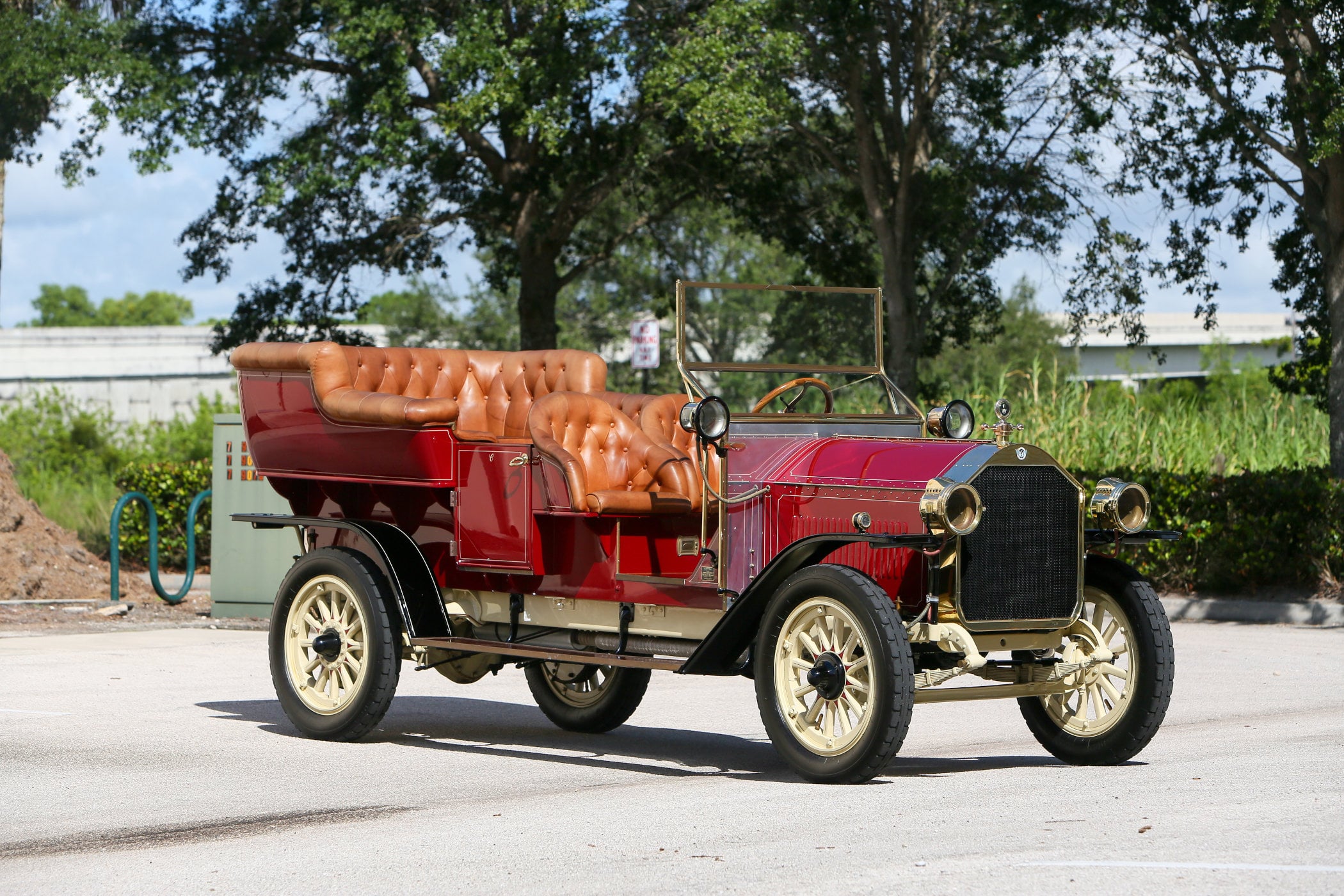
The REO Motor Car Company was founded in 1905 by Ransom Eli (R.E.) Olds, shortly after he severed ties with Oldsmobile—another foundational American automaker that bears his initials and name. Operating out of Lansing, Michigan, REO experienced immediate success, rapidly cementing its status as one of the most profitable automotive manufacturers in the United States.

The Speed Wagon Era (1910–1920s)
Faced with mounting industrial competition from Henry Ford’s mass-production juggernaut and William C. Durant’s burgeoning General Motors, REO diversified its output. In 1910, the company expanded heavily into commercial utility vehicles. This pivot birthed the legendary REO Speed Wagon in 1915—a rugged commercial truck whose name would decades later inspire the formation of the classic rock band REO Speedwagon after a founding member spotted the moniker on a classroom blackboard.
Beyond trucks, REO engineered remarkable milestones. In 1912, an REO automobile completed the historic first trans-Canada road trip, successfully traversing 4,172 grueling miles from Halifax in the east to Vancouver in the west.
Decline and Corporate Consolidation (1930s–1960s)
The Great Depression struck REO hard. Plagued by economic headwinds and miscalculated corporate maneuvers, passenger car production ceased in the mid-1930s, forcing the company to pivot exclusively to commercial trucks. Post-World War II instability led to corporate restructuring in 1954, subsequent mergers, and an eventual acquisition by Swedish industrial giant Volvo, which purchased Diamond REO Trucks in 1967. The historic marque faded into automotive history—until now.
The Revival (Modern Era)
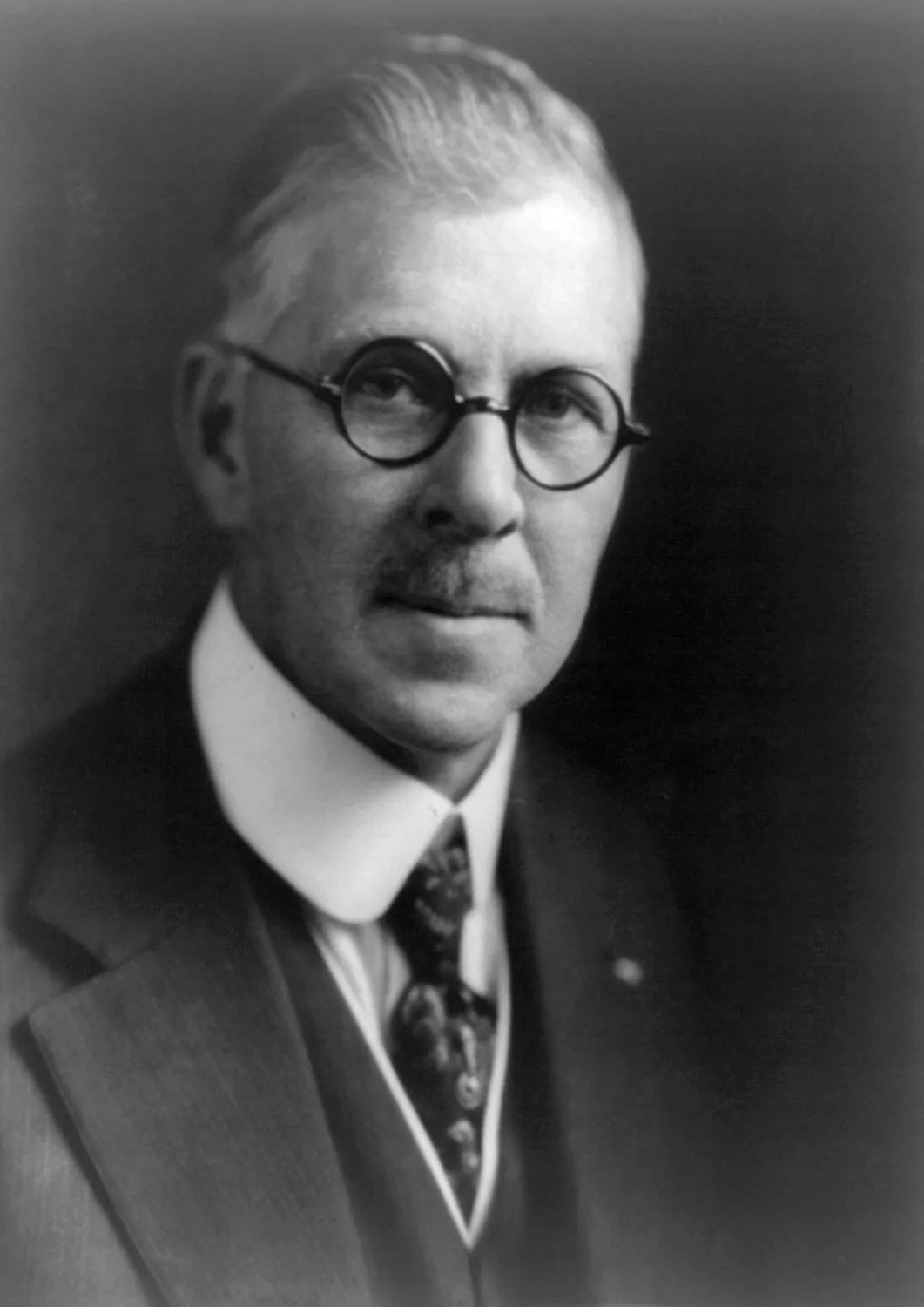
More than half a century after the nameplate went dormant, Zach de Bernardi acquired the rights to resurrect REO. Tasking Frank Stephenson with the aesthetic and functional design language, the modern REO venture bridges a 120-year legacy with a desperate 21st-century demand for analog utility.
Supporting Data and Vehicle Architecture
The REO Runabout range is meticulously divided into three distinct body configurations, engineered to cater to pragmatic drivers rather than status-driven consumers:
- The T4X (Launching First): A dedicated worker’s truck featuring a rugged two-door cab and an adjustable pickup bed designed for heavy daily labor.
- The T4C: A versatile five-door crew cab featuring a fixed bed, balancing family-hauling capabilities with workspace durability.
- The S4X: A boxy, utilitarian family SUV variant slated for a 2030 market rollout.
Specifications and Engineering Philosophy
- Powertrain: Pure internal combustion engine (ICE) only. REO has explicitly bypassed the current industry-wide scramble for heavy, complex EV powertrains to keep weight down and repairability up.
- Transmission: A manual gearbox comes fitted as standard, with an optional automatic transmission available for those who prefer two-pedal driving.
- Repairability: Body components—including bumpers, interior trim pieces, and exterior panels—are designed to be removed and replaced within minutes using basic, off-the-shelf hand tools.
- Software-Free Operation: The vehicle is purposefully designed without over-the-air (OTA) updates, cloud tracking, or hidden, subscription-gated features. Owners receive physical repair manuals and full parts lists, with REO promising a dedicated parts supply chain spanning at least 20 years.
The 500,000-Mile Warranty
The crown jewel of the Runabout’s pitch is its warranty coverage. Guaranteeing a vehicle for 500,000 miles completely flips modern consumer economics on its head. Given that the average American motorist logs fewer than 15,000 miles annually, this coverage equates to more than three decades of mechanical protection. The manufacturing goal is simple: construct a generational tool rather than a disposable consumer appliance destined for the junkyard the moment an un-patchable software glitch occurs.
Official Responses and Industry Context
The automotive press and enthusiast communities have greeted the REO Runabout with a mixture of disbelief and profound relief. For years, critics have decried the modern automotive landscape as bloated, overly digitized, and aggressively regulated.
Modern vehicles are routinely criticized for:
- Excessive curb weights driven by heavy battery packs or oversized safety cages.
- Skyrocketing purchase prices that price average working-class buyers out of new car inventory.
- Invasive cabin monitoring systems, such as driver-attention cameras that track eye movements and issue intrusive alerts.
- Telematics systems that quietly aggregate location data and transmit it to anonymous corporate servers.
Zach de Bernardi and his team have positioned REO as a direct antidote to these industry pain points. By removing digital surveillance features, the company champions personal privacy alongside mechanical transparency. In official releases, REO emphasizes that the Runabout is meant to serve the driver—not data-harvesting algorithms or corporate subscription departments.

Implications: Can Simplicity Survive the Modern Market?
While the REO Runabout represents a utopian dream for automotive purists, gearheads, and right-to-repair advocates, its long-term viability faces significant hurdles, particularly regarding global regulatory compliance.
The Regulatory Hurdle
In the United States, low-volume manufacturing exemptions and less stringent federal mandates provide an accommodating runway for independent startups like REO. However, in heavily regulated markets like the European Union—where strict pedestrian-impact safety standards, mandatory intelligent speed assistance (ISA), black box event data recorders, and carbon-reduction targets dictate every millimeter of vehicle design—deploying a stripped-back, analog utility truck on public roads is nearly impossible. Consequently, the Runabout’s immediate impact will likely remain concentrated in North American and developing global markets.
Shifting the Paradigm of Sustainability
The environmental implications of the Runabout are profound. While modern marketing equates "green motoring" exclusively with electrification, the carbon footprint of manufacturing a heavy electric vehicle—mining lithium, cobalt, and nickel—is immense. Furthermore, when modern tech-laden cars suffer electrical failures or software abandonment, they are often written off prematurely.

By building a vehicle designed to last half a million miles with basic hand tools and readily available mechanical components, REO is introducing an alternative definition of sustainability: longevity. If a vehicle can be maintained, repaired, and kept on the road for 30 years without requiring software patches or digital updates, its total lifecycle carbon footprint plummets relative to fleets of disposable consumer cars replaced every five years.
Final Thoughts
The REO Runabout may not feature autonomous driving suites, massive curved OLED displays, or active aerodynamic carbon-fiber wings. But in a marketplace suffering from digital fatigue and hyper-inflationary pricing, its greatest luxury is precisely what it leaves out. By respecting the intelligence of the driver, championing radical repairability, and promising a half-million-mile horizon, the resurrected REO brand is offering a breath of high-octane fresh air that the automotive world desperately needs.