Main Facts: A Comprehensive Multi-Tier Showdown
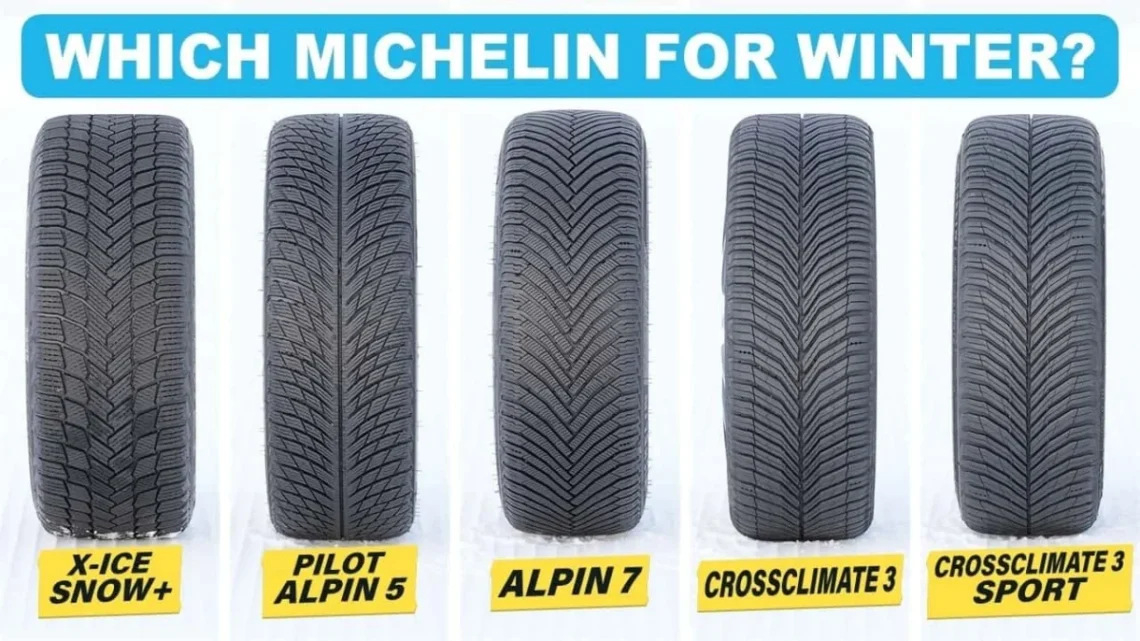
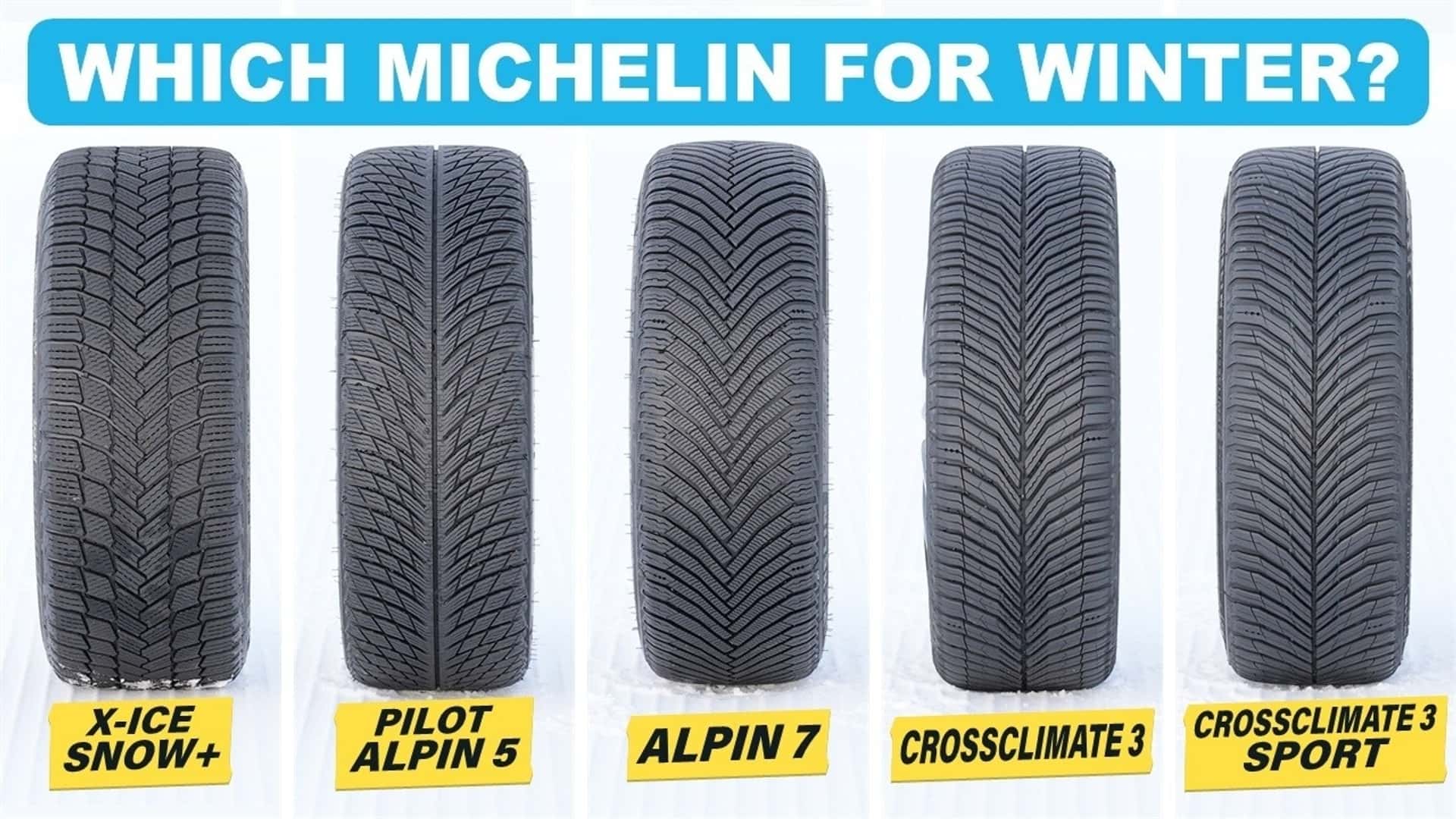
When it comes to automotive footwear, few brands command the universal respect and engineering prestige of Michelin. However, even within a single premier manufacturer’s catalog, purpose-built tires serve vastly different operational parameters. Recently, the automotive testing authority Tyre Reviews—hosted by renowned tire tester Jonathan Benson—gathered Michelin’s entire contemporary performance tire lineup to see how they stack up against one another on the exact same test track.
Conducted using a standardized 225/40 R18 tire size, the comprehensive evaluation pitted dedicated Nordic winter tires, Central European performance winter options, cutting-edge all-season rubber, and a baseline summer tire against each other across dry asphalt, rain-soaked circuits, packed snow, sheer ice, and rolling resistance benches.
The results shattered simple assumptions about tire hierarchy, revealing that no single tire can conquer every environment equally. Instead, the testing split Michelin’s lineup into two distinct narratives:
- The Snow and Ice Conqueror: The newly introduced Michelin X-Ice Snow Plus utterly dominated low-friction winter conditions, showcasing supreme subjective snow handling and an unexpected victory in efficiency.
- The Overall Champion: The versatile Michelin CrossClimate 3 claimed the highest overall weighted score across all combined testing metrics, proving that modern all-season technology has reached a level of sophistication that challenges traditional seasonal boundaries.
Meanwhile, the ultra-high-performance Pilot Alpin 5 and the comfort-oriented Alpin 7 demonstrated the nuanced engineering compromises required for high-speed European winter driving. Rounding out the test as a control baseline, the Primacy 5 summer tire illustrated just how catastrophically performance drops when warm-weather rubber is forced to operate in sub-zero environments.
Chronology of the Test: From Deep Freeze to Warm Tarmac
To truly understand how these tires behave, the evaluation methodology followed a rigorous chronological progression, moving from extreme cold-weather grip assessments to dynamic wet and dry handling evaluations as temperatures shifted.
Phase One: Sub-Zero Snow and Ice Evaluations
The testing kicked off in controlled, freezing environments designed to push winter tires to their absolute limits. Here, the Michelin X-Ice Snow Plus immediately established its dominance. Designed specifically as a Nordic winter tire tailored for regions buried in snow for months on end, its aggressive siping and rubber compound gripped packed snow and slick ice with authoritative confidence. Jonathan Benson noted that it was, by a wide margin, the most secure and predictable tire when the mercury plummeted.
Following closely behind in the snow disciplines were Michelin’s Central European winter offerings. The Pilot Alpin 5 utilized its sportier tread blocks and superior front-axle bite to carve through snow with a razor-sharp, performance-oriented balance. Its sibling, the Alpin 7, focused more on long-distance comfort and rolling efficiency, yet remarkably managed to post nearly identical lap times to the Pilot Alpin 5 in snow testing.
In a stunning plot twist, the CrossClimate 3 all-season tire nearly matched the dedicated winter options during straight-line snow braking and acceleration tests. While it eventually surrendered some lateral grip during complex cornering and combined maneuvers compared to dedicated winter treads, its snow-performance capability shocked testers.
Phase Two: The Warm-Weather Reversal on Wet and Dry Tarmac
As the testing venue transitioned to wet handling courses and dry braking tracks at warmer ambient temperatures, the performance hierarchy completely inverted.
The winter-focused tires—particularly the cold-optimized X-Ice Snow Plus—began to struggle as thermal energy built up in the pavement. Their softer compounds and dense siping patterns, optimized for sub-zero bite, resulted in longer stopping distances and squirmier handling under heavy dry-cornering loads.
Conversely, the Central European winter tires (Alpin 7 and Pilot Alpin 5 Sport) stepped up their game, while the Primacy 5 summer tire finally entered its preferred thermal operating window. Once warm, the Primacy 5 delivered blistering grip, showcasing why motorists should never rely on winter tires during scorching summer months.
Supporting Data and Technical Breakdown
To appreciate the nuances of Michelin’s engineering, we must analyze the specific performance metrics recorded across the testing categories:
1. Snow and Ice Grip vs. Aquaplaning Resistance
There is a fundamental engineering paradox in tire design: the features that make a tire excel on snow and ice often hinder its performance in deep standing water.
- The Nordic Dilemma: The X-Ice Snow Plus features an extreme density of sipes (micro-slits in the tread blocks) designed to act as thousands of microscopic biting edges on ice. However, these blocks lack large, unobstructed circumferential grooves. Consequently, in straight-line deep-water aquaplaning tests, the X-Ice Snow Plus finished at the bottom of the pack, as it trades high-speed water evacuation for ice traction.
- The Central European Balance: Tires like the Alpin 7 and Pilot Alpin 5 strike a middle ground, balancing wet-weather drainage channels with sufficient winter siping for mixed European winter conditions.
2. The Rolling Resistance Shock
One of the most astonishing revelations of the Tyre Reviews evaluation centered on energy efficiency. Historically, heavy winter tires with aggressive tread patterns suffer from high rolling resistance, which negatively impacts a vehicle’s fuel economy or electric vehicle (EV) range.
Despite being the largest tire specification in the test group, the X-Ice Snow Plus posted the absolute lowest rolling resistance figure. It outperformed the CrossClimate 3, Alpin 7, and Pilot Alpin 5 under identical laboratory testing conditions. This engineering triumph proves that modern Nordic tire compounds can achieve superior energy efficiency without sacrificing low-temperature traction.
3. The Weighted Overall Score
When all individual category scores—dry, wet, snow, ice, rolling resistance, and wear characteristics—were synthesized into a single weighted algorithm, the final standings revealed a nuanced picture:
- Michelin CrossClimate 3 (Highest Overall Weighted Score)
- Michelin Pilot Alpin 5
- Michelin Alpin 7
- Michelin X-Ice Snow Plus
The CrossClimate 3 secured the overall victory because its phenomenal performance on dry and wet roads heavily outweighed its minor deficit in deep snow compared to dedicated Nordic rubber. For the average driver living in temperate climates with mild winters, an all-season tire of this caliber offers the most sensible year-round compromise.
Official Categorization and Intentional Design
To understand why the tires performed the way they did, one must look at how Michelin intentionally categorizes and engineers each product within its portfolio:
- Michelin Primacy 5 (Summer Baseline): Engineered purely for warm weather, high-speed stability, wet braking, and longevity on dry or damp asphalt. It completely lacks the rubber compounds necessary to remain flexible when temperatures drop below 7°C (45°F).
- Michelin CrossClimate 3 (All-Season/All-Weather): Designed as a master of all trades. It bridges the gap between summer performance and winter utility, carrying the coveted Three-Peak Mountain Snowflake (3PMSF) certification. It is built for motorists who want to avoid seasonal tire swaps without sacrificing safety during unexpected winter flurries.
- Michelin Alpin 7 (Touring Winter): Tailored as a premium Central European winter tire. Its core design philosophy revolves around longevity, high mileage, rolling efficiency, and supreme comfort, making it ideal for daily commuters in regions that experience cold, wet, and occasionally snowy winters.
- Michelin Pilot Alpin 5 (Performance Winter): Built for high-performance sports cars and sedans. It prioritizes dry handling precision, high-speed autobahn stability, and sharp steering response in cold conditions, sacrificing a fraction of tread-wear life for dynamic capability.
- Michelin X-Ice Snow Plus (Nordic Winter): A specialized, heavy-duty winter warrior. It is purposefully engineered for extreme cold, deep snow, and black ice, utilizing advanced rubber matrices that remain pliable when standard tires freeze solid.
Implications for Modern Drivers and EV Owners
The outcomes of this extensive Michelin test carry profound implications for consumers, particularly in an era marked by the rapid adoption of electric vehicles (EVs) and shifting weather patterns.
Choosing the Right Tire for Your Geography
Motorists can no longer rely on a "one size fits all" mentality.
- Drivers residing in regions like Scandinavia, Canada, or the snowbelt of the northern United States will find that the specialized ice and snow performance of the X-Ice Snow Plus is irreplaceable—and its surprising rolling resistance efficiency makes it exceptionally friendly for EV range preservation during winter months.
- Conversely, drivers in urban centers or regions with mild winters—such as the UK, parts of Central Europe, or the Pacific Northwest—will find that the CrossClimate 3 eliminates the logistical headache and financial cost of seasonal tire changes while delivering superior wet and dry grip for 90% of the year.
The EV Factor: Efficiency and Weight
As vehicles become heavier due to massive battery packs, rolling resistance and tread wear have taken center stage. The fact that Michelin’s Nordic winter tire achieved top-tier rolling resistance demonstrates that modern compound chemistry can reduce energy consumption without compromising safety. Furthermore, the longevity focus of the Alpin 7 addresses the high torque and heavy weight constraints of modern EVs, ensuring that tires do not wear out prematurely under aggressive regenerative braking.
Ultimately, Michelin’s test proves that tire technology is no longer about finding a single compromise, but rather about precision engineering tailored to exact environmental realities. Whether you prioritize ice-crushing grip, sporty cold-weather handling, or year-round convenience, understanding these distinct tire personalities is the key to maximizing vehicle safety and efficiency.