

The numbers forecasting the future of data center investment are not merely large; they are existential. We are witnessing the most significant infrastructure buildout in United States history since the Louisiana Purchase. With capital spending on AI infrastructure projected to eclipse $1 trillion by 2027, the scale of this expansion now dwarfs annual investments in the upstream oil and gas sector.
However, this is not just a story of economic momentum. It is a story of long-term lock-in. The data centers being planned and permitted today are physical assets with lifespans of 20, 30, or even 50 years. The decisions made in boardrooms and local planning commissions over the next 24 months will dictate the environmental and social footprint of the digital economy for half a century.
Recognizing that the window to influence this trajectory is rapidly closing, the recent Sustainable AI Infrastructure Forum at Trellis Impact 26 convened a cross-section of 65 industry titans—hyperscalers, utilities, financiers, and community advocates—to address a daunting question: What does a sustainable data center look like, and how can it be scaled before public opposition halts the progress of AI?
Chronology: The Rapid Rise of the Backlash
The current tension between AI developers and local communities did not appear overnight, but it has accelerated with alarming speed.
- Early 2023: Data centers were largely viewed as neutral "digital warehouses," welcomed by local governments for their tax base and employment potential.
- Late 2023 – Early 2024: The "AI Gold Rush" triggered an unprecedented demand for power and water. Public sentiment shifted as the physical realities of these facilities—noise, grid strain, and land consumption—became impossible to ignore.
- Mid-2024: Opposition to data center construction began to climb sharply in polling data, transforming into a rare, bipartisan issue that transcends traditional political divides.
- Late 2024: Reports emerged indicating that approximately $156 billion in data center projects were stalled due to community resistance.
- March 2025: The Sustainable AI Infrastructure Forum convened, marking a turning point where industry stakeholders acknowledged that the "fastest way" to build is no longer the "only way."
Supporting Data: The Cost of Disconnection
The friction between the tech sector and local municipalities is measurable in dollars and cents. The $156 billion figure representing stalled projects is more than double the estimate from just six months prior, signaling that the "social license to operate" is currently the most significant bottleneck in the industry.
One industry developer captured the sentiment of the room during the forum, describing data centers as "a very good place to put all that hurt." This reflects a broader, often inchoate anxiety about the rapid pace of technological change and the perceived lack of accountability from the companies driving it.
When analyzed against GDP, the current infrastructure buildout is historic. It represents a fundamental restructuring of the American power grid and land-use landscape. Yet, while the capital is flowing, the consensus on what constitutes a "good neighbor" remains thin.
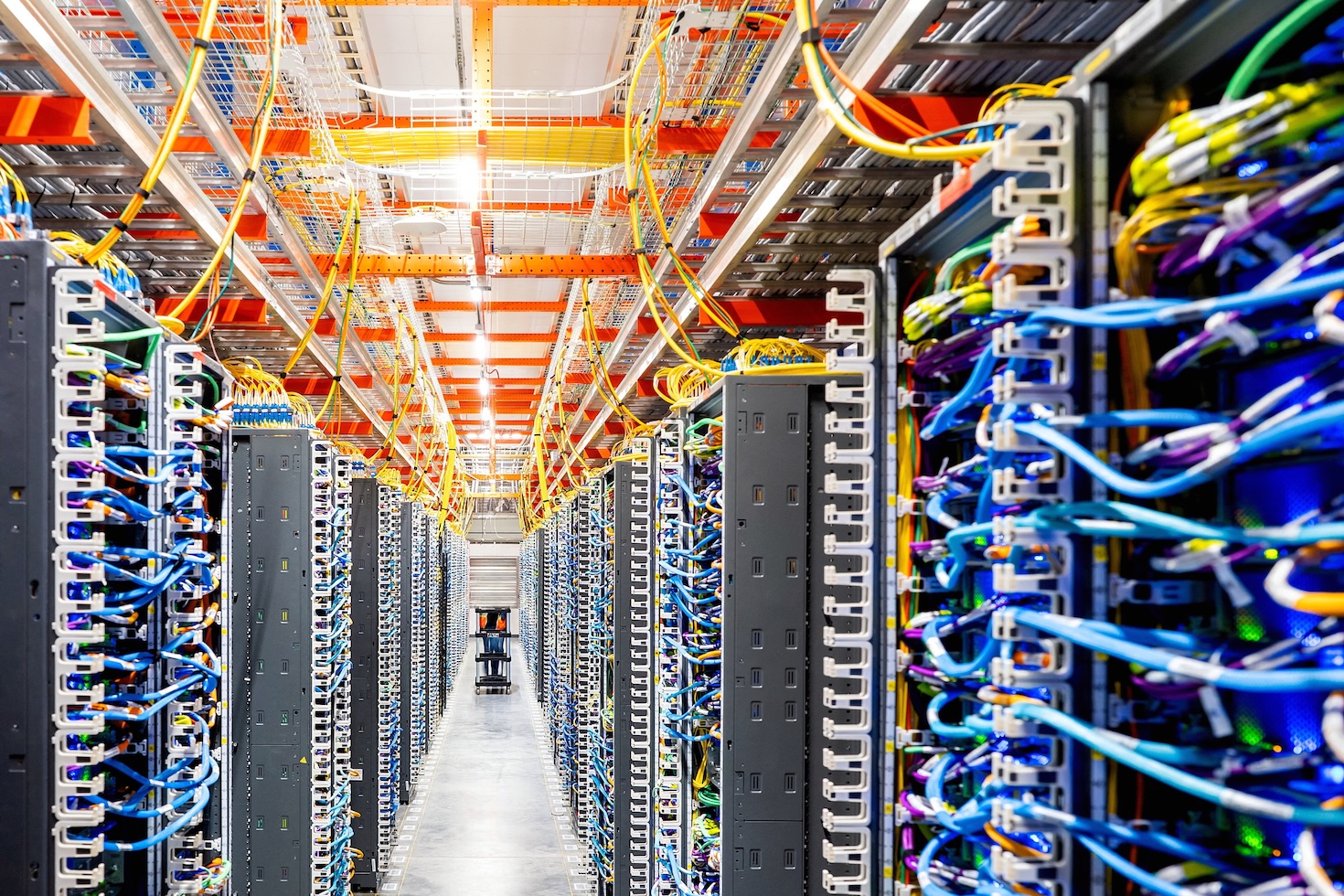
The Forum: A Study in Strategic Alignment
Operating under the Chatham House Rule, the forum provided a rare space for stakeholders—who typically inhabit different silos—to engage in candid dialogue. The goal was to move beyond abstract sustainability goals and toward a concrete framework for development.
The Energy Ladder: A Tiered Approach
One of the most compelling concepts to emerge from the working groups was the "Energy Ladder." This framework moves beyond simple, binary goals and instead offers a roadmap for increasing levels of responsibility:
- The Floor (Bring Your Own Energy): The baseline requirement for any new facility, ensuring that the developer is at least aware of their own energy sourcing.
- The Medium Bar (Bring Your Own Clean Energy): A transition to carbon-free energy sources, utilizing a mix of renewables and power purchase agreements (PPAs).
- The High Bar (Add to the Community’s Infrastructure): The gold standard, where data centers function as grid assets, actively contributing to local energy resilience and infrastructure upgrades that benefit the surrounding community.
Non-Negotiables for Development
When participants were asked to define their "non-negotiables," three core themes emerged:
- Transparency: A total shift away from opaque permitting processes toward public disclosure of water usage, carbon impact, and noise profiles.
- Community Buy-in (Pre-Build): The consensus was that consultation must happen before a site is chosen, not after the plans have been finalized. This includes providing communities with the funding necessary to hire their own technical consultants to review project proposals.
- Do No Harm: A commitment to ensuring that a data center’s presence does not degrade local property values, water tables, or the aesthetic integrity of the region.
Official Responses and Industry Skepticism
While the forum produced a striking convergence of ideas, a layer of skepticism remains regarding the industry’s ability to act. The "productive tension" at the event highlighted a critical divide: the difference between what the industry can do and what it will do.
Industry participants acknowledged that "decarbonization" as a buzzword often fails to resonate with local host communities. In many rural areas, large-scale solar farms—often associated with data center sustainability claims—are viewed as an existential threat to farmland, further complicating the "green" narrative.
Furthermore, the absence of key stakeholders—specifically local regulators, permit-granting authorities, and the frontline communities themselves—underscored the difficulty of creating a truly inclusive standard.
Implications: The Path Forward
The implications of the current standoff are clear: if the industry continues to prioritize the "fastest way" over the "right way," the result will be a regulatory environment so restrictive that it may cripple the very AI ambitions the infrastructure is intended to support.

1. The Regulatory Outlook
Expect a surge in "Community Reinvestment Act-style" mandates. As opposition grows, local governments will likely require developers to provide direct, tangible benefits to the local economy, such as municipal energy upgrades, educational investments, or direct profit-sharing models.
2. The Lifecycle Mandate
Investors are beginning to demand full-lifecycle plans. It is no longer sufficient to build a facility; stakeholders now want to know the exit strategy: How will this site be decommissioned? How will the land be restored? What happens when the hardware becomes obsolete in 10 years?
3. The Need for "Community Agency"
The most sustainable data centers of the future will be those that empower local populations. This means giving communities a seat at the table—or, more accurately, a vote on the outcome. Projects that treat communities as partners rather than obstacles will be the ones that survive the coming wave of scrutiny.
Conclusion
The trillion-dollar wave of AI infrastructure is currently hitting a wall of local skepticism. The Sustainable AI Infrastructure Forum proved that the industry is capable of imagining a more responsible, community-centric model of growth. However, the gap between that vision and current practice remains wide.
The mandate for the next few years is to bend this trillion-dollar trajectory toward a model that respects local constraints and contributes to public welfare. This shift will not happen through press releases or corporate slogans; it will happen through the next human-to-human conversation, and the one after that. The window to shape the next 50 years is open, but it is narrowing by the day. Whether the industry chooses to walk through it, or continue to rush headlong into a wall of resistance, will define the future of the digital age.