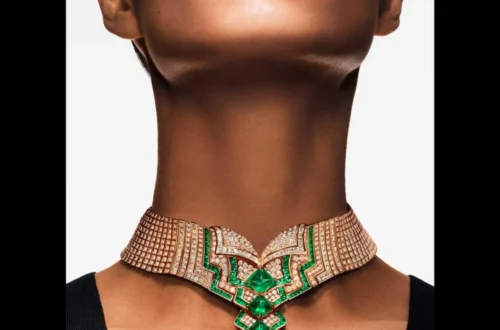

At the prestigious 10th anniversary edition of GemGenève, the global epicentre for the jewellery and gemstone trade, a seismic shift in the industry’s creative landscape was unveiled. The Jewellery and Gemstone Association of Africa (JGAA) presented the winners of its highly anticipated Design Dynamic Competition, an initiative that served as a profound exploration of African identity, biodiversity, and technical prowess.
By challenging designers from across Africa and its global diaspora to reinterpret the future of jewellery through the evocative lens of avian symbolism—specifically focusing on movement, colour, and myth—the JGAA has effectively cemented its role as a bridge between burgeoning African talent and the international luxury market.

Main Facts: A Celebration of Avian Artistry
The Design Dynamic Competition is more than a mere showcase; it is a strategic platform designed to elevate the visibility of African jewellery artisans. The competition, divided into three rigorous categories—Computer Assisted Design (CAD), The Art of Gouache, and Hand Rendered Design—drew entries from across the continent and the diaspora, resulting in a collection that is as narratively rich as it is technically complex.
The winning projects, now slated for production in collaboration with industry partners like Maison Piat and Moyo by Piat, transform natural observations into high-jewellery concepts. Whether it is the iridescent plumage of the Purple-crested Turaco or the stoic, guardian-like silhouette of the Nile-dwelling Grey Heron, the winning designs prove that the future of global jewellery is increasingly looking toward the narratives embedded within the African landscape.
Chronology: The Evolution of a Vision
The journey to the Geneva stage began with the founding of the JGAA in 2024 by visionary entrepreneur Longo Mulaisho-Zinsner. Recognizing a systemic gap in the international representation of African gemstone specialists and designers, Mulaisho-Zinsner sought to create an ecosystem that prioritized professional development and cross-border collaboration.
- Early 2024: The JGAA is officially established, setting its sights on creating a unified voice for the African gemstone sector.
- Late 2025: The Design Dynamic Competition is announced, calling for submissions that interpret "Birdlife, Movement, Colour, and Symbolism."
- Early 2026: A rigorous selection process takes place, involving a jury of industry experts who evaluated the conceptual depth, technical viability, and cultural resonance of the submissions.
- May 2026: The winning designs are unveiled at the 10th anniversary edition of GemGenève, providing the designers with direct access to global dealers, gem specialists, and cultural influencers.
- Post-GemGenève 2026: The transition phase begins. Winning concepts are moved into the production pipeline, where they will be realized as physical pieces of jewellery, incorporating high-quality gemstones provided by JGAA partners.
Supporting Data: The Pillars of Contemporary Design
The competition’s success was rooted in its three-pronged approach to technique, each reflecting the shifting methodologies of the modern jewellery atelier.
The CAD Revolution
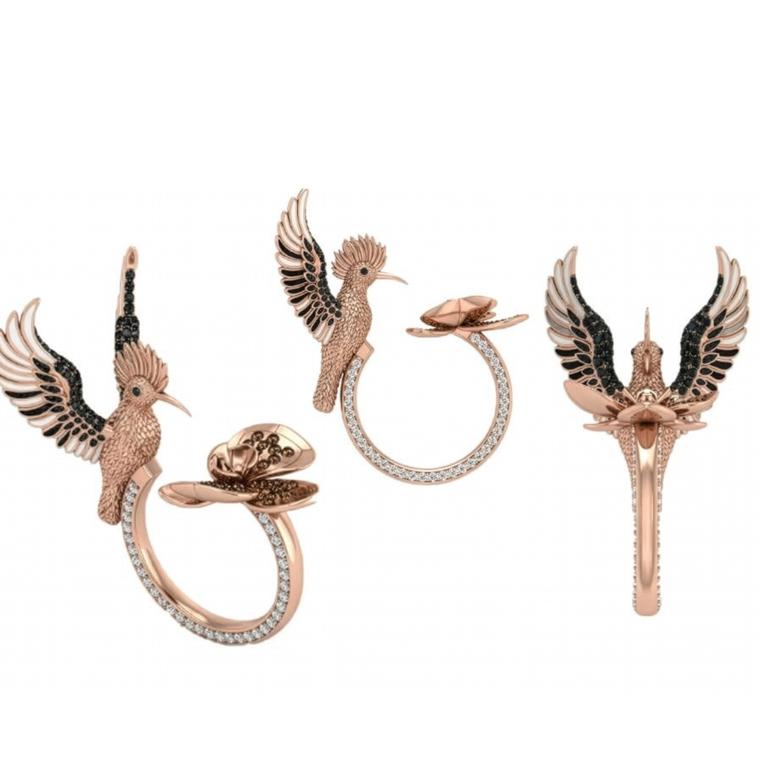
The CAD category proved that digital tools are not merely for efficiency; they are vessels for profound storytelling. Nomonde Zwane, a designer from Eswatini, utilized digital modeling to honor her ancestral ties. Her interpretation of the Hoopoe bird (uMzolozolo) transcended simple mimicry, evolving into a spiritual talisman that represented her late grandparents.
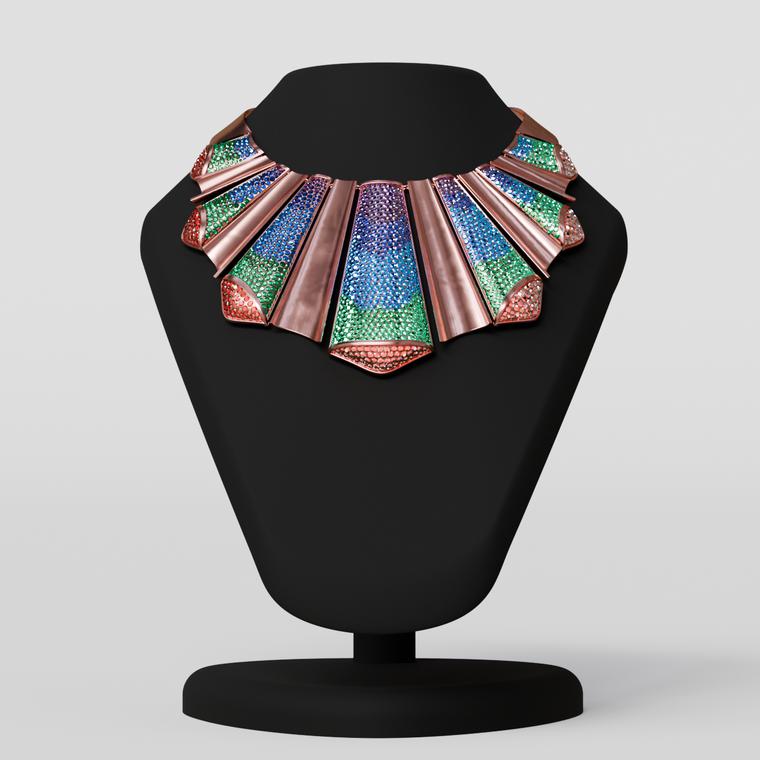
Similarly, Eduardo Moreno Nery Vieira, representing the Brazilian diaspora, underscored the cross-continental dialogue inherent in the African experience. His work on the Purple-crested Turaco demonstrated how fluid, articulated digital forms can capture the kinetic energy of flight, effectively translating the "chromatic intensity" of African biodiversity into a luxury necklace.
The Revival of Gouache
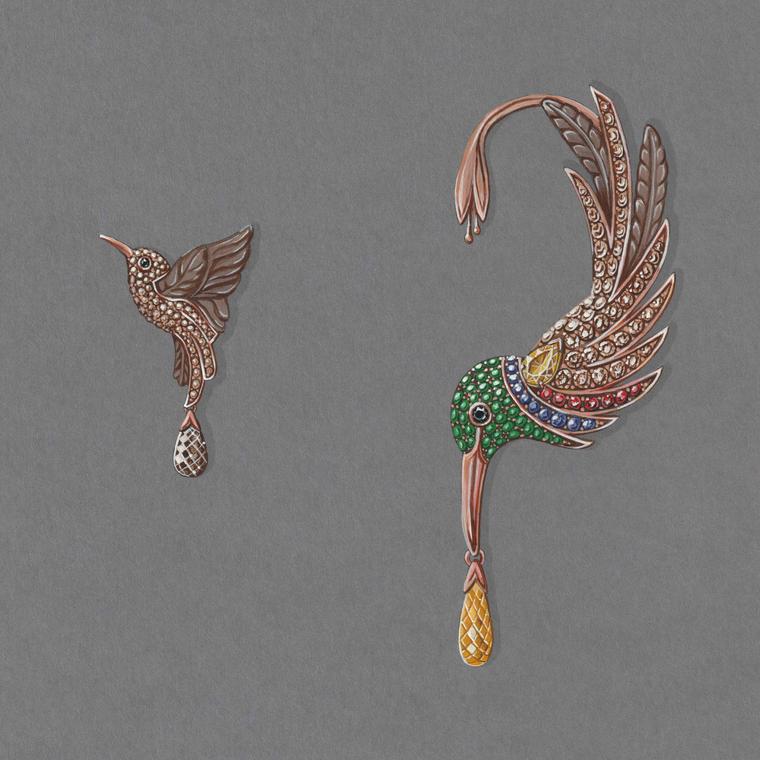
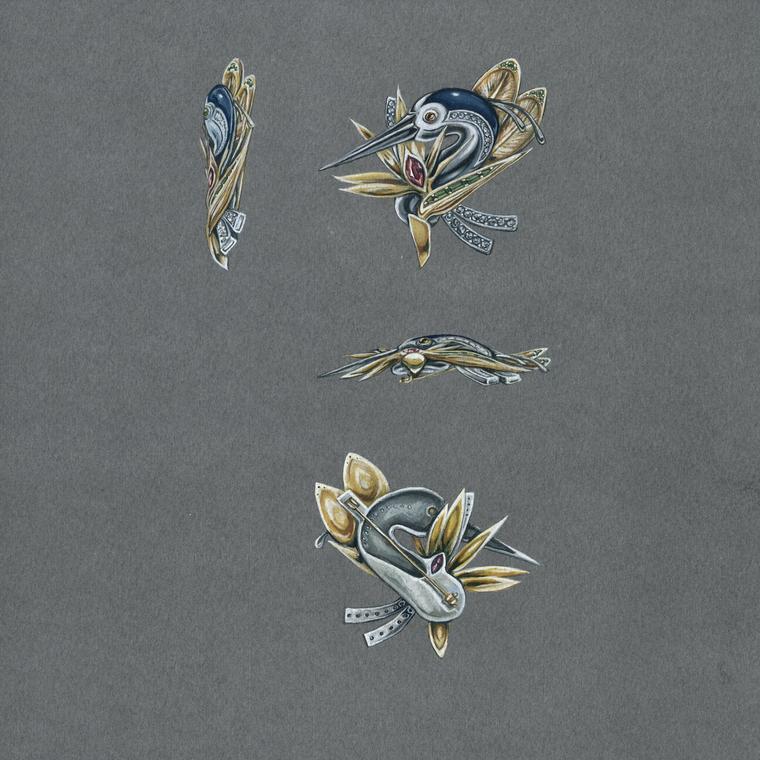
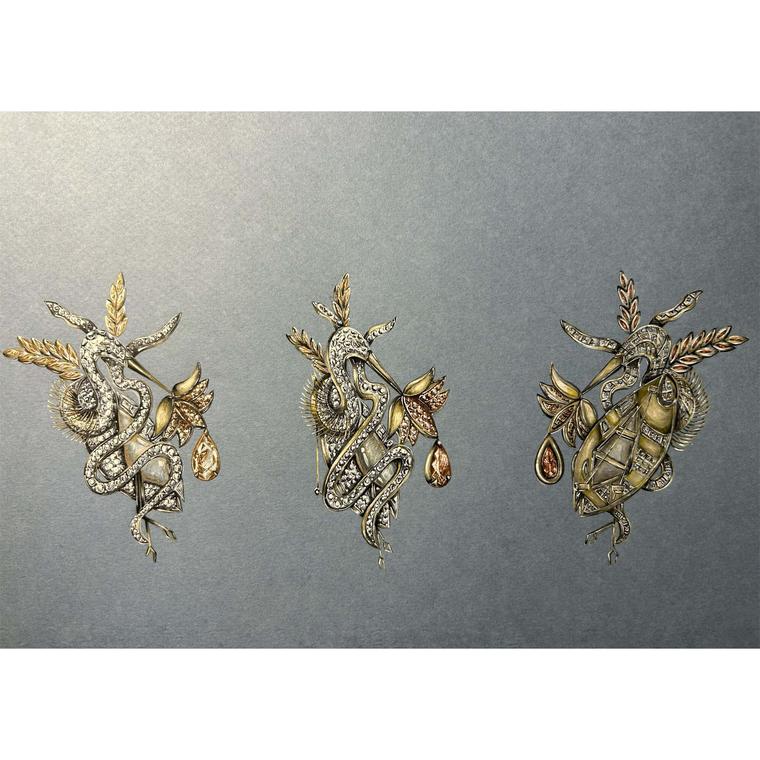
In an era dominated by screens, the JGAA’s emphasis on gouache—a traditional medium requiring immense patience and precision—was a deliberate nod to the heritage of the craft. Cathy Lennox (South Africa) showcased the Southern Double-Collared Sunbird through asymmetrical compositions, highlighting the balance of nature. Meanwhile, Jana Lützeler and Nada Basta both utilized the Grey Heron to explore environmental identity. While Lützeler focused on the flora of the Cape Floral Kingdom, Basta grounded her work in the historical currents of the Nile, utilizing carnelian and moonstone to evoke the landscape of Upper Egypt.
The Power of the Hand-Rendered
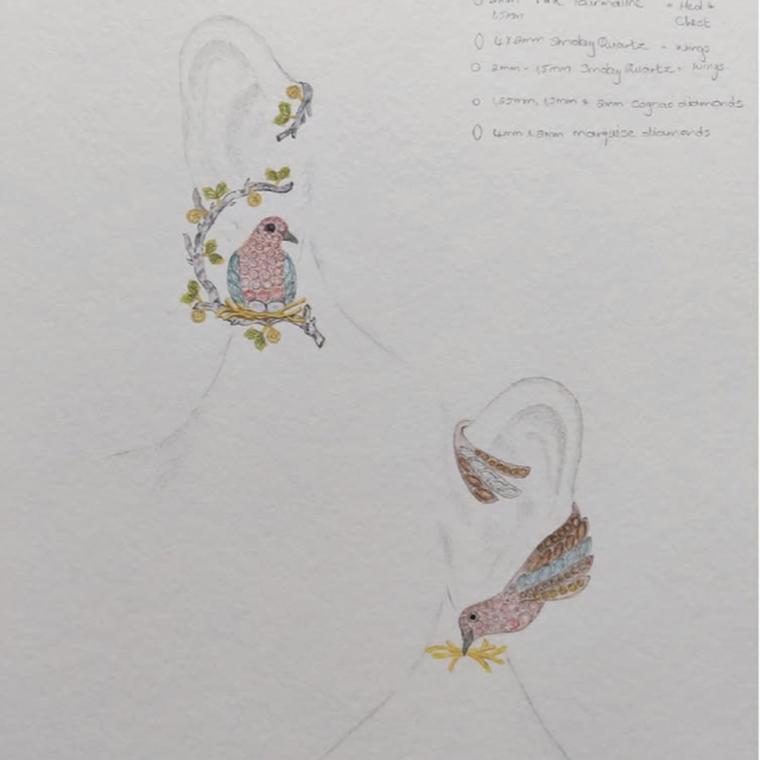
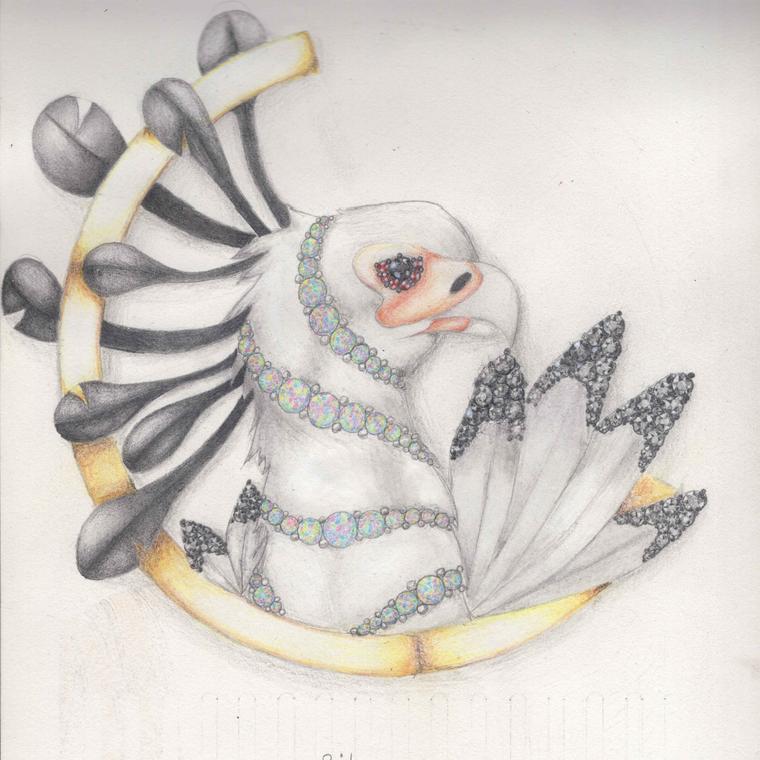
The hand-rendered category reinforced the intimacy of the designer’s touch. Lenate de Villiers’ work with the Laughing Dove utilized the medium to explore the concepts of "Ubuntu" and resilience, while nineteen-year-old Marna Potgieter’s bold vision of the Secretary Bird—incorporating buffalo horn, black onyx, and opals—proved that the next generation of African designers is fearless in their pursuit of avant-garde aesthetics.
Official Responses: Cultivating Global Dynamics
Longo Mulaisho-Zinsner, the driving force behind the JGAA, views the competition as a catalyst for a more inclusive industry. "Our vision is to see a truly dynamic African jewellery and gemstone industry—one that reflects the diversity, creativity, and brilliance already alive within it," she stated during the press conference at GemGenève.
Mulaisho-Zinsner emphasizes that the competition is as much about structural support as it is about artistic praise. By facilitating partnerships with gemstone suppliers, the JGAA ensures that these designers are not merely creating drawings, but building a tangible legacy. "Each open call reveals new voices and new ways of seeing Africa through design," she added. The sentiment among the jurors and partners, including the Piat family, is one of immense optimism; there is a palpable consensus that African design is no longer a peripheral interest but a central pillar of global luxury.
Implications: The Road Ahead
The implications of the Design Dynamic Competition extend far beyond the showroom floor at GemGenève. By providing a platform that respects both the traditional craftsmanship of the African continent and the technological innovations of the modern era, the JGAA is effectively decolonizing the luxury jewellery narrative.
Economic and Cultural Impact
The transition of these designs from renderings to finished jewels carries significant weight. It signals to investors and global retailers that Africa is not merely a source of raw materials (gemstones) but a powerhouse of intellectual property and design talent. As these pieces enter the market, they will serve as ambassadors for African identity, proving that stories of resilience, ancestral memory, and ecological stewardship are high-value commodities in the luxury sector.
A New Model for Mentorship
The JGAA has established a scalable model for how industry associations can nurture talent. By linking emerging designers with established gem houses, the association has solved one of the most common hurdles for new artisans: access to high-quality materials. This collaborative pipeline ensures that the "finished product" is of a quality that can compete on the world stage, from Paris to Dubai to New York.
The Future of African Design
As we look beyond 2026, the success of this initiative suggests that the "African aesthetic" is not a monolith. It is a vast, multifaceted spectrum ranging from the ancient symbolism of the Nile to the modern, tech-forward interpretations of southern African designers. The JGAA has opened the door for these narratives to be heard, not as folklore, but as contemporary design philosophy.
In conclusion, the Design Dynamic Competition has proven that the intersection of technology, tradition, and personal identity is where the future of jewellery lies. The JGAA’s 10th anniversary collaboration with GemGenève has provided a much-needed spotlight on this evolution, ensuring that when we look at the future of the industry, we see the vibrant, avian-inspired, and deeply personal perspectives of the African creative spirit. The journey from the drawing board in Eswatini or Egypt to the display cases of the world’s most elite jewellery houses has officially begun.