Published on July 4, 2026
The global architectural landscape is currently witnessing a profound paradigm shift. For decades, the industry was dominated by a "top-down" approach, characterized by glass towers, energy-intensive climate control systems, and standardized industrial materials like concrete and steel. However, as the realities of the climate crisis and resource scarcity become impossible to ignore, a new movement is gaining momentum. Architects are increasingly looking backward to move forward, integrating "vernacular knowledge"—the ancestral building wisdom of specific regions—into contemporary design.
This is not a nostalgic retreat into the past, but a sophisticated, data-driven evolution. From the floodplains of Bangladesh to the arid landscapes of Egypt, contemporary projects are proving that earth walls, bamboo structures, and passive cooling techniques are not just relics of history, but the most advanced tools available for a sustainable future.
Main Facts: The Transition from Aesthetic to Utility
The core of this architectural shift lies in the redefinition of vernacular knowledge. Traditionally viewed as "folk architecture" or historical curiosities, these techniques are now being treated as high-performance solutions to modern problems.
The New Toolkit of Contemporary Design
Modern architects are adopting four primary pillars of vernacular wisdom:
- Passive Thermal Regulation: Using materials like rammed earth and stone, which possess high thermal mass, to regulate indoor temperatures without the need for air conditioning.
- Local Material Sourcing: Prioritizing "low-embodied carbon" materials found within a 50-mile radius of the site, such as bamboo, timber, and clay.
- Modular and Repairable Structures: Designing buildings that can be easily disassembled, moved, or repaired by the inhabitants themselves using local skills.
- Collective Construction: Moving away from specialized, outsourced labor toward community-based building processes that keep economic resources within the local population.
Key Projects Leading the Charge
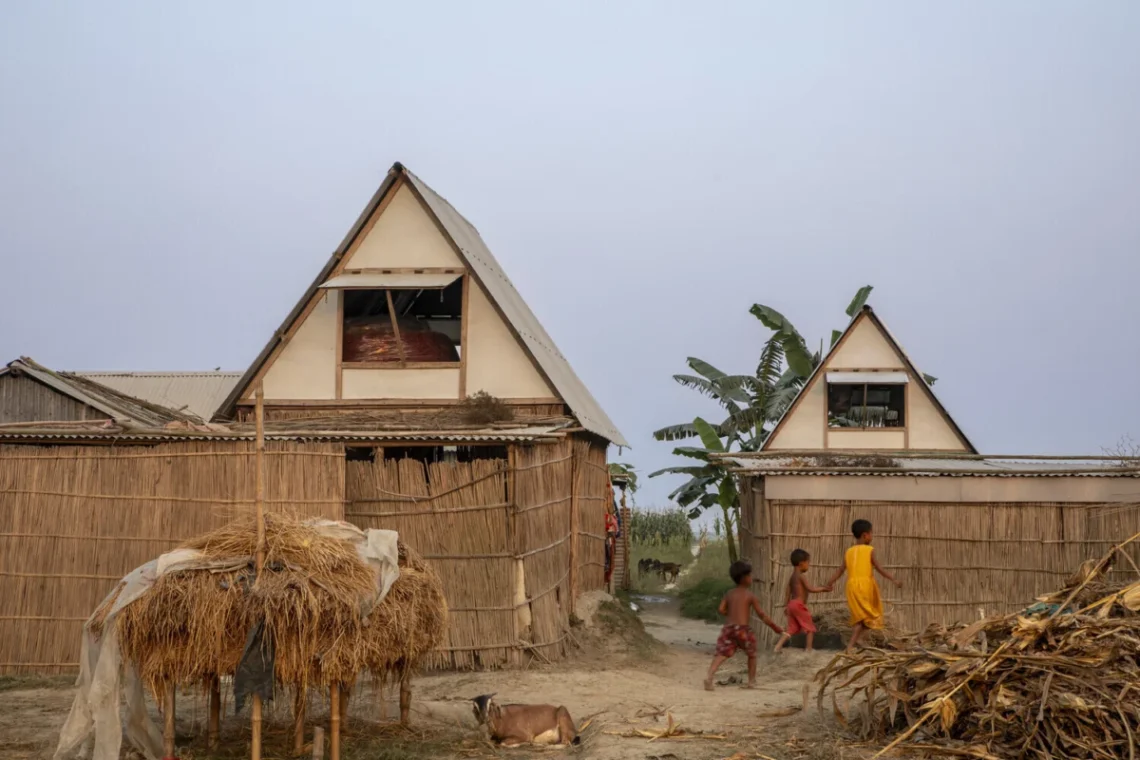
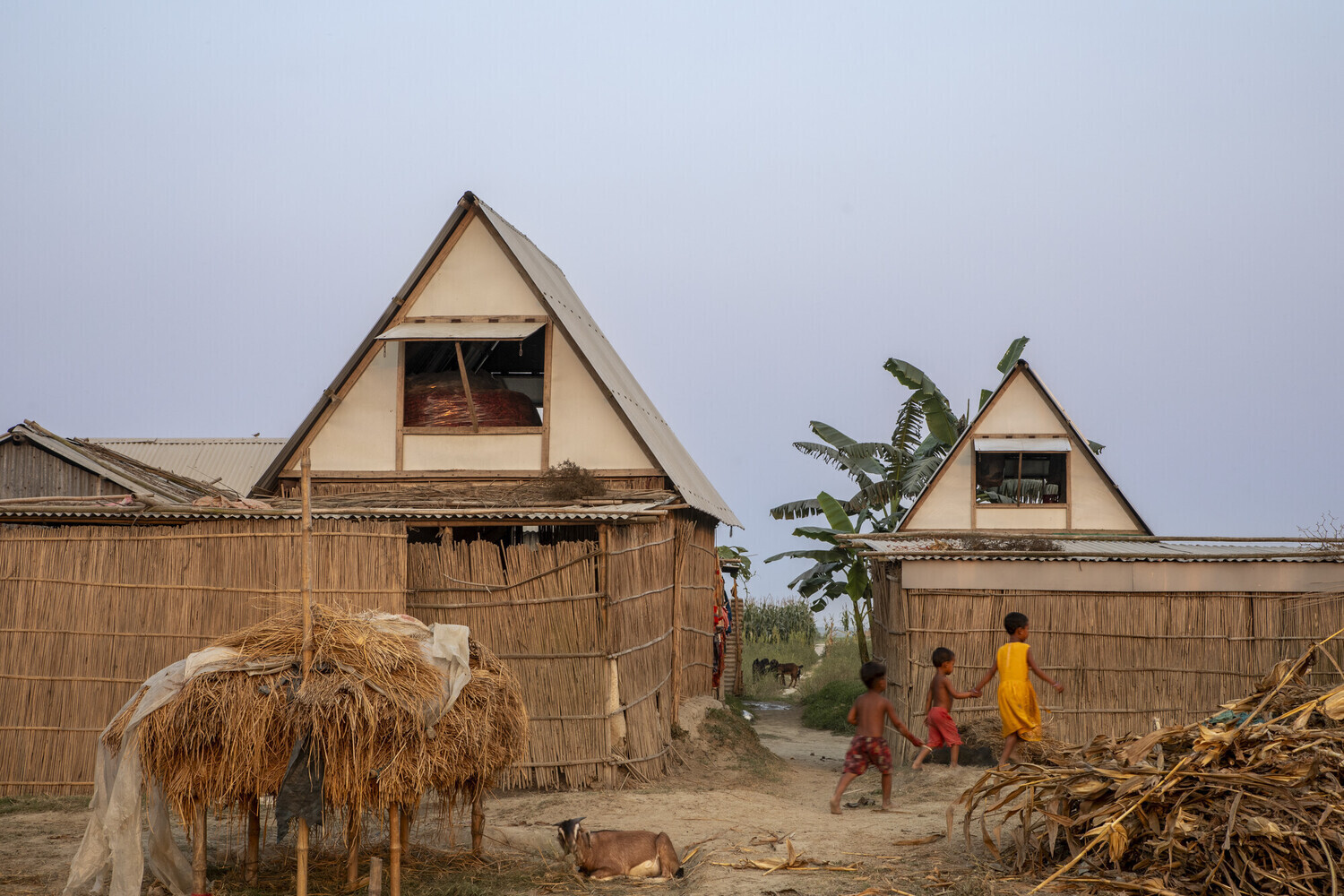
Several pioneering projects illustrate this trend. Marina Tabassum’s "Khudi Bari" (Tiny House) in Bangladesh offers a modular, mobile solution for climate refugees. In Egypt, the social enterprise Hand Over is utilizing earth construction to provide affordable, high-performance housing. Meanwhile, Cave Urban’s "BaleBio" project explores the structural potential of bamboo, treating it as a viable alternative to steel in modern frameworks.
Chronology: The Evolution of Building Wisdom
To understand why vernacular knowledge is surging in 2026, one must look at the timeline of architectural philosophy over the last century.
- 1920s–1960s: The Rise of Internationalism: The "International Style" promoted the idea that architecture should be the same everywhere, regardless of climate. This led to the ubiquity of the glass-and-steel box, reliant entirely on mechanical HVAC systems.
- 1970s: The First Energy Crisis: The oil shocks of the 70s prompted a brief interest in "appropriate technology" and passive solar design, though this remained a niche interest.
- 1990s–2010s: The Greenwashing Era: "Sustainability" became a buzzword, often focused on high-tech gadgets like solar panels and smart glass, while the underlying building structures remained ecologically taxing.
- 2020–2024: The Climate Reality Check: Record-breaking heatwaves and floods exposed the vulnerability of modern glass buildings. Architects began to realize that high-tech solutions often fail during power outages or resource shortages.
- 2025–Present: The Vernacular Renaissance: A concerted effort by global institutions (such as the Aga Khan Award for Architecture and various UN-Habitat initiatives) has moved vernacular knowledge to the center of the professional curriculum.
Supporting Data: The Case for Ancestral Innovation
The push toward vernacular methods is backed by rigorous environmental and economic data.
Carbon Footprint and Materiality
The construction industry is responsible for approximately 37% of global energy-related CO2 emissions. A significant portion of this comes from "embodied carbon"—the energy required to produce materials like cement.
- Concrete: Produces roughly 0.9kg of CO2 for every 1kg of cement produced.
- Rammed Earth: Can have a carbon footprint near zero, especially if the soil is excavated on-site.
- Bamboo: Acts as a carbon sink, sequestering CO2 during its growth phase and requiring minimal energy for processing.
Thermal Performance
In arid climates, studies have shown that traditional thick-walled mud-brick (adobe) structures can maintain internal temperatures up to 10°C lower than the external peak during the day. In contrast, uninsulated concrete structures often act as "heat batteries," absorbing heat and radiating it back into the living space at night, necessitating constant mechanical cooling.
The Khudi Bari Model
Marina Tabassum’s Khudi Bari project addresses the specific vernacular needs of the Ganges delta. The structure uses a space-frame system made of bamboo and steel joints. Data from the project shows that these homes can be assembled or disassembled by just three people in a matter of days. This "mobile vernacular" responds to the reality of shifting riverbanks, where land can literally disappear overnight due to erosion.
Official Responses: Expert Perspectives and Institutional Support
The shift toward vernacular knowledge is being met with both acclaim and institutional caution.
Marina Tabassum, founder of MTA, has frequently argued that architecture must serve the "bottom 99%." In recent interviews, she noted: "Vernacular is not about looking back at the past; it’s about looking at the wisdom of the people who have lived on the land for generations. They know how to survive. As architects, we are just adding a layer of technical refinement to that survival knowledge."
The Aga Khan Trust for Culture, which has been instrumental in documenting and rewarding these projects, emphasizes the social dimension. Their spokespeople argue that when a community builds its own structures using local earth or bamboo, they are not just building shelter; they are preserving a "living heritage" and ensuring that the local economy remains resilient against global supply chain shocks.
However, Building Regulatory Bodies in many Western nations remain a hurdle. "Current building codes are written for industrial materials," says a representative from a leading European engineering firm. "It is difficult to get a permit for a load-bearing earth wall in a major city because our safety standards are calibrated for the predictable uniformity of concrete, not the organic variability of soil."
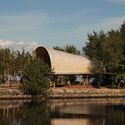
Despite these hurdles, organizations like Hand Over in Egypt are working directly with engineers to create standardized "earth-mix" recipes that meet modern safety and durability codes, bridging the gap between ancient practice and modern regulation.
Implications: The Future of the Built Environment
The integration of vernacular knowledge into contemporary architecture has far-reaching implications for the future of our cities and rural areas.
1. Decarbonization of the Global South
As the Global South continues to urbanize at an unprecedented rate, the "vernacular approach" offers a way to build without replicating the massive carbon footprint of Western industrialization. If India, Africa, and Southeast Asia can bypass the "Concrete Age" and move straight to a "Bio-Material Age," the global climate goals might actually be reachable.
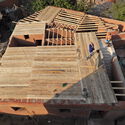
2. Resilience in the Face of Systemic Failure
As climate change increases the frequency of extreme weather events, our reliance on centralized power grids becomes a liability. Buildings designed with vernacular cooling and heating principles are "passively resilient." They remain habitable even when the power goes out, providing a critical safety net for vulnerable populations.
3. Democratization of Construction
By simplifying construction techniques and using local materials, architecture becomes less of an elite, "starchitect-driven" profession and more of a collaborative, community-based endeavor. This empowers marginalized communities to take control of their own environments, reducing dependence on international aid and expensive imported materials.
4. A New Aesthetic Language
Finally, this movement is giving birth to a new aesthetic. We are moving away from the "non-place" architecture of identical skyscrapers and toward an architecture that feels rooted in its specific geography. This "New Vernacular" celebrates the texture of hand-pressed bricks, the organic geometry of bamboo, and the play of light in shaded thresholds.

Conclusion
The "Building Forward" movement proves that the most sophisticated technology is not always the newest. Sometimes, it is the knowledge that has been refined over millennia, waiting to be rediscovered. As we face an uncertain future, the fusion of ancestral wisdom and modern engineering offers a blueprint for an architecture that is not only sustainable but deeply human.
In the words of the late Hassan Fathy, the pioneer of earth architecture: "Modernity does not necessarily mean vitality." In 2026, the architectural world has finally realized that true vitality lies in the earth beneath our feet and the traditions that have long understood how to live in harmony with it.