

In the rarified world of Haute Horlogerie, few brands occupy the intersection of avant-garde mechanics and artisanal storytelling as effectively as Roger Dubuis. Known for its unapologetic embrace of “hyper-horology,” the Geneva-based manufacture has once again pushed the boundaries of its iconic Knights of the Round Table series. However, for this latest iteration, the brand has traded the mist-shrouded legends of Camelot for the disciplined, formidable elegance of 17th-century Japan. The result is the Excalibur The Kabuto Legacy—a horological masterpiece that translates the spirit of the samurai into 18k pink gold and sapphire.
Main Facts: A Convergence of Folklore and Precision
The Excalibur The Kabuto Legacy is not merely a timepiece; it is a sculptural achievement. At its core, the watch pays homage to the Edo period, a time of relative peace and rigid social structure in Japan, symbolized by the legendary Kabuto helmets worn by elite samurai commanders.
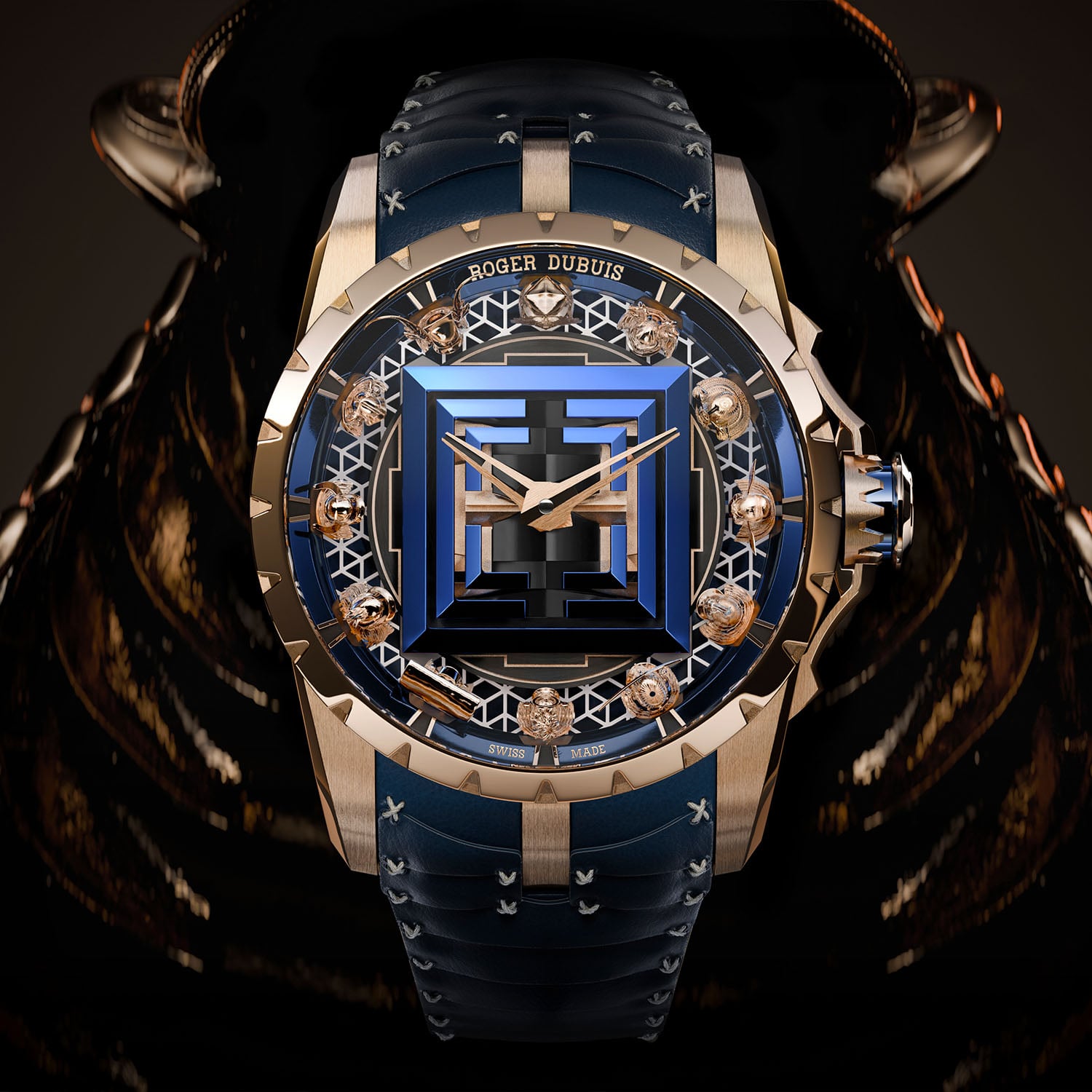
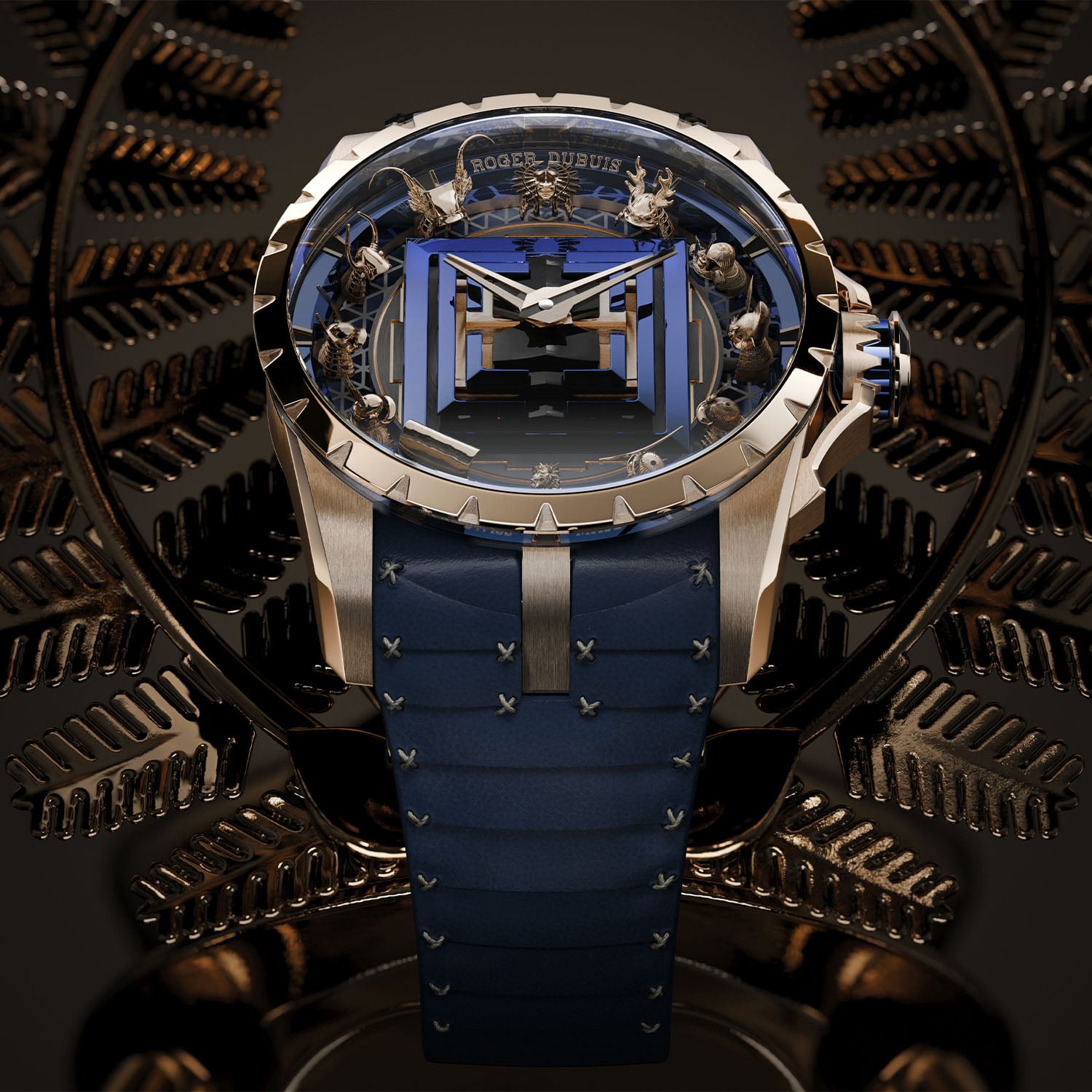
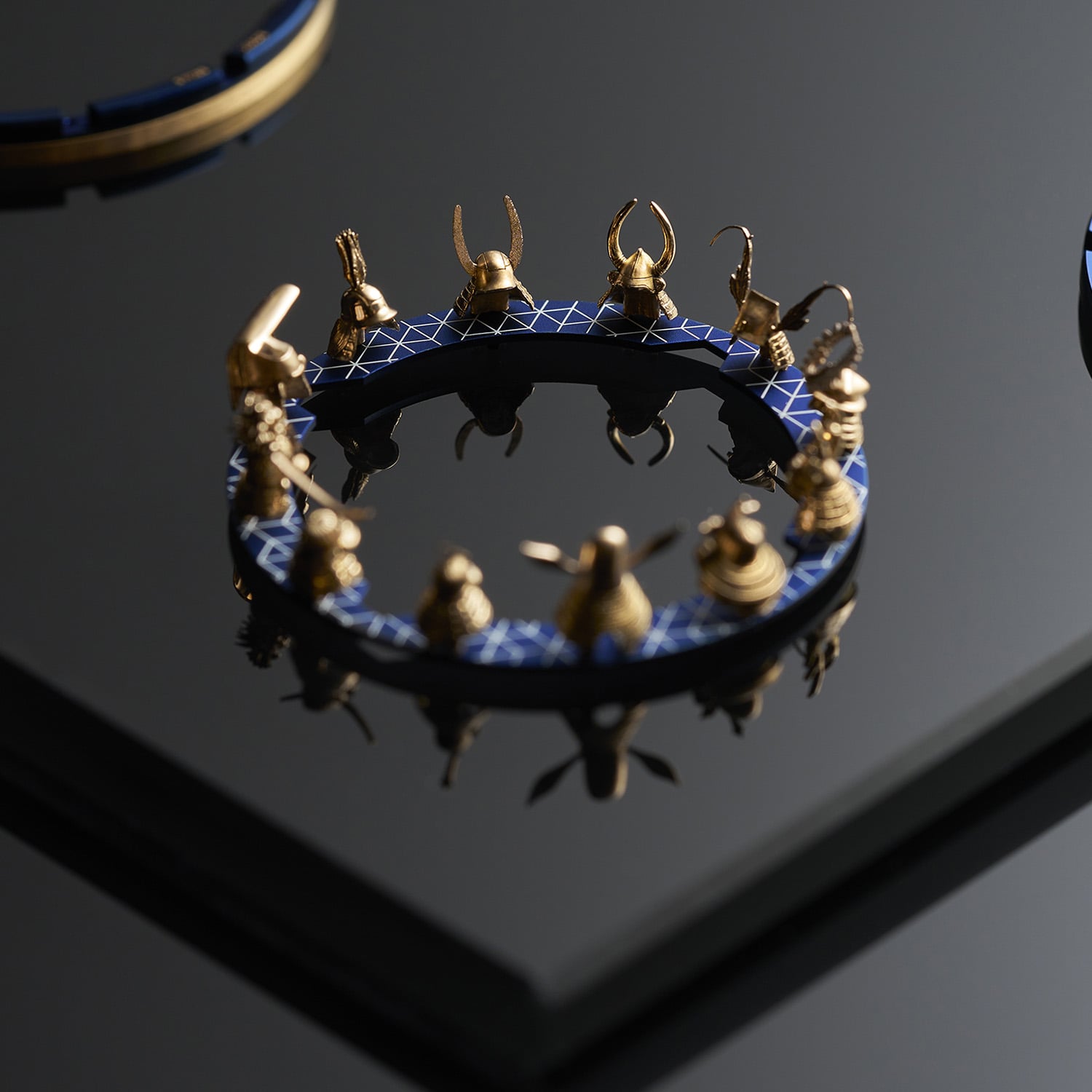
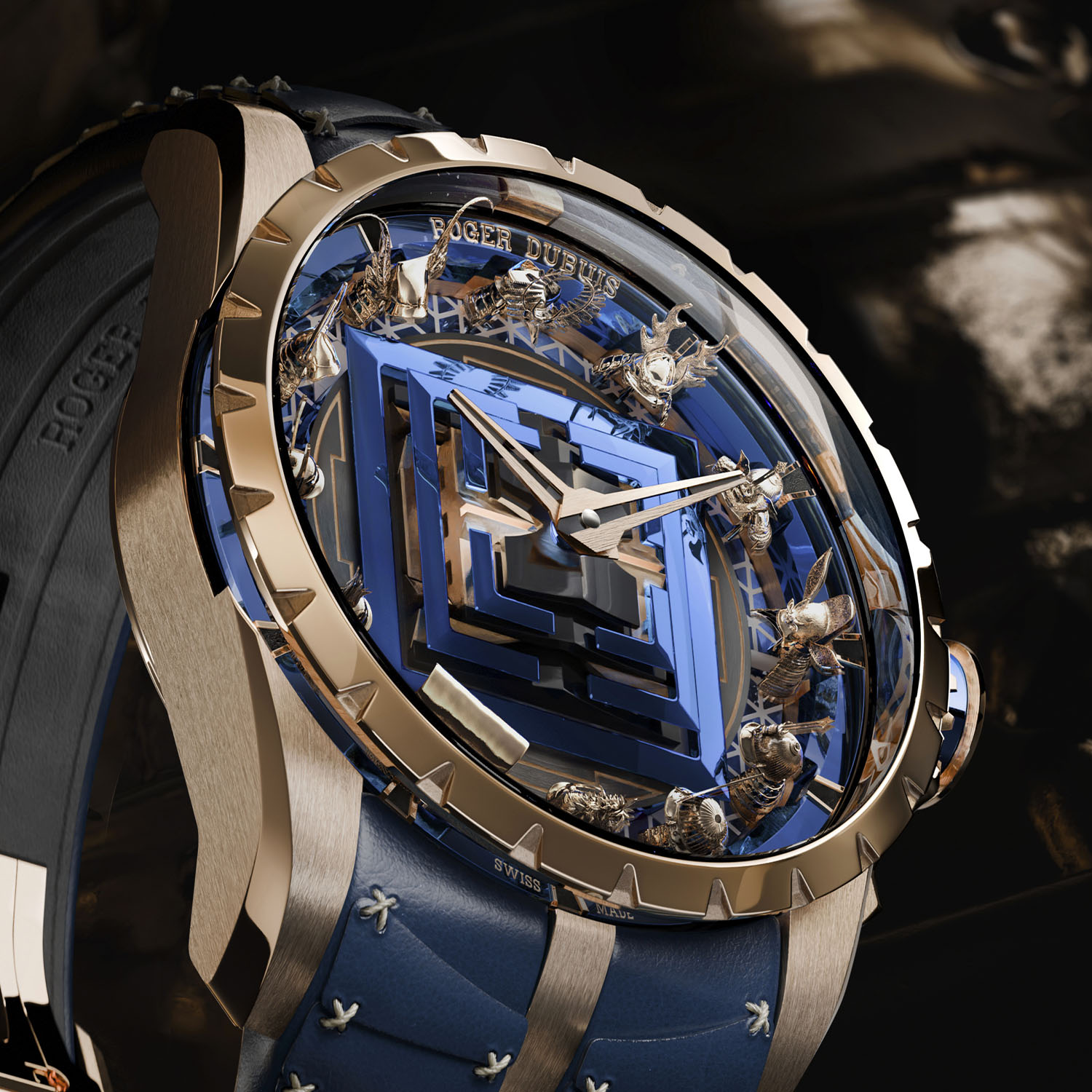
The watch is housed in a substantial 45mm pink-gold case, measuring 16.87mm in thickness—a profile that demands attention on the wrist. Beneath the sapphire crystal lies a dial of breathtaking complexity: an abstract representation of Edo Castle, constructed from 17 distinct elements finished in pink gold, black PVD, and deep blue CVD. Surrounding this central fortress are 12 hand-engraved 18k pink-gold Kabuto helmets, each representing a different historical commander.
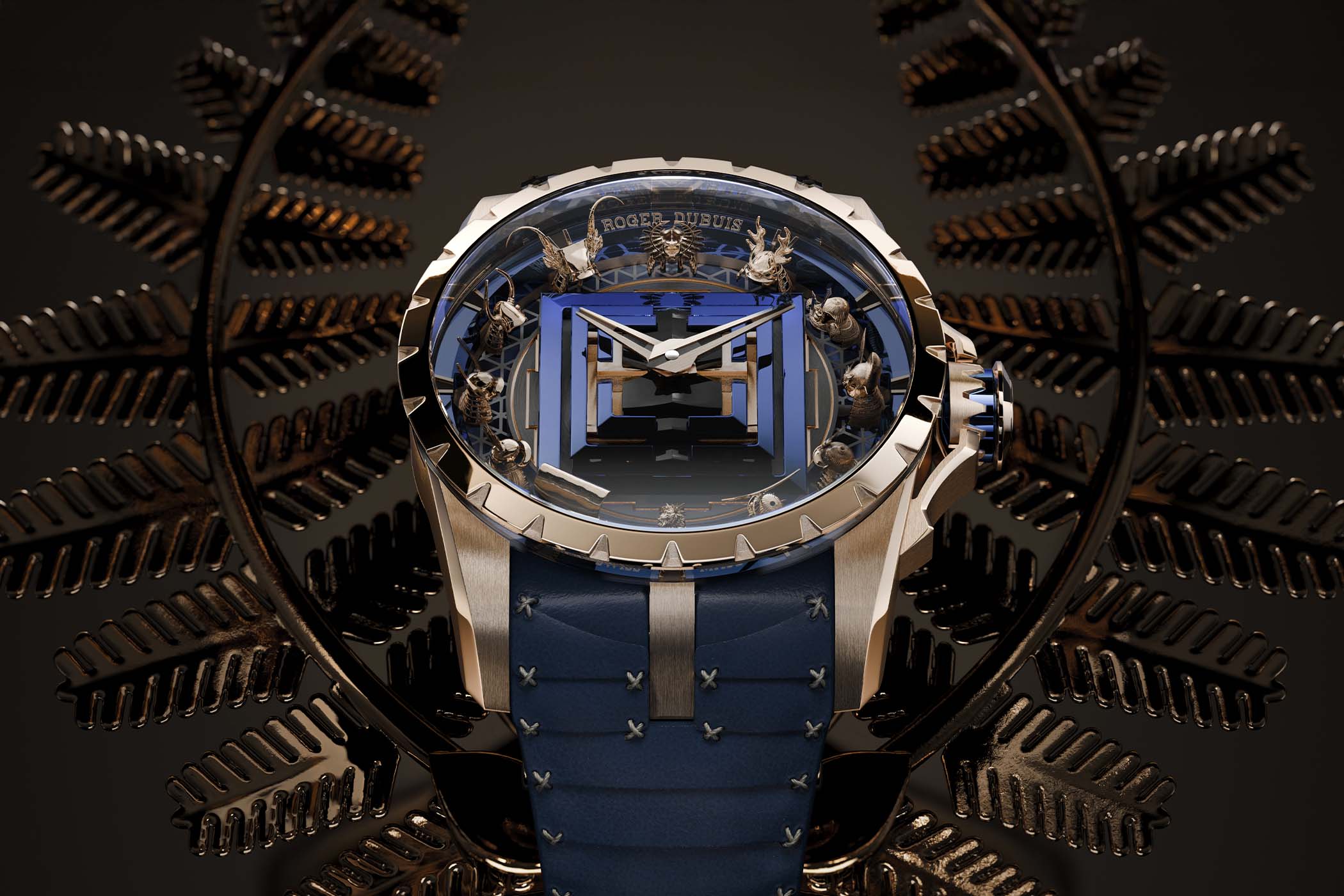
The timepiece is powered by the RD821 calibre, an automatic movement carrying the prestigious Poinçon de Genève seal, ensuring that the internal performance matches the external extravagance. With a production run limited to just 28 pieces worldwide, this watch is positioned firmly in the upper echelons of collector exclusivity.
A Chronology of the Round Table Concept
To understand the weight of the Kabuto Legacy, one must look back at the origins of the series. Roger Dubuis first introduced the Knights of the Round Table concept in 2013. At the time, it was a radical departure from traditional watchmaking, replacing indices with tiny, hand-sculpted figures of Arthurian legend. The watch became an instant cult classic, signaling that Roger Dubuis was not interested in conforming to the sober, minimalist trends of the era.
- 2013: The inaugural Knights of the Round Table watch debuts, setting the stage for a recurring series that prioritizes Métiers d’Art.
- 2015–2023: The brand releases multiple iterations, experimenting with materials like bronze, enamel, and even Murano glass, each time reinterpreting the 12-figure layout.
- 2025: The Enchanter Merlin edition is released, signaling a shift toward more narrative-driven, mythological storytelling.
- 2026: The launch of The Kabuto Legacy, marking the first time the series has pivoted entirely away from European folklore to explore the rich military history of Japan.
This evolution represents a strategic shift for Roger Dubuis: moving from simple “thematic” watches to deeply researched cultural collaborations.
Supporting Data: The Anatomy of a Masterpiece
The craftsmanship involved in the Excalibur The Kabuto Legacy is staggering. Each of the 12 Kabuto helmets is a masterclass in micro-sculpture. Collectors with a keen eye for history will immediately recognize iconic designs, such as the fern-crest helmet of Tokugawa Ieyasu, the imposing deer antlers associated with the legendary strategist Honda Tadakatsu, and the distinctive crescent moon crest of the "One-Eyed Dragon," Date Masamune.
Technical Specifications Summary
- Case Material: 18k Pink Gold.
- Movement: RD821, automatic, 28,800 vph (4Hz).
- Power Reserve: 48 hours.
- Finishing: 14 distinct in-house techniques applied to the movement.
- Strap: Blue calfskin featuring stitched leather strips mimicking the O-yoroi armor plates worn by samurai, complemented by a triple folding buckle.
- Water Resistance: 30 meters.
The integration of the strap is particularly noteworthy. By utilizing leather strips to mimic the aesthetic of traditional samurai armor, Roger Dubuis ensures the theme is consistent from the dial down to the clasp. The inclusion of an additional strap allows the wearer to transition between a more casual aesthetic and the full, ornate presentation of the watch.
Official Responses and Historical Authenticity
In an era where luxury brands are often accused of “cultural tourism,” Roger Dubuis took a proactive approach to ensure the integrity of the Kabuto Legacy. The manufacture collaborated closely with Frederik Cryns, a renowned professor of Japanese history and the historical consultant for the Emmy-winning series Shōgun.
Cryns’ involvement was not merely for marketing purposes; he was instrumental in ensuring that the Kamon (family crests) associated with the 12 commanders were historically accurate. These crests are laser-engraved on the blue-coated pink-gold ring that frames the exhibition caseback.
"The goal was to move beyond the aesthetic of the samurai and capture the discipline of the era," noted a spokesperson for the brand. By bringing in a recognized expert like Professor Cryns, Roger Dubuis elevates the watch from a decorative object to a piece of historical scholarship.
Implications for the Collector Market
The release of the Excalibur The Kabuto Legacy has significant implications for the secondary market and the brand’s future trajectory.
1. The Rise of "Narrative Horology"
Collectors are increasingly seeking watches that tell a story beyond their technical specifications. The success of the "Round Table" series suggests that clients are willing to pay a significant premium (estimated in the CHF 300,000 range) for objects that serve as both timekeepers and art pieces.
2. Scarcity as a Catalyst for Value
With only 28 pieces in existence, the watch is effectively sold out before it hits the wider market. This scarcity ensures that it will likely become a centerpiece of private collections, rarely appearing at auction and potentially appreciating in value as the "Japanese series" grows in popularity.
3. The Future of the Excalibur Line
The shift from Arthurian legend to Japanese history suggests that Roger Dubuis may be planning to expand this concept into other global cultures. Whether they look to Viking sagas, Roman history, or African mythology next remains to be seen, but the Kabuto Legacy proves that the brand has the technical capacity to execute these complex themes with gravitas.
Conclusion: A Samurai’s Discipline in Gold
The Excalibur The Kabuto Legacy is a rare instance where the hype surrounding a luxury product is matched by its physical reality. In a world where luxury watches often feel mass-produced, this piece serves as a reminder of the power of the human hand—whether in the carving of a tiny gold helmet or the adjustment of a Poinçon de Genève-certified escapement.
For the 28 individuals who will eventually secure this piece, the watch represents more than just the time; it is a wearable monument to the warrior spirit of the Edo period. It is, perhaps, the most cohesive expression of the brand’s "no-rules" philosophy to date—a watch that demands to be studied, admired, and ultimately, revered. As the saga of the 12 figures continues, Roger Dubuis has successfully proven that while the stage may change, the drama of high-end watchmaking remains as captivating as ever.