Paris Haute Couture Week remains the undisputed epicenter of the luxury universe, a fleeting period where the world’s most prestigious Maisons unveil their most ambitious creations. In July 2026, the high jewellery collections presented in the French capital served as a definitive declaration of the industry’s trajectory: a move toward hyper-personalized storytelling, the integration of unconventional materials, and a profound reverence for the sculptural potential of gemstones.
Rather than a mere exhibition of wealth, these collections represent a complex synthesis of history, technology, and artistic audacity. Below is an exploration of the season’s most significant highlights, categorized by the Maisons that defined the aesthetic narrative of the year.
The Art of Narrative: High Jewellery’s Evolving Landscape
The 2026 season was characterized by a departure from static display. Designers are no longer satisfied with merely setting stones; they are building universes. Whether it is the ancient symbolism of Egypt as seen through the lens of Van Cleef & Arpels or the futuristic, architectural exploration of tantalum at Mellerio, the common thread is the transformation of the jewel into a vessel of culture.
Anna Hu: A Dialogue of East and West
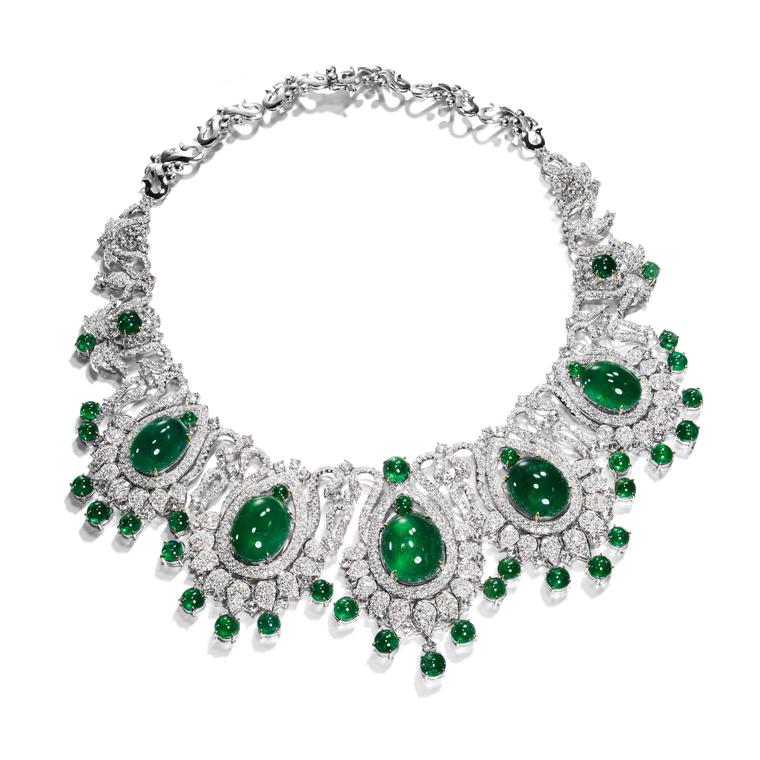
Anna Hu’s 2026 Museum Collection serves as a bridge between the geometric rigor of Beijing’s Palace Museum and the fluid elegance of Parisian haute joaillerie. By reviving the ancient cabochon cut, Hu emphasizes the depth and luminosity of emeralds and pink tourmalines, proving that traditional techniques can feel remarkably modern when treated with architectural precision.
Boucheron: The Human Canvas
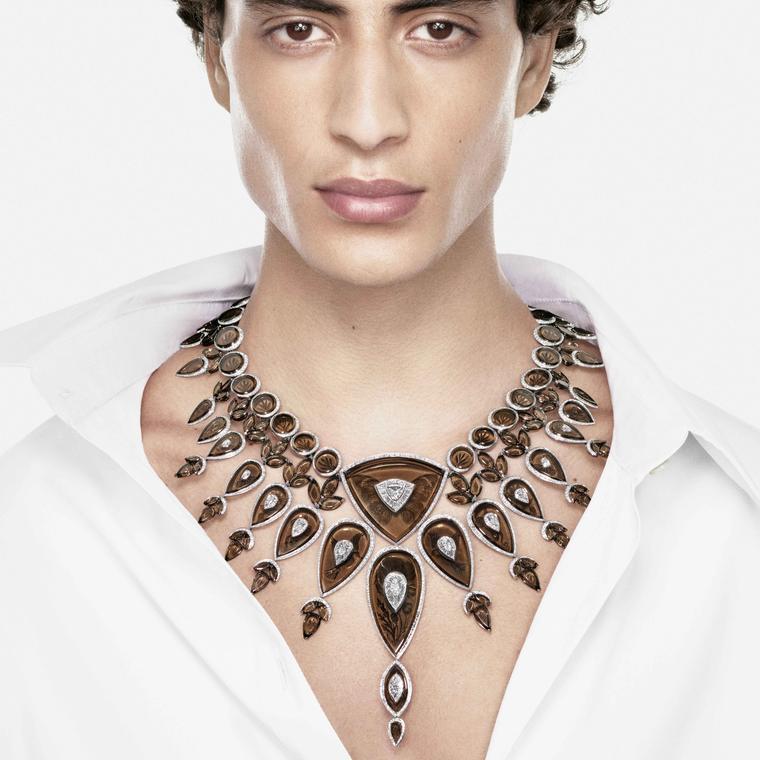
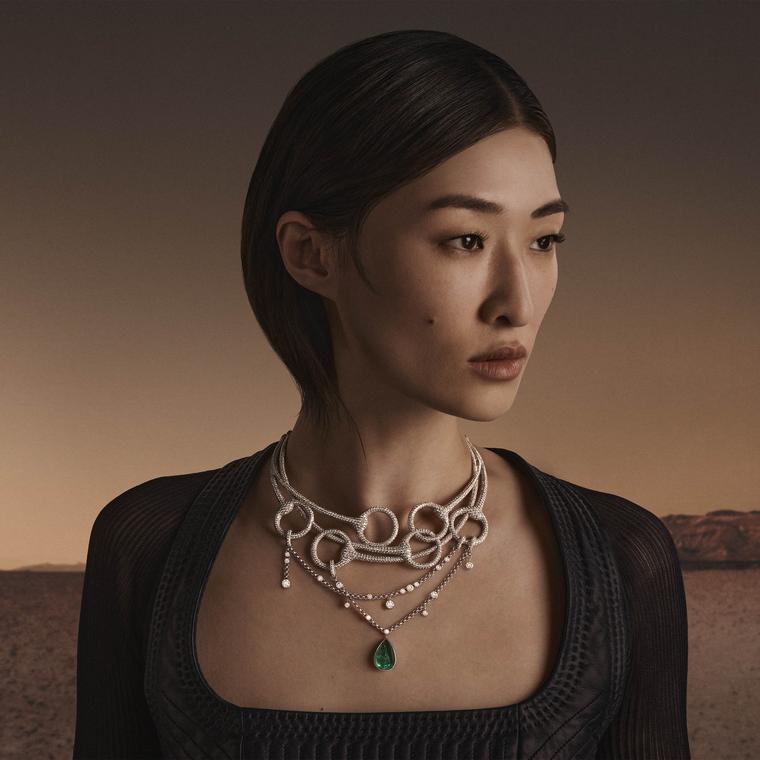
Claire Choisne continues to challenge the definitions of "precious" with the Human Being collection. By investing over 14,000 hours into five distinct sets, Boucheron explores the intersection of skin and metal. The Tattoo necklace, utilizing glyptic-engraved smoky quartz, is a masterclass in trompe l’oeil, suggesting that the most intimate luxury is that which appears to be a part of the wearer.
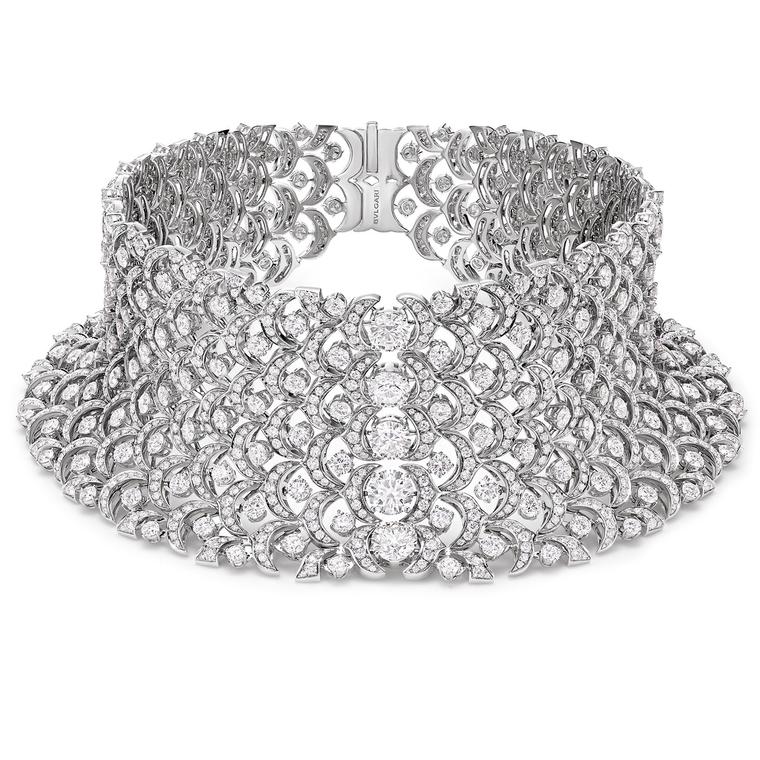
Chronology of Craft: Highlights from the Ateliers
The following selection highlights the chronological unveiling of collections that defined the July 2026 calendar, organized by the individual philosophies of each House.
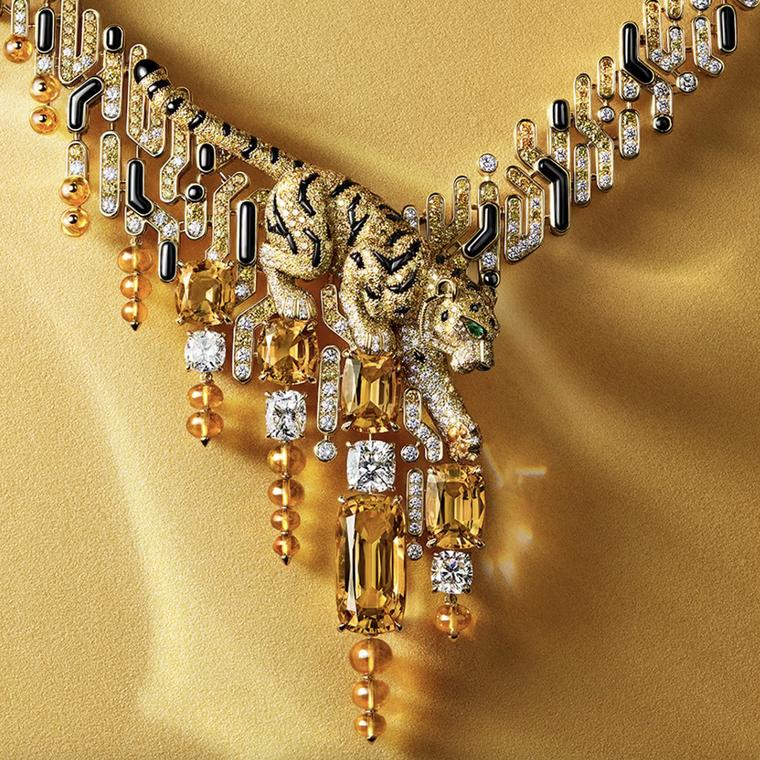
Buccellati and the Venice Connection
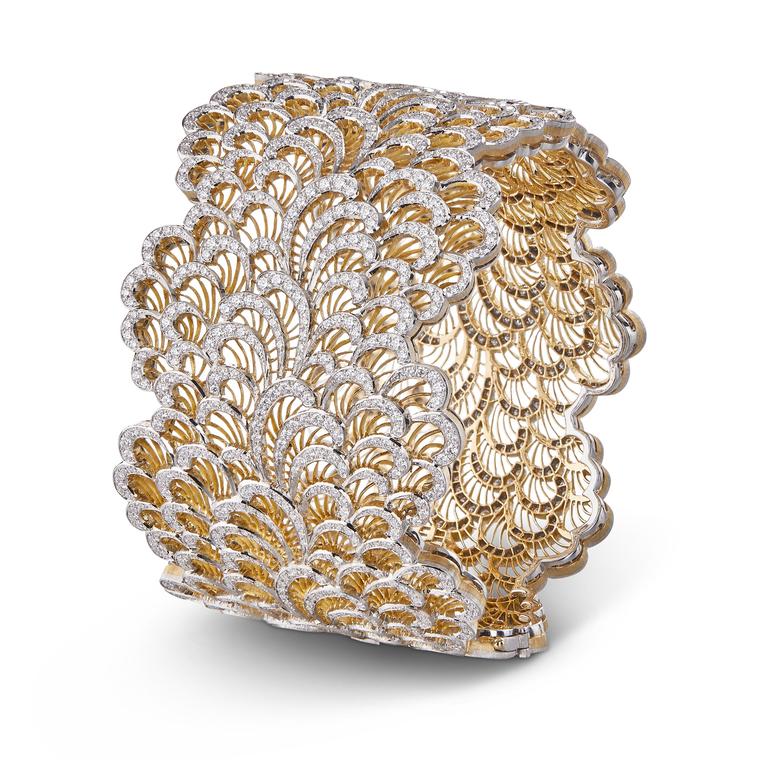
The Serenissima collection is an homage to Burano lace. Buccellati’s signature honeycomb and radial techniques transform rigid yellow and white gold into fabric-like structures, a feat of hand-engraving that feels as delicate as the Venetian textiles that inspired it.
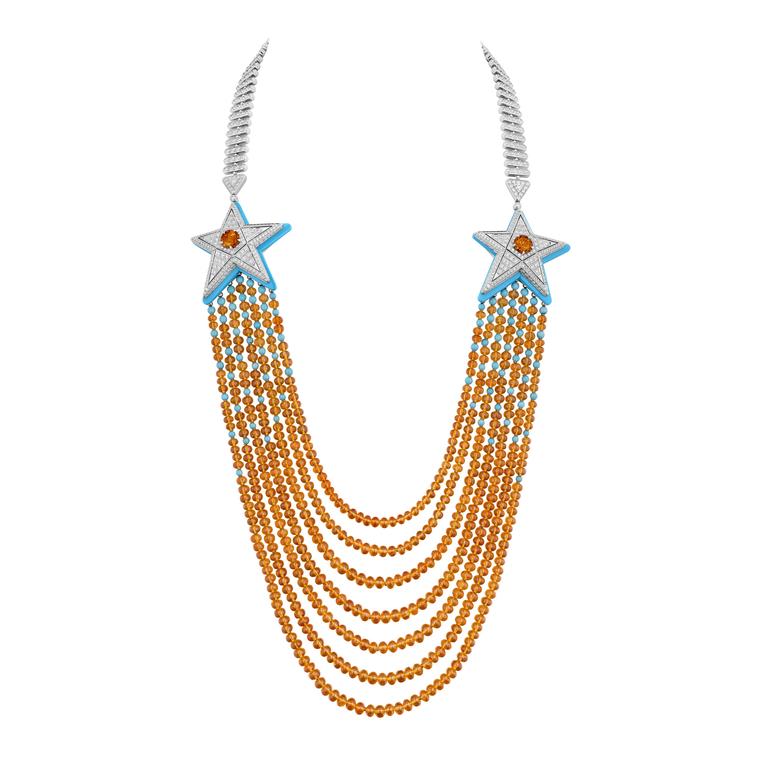
Bvlgari: Sculpture in Motion
With Eclettica, Bvlgari has bridged the gap between sculpture and couture. By sculpting jewels on a bust before engineering the internal articulation, the House has created pieces like the Dentelle Lumineuse choker, which behaves less like a rigid necklace and more like a second skin.
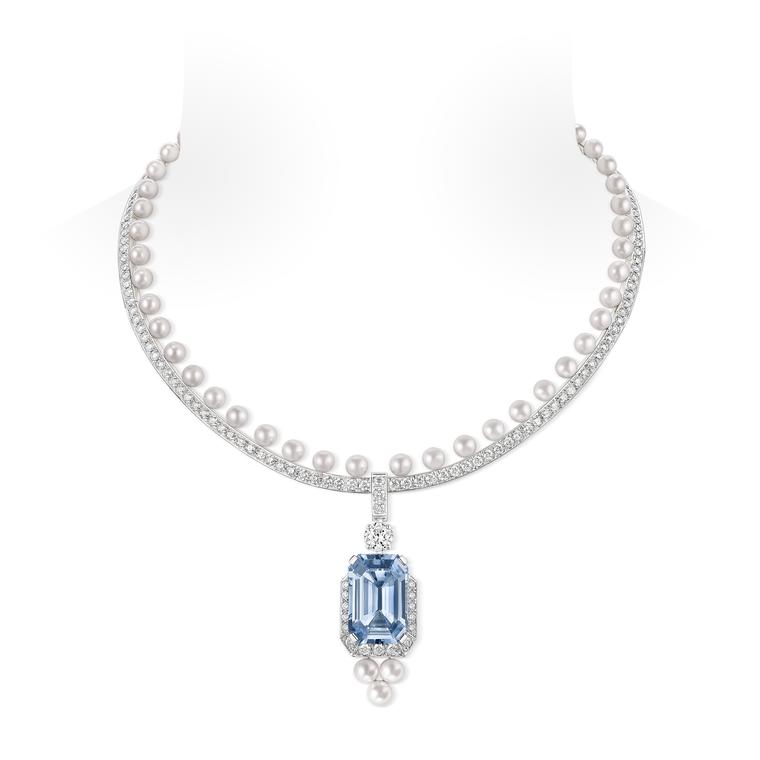
Cartier: The Gemstone-First Philosophy
In Le Chœur des Pierres, Cartier reverses the traditional design process. Instead of drafting a motif and sourcing stones to fit, the design is dictated by the personality of the gem itself. With over 125 unique pieces, the collection remains a testament to the House’s enduring ability to weave its iconic menagerie—like the prowling tiger of the Haryma necklace—into the fabric of contemporary high jewellery.
Chanel: The Mythology of Mademoiselle
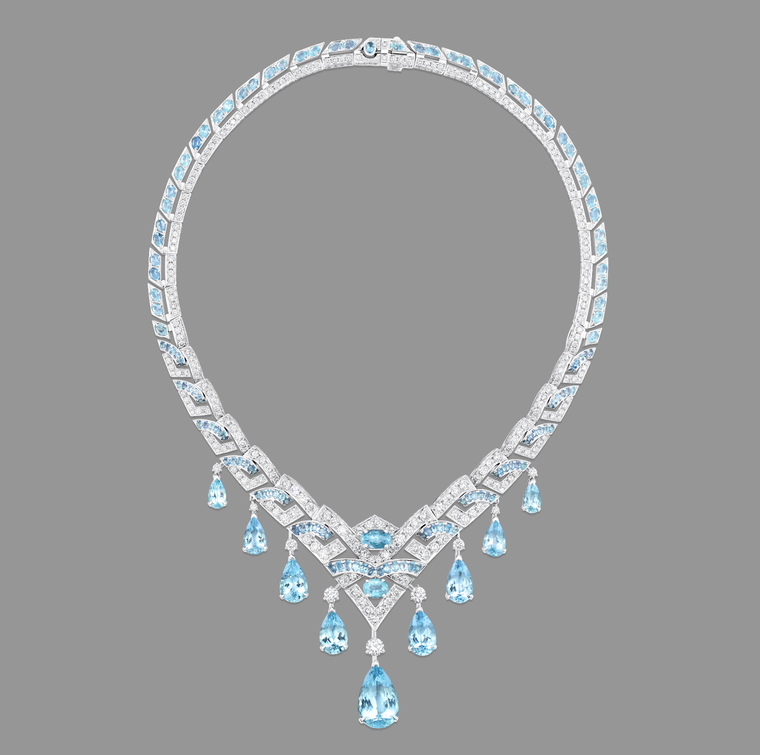
Chanel’s Signes & Symboles revisits the personal mythology of Gabrielle Chanel. By reinterpreting the lion, camellia, star, and sun, the 85-piece collection creates a bridge between archival motifs and modern lapidary work, utilizing the "Precious Four" alongside vivid ornamental stones.
Chaumet: Botanical Sensations
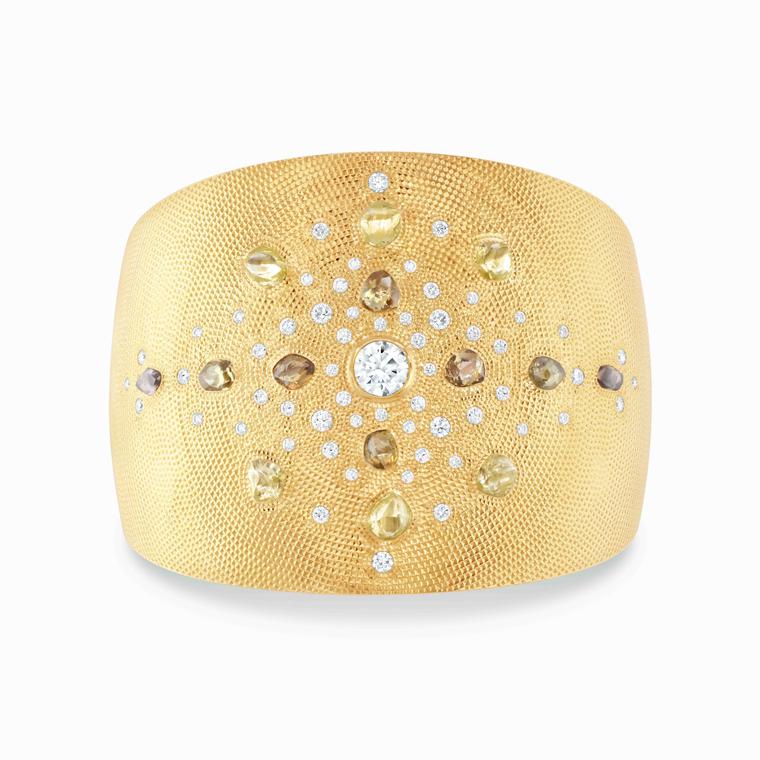
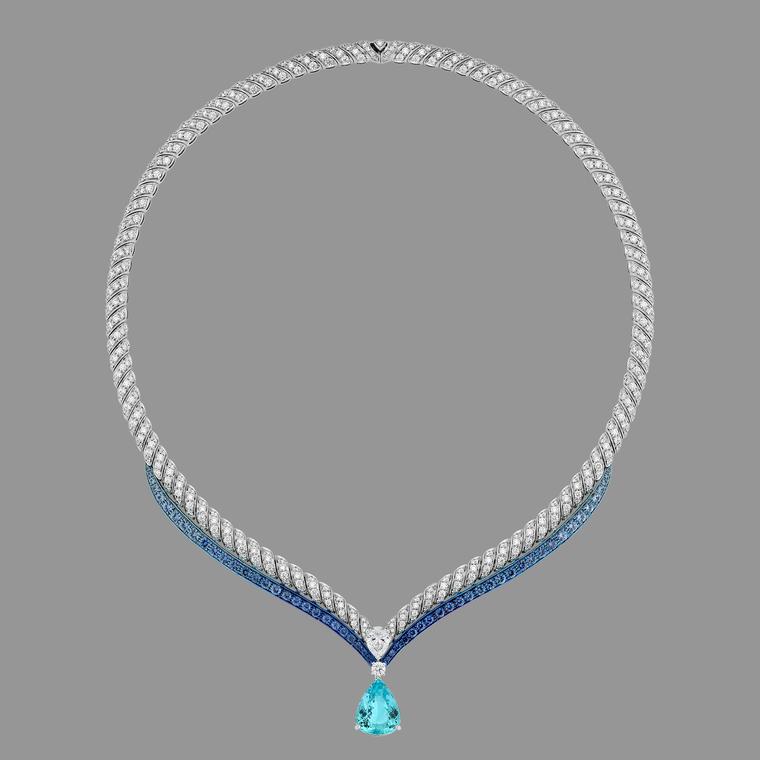
Chaumet’s Jewels by Nature focuses on the emotional resonance of flora. The Mint Leaf necklace, centered on a 17.46-carat emerald-cut aquamarine, demonstrates that restraint is often the highest form of luxury.
Supporting Data: The Technical Ambition of 2026
The sheer scale of the 2026 presentations is staggering. Beyond the aesthetic beauty, the technical benchmarks set by these Maisons underscore the "high" in High Jewellery:
- Labor Intensity: Cartier’s Le Chœur des Pierres required an estimated 85,000 hours of craftsmanship, a figure that highlights the extreme labor-intensive nature of modern, one-of-a-kind jewellery.
- Material Innovation: Mellerio’s use of tantalum—a rare, dense metal typically relegated to industrial use—marks a significant shift. By pairing it with diamonds, the Maison has challenged the traditional gold-and-platinum monopoly in high jewellery.
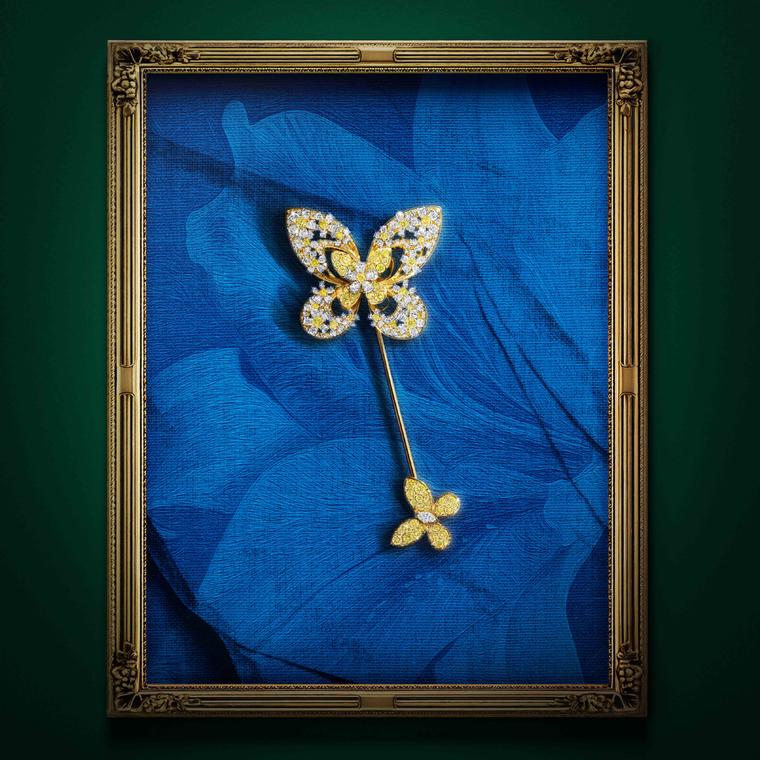
- Versatility: The rise of transformability is universal. From Graff’s Butterfly brooches that convert into pendants to De Beers’ Lotus necklaces with detachable drops, the focus is on functional, multi-wear design.
- Alternative Materials: Lily Gabriella’s debut at the Ritz Paris, featuring titanium, ceramic, and ethically sourced snakeskin, signals an openness to non-traditional luxury materials that would have been unthinkable a decade ago.
Official Perspectives: The Philosophy of the Designers
Interviews conducted during the week revealed a shared industry sentiment: the client of 2026 is an educated collector who values the "why" as much as the "what."
"Colour is treated as an instinct rather than a formula," noted Jeremy Morris of David Morris, regarding the Legacy of Colour: Volume II. This sentiment was echoed by Lito Karakostanoglou, whose work with preserved scarabs in her eponymous collection highlights a broader trend: the desire to return to nature, not as a copyist, but as a curator of organic beauty.
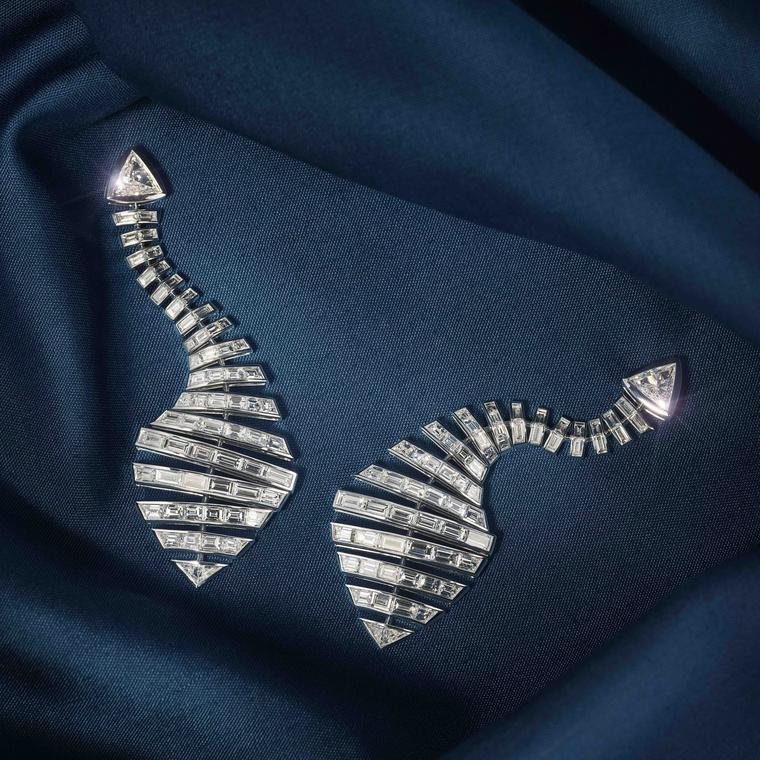
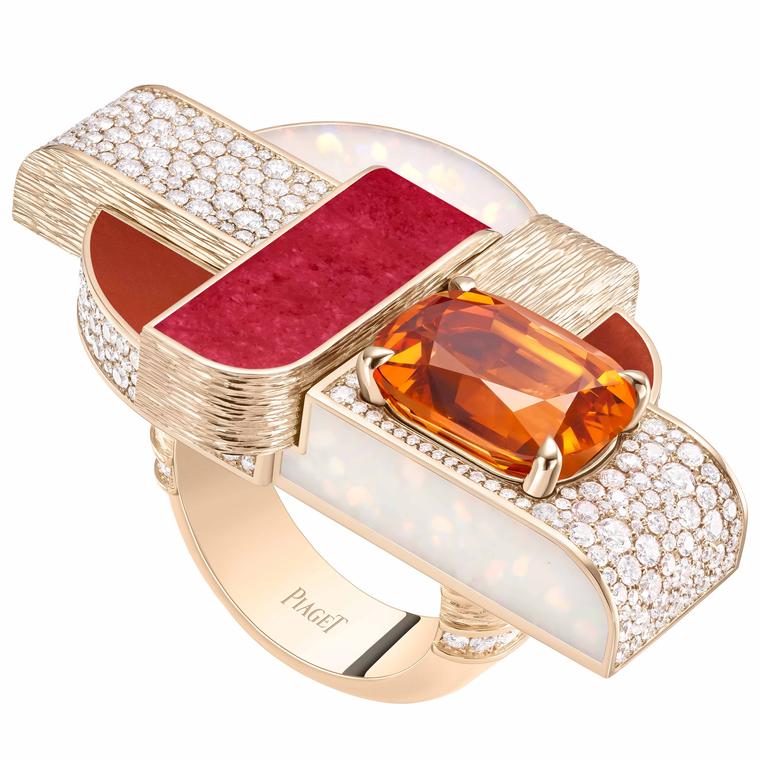
Piaget’s creative director highlighted the trilogy of Extraleganza, stating that the goal was to treat gold as a primary colour—a material that conveys warmth and texture as effectively as a faceted gemstone.
Implications for the Global Jewellery Market
The 2026 Paris Haute Couture Week serves as a bellwether for the global luxury market. The implications are three-fold:
1. The Rise of "Collectible Design"
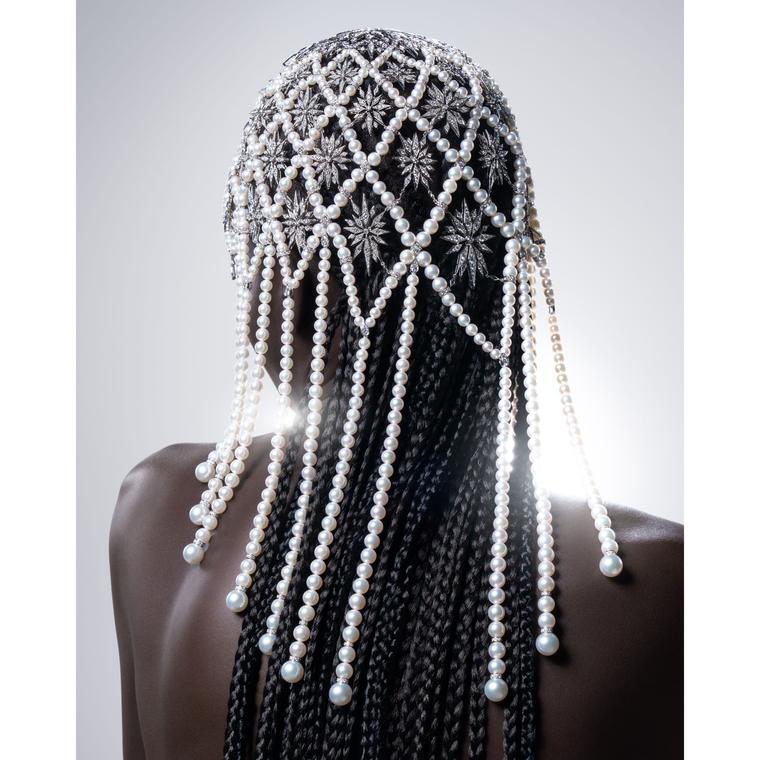
We are witnessing the death of mass-produced "prestige" jewellery. As seen in the projects of Nikos Koulis, whose debut of sculptural furniture alongside his jewellery collection 77 suggests a future where high jewellery is part of a lifestyle ecosystem rather than a standalone accessory.
2. Radical Transparency and Ethical Sourcing
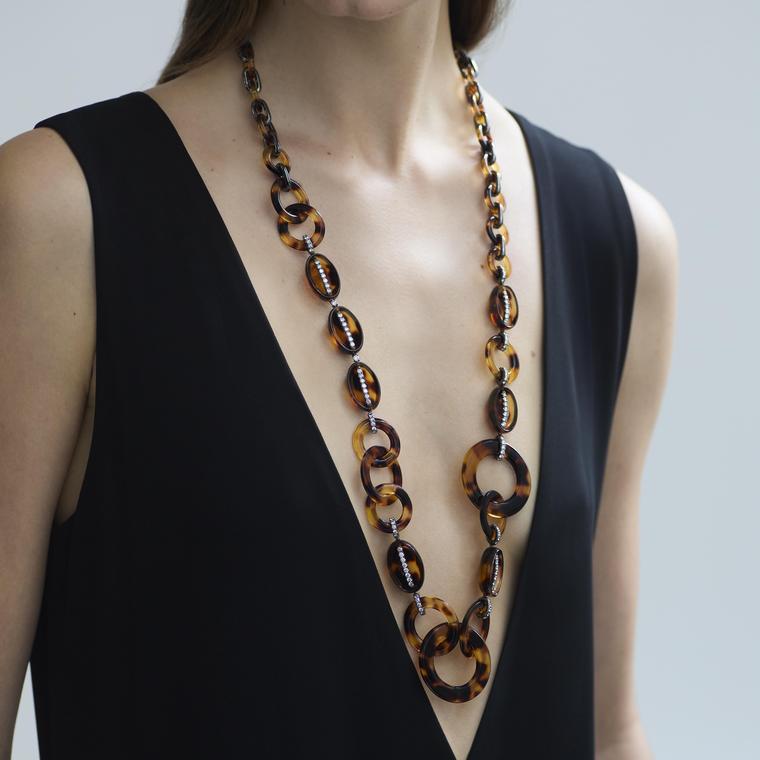
The emphasis on De Beers’ direct-sourced diamonds and the ethical provenance of Lily Gabriella’s materials indicates that sustainability is no longer a marketing tag; it is a prerequisite for entry into the haute joaillerie space.
3. The Fluidity of Gender and Form
The industry is rapidly shedding its traditional gendered constraints. Repossi’s focus on pieces that transcend masculine and feminine wardrobes—and the rise of the brooch as a primary accessory for all—suggests that the future of high jewellery will be defined by the wearer’s attitude rather than societal norms.
Conclusion: A Future Built on Heritage
As Paris Haute Couture Week 2026 drew to a close, the consensus among experts was clear: the world of high jewellery has entered a period of unprecedented creative freedom. By balancing the technical constraints of centuries-old workshops with the digital and material possibilities of the modern age, these Maisons have ensured that high jewellery remains the most potent expression of human artistry. Whether through the cosmic inspirations of Mikimoto or the historical weight of Van Cleef & Arpels’ Fascinating Egypt, the industry is not just creating objects; it is crafting the heirlooms of the next century.