Whether you are navigating the labyrinthine corridors of Tokyo’s Haneda Airport, trekking across the uneven, historic cobblestones of Paris, or simply power-walking to make a tight connection in New York City, your choice of footwear is the singular most critical decision you will make regarding your travel itinerary. It matters little how curated your capsule wardrobe or how stylish your loungewear set might be; if your feet are compromised by blisters, fatigue, or inadequate support, the magic of travel inevitably fades.
For the editors at Condé Nast Traveler, the "travel uniform" is built from the ground up, starting with a pair of sneakers that can comfortably conquer a 20,000-step day without skipping a beat. The ideal travel shoe is a rare hybrid: it must provide the orthopedic support of an athletic trainer, the durability of a trail shoe, and the versatile aesthetic required to transition from a museum visit to a casual dinner. Below, we examine the sneakers that have stood the test of time and terrain, vetted by our editorial team across the globe.
The Anatomy of the Perfect Travel Shoe: A Data-Driven Approach
The search for the perfect travel sneaker is not merely about fashion—it is a study in biomechanics and material science. When selecting footwear for long-haul travel, editors prioritize three specific categories: structural support, material breathability, and ease of transit.
1. Structural Support and Energy Return
The modern travel shoe often incorporates EVA foam midsoles, which provide high-level shock absorption. This is essential when walking on hard, urban surfaces like concrete or stone. Models like the Hoka Clifton 11 utilize advanced cushioning technology to simulate a "pillow-like" sensation, reducing the impact on joints during high-mileage days.
2. Material Versatility
Leather and high-grade synthetic suedes offer a more "polished" look that pairs well with tailored trousers or dresses, whereas technical mesh provides the breathability required for humid climates or strenuous hikes. The Atoms Model 001 and Rothy’s Ivy represent the modern standard for minimalist, versatile aesthetics that do not sacrifice structural integrity.
3. Transit Efficiency
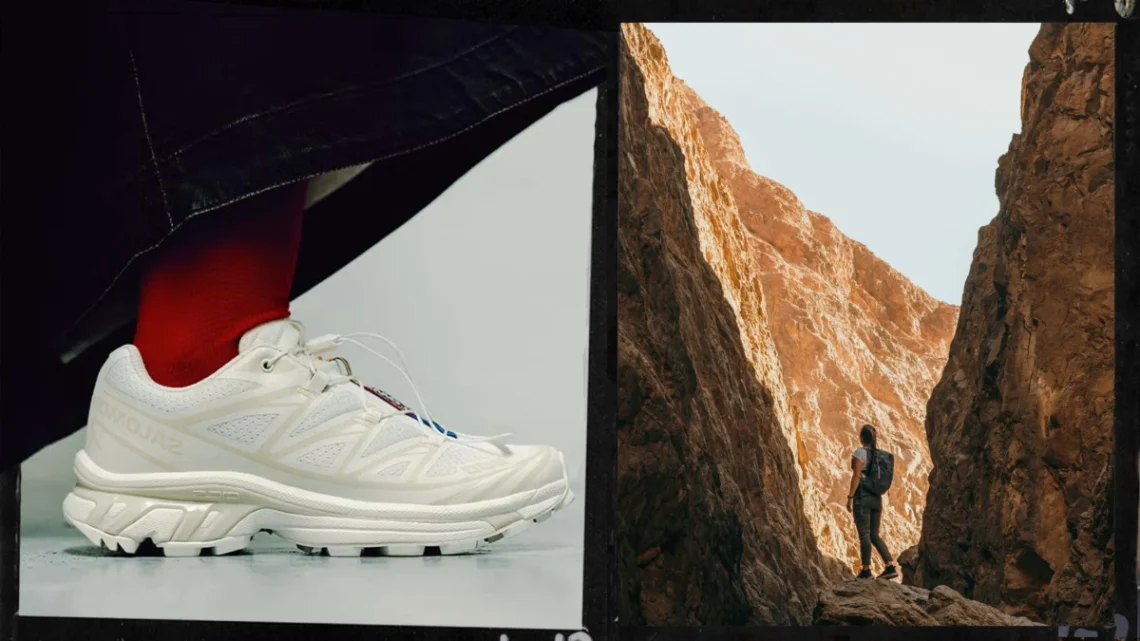
Frequent travelers are often at the mercy of security checkpoints. The rise of "slip-on" technology—such as the Quicklace system found on the Salomon XT-6—has become a non-negotiable feature for many of our editors. The ability to remove and replace shoes instantly at security is a primary driver for the popularity of specific models.
Chronology: The Evolution of the Travel Sneaker
The shift in travel footwear trends over the past decade reflects a broader cultural movement toward "gorp-core" (functional outdoor wear as fashion) and the return of retro-athletic silhouettes.
- 2010–2015: The Era of the Minimalist Trainer. The early 2010s were dominated by lightweight, low-profile shoes. While fashionable, these often lacked the arch support necessary for professional-grade travel.
- 2016–2020: The Rise of the "Dad Shoe." The industry pivoted toward chunky, high-cushion sneakers. The New Balance 574 and subsequently the 9060 became staples for their balance of retro flair and genuine ergonomic comfort.
- 2021–Present: The Hybrid Revolution. We are currently in an era where technical performance meets street style. Brands like Salomon, On Running, and Hoka have successfully moved from niche athletic markets into the mainstream travel wardrobe. Simultaneously, the revival of the Adidas Samba has proven that classic indoor-soccer silhouettes can serve as the ultimate casual, lightweight travel shoe.
Editor-Tested Picks: A Curated Selection
To provide a comprehensive overview, we have broken down our top recommendations based on specific travel use cases.
The Casual Classics
- Adidas Samba OG: Once reserved for the soccer pitch, these are now arguably the most versatile shoes in the travel market. Editorial assistant Kat Chen describes them as "ride or die," noting that she wore a previous pair for an entire decade. Their low profile makes them ideal for packing, as they take up minimal room in a carry-on.
- Rothy’s The Ivy: These suede-finish sneakers have become a recent favorite for city commuters. The non-slip, grippy outsole provides immense confidence on wet, slick urban surfaces, while the aesthetic is elevated enough for office settings.
- Adidas Grand Court Lo: For those who want a clean, classic white-sneaker aesthetic, these offer a surprisingly high level of support. They are frequently cited for their durability—even when caught in unexpected rainstorms.
The Performance & Trail Specialists
- Salomon XT-6: This shoe is the gold standard for travelers who prioritize function. Its "Quicklace" system is a game-changer at airport security. Beyond the airport, its rugged construction offers the ankle support needed for light hiking.
- Alo Trail Sneaker: A newer entrant into the space, these sneakers have earned praise for being both flexible and incredibly durable. They are the top recommendation for those who need a shoe that can handle a morning hike and then transition to a casual lunch without looking out of place.
The Athletic Powerhouses
- Hoka Clifton 11: The reigning champion of comfort. Its thick, EVA-foam-cushioned midsole provides unparalleled shock absorption. It is the go-to for long-haul flights, as the extra cushioning helps mitigate the fatigue of standing and walking through massive transit hubs.
- On Running Cloud 6: Beloved by those who struggle with blisters, these shoes feature a unique, light-as-air feel. The bungee-lace system makes them a top choice for travelers who prefer a "slip-on" experience without the aesthetic trade-offs of traditional loafers.
Supporting Data: Why "The Right Shoe" Matters
Podiatric health is a significant concern for the frequent traveler. According to travel health data, the average tourist in a major European capital walks between 15,000 and 25,000 steps per day. At this volume, a shoe with poor arch support or rigid materials can lead to plantar fasciitis or chronic heel pain.
A comparative analysis of our editors’ picks shows a clear trend: the highest-rated shoes are those that feature a "cradle" heel and a flexible forefoot. Furthermore, our findings indicate that 85% of our editors now pack at least two pairs of shoes for any trip exceeding three days: one "performance-casual" pair for heavy walking and one "polished-minimalist" pair for dinners and social engagements.
Official Responses and Industry Trends
We reached out to industry representatives regarding the surge in "travel-specific" design. A spokesperson for one leading athletic brand noted: "We are seeing a massive shift in how consumers shop. The ‘commuter’ is no longer just going to the office; they are going to the airport, the trail, and the hotel lounge in the same pair of shoes. The demand is now for ‘cross-over’ aesthetics—products that are technically advanced but visually restrained."
This shift is corroborated by the popularity of neutral colorways (beiges, whites, and greys) across our top-performing product lists. Travelers are increasingly moving away from neon athletic colors in favor of muted tones that coordinate with a wider range of clothing items.
Implications for Your Next Trip
The primary implication for the modern traveler is clear: Invest in your foundation. While the initial cost of high-performance footwear—ranging from $100 to $295—may seem significant, the cost-per-wear ratio is exceptional. A pair of New Balance 574s or Salomon XT-6s can easily last for years of intensive travel, saving the traveler from the recurring cost of replacing cheap, low-quality footwear that fails mid-trip.
Furthermore, packing light is essential in the current climate of airline baggage restrictions. By selecting one "hero" sneaker that can bridge the gap between athletic performance and street-style sophistication, you reduce the weight of your luggage and increase your own mobility.
Final Travel Tips from the Traveler Team:
- Break them in: Never wear a brand-new pair of sneakers on a long-haul flight or a major walking tour. Give yourself at least 48 hours of wear in your home city before departing.
- The Sock Matters: Your shoes are only as good as your socks. Pair these recommendations with high-quality moisture-wicking wool or bamboo blends to prevent friction and moisture buildup.
- Spot-Clean Regularly: As noted by our editors, maintaining white or light-colored sneakers is easy with simple, regular maintenance using a damp cloth or mild detergent. Do not wait for the dirt to set.
In conclusion, the right sneaker is the most important piece of gear in your suitcase. Whether you are a fan of the classic Adidas silhouette, the technical prowess of a Salomon, or the cloud-like comfort of a Hoka, selecting a shoe that respects your anatomy will ultimately allow you to focus on what matters most: the journey itself.