By Harold James
Princeton, July 23, 2026
The traditional architecture of global hegemony is undergoing a seismic, perhaps irreversible, shift. For decades, the international order was defined by the binary logic of great powers—nations whose economic might, military reach, and diplomatic influence dictated the tides of history. Today, however, that paradigm is fracturing. We are witnessing an era in which the traditional titans of the geopolitical stage—most notably Russia and the United States—find themselves increasingly hampered, exposed, and humbled by smaller, ostensibly weaker actors.
In this topsy-turvy world, the Thucydidean narrative of inevitable clash between great powers has been replaced by a more nuanced, and perhaps more dangerous, reality: the exposure of "paper tigers." As traditional powers rely on outdated calculations of economic dominance and force projection, they find their authority eroded not by direct peer-competitor confrontation, but by the strategic defiance of smaller, nimble states like Ukraine and Iran.
The Erosion of the Hegemons: Main Facts
The core reality of 2026 is that the prestige—the "soft power"—of the established global giants is in freefall. Russia, once viewed as a monolith of strategic patience and military prowess, is currently grappling with internal fragmentation and the protracted exhaustion of its resources. Its invasion of Ukraine, originally intended to solidify its sphere of influence, has instead served as a catalyst for its own strategic isolation and potential disintegration.
Simultaneously, the United States, under the presidency of Donald Trump, has fundamentally altered its engagement with the world. By prioritizing a transactional, "America First" approach, the U.S. has systematically dismantled the institutional alliances and normative frameworks that once buttressed its global standing. The result is a world where the "golden head" of the hegemon remains, but the "feet of clay"—the underlying economic and social stability—have been laid bare for all to see.
Chronology of a Declining Order
To understand how we arrived at this juncture, one must look at the pivotal events that have defined the last decade:
- 2022-2023: The Ukrainian Pivot. The commencement of the full-scale Russian invasion of Ukraine acted as the primary stress test for the old world order. The subsequent failure of Russia to secure a swift victory shattered the myth of the "invincible Russian bear."
- 2024: The Global Realignment. As the conflict dragged on, secondary powers began to hedge their bets. The emergence of multipolar economic blocs signaled that the U.S. dollar-denominated trade system was no longer the only viable path for developing nations.
- 2025: The Trumpian Shift. The return of the Trump administration marked the formal end of the "liberal international order." Diplomatic ruptures with traditional allies in Europe and Asia left a vacuum that smaller, opportunistic powers began to fill.
- 2026: The "Paper Tiger" Reality. Mid-year reports indicate that both Moscow and Washington are struggling to manage local crises—Russia in its peripheral territories and the U.S. in the face of escalating proxy challenges from Iran—proving that military expenditure is no longer a direct proxy for geopolitical control.
Supporting Data: The Economic and Military Mirage
The perception of power is often divorced from the reality of the balance sheet. While Russia continues to devote a massive percentage of its GDP to the "Special Military Operation," the actual return on investment has been disastrously low. Economic sanctions, while not causing an immediate collapse, have fostered a slow-motion technological and demographic decay. The Russian labor force is shrinking, and its industrial base is increasingly tethered to a narrow set of partners, limiting its strategic flexibility.
In the American context, the challenge is different but equally corrosive. The U.S. national debt has reached levels that limit the executive branch’s ability to conduct long-term, expensive foreign interventions. Furthermore, the politicization of the military and the intelligence community has led to a decline in institutional coherence. When a superpower cannot guarantee the security of its own supply chains or maintain the consensus of its political class, it ceases to function as a hegemon, regardless of the size of its nuclear arsenal.
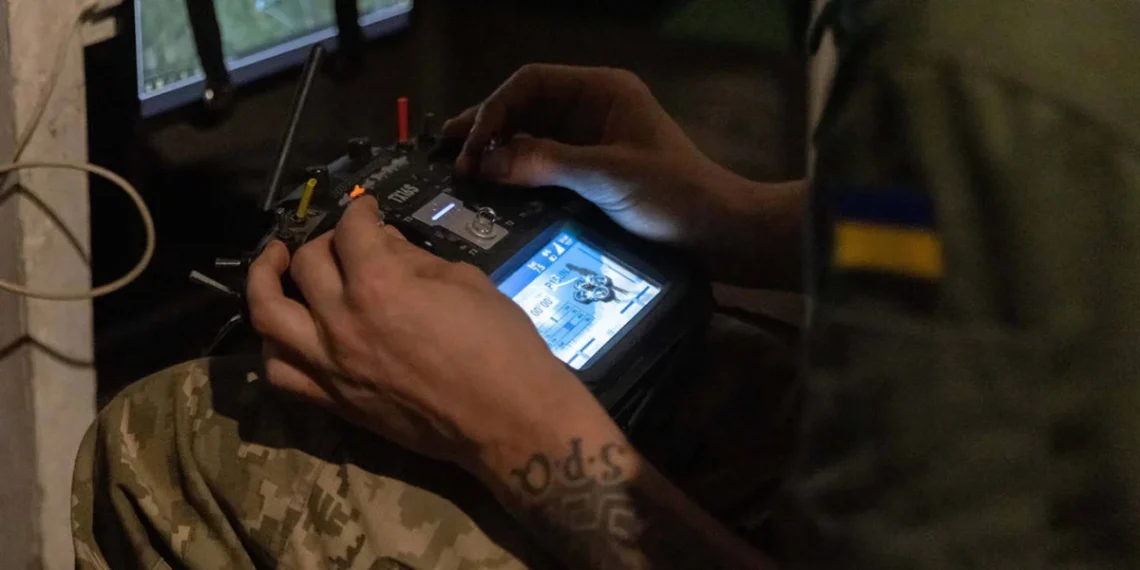
Iran’s role in this dynamic is particularly instructive. By utilizing asymmetric warfare—drones, cyber-capabilities, and proxy networks—Tehran has successfully constrained U.S. regional ambitions without ever engaging in a direct, conventional war. This is the definition of a "paper tiger" scenario: the larger power possesses the theoretical capacity to destroy the smaller, yet finds itself unable to exert the political will to do so, effectively nullifying its own size advantage.
Official Responses and Strategic Deflection
The official response from both Washington and Moscow has been one of indignant deflection. In Moscow, the Kremlin continues to utilize state media to characterize the "disintegration" of the state as a tactical regrouping, blaming "Western interference" for every internal instability. There is a palpable refusal within the Russian elite to acknowledge that their strategic goals have been permanently compromised.
Conversely, the U.S. administration frames the abandonment of traditional alliances as a "liberation from globalist constraints." Official policy statements emphasize bilateral deals over multilateral pacts, suggesting that the U.S. is "streamlining" its power. Yet, behind the scenes, the professional diplomatic corps and the military establishment express deep concern regarding the loss of influence. The discord between the White House’s rhetoric of strength and the reality of diminished international leverage is creating a "strategic incoherence" that allies and adversaries alike are beginning to exploit.
Implications: A World Without Masters
What are the implications of this shift? We are entering a period of "post-hegemonic disorder." In the past, great powers acted as the arbiters of conflicts; today, they are participants in chaos.
- The Rise of Localized Conflicts: As the "policeman of the world" retires, regional powers will feel empowered to resolve disputes through force. We should expect an uptick in localized, high-intensity conflicts where the influence of Washington or Moscow is negligible.
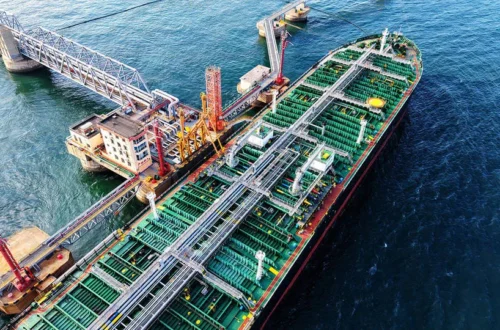
- The Fragmentation of Global Trade: With the decline of a single, overarching security guarantor, global trade routes will become increasingly securitized. Nations will prioritize regional trade blocks over global integration, leading to a less efficient but perhaps more resilient local economy.
- The Crisis of Legitimacy: The most profound implication is the loss of the "idea" of the great power. If Russia and the U.S. can be humiliated by smaller states, the fundamental belief in their inevitability vanishes. This creates a psychological vacuum that will be filled by nationalist movements and non-state actors who no longer fear the consequences of challenging the status quo.
Conclusion: Thucydides’ Final Warning
Thucydides taught us that it is not the growth of power that causes war, but the fear that the shift in power inspires. Today, the "old powers" are not merely afraid of being overtaken; they are afraid of being irrelevant. By clinging to outdated calculations—believing that economic sanctions, nuclear posturing, or transactional diplomacy can substitute for genuine, coherent, and moral leadership—these states have ensured their own decline.
The irony of the current era is that those who thought they were masters of the world have become its most vulnerable inhabitants. The paper tigers have been unmasked. As we move into the second half of 2026, the question is no longer who will dominate the next century, but whether the very concept of a "great power" is destined to become a relic of history. The world is not just changing; it is being reset by the very actors the titans once presumed to control. The era of the hegemon is over, and the era of unpredictable, localized, and fragmented power has begun.