By Maria Doulton | 09 September 2026
In the vast lexicon of luxury, few symbols possess the gravity, historical weight, and aesthetic versatility of the Chanel camellia. More than a mere floral motif, it is the structural and spiritual backbone of the maison. From the intricate silk petals pinned to a 1920s lapel to the sparkling gold-and-diamond constellations of the 2026 high jewellery collections, the camellia remains an unwavering constant. As Chanel introduces its latest jewellery series—encompassing the Camélia Bloom, Bouton de Camélia, and Extrait de Camélia—we delve into why this scentless, thornless bloom remains the definitive signature of Gabrielle “Coco” Chanel’s enduring legacy.

Main Facts: The Anatomy of an Icon
The camellia is not merely a decorative choice; it is a profound brand pillar. Unlike the rose, which commands attention with fragrance and thorns, the camellia is defined by its architectural symmetry and serene, enigmatic presence.
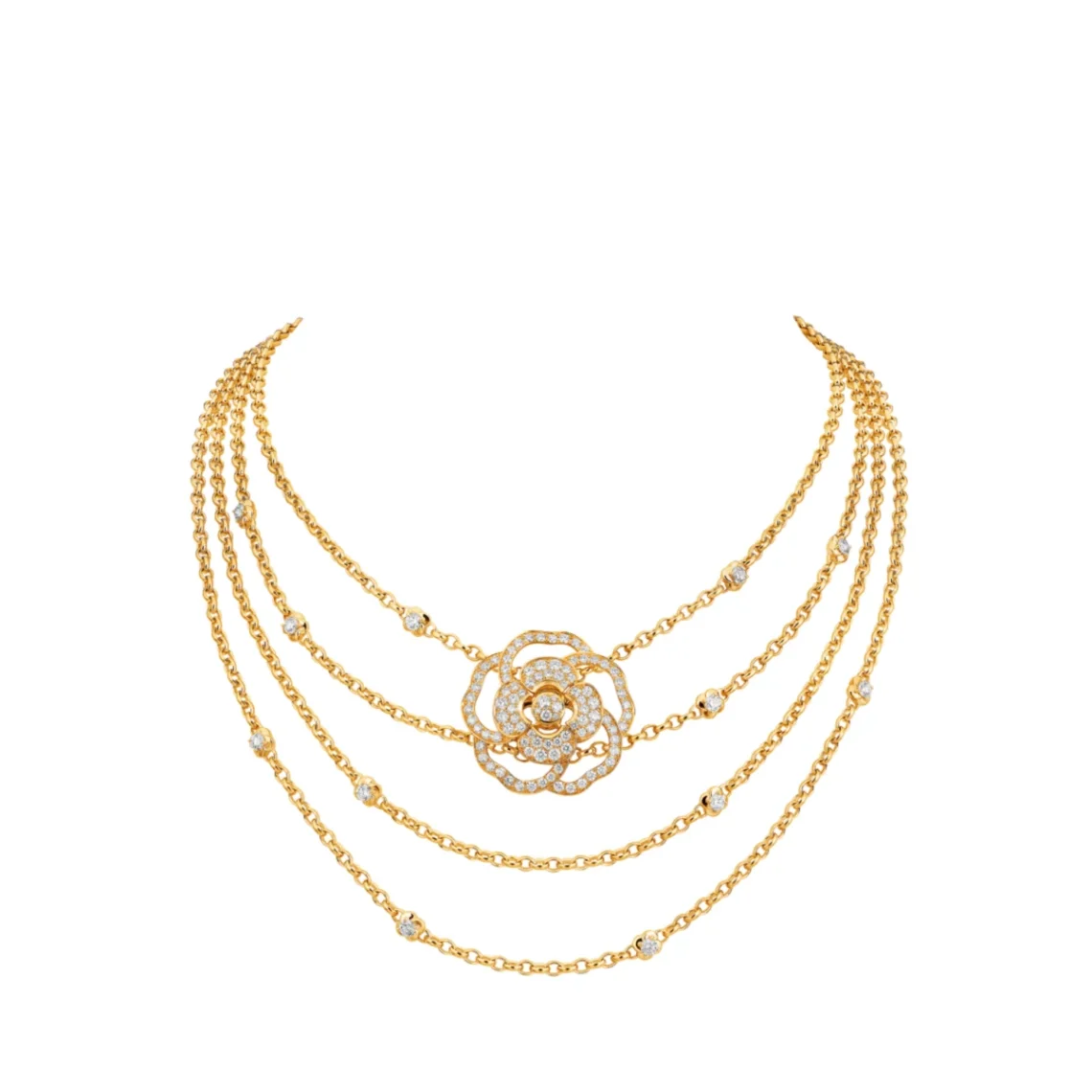
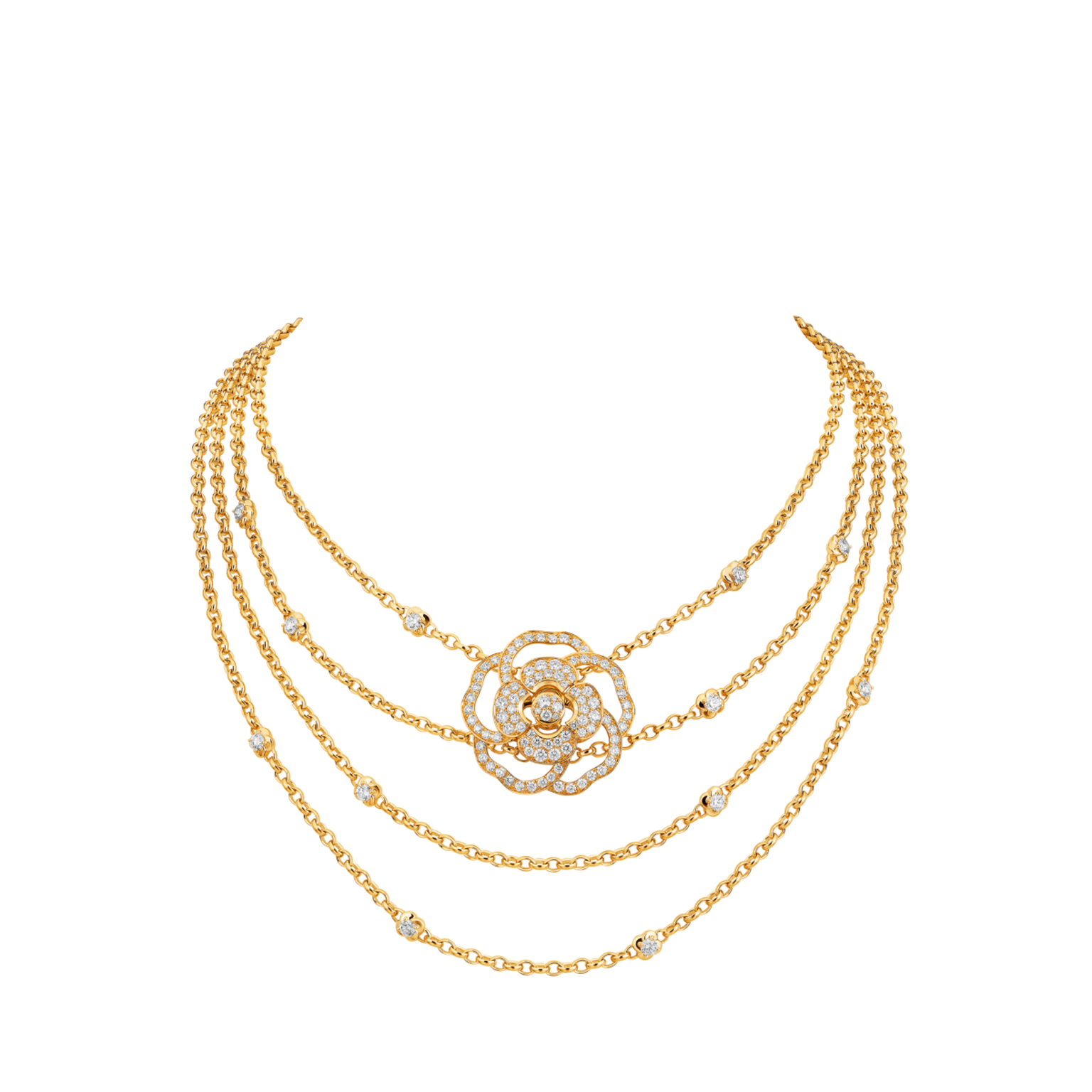
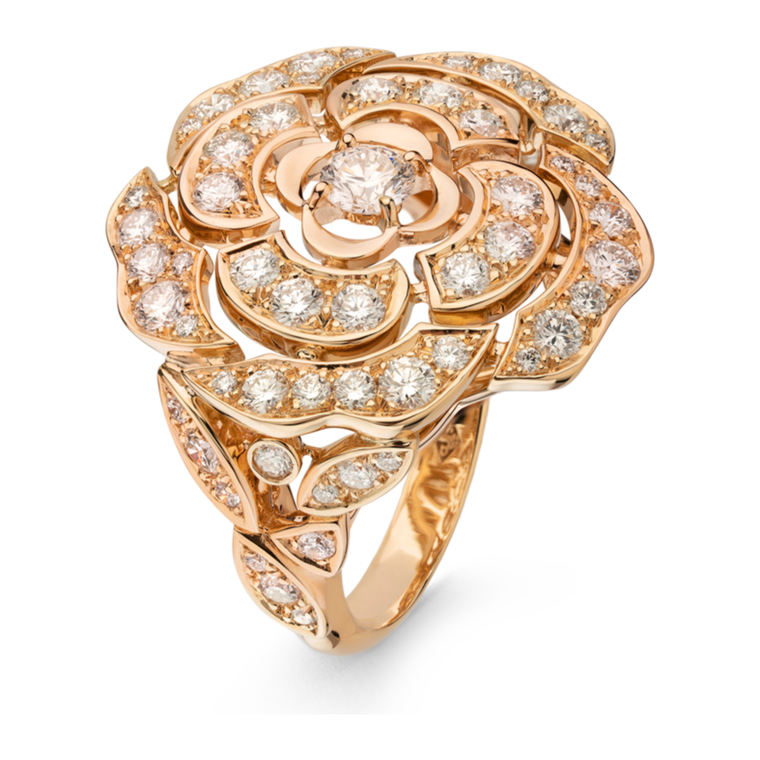
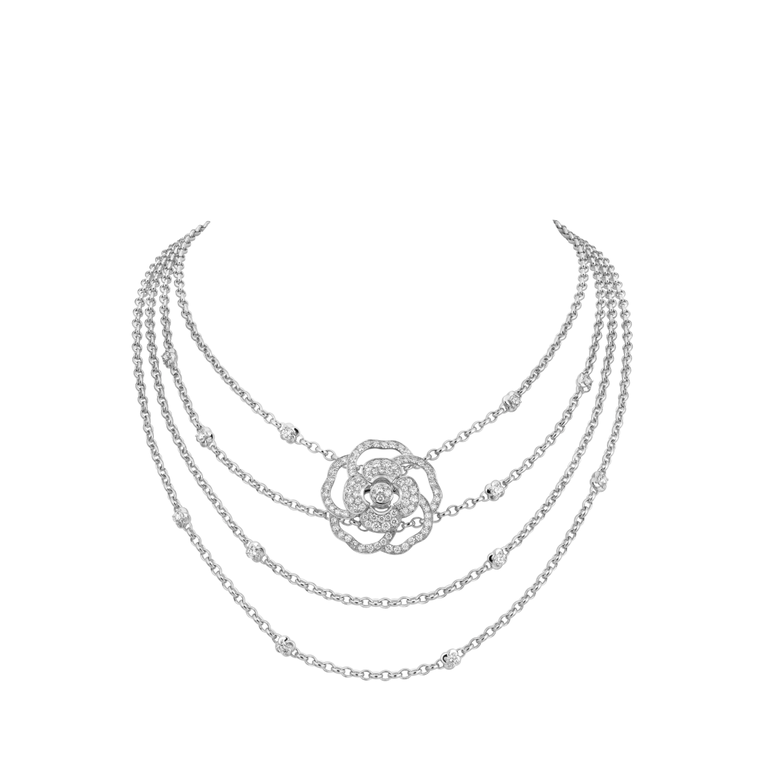
Its current iteration in jewellery serves as a testament to the house’s ability to evolve without abandoning its DNA. The Camélia Bloom plastron necklace stands as the centerpiece of this evolution, utilizing multi-tiered gold chains and pavé-set diamonds to reinterpret the flower’s geometry. Meanwhile, the Bouton de Camélia and Extrait de Camélia lines demonstrate the versatility of the motif, scaling it down from high-drama statement pieces to everyday, stackable luxury.
The importance of the camellia lies in its "lack of scent." For Gabrielle Chanel, this was a calculated choice; it ensured the flower would never clash with her revolutionary fragrance, Chanel No. 5. This practical consideration transformed a botanical choice into a total sensory philosophy, allowing the brand to harmonize its perfume, fashion, and jewellery under a singular, unified vision.
A Chronology of Obsession: From Orphanage to Empire
To understand the camellia is to understand the woman behind the brand. Gabrielle Chanel’s life was defined by a tension between her humble, often precarious beginnings as an orphan in a Cistercian convent and her ascent to the heights of Parisian society.
- 1896 (Age 13): The first encounter. A young Gabrielle witnesses Sarah Bernhardt in The Lady of the Camellias. The flower becomes associated with the tragic, beautiful archetype of the courtesan—a symbol of both purity and forbidden romance.
- 1913: The official adoption. Chanel begins wearing the camellia, pinning silk versions to her belts and lapels, effectively subverting the traditional floral accessory by placing it on her signature minimalist silhouettes.
- 1919: The loss of Arthur ‘Boy’ Capel. The camellia takes on a deeper, more melancholic significance following the tragic death of her great love. It becomes a talisman, a way of anchoring herself in a world that had become unpredictable.
- 1920s–1930s: The Symbolism of Luck. Chanel’s Rue Cambon apartment becomes a sanctuary of talismans. The camellia joins the lion, the star, and the number five as part of her personal iconography, reflecting her deep-seated superstition and her belief that success required the protection of specific symbols.
- Modern Era: The transition from couture to fine jewellery. Under the stewardship of the house’s contemporary designers, the camellia is no longer just a fabric appliqué; it is cast in 18-karat gold, platinum, and diamonds, cementing its status as an immortal emblem.
Supporting Data: Geometry and Craftsmanship
The enduring appeal of the camellia is rooted in its mathematical perfection. The flower’s petals follow a Fibonacci-like sequence, creating a radial symmetry that is inherently pleasing to the human eye. This geometry is precisely why it translates so effectively into jewellery.
The Three Pillars of the 2026 Collection:
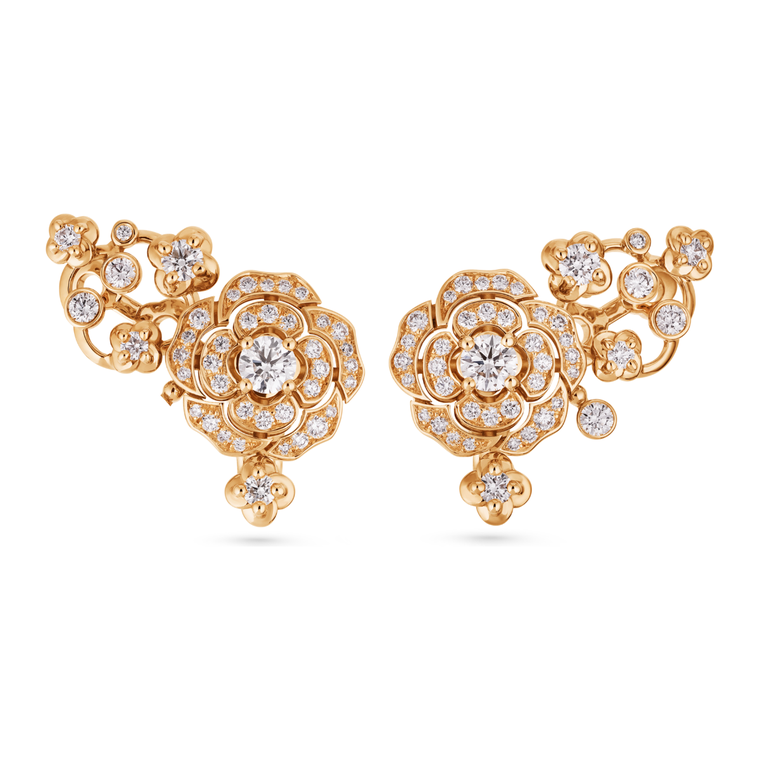
- Camélia Bloom: A masterclass in "plastron" architecture. By layering four tiers of gold chains, the design mimics the overlapping petals of the flower. The weight and movement of the gold are balanced by the static, crystalline precision of the central diamond-paved bloom.
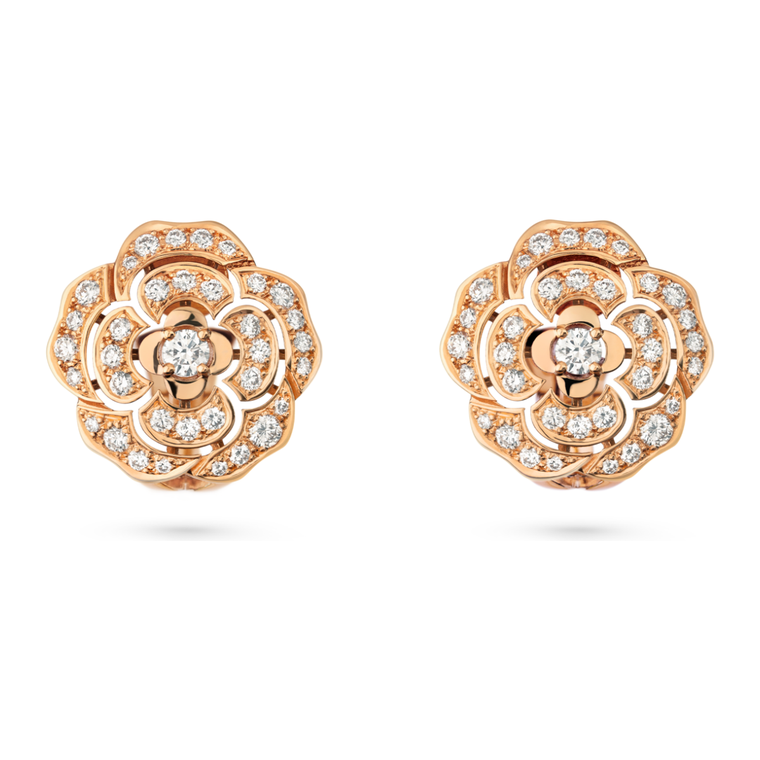
- Bouton de Camélia: Focusing on the "button" or the heart of the flower, this line emphasizes the warmth of rose gold. This collection reflects a shift in consumer preference toward more wearable, feminine, and intimate jewellery.
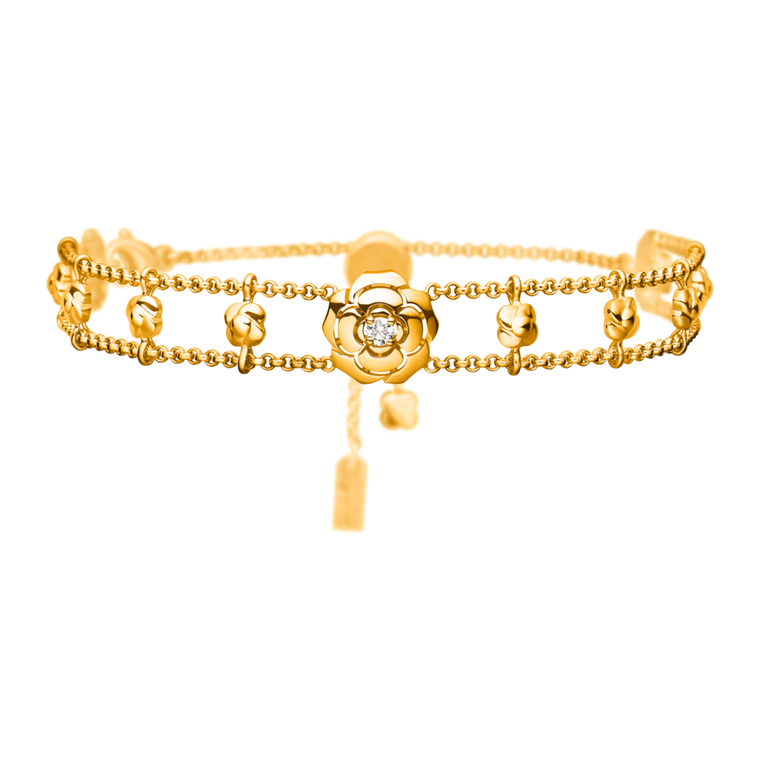
- Extrait de Camélia: These "extracts" are the entry point into the collection. By utilizing a single diamond to represent the stamen, the design strips the flower down to its most minimal essence—a testament to the "less is more" philosophy that Chanel pioneered.
Official Perspectives: The Philosophy of the House
While the house of Chanel remains famously protective of its internal creative processes, the recent launch materials emphasize the concept of "The Modern Interpretation."
Spokespeople for the maison have noted that the camellia is not meant to be a nostalgic relic. "We are not recreating the past; we are utilizing the vocabulary of Mademoiselle Chanel to speak to the women of today," says a brand representative. The focus is on permanence. In an age of fast fashion and fleeting trends, the camellia offers a sense of stability. It is a motif that does not age, does not go out of style, and—because of its clean, geometric lines—it is inherently compatible with both contemporary streetwear and high-fashion evening wear.
Implications: The Camellia as a Cultural Asset
The significance of this floral icon extends beyond the balance sheets of a luxury house; it defines the cultural identity of French fashion. By embedding the camellia into every touchpoint—from the iconic white packaging to the makeup lines and the fine jewellery—Chanel has successfully achieved "visual shorthand."
1. Market Positioning:
The camellia serves as an effective barrier to entry for imitators. Because the flower is so inextricably linked to the house, any floral motif in high jewellery is instantly compared to Chanel. This creates a powerful brand moat that is difficult to challenge.
2. Emotional Branding:
The narrative of the camellia—the tragic orphan, the lost lover, the superstitious designer—adds a layer of emotional "freight" to the products. Consumers are not just buying gold and diamonds; they are buying a fragment of the "Chanel mythos."
3. Future-Proofing:
As the luxury market leans heavily into "Quiet Luxury," the camellia is perfectly positioned. It is elegant without being garish; it is recognizable without needing a prominent logo. The 2026 collection’s emphasis on stackable rings and delicate bracelets proves that the house is catering to a new generation of collectors who prioritize daily wearability over occasional, high-visibility displays.
Conclusion: A Century of Bloom
As we look toward the future of the brand, the camellia serves as a reminder that the most powerful icons are often those that find the perfect balance between nature and design. Gabrielle Chanel took a simple flower from an exotic origin and, through sheer force of will and aesthetic genius, made it her own.
Today, the camellia remains a symbol of a woman who was never afraid to define her own reality. Whether in the form of a diamond-encrusted necklace or a simple sketch on a box, the camellia is, and will likely remain, the ultimate expression of the Chanel spirit: elegant, eternal, and entirely, unmistakably, feminine. As the house continues to experiment with new materials and technical innovations, the camellia remains the anchor—a silent, scentless promise that no matter how much the world changes, the essence of Chanel remains in full, perpetual bloom.