Barcelona has long held a position as one of the world’s most formidable culinary capitals. From the bustling, salt-sprayed markets of La Boqueria to the avant-garde laboratories of world-renowned chefs, the city serves as a living museum of gastronomic evolution. Today, the Catalan capital is experiencing a profound renaissance, one defined by a collision of deep-rooted agricultural traditions and an increasingly globalized, multicultural palate. For the traveling gourmand, Barcelona is no longer just a destination for paella and sangria; it is a complex, multi-layered ecosystem that rewards the curious and the hungry.
The State of the Scene: A Market in Flux
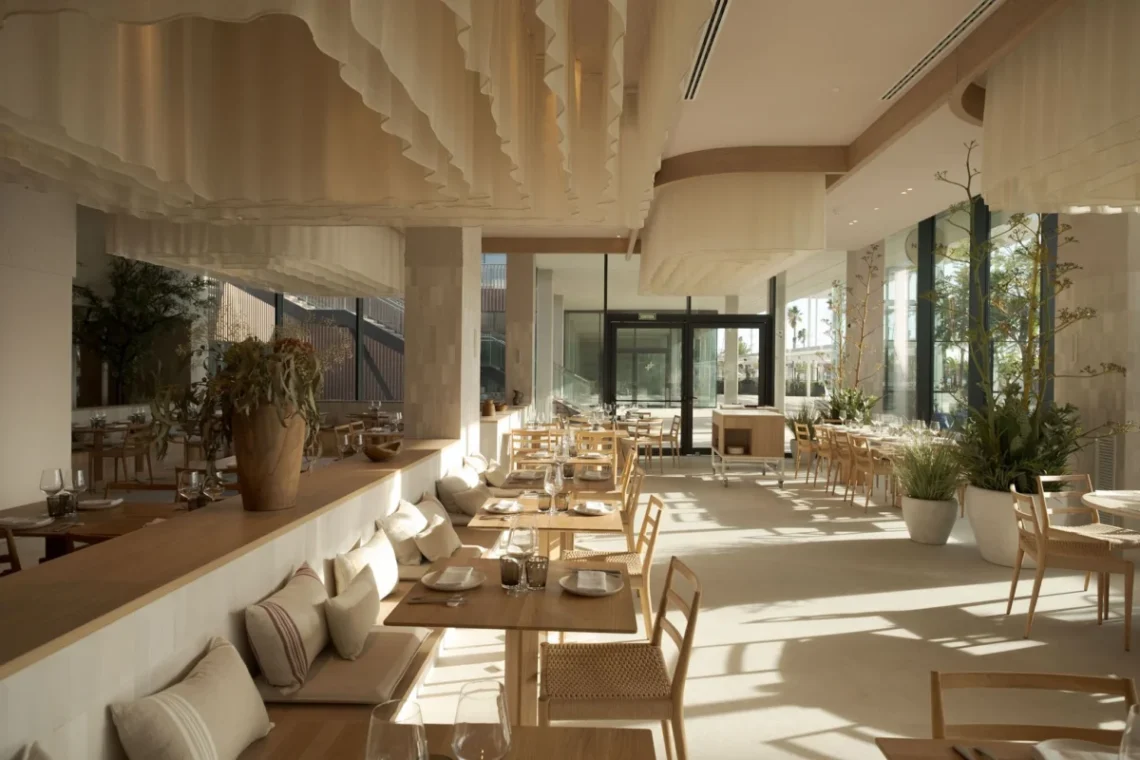
The culinary landscape of Barcelona is currently undergoing a structural shift. While the city remains a magnet for international tourism—a factor that has inevitably influenced pricing—the quality of the dining scene has arguably never been higher. The narrative that Spain is becoming less affordable is balanced by a remarkable democratization of quality. One can still find the quintessential "marble-topped bar" experience, where the clatter of silverware and the scent of fried croquetas provide a sensory anchor to the city, while simultaneously witnessing the emergence of high-concept, locavore-focused kitchens that prioritize regional sustainability.
This evolution is driven by a new generation of chefs who are as committed to the "kilometer zero" philosophy—sourcing ingredients from the immediate Catalan countryside—as they are to exploring international flavors. In the winding alleys of the Gothic Quarter and the leafy boulevards of Eixample, one finds an unprecedented influx of Peruvian cevicherias, sophisticated Japanese omakase counters, and vibrant Mexican kitchens. This multicultural infusion does not dilute the Catalan identity; rather, it complements the modern Catalan movement, which continues to elevate the region’s viticulture and agricultural heritage to global standards.
Chronology of a Culinary Evolution
To understand how Barcelona reached this current peak, one must look back at the historical arc that shaped its palate.
- The Early 20th Century (The Foundation): The city’s culinary reputation was initially built on the foundation of the taberna and the market stall. The accessibility of fresh Mediterranean seafood and the rustic, hearty nature of inland Catalan cuisine established a baseline of quality that remains the standard today.
- The 1990s–2000s (The Molecular Revolution): Led by the legendary Ferran Adrià at elBulli, this era saw Barcelona and its surrounding regions become the epicenter of molecular gastronomy. This period shifted the world’s focus toward Spain, pushing chefs to innovate with texture, technique, and science.
- 2010–2018 (The Era of Modernization): Post-molecular boom, the city began to integrate high-concept techniques into more accessible, neighborhood-friendly formats. The rise of the "gastropub" and the elevation of traditional tapas bars occurred during this window.
- 2019–Present (The Multicultural Synthesis): Following the global pandemic, Barcelona’s restaurant scene underwent a period of rapid reinvention. Faced with changing consumer habits, chefs pivoted toward sustainability and inclusivity. The current era is defined by the integration of global influences—Mexican, Japanese, and Peruvian—into the traditional Catalan framework.
Supporting Data: Why Barcelona Remains a Top Tier Destination
According to recent industry analysis and hospitality data, Barcelona remains one of the top three cities globally for "gastronomic tourism." The data highlights a few critical trends:
- Sustainability Metrics: Over 65% of restaurants featured in top-tier culinary guides for the city now report using at least 50% locally sourced, seasonal produce. This is a significant increase from the 30% reported a decade ago.
- Multicultural Growth: There has been a 40% increase in the number of restaurants specializing in non-European cuisines over the last five years. This shift reflects the city’s changing demographic and the sophisticated tastes of the modern traveler.
- Economic Resilience: Despite rising inflation and the cost-of-living crisis, the "mid-range" dining sector in Barcelona has shown the highest resilience. Data indicates that travelers are prioritizing unique food experiences over luxury accommodation, ensuring that even as prices rise, demand for high-quality, authentic dining remains robust.
The "Condé Nast Traveler" Standard: How Quality is Defined
The selection of the "best" restaurants in a city as saturated as Barcelona is a process that requires both rigor and intimacy. Editors at Condé Nast Traveler have moved away from the outdated model of simply ranking venues by star rating or price point. Instead, the selection process is rooted in a methodology of local immersion.
Every restaurant featured in current editorial lists is selected independently. The process involves:
- Local Vetting: Every venue must be visited by a local contributor. This ensures that the review is not based on "tourist traps" but on establishments that have passed the "local test"—a restaurant must be somewhere a resident would take their own family.
- Holistic Evaluation: Editors weigh factors beyond the food. Sustainability credentials, the inclusivity of the staff, the historical significance of the location, and the consistency of the service are all treated as essential components of the dining experience.
- Evolutionary Tracking: The list is not static. As restaurants evolve—or fail to meet their established standards—they are rotated out. This ensures that the recommendations remain relevant to the current state of the city’s culinary scene.
Official Responses and Industry Perspectives
Industry leaders and local restaurateurs have spoken extensively on the changing nature of the city’s food scene.
"We are seeing a move away from the ‘performance’ of dining," says one prominent local chef who recently opened a sustainable, farm-to-table eatery in Gràcia. "Ten years ago, it was about how much you could surprise the guest with a chemical reaction on a plate. Today, it is about the story of the farmer who grew the tomato and the integrity of the sea bass."
Local government officials have also noted the economic importance of this shift. Through initiatives aimed at promoting "Barcelona Gastronomy," the city is actively supporting smaller, family-run establishments that champion Catalan heritage. "Our culinary scene is our soft power," a spokesperson for the city’s tourism board noted in a recent briefing. "By supporting our local producers and encouraging chefs to remain true to the Catalan soil, we ensure that Barcelona remains a leader in the global conversation on food."
Implications: What This Means for the Traveler
For those planning a visit to Barcelona, the implications of this culinary renaissance are twofold:
1. Plan for a Different Pace
Barcelona is a city where the clock operates differently. Lunch often spills into the late afternoon, and dinner is a late-night affair that can stretch until the early hours of the morning. Travelers are advised to embrace the siesta—a mid-afternoon break—to prepare for the marathon of dining that awaits. The "roomiest eating pants" are not just a suggestion; they are a prerequisite for navigating the city’s late-night culinary culture.
2. Seek the "Hidden" Gems
While the world-renowned fine-dining destinations remain excellent, the true heart of the current scene is found in the neighborhoods outside of the city center. Exploring areas like Poblenou, Poble-sec, and the quieter corners of Gràcia will provide a more authentic look at how the city is blending its history with its multicultural future.
3. Sustainability as a Priority
As travelers become more conscious of their footprint, Barcelona offers a unique opportunity to engage with sustainable tourism. By choosing restaurants that prioritize local sourcing and ethical employment practices, visitors contribute to the preservation of the Catalan agricultural landscape. The city’s transition toward a more sustainable, inclusive food culture is not just a trend; it is a necessity for the long-term survival of its culinary heritage.
Conclusion: A City to Be Savored
Barcelona’s culinary scene is a living, breathing testament to the city’s resilience and its willingness to embrace the new while honoring the old. From the crisp, salted skin of a grilled fish caught in the Mediterranean that morning to the complex, spice-forward profiles of an emerging Peruvian kitchen, the city offers a spectrum of flavors that is truly global in scope.
Whether you are a seasoned gourmand or a casual traveler looking for a memorable meal, the current landscape of Barcelona provides endless opportunities for discovery. It is a city that demands your time, your attention, and, perhaps most importantly, your appetite. By understanding the forces that drive its kitchens and respecting the traditions that anchor them, visitors can ensure that their experience is not just a meal, but a profound connection to the culture of Catalonia itself. Pack your bags, leave room for the unexpected, and prepare to eat your way through one of the most vibrant culinary landscapes in the world.