California often receives an uncharited bad rap from mainstream automotive enthusiasts who associate the state strictly with stringent environmental regulations, aggressive emissions testing, and a progressive push toward an all-electric vehicle future. Yet, beneath the reputation of tailpipe scrutiny lies one of the largest, most vibrant, and historically dedicated collector-car and enthusiast scenes in the world. From the sprawling hot rod roots of Southern California to the sophisticated vintage racing circuits of Monterey, the state’s automotive heritage runs deep.
For a select group of these dedicated collectors, maintaining, driving, and preserving automotive history just became a little bit easier.
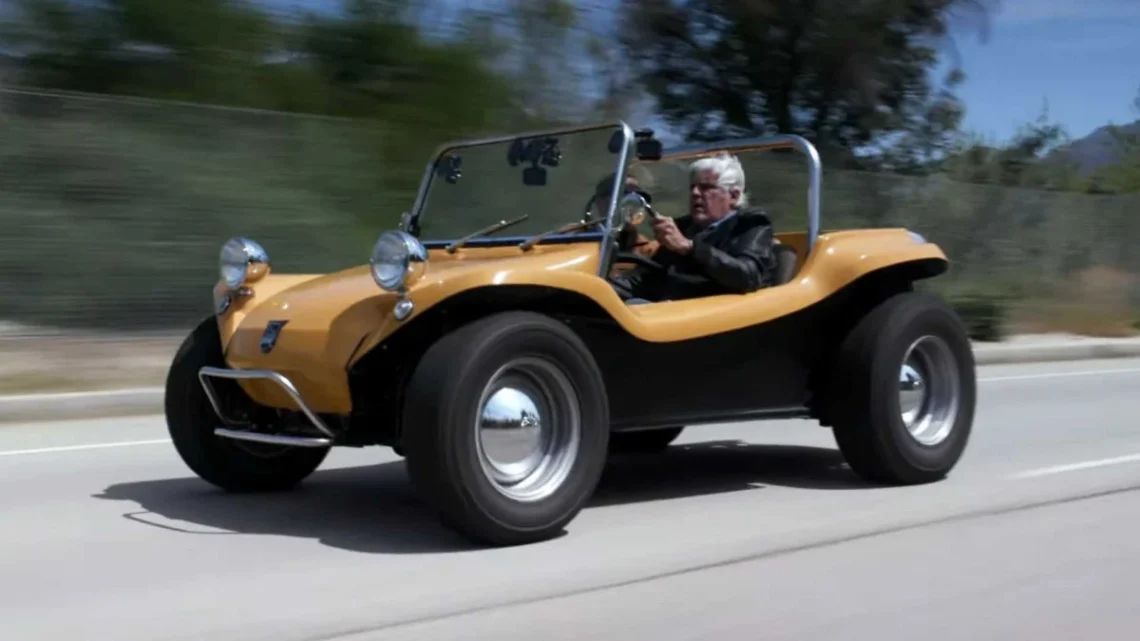
Governor Gavin Newsom has officially signed California Senate Bill 1392 into law—legislation widely celebrated and colloquially known within the community as "Leno’s Law," named in honor of legendary comedian, late-night television icon, and world-renowned car collector Jay Leno. While the bill marks a significant legislative milestone for classic car preservation, a closer look reveals a nuanced reality: while it is undeniably a step forward, the everyday enthusiast should pump the brakes before assuming sweeping changes have arrived for the entire vintage car community.
Main Facts: What is "Leno’s Law"?
Senate Bill 1392 addresses the state’s notoriously rigid rolling smog-check requirements, offering a targeted reprieve for a specific bracket of vintage vehicles.
Under the current regulatory framework, California enforces a smog-check exemption only for gasoline-powered vehicles built in or before the 1975 model year. For decades, this "rolling 30-year rule" was frozen in time, meaning vehicles manufactured in 1976 and later remained permanently subject to biennial emissions inspections, regardless of how infrequently they were driven or how meticulously they were maintained.
Leno’s Law fundamentally alters this landscape through a phased, incremental timeline:
- The Initial Rollout: Beginning in January 2028, pre-1981 model-year vehicles will become legally exempt from California’s mandatory biennial smog-check requirements.
- The Catch for 1981–1985 Models: To qualify for this initial exemption, vehicles must meet specific criteria: they must either be officially registered as a recognized collector car or driven fewer than 1,000 miles per year.
- The Phased Expansion: The exemption window will expand by one model year annually through 2033. By the time the rollout reaches completion in 2033, all vehicles built before 1986 will officially qualify for the smog exemption under these same provisions.
This legislative breakthrough offers relief to owners of 1976-through-1985 classic cars—an era often overlooked by historic preservation laws despite containing some of the most iconic, design-forward, and historically significant vehicles in modern automotive history.
Chronology: The Road to Senate Bill 1392
The path to passing Senate Bill 1392 was paved through years of persistent advocacy, strategic compromise, and high-profile backing from some of the most influential figures in the global automotive community.
The Stagnant 1975 Baseline
For decades, California’s clean-air mandates remained steadfastly anchored to the 1975 model year cutoff. Environmental regulators and lawmakers argued that freezing the exemption at 1975 prevented a massive influx of polluting, carbureted vehicles from entering the unmonitored road network as air quality standards tightened. However, as automotive engineering evolved rapidly through the late 1970s and 1980s—introducing primitive electronic engine controls, early catalytic converters, and fuel injection—advocates argued that the 1975 cutoff was outdated and penalized modern classics unfairly.
Legislative Mobilization
Recognizing the economic and cultural impact of the state’s multi-billion-dollar collector car industry, industry stakeholders, including the Specialty Equipment Market Association (SEMA) and prominent California lawmakers, began drafting legislative solutions. Senators Cortese and Grove spearheaded the legislative effort, working alongside cultural ambassadors to frame the bill not as an environmental loophole, but as a preservation of California’s unique industrial and artistic heritage.
Jay Leno’s Advocacy
No figure was more central to raising public and political awareness than Jay Leno. Operating from his legendary Burbank garage, Leno utilized his massive platform to champion the cause of classic car owners, bridging the gap between everyday gearheads and lawmakers in Sacramento. His direct engagement with legislators helped humanize the issue, emphasizing that true car collectors view their vehicles not as daily polluters, but as fragile pieces of mechanical art that deserve careful stewardship.
Signature and Enactment
Following robust debate and careful navigation through both houses of the California State Legislature, the bill landed on Governor Gavin Newsom’s desk. With the Governor’s signature, SB 1392 was officially codified into law, setting the clock ticking toward its January 2028 implementation date.
Supporting Data & Economic Impact
To understand why Leno’s Law matters, one must examine the sheer scale of California’s automotive ecosystem. The state is home to thousands of specialty automotive restoration shops, custom fabricators, parts suppliers, and small businesses that rely entirely on a thriving car culture.
- The Economic Footprint: According to industry data compiled by SEMA, the specialty automotive aftermarket contributes tens of billions of dollars to the U.S. economy annually, with California representing one of the single largest regional markets. Small businesses—ranging from upholstery specialists to engine builders—derive a significant portion of their livelihoods from servicing vintage and classic cars.
- Mileage Realities: Statistically, vehicles registered as collector cars or those driven fewer than 1,000 miles annually account for a microscopic fraction of overall vehicle emissions in California. Daily commuters and commercial freight vehicles drive the vast majority of cumulative vehicle miles traveled. By focusing relief on low-mileage and collector-status vehicles, lawmakers crafted a policy that minimizes environmental impact while maximizing cultural preservation.
- The Pre-1998 Diesel Precedent: It is worth noting that California has long maintained separate, more flexible provisions for certain vehicle classes—such as pre-1998 diesel-powered vehicles, which already enjoy distinct regulatory considerations. SB 1392 brings a similar pragmatic logic to late-1970s and early-1980s gasoline classics.
Official Responses and Industry Reactions
The signing of Senate Bill 1392 drew immediate, impassioned praise from industry leaders, alongside measured realism from automotive journalists and everyday enthusiasts.
Mike Spagnola, CEO of the Specialty Equipment Market Association (SEMA), hailed the legislation as a monumental milestone for the state:
"Leno’s Law is a historic win for California’s automotive community and for every family, enthusiast, and small business working to keep this culture alive. Leno’s Law shows that California can protect clean air while also showing the appropriate reverence for the vehicles that connect generations and tell an important part of our state’s story. We are grateful to Senators Cortese and Grove, Jay Leno, our member companies, and the thousands of advocates whose energy fueled this effort with an unrelenting passion for our shared automotive heritage."
While industry lobbying groups celebrate the compromise, grassroots reactions highlight a more complex sentiment. Many enthusiasts point out that while the bill is a welcome gesture, its restrictive qualifiers mean that its immediate benefits will be felt by a relatively narrow demographic.
Implications: Who Actually Benefits—and Who Doesn’t?
Despite the celebratory headlines surrounding Leno’s Law, it is critical to evaluate who stands to gain from the legislation and where its limitations lie.
Who Qualifies?
- Owners of Pre-1976 Classics: Anyone currently owning a gasoline-powered vehicle built in or before 1975 already enjoys an unconditional smog-check exemption. That status remains completely unchanged and secure under the new law.
- Owners of Pre-1998 Diesels: Similarly, owners of older diesel-powered vehicles retain their existing regulatory exemptions.
- Future Beneficiaries (Post-2028): Beginning in January 2028, owners of 1976 through 1980 model-year vehicles can breathe easier—provided their cars are either formally registered as collector vehicles or kept under the strict threshold of 1,000 miles driven per year. This sliding window will gradually encompass vehicles up to 1985 by the year 2033.
Who Misses Out?
- The High-Mileage Classic Owner: If you own an iconic 1978 or 1982 vintage car and use it as a frequent weekend cruiser, road-trip machine, or regular commuter—racking up well over 1,000 miles annually—you will not qualify for the exemption unless your vehicle is registered as a specialized collector car with its own distinct operational limits.
- Everyday Drivers of Unregistered Older Cars: Owners who possess older vehicles that do not meet the formal criteria for collector status will continue to face standard biennial smog inspections, regardless of the vehicle’s aesthetic or historical charm.
The Broader Legislative Reality
A more comprehensive, unconditional "rolling 30-year" exemption—one that would automatically free every vehicle over 30 years old from smog checks without mileage caps—would undoubtedly have been hailed as the ultimate victory by California car clubs. However, political analysts widely agree that a bill of that magnitude would have faced insurmountable hurdles in the California legislature, where environmental protection standards remain fiercely guarded.
Consequently, Leno’s Law represents the art of the possible: a carefully negotiated compromise that opens the door just wide enough to provide meaningful relief to select collectors without alarming environmental regulators.
Motor1’s Take
When evaluating Senate Bill 1392 through the lens of automotive journalism, a balanced perspective is essential.
If we view Leno’s Law as a foundational first step toward modernizing and rationalizing how California manages emissions for classic, historical, and collector vehicles, then it is undeniably a great win for the enthusiast community. It demonstrates that lawmakers are willing to listen to cultural advocates and acknowledge that mechanical heritage has intrinsic value worth protecting.
However, as it stands today, the sheer number of everyday motorists and traditional hobbyists who will directly benefit from Leno’s Law is a very small subset of California’s massive, diverse car community. For the average enthusiast who simply wants to drive their 1980s project car across the state without watching the odometer or navigating specialized registration hurdles, the finish line is still a long way off.
For now, the car culture of the Golden State lives on—powered by passion, preserved by persistence, and navigated one carefully measured milestone at a time.