September 19, 2026
By TechCrunch Reporting Desk
Main Facts
Flock Safety, a prominent and heavily scrutinized automated surveillance technology company, has introduced a sweeping and lucrative voluntary severance package for its approximately 1,500-person workforce. According to internal communications and industry reports, the company anticipates a high volume of employee interest and has signaled that it will approve the majority of buyout requests. Described internally as the "most generous" exit package the startup has ever extended, the move comes as the company navigates an existential crisis defined by rapid contract terminations, government bans, and mounting public scrutiny over its automated license plate recognition (ALPR) camera networks.
Rather than proceeding immediately with involuntary reductions in force—which leadership noted would "almost certainly" be necessary otherwise—Flock is utilizing voluntary departures to streamline operations and purge its ranks of personnel demoralized by ongoing public controversies. The cascading fallout follows explosive journalistic revelations regarding the misuse of its technology by law enforcement, prompting a wave of swift legislative and municipal pushback across the United States.
Chronology of a Crisis: From Expansion to Retrenchment
To understand Flock Safety’s current position, one must trace the rapid trajectory of the surveillance startup and the sudden, compounding nature of its recent downturn.
- Early 2026 and Prior: Flock Safety positioned itself as an essential public safety partner for municipalities and law enforcement agencies nationwide. By deploying network-connected, solar-powered cameras capable of capturing vehicle details, timestamps, and license plates, the startup rapidly scaled its operations, integrating its software into thousands of police departments and neighborhoods.
- August 2, 2026: The Washington Post published a bombshell investigative report revealing at least 46 documented instances where law enforcement officers improperly utilized Flock’s vast camera networks for personal surveillance. The report cited alarming cases of officers stalking romantic partners, spouses, and ex-partners, thrusting the company’s privacy safeguards—or lack thereof—into the national spotlight.
- August 2026 (The Municipal Exodus): Following the Washington Post exposé, anti-surveillance advocacy groups and municipal watchdogs tracked a massive wave of contract cancellations. Data shows that roughly 90 cities dropped Flock contracts during the single month of August—representing a staggering fourfold increase compared to July contract terminations.
- September 1, 2026: State-level resistance intensified. Both Florida and Texas officially announced they would block and phase out the use of the startup’s technology, citing severe privacy and civil liberties concerns.
- Mid-September 2026: In media appearances, including an interview on the All-In podcast, Flock CEO Garrett Langley publicly addressed the crisis, admitting that the "biggest damage" inflicted by the backlash had been absorbed by "internal morale."
- September 19, 2026: Facing mounting financial pressures and a deeply disillusioned workforce, Flock rolled out its unprecedented voluntary buyout program, offering a graceful exit to workers looking to distance themselves from the beleaguered brand.
Supporting Data and Metrics
The scope of Flock Safety’s current operational headwinds is underscored by hard numbers detailing the company’s workforce size, contract losses, and documented security breaches:
- 1,500: The approximate total headcount of Flock Safety’s workforce prior to the voluntary buyout announcement.
- 46: The number of documented police misuse cases identified by The Washington Post in August, highlighting systemic vulnerabilities in how third parties access surveillance data.
- 90: The count of municipal entities that terminated their contracts with Flock Safety during August 2026 alone—a 400% surge month-over-month.
- 4x: The multiplier representing the sudden acceleration of city contract cancellations following the privacy exposés.
- 2: Major U.S. states (Florida and Texas) that moved to officially block and ban the startup’s camera infrastructure at the state level by the beginning of September.
Official Responses and Stakeholder Perspectives
The friction surrounding Flock Safety has generated intense dialogue among corporate leadership, civil rights advocates, and government officials.
Flock Safety Management
CEO Garrett Langley has attempted to steady the ship amidst the storm. While acknowledging the intense public relations battle, Langley emphasized in his All-In podcast appearance that the primary casualty of the recent news cycle has been the internal culture and psychological well-being of the company’s employees. By rolling out the "most generous" severance packages in company history, executive leadership is attempting to provide a soft landing for workers who no longer wish to be associated with the brand, while simultaneously trimming overhead to match a rapidly contracting market.

Civil Liberties and Privacy Advocates
Organizations monitoring state surveillance have viewed the recent developments as a long-overdue reckoning. Privacy watchdogs argue that the deployment of ubiquitous, private-public surveillance networks inherently invites scope creep and abuse. The documented cases of stalking by police officers served to validate long-standing warnings from groups like the American Civil Liberties Union (ACLU) and local privacy coalitions, who argued that algorithmic policing tools lack adequate constitutional guardrails.
State and Local Governments
Elected officials in states like Florida and Texas, alongside dozens of city councils across the country, have pivoted from enthusiastic adopters to vocal critics. Citing constituent concerns over unwarranted tracking and the potential for civil rights violations, municipal leaders have found themselves politically compelled to sever ties with the company, prioritizing public trust over automated policing convenience.
Broader Implications for the Surveillance Tech Industry
The unfolding crisis at Flock Safety carries significant ramifications for the broader GovTech and security-as-a-service (SaaS) sectors.
The Cost of Erosion of Public Trust
For years, venture-backed startups in the public safety sector operated with relatively minor public pushback, pitching their products as modern solutions to crime. The Flock Safety case demonstrates that public-facing tech companies are increasingly vulnerable to sudden shifts in public sentiment. When the core utility of a product—surveillance—intersects with high-profile instances of abuse, the resulting reputational damage can disrupt business models nearly overnight.
Workforce Retention in Controversial Sectors
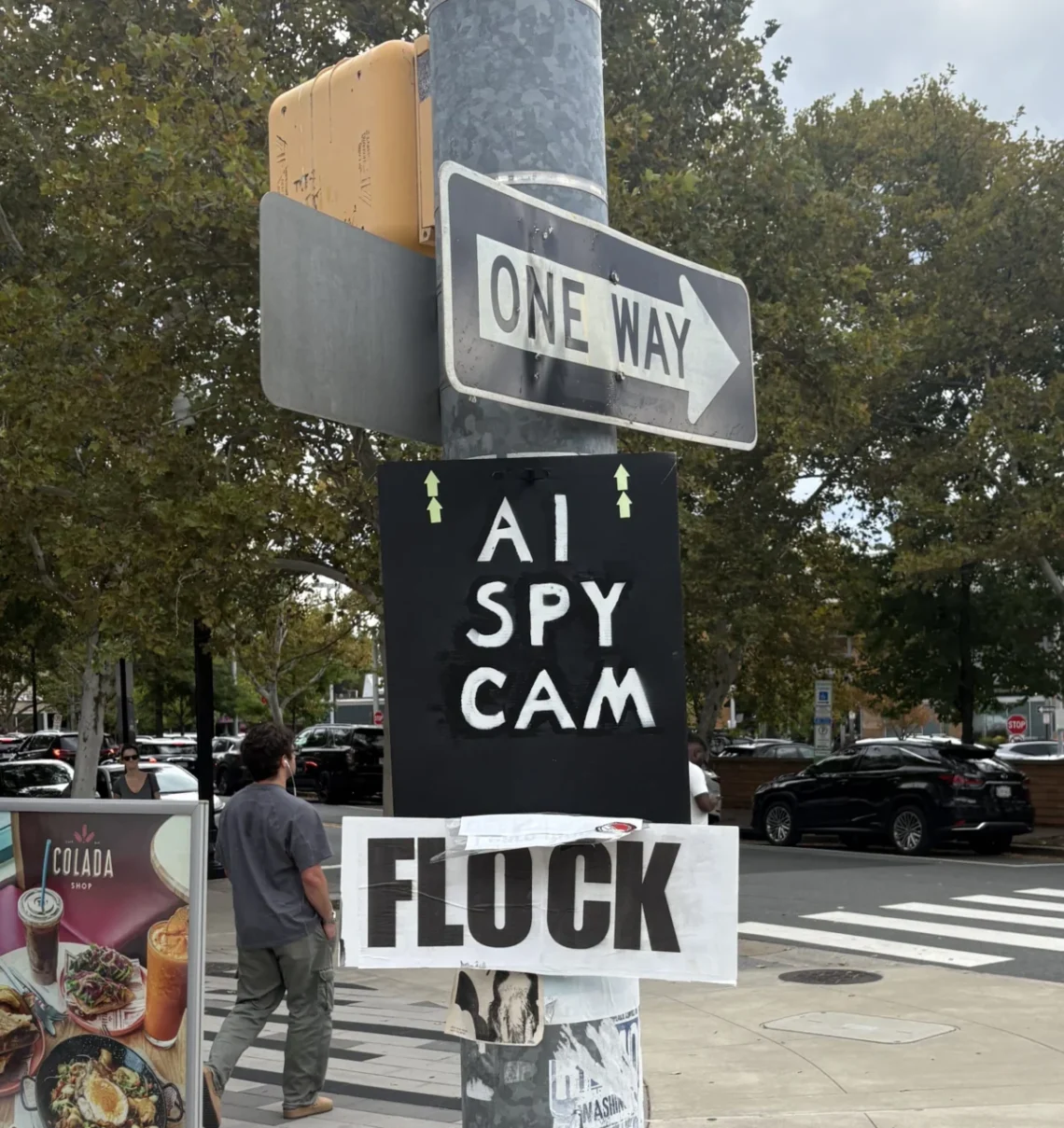
Tech workers are increasingly factoring ethical considerations and brand reputation into their employment decisions. As internal morale plummets and public protests target companies associated with mass surveillance (such as demonstrations seen in regions like Arlington, Virginia), talent retention becomes a major bottleneck. Flock’s reliance on voluntary buyouts is a direct acknowledgment that forcing demoralized employees to stay can stifle innovation and productivity.
Regulatory and Legislative Outlook
The swift actions taken by Florida and Texas may serve as a blueprint for other states looking to regulate or outright ban private-public surveillance partnerships. As lawmakers face mounting pressure from constituents to safeguard personal privacy, the legal framework governing automated license plate readers, facial recognition, and data-sharing agreements between police and private tech firms is poised for a major legislative overhaul.
Ultimately, Flock Safety stands at a critical crossroads. Whether the company can restructure its operations, rebuild its internal culture, and restore public and governmental trust remains one of the most closely watched storylines in the modern technology landscape.