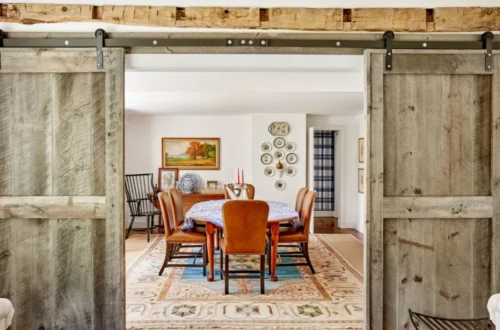
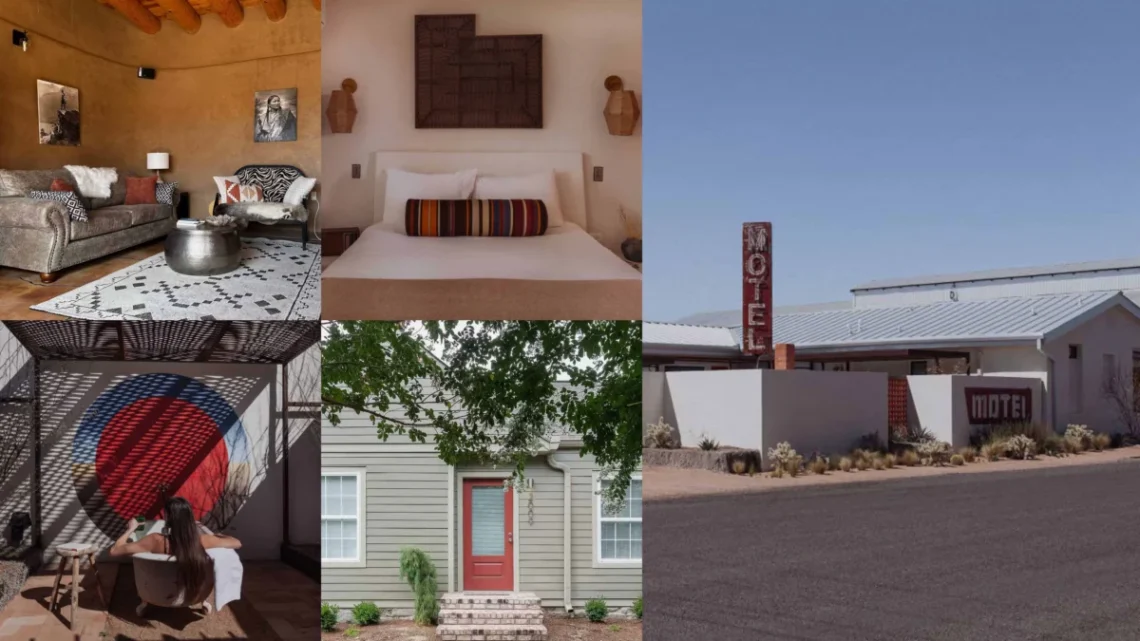
In September 2024, the suffocating reality of a shoebox apartment in Manhattan—coupled with the relentless ascent of metropolitan rent—forced a decision that would alter the course of the next year. It was a modern-day On the Road, a Kerouac-inspired odyssey for the digital age. My partner and I made a pact: we would trade our permanent address for a rotating series of rentals, traversing the American landscape for 365 days. We sold our furniture, packed our belongings into a single Samsonite suitcase each, and curated a master wishlist on Airbnb.
What began as a desperate escape from city life quickly evolved into a masterclass in domestic logistics, regional culture, and the art of modern nomadic living. Over the course of the year, we covered 16,000 miles, anchored ourselves in 30 different cities and states, and learned that the "perfect" home is not a static concept—it is a fluid experience defined by intent, research, and the right digital tools.
The Geography of Our Journey: A Chronological Overview
Our trajectory was not merely a vacation; it was a year-long immersion into the fabric of the United States. We began with a deliberate intention to see parts of the country that remained invisible to the typical coastal professional.

Our itinerary was a patchwork quilt of American landscapes. We started by trading the steel and glass of New York for the rolling foothills of the South, finding solace in Gatlinburg, Tennessee. From there, we traced the coastline to Destin, Florida, before moving into the vibrant, jazz-soaked streets of New Orleans, Louisiana.
As autumn bled into winter, we navigated the horse country of Lexington, Kentucky, before heading toward the cultural epicenter of Austin, Texas. The transition into the high-desert landscapes of Santa Fe, New Mexico, and the sprawling, cinematic vistas of Los Angeles, California, rounded out a journey that challenged our preconceptions of home. Each destination required a new "base of operations," teaching us that the success of a long-term trip is predicated on the quality of the shelter you choose.
The Mechanics of Selection: Strategic Booking and Filtering
The most significant realization of our year-long experiment was that booking a long-term stay is vastly different from reserving a weekend getaway. To maintain a sense of normalcy while living out of a suitcase, we had to treat our accommodation search with the precision of a property manager.

The Power of Granular Filtering
We quickly learned that "nice" is not a functional filter. For a stay lasting a month or longer, certain amenities moved from "luxury" to "non-negotiable." A dishwasher was essential to mitigate household friction, and an on-site washer and dryer became the most critical factor for budgeting—saving us hundreds of dollars in laundromat fees and hours of wasted time.
The "Guest Favorite" and Accessibility
We relied heavily on the "Guest Favorite" toggle to filter out the noise of mediocre listings. Furthermore, as we navigated varied terrains, we prioritized accessibility features. Whether it was checking for step-free entrances or specific bathroom modifications, these filters became essential for ensuring that our chosen homes were comfortable regardless of the architecture or local geography.
The Nuance of Reviews
Reading reviews became a daily ritual. We learned to look past the superficial "Great place!" comments and instead focus on the technical details provided by previous guests. If a reviewer mentioned street noise, low water pressure, or a malfunctioning hot tub, we took it as a warning sign. By sorting reviews from lowest to highest, we were able to identify recurring maintenance issues that hosts might have been tempted to gloss over in their descriptions.

Economic Implications: The Long-Term Stay Advantage
The financial viability of our year-long trip was entirely dependent on leveraging the platform’s long-term stay incentives. Airbnb offers significant price reductions for stays of 28 days or longer, a feature that proved to be the most vital tool in our financial planning.
In cities like New Orleans and Austin, these monthly-stay discounts ranged from 15% to 25%. When planning our budget, we found that "Reserve Now" was our best friend; it allowed us to see the total cost—including all taxes and service fees—upfront. This transparency prevented the dreaded "sticker shock" that often occurs when hidden cleaning fees are added at the final stage of the booking process.
Beyond the automated discounts, we found that direct communication with hosts was an underutilized strategy. By reaching out with a polite, professional introduction, we were often able to negotiate pricing for longer durations. This personal touch not only helped our bottom line but also established a rapport that often resulted in better local recommendations and a more welcoming arrival.

The Art of Local Immersion: Connecting with Hosts
We did not want to be tourists; we wanted to be residents. Our approach to connecting with hosts became the cornerstone of our experience. Before booking, we utilized a personalized introduction template. We introduced ourselves, explained our intentions, and asked specific questions about the neighborhood, local transport, and the host’s favorite hidden gems.
This strategy paid dividends. In New Orleans, this connection was particularly fruitful. We secured a spot in a classic shotgun-style home in the Irish Channel, owned by a family that had lived there for generations. Because we had cultivated a relationship with our host, we weren’t just staying in a house; we were granted access to the local community. We were invited to participate in the Mardi Gras festivities with the "Space Vikings," a local marching group, and gained entry into private parties that a standard visitor would never have discovered.
Data and Observations: Lessons from the Road
Seasonal Preparedness
One of our biggest takeaways was the necessity of tracking seasonal shifts. It is not enough to know the average temperature of a destination; you must understand the micro-climate and local events. For example, our trip to Flagstaff, Arizona, coincided with International Dark Sky Week. By researching the local calendar before we booked, we discovered that Flagstaff was the world’s first International Dark Sky City. Our choice of apartment—which featured large, unencumbered windows—allowed us to witness the constellations in a way that forever changed our perspective on urban versus rural living.

Packing: The Tetris Effect
Living on the road for a year requires a ruthless approach to physical belongings. I found that a high-quality, compartmentalized tote bag (specifically the Dagne Dover line) was essential for maintaining a workspace. Because I work remotely, being able to transition from a café to a park or a home office required a "go-bag" that kept my tech and documents organized.
Additionally, we brought small luxuries that made each transient space feel like home: a high-quality travel mug for early mornings, comfortable slippers for indoor lounging, and a personal stationery set. Writing handwritten thank-you notes to our hosts was a final, crucial step in our checkout process, ensuring we left a positive impression and maintained the integrity of our digital reputation as guests.
Future Implications: The Lifestyle Evolution
As we look toward our next year of travel, our perspective has shifted. We are no longer simply looking for a place to sleep; we are looking for inspiration. Our next phase of the journey will involve more daring architecture—perhaps a glass dome in the mountains or a restored historic structure.

The lifestyle we adopted over the last 365 days has become a permanent fixture of our identity. It has proven that with enough preparation, the world can be your office and your home. The experience of living in 30 states has taught us that domestic travel is not a monolithic experience; it is a collection of diverse, vibrant, and deeply human encounters.
Conclusion
The decision to sell our furniture and hit the road was, at the time, a "leap of faith." In hindsight, it was a data-driven, strategic, and profoundly rewarding lifestyle transition. By utilizing the filters, maximizing long-term stay discounts, and fostering genuine human connections with our hosts, we were able to transform the abstract concept of "living anywhere" into a practical, sustainable reality.
For anyone considering a similar path, the takeaway is clear: the success of the journey lies in the quality of your research. Know the neighborhood, know the host, and never underestimate the power of a monthly-stay discount. The American landscape is waiting, and with the right approach, you can make every stop feel exactly like home.