In the pantheon of New York City’s culinary identity, few institutions command the reverence, loyalty, and sheer cultural gravity of the classic steakhouse. To dine at a premier Manhattan or Brooklyn steakhouse is to engage in a ritual that transcends the mere consumption of calories. It is an exercise in history, status, and the pursuit of the perfect sear. While the city’s restaurant scene is notoriously fickle, the steakhouse remains a permanent fixture—a bastion of wood-paneled, dim-lit comfort that refuses to yield to the whims of the trend cycle.
Yet, to suggest that the New York steakhouse is a monolith would be a mistake. The landscape is currently defined by a fascinating tension between the "old guard"—the century-old cathedrals of meat—and a new generation of chefs who are deconstructing the concept, infusing the traditional format with global influences and avant-garde sensibilities.
Main Facts: The Anatomy of a NYC Steakhouse
At its core, the New York steakhouse is defined by a specific set of parameters: a formal or semi-formal dining room, a focus on high-quality dry-aged beef, a standard menu of starch-heavy sides (creamed spinach, hash browns, onion rings), and a wine list that prioritizes bold, tannic reds.
However, the modern iteration has evolved. Today’s premier establishments are judged not only by the quality of their ribeye or porterhouse but by the "diner experience." This is the X-factor that separates a good meal from an iconic one. It is the alchemy of service, ambiance, and the intangible feeling of being "important" that makes a steakhouse visit feel like an event.
Key Characteristics:
- Provenance: The best steakhouses prioritize sourcing, often working with specific purveyors to secure USDA Prime beef that has been dry-aged on-site or through specialized aging houses.
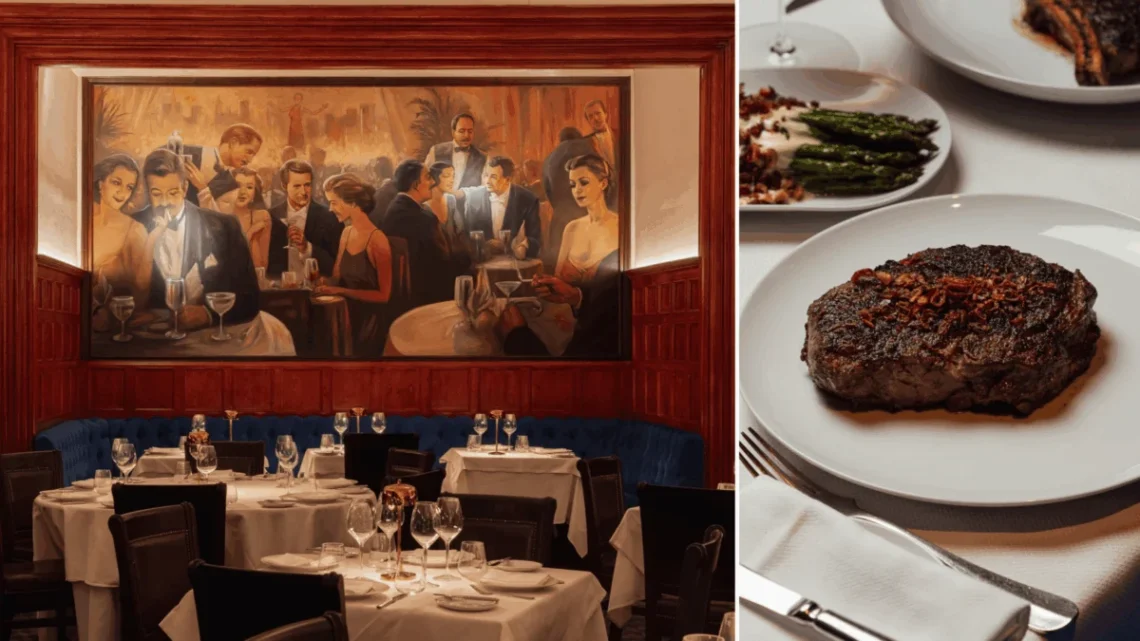
- Atmosphere: While modern steakhouses experiment with light and open floor plans, the most enduring spots maintain a "tavern-like" aesthetic: dark wood, leather booths, and an acoustics profile that allows for power lunches and celebratory dinners alike.
- Consistency: The menu is rarely overhauled. A patron returning after a decade expects the same Caesar salad and the same medium-rare cut, prepared with the same level of precision.
Chronology: A Century of Carnivorous Culture
To understand the current steakhouse landscape, one must look at the timeline of the city’s most significant openings.
The Era of the Titans (1885–1930s)
- 1885: Peter Luger Steak House opens in Williamsburg. It remains the gold standard for many, having survived the shifting demographics of Brooklyn to become a global pilgrimage site.
- 1887: Keens Steakhouse establishes itself in Midtown. Famous for its collection of clay pipes once held by the likes of Teddy Roosevelt and Babe Ruth, Keens remains the quintessential "old New York" experience.
- 1897: Gallaghers Steakhouse opens in the Theater District, cementing the link between New York’s power brokers, Broadway performers, and the steak-and-martini culture.
- 1906: Delmonico’s (re-established in its current Financial District form) continues a legacy that dates back to the mid-19th century, representing the birthplace of the "Delmonico steak."
The Mid-Century Refinement (1950s–1980s)
During this period, the steakhouse moved away from the gritty tavern style toward the high-gloss, expense-account era. Service became more regimented, and the "power lunch" became an essential component of the business model.
The Modern Re-invention (2010–Present)
The last decade has seen a bifurcation in the market. While the classics maintain their status, new players are entering the scene with "globally-inflected" menus. We now see steakhouses incorporating Japanese Wagyu with greater frequency, utilizing wood-fired grills that impart smoke profiles previously unseen in traditional NYC steakhouses, and offering vegetable-forward menus that cater to a more health-conscious clientele.
Supporting Data: The Economics of the Steakhouse
The economics of a NYC steakhouse are notoriously rigorous. High overheads, driven by the cost of prime real estate and the necessity of maintaining massive, climate-controlled aging rooms, require high volume and high average checks.
- Average Ticket Size: High-end NYC steakhouses report average covers ranging from $150 to $300 per person, inclusive of alcohol.
- Waste Management: Because of the intensive trimming process required for dry-aged beef, yield percentages are low. A high-quality steakhouse may lose 20% to 30% of a primal cut to trimming, which is factored into the premium price of the steak.
- The "Sides" Margin: While the protein represents the draw, the margins are often bolstered by sides and cocktails. The markup on wine lists in top-tier steakhouses remains one of the primary drivers of profitability, with classic Bordeaux and California Cabernets serving as the backbone of the revenue stream.
Official Responses and Industry Shifts
Restaurateurs and industry analysts have noted that the "steakhouse" label is becoming increasingly fluid. In a 2023 industry survey, restaurant operators noted that the biggest threat to the traditional steakhouse is not a decline in meat consumption, but a change in dining patterns.
"The three-hour, three-martini lunch is largely a thing of the past for the average worker," says one industry consultant. "Steakhouses have had to pivot to appeal to a younger, more diverse demographic that values sustainability and transparency in sourcing."
Some legendary spots have responded by modernizing their booking systems and social media presence, while others—like Peter Luger—have doubled down on their "no-frills" reputation, leaning into the nostalgia that modern diners crave as a counterpoint to the city’s rapidly changing technological landscape.
Implications: The Future of the NYC Steakhouse
The future of the steakhouse in New York City lies in the ability to balance legacy with relevance.
1. The Rise of the "Vegetable-Forward" Side
The days of the steakhouse offering only creamed spinach and potatoes are waning. Modern establishments are now commissioning chefs to curate seasonal, produce-heavy menus that stand on their own. This reflects a shift toward holistic dining where the steak is the centerpiece, but not the only story on the table.
2. Sustainability and Sourcing
With climate change and ethical farming practices at the forefront of public discourse, steakhouses are being pushed to provide more transparency. Expect to see more menus highlighting specific farms, heritage breeds, and carbon-neutral sourcing initiatives in the coming years.
3. The Democratization of the Steakhouse
While the "white tablecloth" experience will always have a home in Midtown, we are seeing a rise in "casual-luxe" steakhouses—places that maintain the quality of the beef but shed the formality of the service. This allows the steakhouse to survive in neighborhoods that would otherwise reject a traditional, stuffy institution.
4. Technological Integration
The back-of-house technology—precision ovens, advanced temperature monitoring, and AI-driven inventory management—is ensuring that the quality of the steak is more consistent than ever before. While the dining room may feel like it’s frozen in 1920, the kitchen is operating in 2024.
Conclusion
The New York City steakhouse is not dying; it is merely undergoing its latest metamorphosis. Whether you find yourself in the wood-paneled, cavernous dining room of a century-old institution or in a sleek, modern space that overlooks the city skyline, the core value proposition remains unchanged.
It is a place of shelter from the frenetic energy of the city. It is a place where, for a few hours, the world slows down. It is a place that promises that, no matter how much the world changes, there will always be a perfectly charred piece of meat, a glass of robust red, and the singular, undeniable comfort of a tradition that refuses to go out of style. As the city evolves, these temples of beef will remain—not as relics of the past, but as the essential, unchanging heart of New York’s dining culture.