Madrid is a city of electric energy, where the traditional and the avant-garde collide under a brilliant, sun-drenched sky. While the Spanish capital boasts world-class luxury institutions—such as the palatial Mandarin Oriental Ritz and the sophisticated Four Seasons Hotel Madrid—a growing contingent of travelers is opting for a different kind of experience. For those looking to peel back the layers of the city and immerse themselves in the rhythm of neighborhood life, the Airbnb market in Madrid has evolved into a treasure trove of architectural gems, historic balconies, and intimate, design-forward retreats.
The Shift Toward Authentic Urban Immersion
In recent years, travel trends have shifted away from the standardized luxury of hotel chains toward "authentic living." Travelers today are increasingly prioritizing local connection, seeking to walk the same streets as residents, shop at the local mercados, and enjoy a glass of Rioja on a private terrace overlooking the terracotta rooftops of Malasaña or Chamberí.
Madrid, with its distinct barrios (neighborhoods), is uniquely suited to this transition. By choosing a well-curated Airbnb, visitors are not just booking a room; they are gaining a key to the city’s heart. From sun-drenched penthouses featuring modern, minimalist aesthetics to historic apartments boasting original 19th-century balconies, these stays offer a window into the soul of Madrid that no concierge desk can provide.
Chronology of a Market Transformation
The evolution of Madrid’s short-term rental market has been a decade in the making, shaped by both cultural shifts and regulatory responses.

- 2014–2016: The Rise of the Sharing Economy: Madrid saw an explosion in short-term rentals as the sharing economy gained global traction. Tourists began gravitating toward apartments in central districts like Centro and Retiro to access the city’s major museums and nightlife.
- 2017–2019: Regulatory Tightening: As the popularity of short-term rentals surged, local authorities began implementing stricter regulations. The city council introduced measures to ensure that tourism did not displace long-term residents, requiring specific licenses for "tourist apartments" and restricting rentals in certain historic buildings.
- 2020–2021: The Pandemic Pivot: The travel hiatus provided a moment for property owners to renovate and upgrade. The focus shifted from quantity to quality, with hosts investing in professional interior design, high-speed connectivity for remote workers, and improved sanitation standards.
- 2022–2024: The Era of the "Guest Favorite": Post-pandemic, Airbnb introduced its "Guest Favorite" badge, a milestone that changed how properties are selected. Today, the most successful listings in Madrid are those that combine reliable service, high design standards, and a "Superhost" commitment to hospitality.
Supporting Data: What Makes a Top-Tier Airbnb?
Choosing the right accommodation in a sprawling metropolis can be overwhelming. According to market analysis and guest feedback, the most sought-after listings in Madrid currently share four key pillars of success:
- Strategic Location: Proximity to major transport hubs (like Atocha Station) and cultural landmarks (like the Prado Museum or the Royal Palace) remains the primary driver of booking value. However, listings located in "hidden gem" districts like Barrio de las Letras or La Latina are seeing increased interest due to their authentic character.
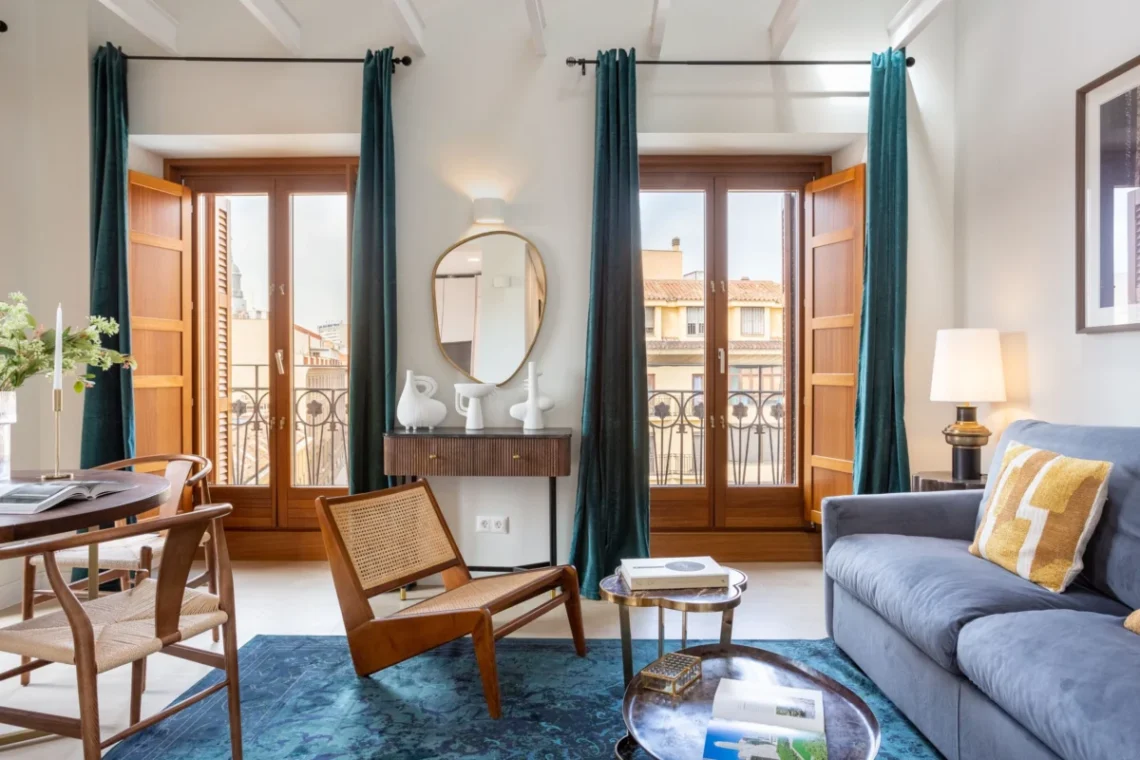
- Architectural Integrity: Modern travelers have a keen eye for aesthetics. Properties that preserve historic architectural details—such as exposed brick, ornate iron balconies, and original wooden beams—while integrating contemporary smart-home technology and high-end furniture, command the highest occupancy rates.
- The "Sun-Trap" Factor: Madrid is famous for its light. Apartments with private terraces or balconies that offer outdoor seating are arguably the most requested features. A terrace in Madrid is not just an amenity; it is a lifestyle extension where residents spend long summer evenings.
- Guest Satisfaction Metrics: Data indicates that listings vetted for "Superhost" status and "Guest Favorite" status consistently perform better. These properties benefit from clear communication, seamless self-check-in processes, and personalized local recommendations provided by the host.
The Implications of "Living Local"
Choosing an Airbnb over a traditional hotel carries significant implications for both the traveler and the city.
For the Traveler
The primary benefit is the "lived-in" experience. Access to a full kitchen allows travelers to explore local produce from markets like Mercado de San Miguel or Mercado de San Antón. The ability to manage one’s own schedule without the constraints of hotel room service or lobby hours fosters a sense of independence. Furthermore, the economic advantage is often significant; travelers can secure high-end amenities, such as multiple bedrooms and living spaces, for a fraction of the cost of a luxury hotel suite.
For the Urban Landscape
The rise of the "curated Airbnb" has forced a positive evolution in Madrid’s urban interior design sector. Property owners are now collaborating with local architects and designers to create spaces that feel like a contemporary reflection of Spanish culture, rather than generic rental units. However, this also brings a responsibility. The most successful hosts are those who integrate into the community, providing guests with information on sustainable tourism, local business support, and respect for the neighborhood’s noise ordinances and historical integrity.

Expert Recommendations for Your Stay
When booking your next trip to Madrid, consider these factors to ensure your stay matches your expectations:
- Prioritize Neighborhood Identity: If you seek nightlife and eclectic energy, look to Malasaña. If you prefer history and art, Barrio de las Letras is your best bet. For a more sophisticated, upscale vibe, look toward Salamanca.
- Verify Amenities: In a city where summer temperatures can climb, air conditioning is not a luxury—it is a necessity. Always check for central climate control before booking.
- Check the Reviews for "Local Insight": Look for reviews that mention the host’s recommendations. A great host will provide a list of their favorite tapas bars and local coffee shops, which can turn a standard trip into a transformative experience.
Conclusion: A New Way to Visit Madrid
Madrid is a city that rewards the curious. While the grandeur of its hotels offers a classic experience, the depth of its culture is found in the apartments that line its winding streets. By selecting a high-quality, vetted Airbnb, you aren’t just visiting the Spanish capital—you are participating in its modern story. Whether you are sipping coffee on a balcony in the morning light or relaxing in a designer living room after a day at the Reina Sofía, these homes provide the perfect backdrop for a truly memorable stay.
As the market continues to mature, we expect to see an even greater emphasis on sustainable, locally-owned, and architecturally significant properties. Madrid is waiting to be discovered, and with the right home base, the city is yours to explore at your own pace.
Note: This report is based on current trends and data from Condé Nast Traveller and major travel platforms. Travelers are encouraged to verify individual listing details, cancellation policies, and local municipal regulations regarding tourist housing before finalizing their bookings.