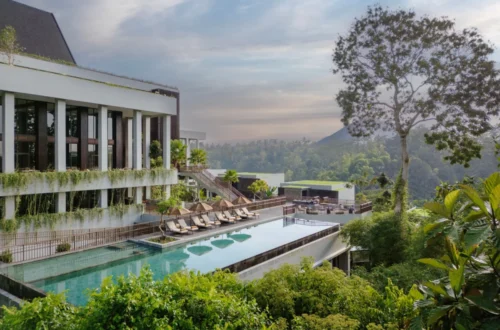
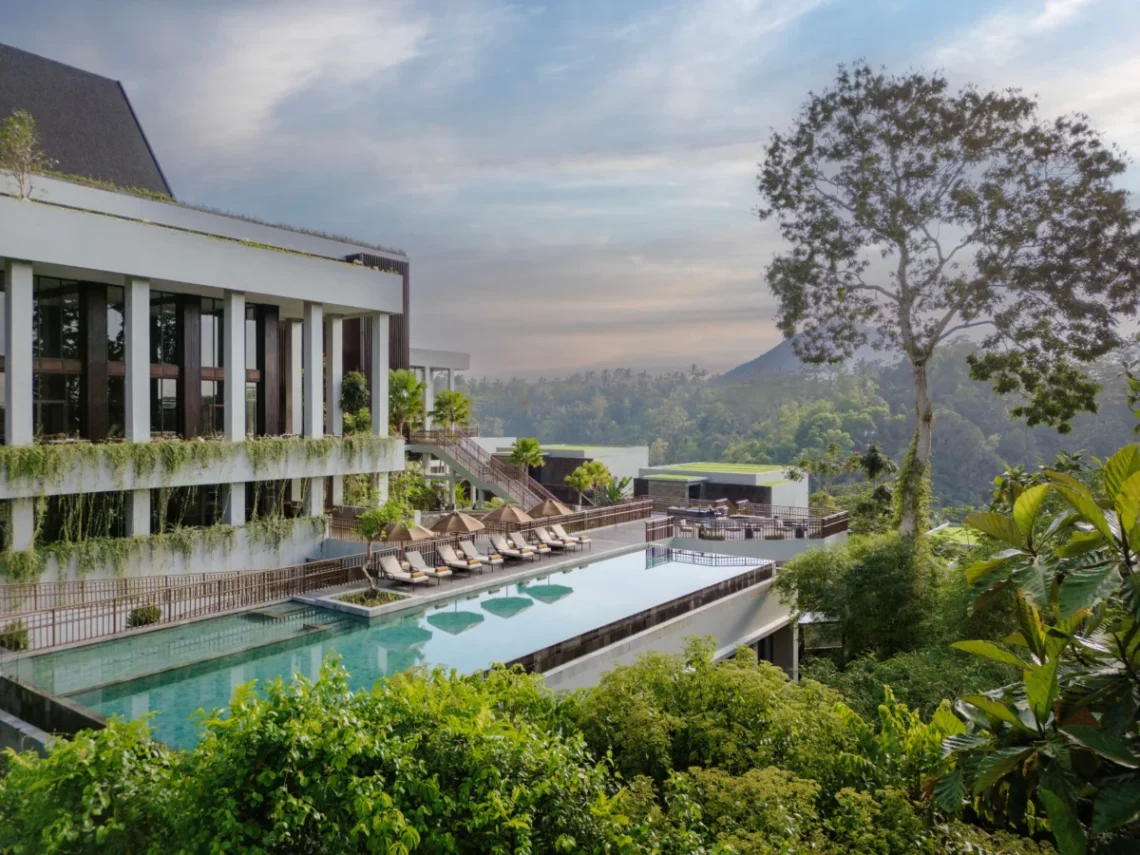
For decades, Bali has occupied a singular space in the global travel consciousness. It is a destination defined by its "mystique and magic"—a blend of ancient Hindu traditions, verdant rice terraces, and a coastline that ranges from dramatic volcanic cliffs to pristine, sun-drenched beaches. Yet, beyond the spiritual allure, Bali has long maintained a reputation as one of the world’s most accessible luxury destinations.
As the tourism landscape shifts post-pandemic, questions regarding affordability have surfaced. While prices have undeniably risen across the archipelago, the "Bali Paradox" remains: it is still entirely possible to secure a glorious villa, swim in a stunning infinity pool, and indulge in world-class dining without the eye-watering price tags typical of the French Riviera or a high-end boutique hotel in Manhattan. Having spent four years living on the island, I have witnessed firsthand that the key to an epic Bali vacation is not necessarily a massive bank account, but rather the "insider" knowledge of where to look.
The Evolution of Balinese Value
Historically, Bali’s hospitality sector was built on the foundation of guesthouses and homestays. Over the last two decades, however, the island has seen a surge in sophisticated boutique properties that bridge the gap between budget backpacker hostels and ultra-high-end private resorts.
The primary driver of this value is the local ethos. Warm, authentic hospitality is woven into the Balinese culture; it is a service-oriented mindset that exists independently of the room rate. Whether you are paying $80 or $800, the level of attentiveness—from the fresh frangipani on your pillow to the genuine smiles of the staff—remains consistent.
The Math of the "Affordable Luxe" Stay
When benchmarking against other global destinations, the value proposition of Bali is striking. In many European capitals, a $250-per-night budget might secure a cramped, mid-tier chain hotel room. In Bali, that same nightly rate often grants access to private villas, sprawling tropical gardens, and impeccable service that would be classified as five-star in almost any other context.
Chronology: Understanding the Seasonal Pulse
To maximize value, a traveler must understand the island’s temporal rhythms. Bali’s tourism economy is dictated by its distinct weather patterns, which directly influence pricing tiers.
- April to October (The Dry Season): This is the peak window for travel. High demand for clear, sunny days keeps occupancy rates high and nightly room prices at their annual maximums.
- November to March (The Rainy Season): This represents the "Value Window." While tropical downpours are more frequent, they are often short-lived. During these months, savvy travelers can find substantial discounts, often up to 40% off peak-season rates, at some of the island’s most iconic properties.
- The Festive Exception: The period between December 20 and January 5 acts as an anomaly. Regardless of the monsoon weather, the global holiday rush drives prices to their yearly zenith, often accompanied by mandatory gala dinner surcharges.
Supporting Data: Where the Value Resides
The geographic distribution of value in Bali is vast. While hotspots like Seminyak and Canggu have seen significant inflation due to high demand, the "intrepid explorer" is consistently rewarded.
Recommended Regions for Budget-Conscious Luxury:
- Sanur: Known for its relaxed, old-school charm and calm waters, Sanur offers an abundance of mid-range properties that prioritize peace and aesthetic beauty over the frantic nightlife of the west coast.
- The Outskirts of Ubud: By moving just 15 minutes away from the town center, travelers can trade noise for the sound of rushing rivers and jungle canopy, often at half the price of the central art-hub hotels.
- Sidemen: For those seeking the "real" Bali, this valley offers unparalleled views of Mount Agung. The accommodations here are often eco-conscious, intimate, and highly affordable.
- Amed: A diver’s paradise, Amed remains one of the most cost-effective regions on the island, with stunning cliffside villas that provide a sense of isolation and grandeur for a fraction of the cost found in Uluwatu.
Perspectives from the Ground: Editorial Standards
The curation of "affordable luxury" requires a rigorous vetting process. Journalists at Condé Nast Traveler apply a specific methodology when assessing these properties to ensure the reader is not simply getting a "cheap" room, but a high-value experience.
Our criteria for evaluation include:
- Authentic Integration: Does the property respect the local Balinese architectural vernacular?
- Sustainability Credentials: We look for properties that minimize plastic waste, support local staff, and contribute to the preservation of the surrounding environment.
- Service Quality: We measure the "VIP effect"—the ability of the staff to anticipate needs and provide a personalized experience.
- Design Integrity: We favor properties that offer a strong sense of place rather than generic, sterile hotel design.
Implications for Future Travel
The rise in prices in Bali is an inevitable byproduct of its success as a premier global destination. However, the implication for the traveler is a shift in strategy. The "spray and pray" method of booking any hotel in a popular area is no longer a guaranteed recipe for value.
Instead, the future of budget-conscious travel in Bali lies in hyper-local exploration. As the island develops infrastructure in the North and East, new opportunities for luxury at lower price points emerge. Travelers who are willing to move slightly off the beaten path will find that the "magic" of Bali has not disappeared; it has simply migrated to corners of the island that are quieter, greener, and more welcoming to those willing to make the journey.
FAQ: Navigating the Bali Market
Q: If I’m looking for an affordable trip, which region should I prioritize?
A: If you want to avoid the "tourist tax" of the major hubs, look toward the outskirts of Ubud, the quiet coastal stretches of Amed, or the lush valleys of Sidemen. These areas reward the adventurous with lower rates and a much more authentic immersion into the island’s culture.
Q: Is it really worth traveling during the rainy season to save money?
A: Absolutely. The "rainy season" in Bali is rarely a wash-out. It usually involves heavy, refreshing afternoon showers followed by bright sunshine. If you aren’t tied to a rigid schedule, you can save significant amounts of money between November and March. Just be sure to avoid the Christmas and New Year period if you are on a strict budget.
Q: How can I ensure a property is truly "good value" before I book?
A: Look for properties that emphasize local engagement. Check if they have a history of employing local villagers, their stance on environmental sustainability, and read recent reviews specifically focusing on service quality. Value is not just the room rate; it is the quality of the interactions you have during your stay.
Q: Has the surge in digital nomads affected the price of luxury stays?
A: It has undoubtedly created a more competitive market for long-term rentals. However, for short-term vacationers, the sheer volume of new hotel developments—ranging from boutique eco-lodges to upscale villas—has kept the market liquid and, in many cases, suppressed price hikes through sheer supply.
In summary, while the Bali of 2024 is more expensive than the Bali of 2004, the island remains a global anomaly. By prioritizing local experiences, traveling during the shoulder seasons, and venturing beyond the saturated hubs, the modern traveler can still find the legendary "luxury for less" that has defined the island for generations. The key is to see the island not as a single destination, but as a diverse collection of ecosystems, each offering a different price point for the discerning traveler.