For many travelers, the ultimate ritual of arriving in a new city is to seek out its highest point. Whether it is the terracotta-tiled roof of Barcelona’s Casa Milà or the spiraling vantage point of Copenhagen’s Round Tower, these elevated perspectives offer more than just a photograph; they provide a cartography of experience. By mapping out the streets traveled and the landmarks missed, the visitor transforms a once-foreign landscape into a familiar territory.
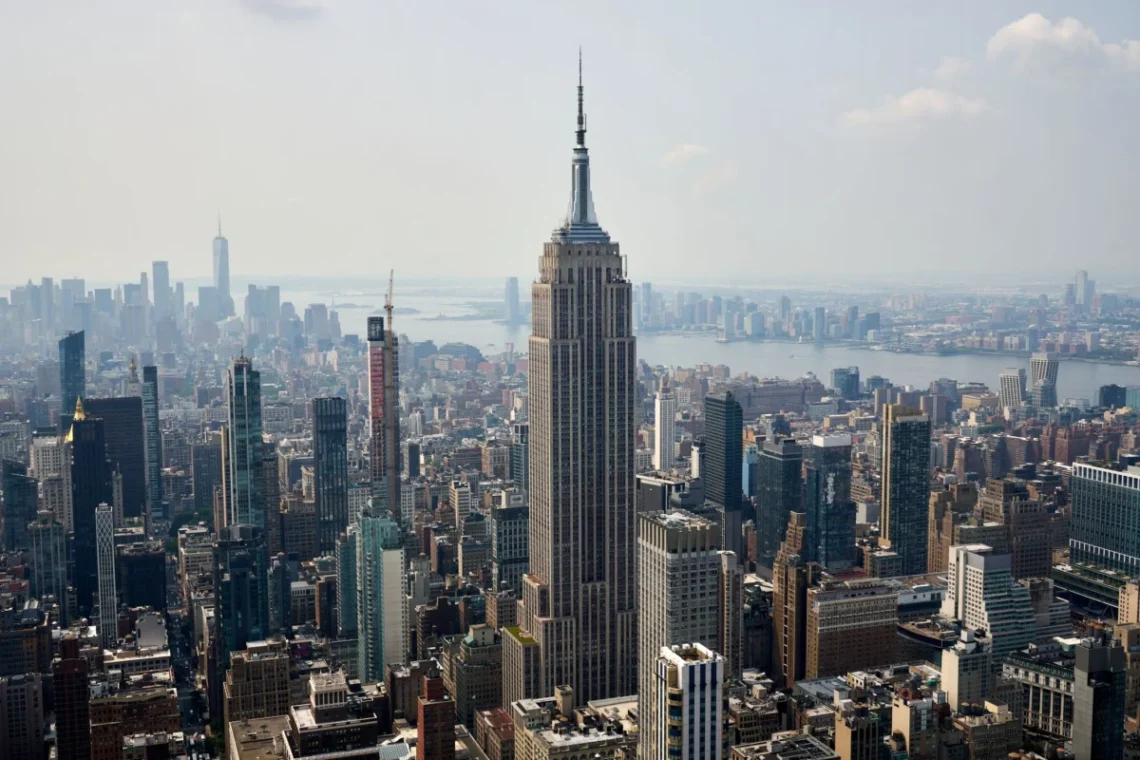
As a New York City resident of five years, I have spent countless hours gazing upward at the shimmering spire of the Empire State Building. Yet, it wasn’t until a crisp September morning that I finally made my pilgrimage to 350 Fifth Avenue. What I discovered is that while the building is a monument to Art Deco design, the true allure lies in the panoramic tapestry of New York City it reveals from its 86th and 102nd floors.
A Legacy Written in Steel: The History and Construction
The Empire State Building is not merely a tourist destination; it is a profound engineering feat that redefined the skyline. Designed by the architectural firm Shreve, Lamb & Harmon, this 102-story limestone and steel titan was constructed during the height of the Great Depression. Ground was broken in 1930, and the structure was completed in a staggering 13 months. At a rate of approximately 4.5 stories per week, it remains one of the fastest large-scale construction projects in history.
Upon its completion in 1931, the building soared to 1,454 feet, claiming the title of the world’s tallest building—a record it held for nearly 40 years until the completion of the World Trade Center’s North Tower in 1970. Today, while it is the eighth-tallest building in New York City, its cultural footprint remains unmatched. Beyond its 150 corporate offices—hosting giants like LinkedIn and Expedia—it has served as the backdrop for over 250 films and television shows, most famously the 1933 classic King Kong.
In 2019, the building concluded a $165 million, four-year renovation. This modernization effort included a complete overhaul of the 2nd and 80th-floor exhibition spaces and a redesigned 102nd-floor observatory, ensuring the building’s infrastructure matches its historic grandeur.
Logistics: Navigating the Visitor Experience
The Empire State Building is open 365 days a year, regardless of weather conditions. The primary visitor entrance is located at 20 West 34th Street, a short walk from major transit hubs including Penn Station, the Port Authority, and an extensive array of subway lines.
Ticketing and Strategic Planning
While the building’s iconic lobby on 350 Fifth Avenue is restricted to tenants, visitors are treated to its grandeur upon exiting the observatory. For those planning a visit, the following breakdown is essential:
- General Admission (86th Floor): Priced at $46, this ticket provides access to the main deck and the museum exhibits.
- Top Deck Access (86th and 102nd Floors): Priced at $81, this option includes an climate-controlled indoor observatory. While the 102nd floor offers a superior, sheltered view of Central Park, the 86th floor remains the quintessential experience for those seeking the open-air balcony.
- The "Flex" and "Express" Options: While these premium add-ons allow for rescheduling or line-skipping, the current ticketing system is highly efficient. During a recent visit on a Monday morning, I found that same-day tickets were readily available at the 12 West 34th Street kiosk with minimal wait times.
For those planning a broader exploration of the city, the New York CityPass or the New York Pass by GoCity offer bundled access to multiple attractions, including the Empire State Building, at a significantly reduced rate.
Expert Advice on Timing
Dan Rogoski, the senior vice president and observatory general manager, notes that while the building is always accessible, "we strongly recommend that guests purchase tickets in advance on our website to secure their preferred date and time, particularly during holidays and other peak periods, such as sunset."
For those looking to avoid the crushing crowds, the "sweet spot" for a visit is between 1 p.m. and 4 p.m. on weekdays. Early risers might consider the "Sunrise Experience," which provides access before the public, accompanied by coffee and pastries—an ideal way to capture the sunrise behind the Chrysler Building.

Behind the Scenes: What to Expect
The journey begins at the 20 West 34th Street security checkpoint. After navigating the screening, guests are directed to the second floor, which houses an immersive, interactive museum. These exhibits detail the construction process, the building’s historical legacy, and its role in pop culture.
A highlight of the experience is the "NYC: Above and Beyond" mural. Created by artist Stephen Wiltshire, this breathtaking, panoramic depiction of the Manhattan cityscape was constructed entirely from memory following a 45-minute helicopter ride.
From the museum, you are whisked to the 80th floor before ascending to the 86th-floor open-air observatory. Here, the experience truly begins. Protected by the iconic, historic metal railings—and equipped with overhead heaters for the winter months—you can view the city from 360 degrees. On a clear day, the visibility extends to six states: New York, New Jersey, Pennsylvania, Connecticut, Massachusetts, and Delaware.
The Implications of a Tourist Icon
The Empire State Building’s continued success in an era of "experience-based" travel highlights the endurance of classic landmarks. By diversifying its offerings—from corporate office space to high-end tourist exhibits—it has maintained its relevance.
The building’s role as a symbol of the city is solidified by its lighting tradition. Since 1976, when the building first flashed red, white, and blue to honor the U.S. Bicentennial, the spire has become a dynamic canvas. Today, it celebrates seasonal events, holidays, and cultural milestones with a sophisticated LED lighting system, turning the building into a lighthouse for the metropolitan area.
Final Recommendations for the Discerning Traveler
If you decide to visit, treat it as a multi-hour experience rather than a "check-the-box" tourist stop. Budget at least two hours to fully appreciate the exhibits and the varying light conditions from the 86th-floor deck.
For those concerned about comfort, I recommend:
- Sun Protection: Even at high altitudes, UV exposure is significant. A quality sunscreen, such as the Supergoop Unseen Sunscreen stick, is a travel essential.
- Photography Gear: While professional tripods are generally discouraged without permits, a compact, high-quality digital camera—such as the Kodak Charmera keychain digital camera or the Ektar H35 film camera—is perfect for capturing the unique textures of the Art Deco spire without weighing down your bag.
- Comfortable Eyewear: The glare from the glass-heavy architecture of neighboring skyscrapers can be intense. A pair of polarized, stylish frames like Madewell’s Russell oval sunglasses will make viewing the horizon much more comfortable.
The Empire State Building is more than a skyscraper; it is the beating heart of Manhattan’s architectural history. Whether you are a first-time visitor to New York or a long-time local, ascending the building is a necessary act of orientation. It serves as a reminder that even in a city of millions, there is always room to rise above the noise and gain a clearer perspective on the world below.
By integrating the building into your itinerary with careful timing and an appreciation for its history, you ensure that your visit is not just a trip to an observation deck, but a meaningful engagement with one of the most significant landmarks of the 20th century.