Main Facts
Mazda is signaling a major strategic shift that could see the Japanese automaker become significantly more reliant on Chinese-built electric vehicles (EVs) to meet global decarbonization targets. While the Hiroshima-based brand has spent years championing a "multi-solution" approach to propulsion—balancing internal combustion engines, hybrids, and limited electrification—regulatory realities are forcing a pivot.
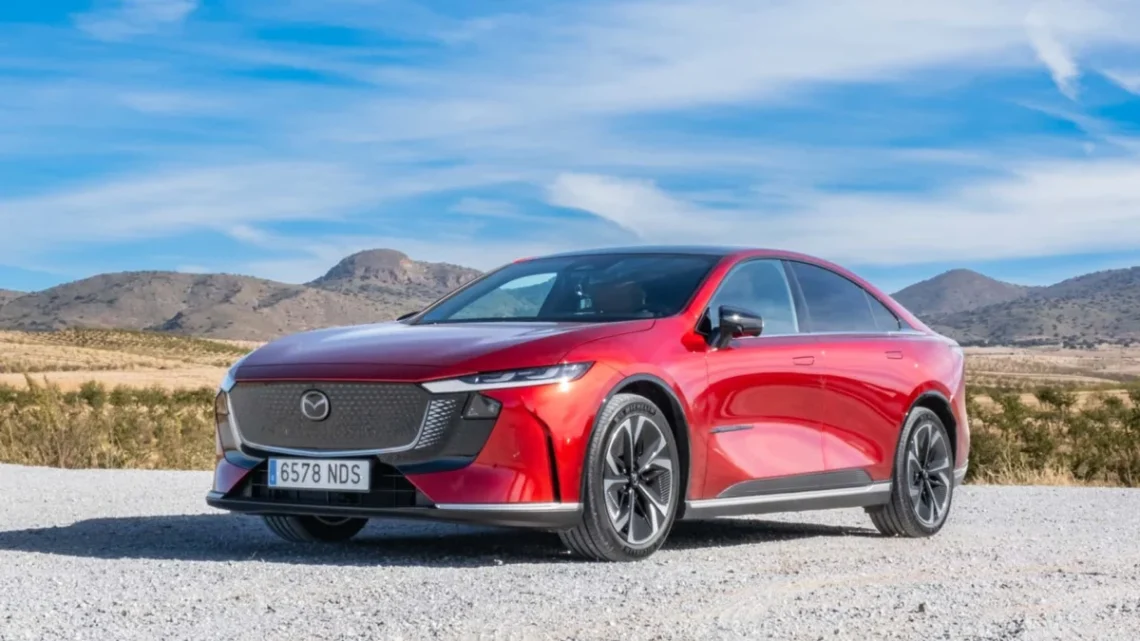
Currently, Mazda markets the China-produced Mazda 6e liftback and CX-6e SUV in select export markets. However, high-ranking executives have confirmed that these two models represent just the beginning of a deeper industrial integration. During discussions with long-time Chinese joint-venture partner Changan, Mazda leadership has initiated talks regarding the development and sourcing of additional battery-electric models.
Speaking to automotive media, Mazda Australia managing director Vinesh Bhindi confirmed that the brand is actively exploring avenues to expand the cooperative portfolio beyond the existing electric duo. When directly asked whether Mazda intends to lean heavily on Changan for electric vehicles while its proprietary, in-house EV architecture remains under development, Bhindi offered a concise and definitive response: “Absolutely.”
This revelation underscores a delicate balancing act for Mazda. The automaker is striving to leverage China’s advanced, highly cost-effective EV supply chain and manufacturing ecosystem to bridge an impending product gap, all while attempting to preserve its hallmark driving dynamics—colloquially tied to its "Zoom-Zoom" ethos—through localized European ride-and-handling tuning and localized production oversight.
Chronology of Mazda’s Electrification Strategy
To understand Mazda’s current reliance on Chinese manufacturing, it is necessary to examine the timeline of the company’s struggles and adjustments within the electric vehicle space:
- The Early Misstep (2020–2022): Mazda introduced the MX-30, its first mass-market battery-electric vehicle. Equipped with a small battery pack, the crossover suffered from heavily criticized, low driving range. In an effort to remedy this, Mazda later introduced a rotary range-extender variant, utilizing a newly developed rotary engine purely as a generator rather than a direct drive unit. Despite these innovations, the vehicle failed to capture significant market share.
- The Regulatory Squeeze (2023–2024): Facing aggressive fleet-emission targets in Europe and stringent local regulations globally, Mazda found its traditional product portfolio under direct threat. The regulatory climate became so restrictive that Mazda was forced to discontinue the 2.0-liter engine option for its iconic MX-5 Miata sports car in Europe and the UK.
- The Pivot to Changan (2024–Present): Recognizing that its proprietary EV architecture would not be ready in time to shield the brand from hefty regulatory penalties, Mazda accelerated its reliance on its Changan joint-venture in Nanjing. The company began exporting the China-built Mazda 6e and CX-6e to international markets, treating them as vital stopgap measures.
- Revised In-House Roadmap (2029 Target): Mazda formally pushed back the timeline for its dedicated, proprietary battery-electric vehicle platform. Simultaneously, the automaker nearly halved its immediate EV capital expenditures to redirect funds toward hybrids utilizing its newly developed Skyactiv-Z internal combustion engines.
- Future Expansion (2028–2030): Mazda’s corporate roadmap now explicitly outlines the introduction of at least two additional Changan-derived electric models toward the end of the decade, cementing China as a critical export hub for the brand’s broader EV portfolio.
Supporting Data and Market Realities
Mazda’s strategic pivot is underpinned by stark economic and regulatory data. As traditional automotive markets in Europe and North America tighten fleet-average CO2 thresholds, legacy automakers face severe financial penalties for non-compliance. In Europe, these fines can quickly erode profit margins, making the rapid integration of zero-emission vehicles an existential necessity rather than an optional brand-building exercise.
| Strategic Metric / Area | Previous Approach | Current & Projected Strategy |
|---|---|---|
| Primary EV Source | Proprietary, in-house development | Outsourced/Joint-Venture via Changan (China) |
| Dedicated EV Timeline | Targeted for mid-2020s | Delayed to 2029 for in-house platforms |
| Investment Allocation | Heavy upfront spending on proprietary EV tech | Slashed internal EV budget; diverted to Skyactiv-Z hybrids |
| Compliance Strategy | Multi-solution ICE & mild hybrids | Accelerated reliance on imported BEVs (6e, CX-6e, plus future models) |
| Geographic Export Hubs | Japan-centric production | Nanjing, China facility acting as a key global exporter |
Furthermore, the economic efficiency of Chinese manufacturing plays a pivotal role. Developing a competitive EV architecture from scratch requires billions of dollars in research and development—resources that a smaller independent automaker like Mazda must carefully ration. By utilizing Changan’s established platforms and manufacturing infrastructure, Mazda dramatically cuts time-to-market and development overhead.
Official Responses and Industry Perspectives
The transition toward outsourced Chinese-built EVs has sparked considerable debate among enthusiasts and industry analysts alike. Mazda is acutely aware of the risk that badge-engineered or imported vehicles could dilute its hard-earned reputation for building driver-focused, premium automobiles.
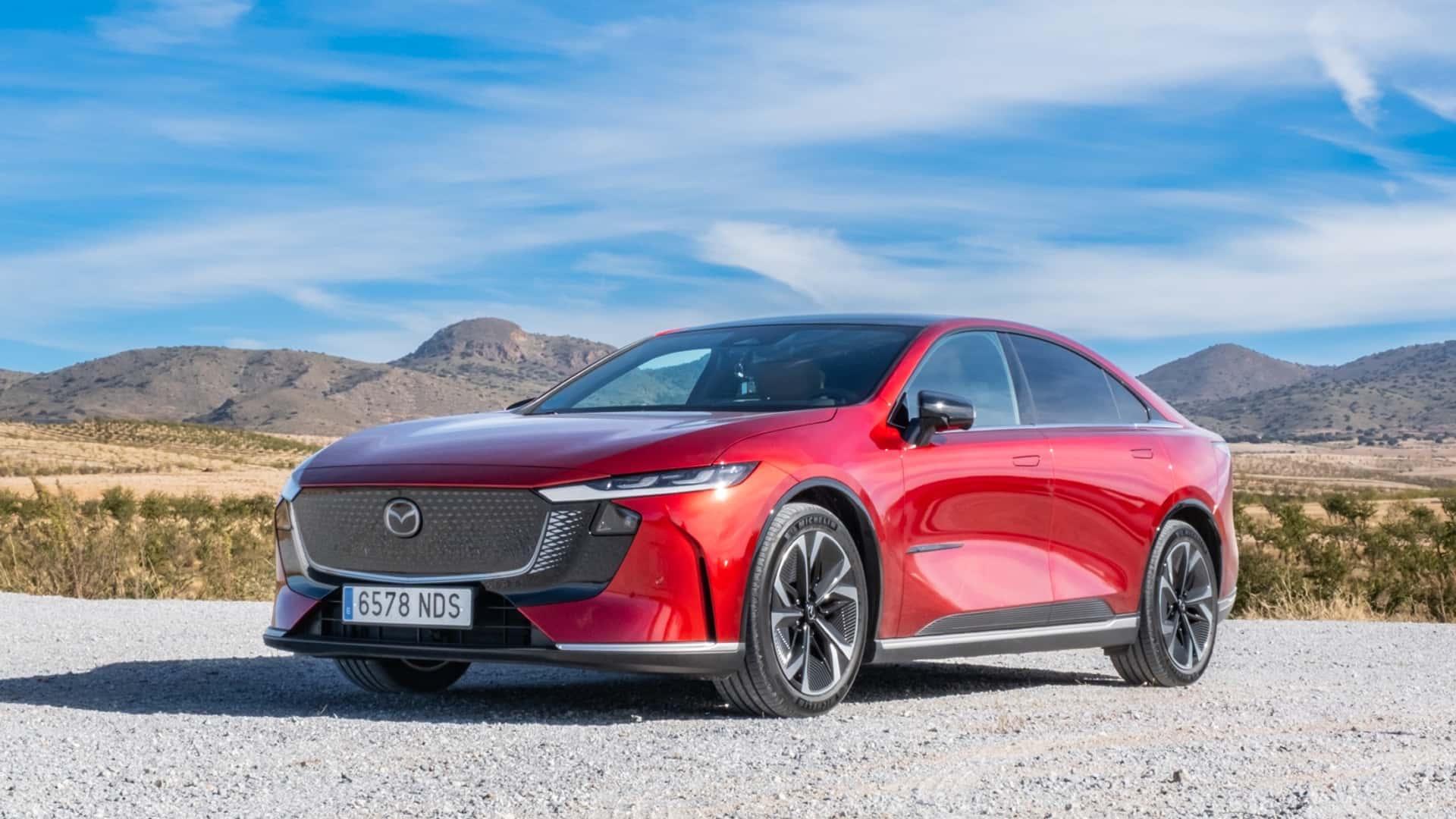
Addressing these concerns, Vinesh Bhindi emphasized that the vehicles emerging from the Changan-Mazda partnership are subjected to rigorous engineering oversight by Mazda personnel.
“We’ve put a lot of effort in, and we will continue to do that to make sure [Chinese-built Mazda] models are different… there are more opportunities to keep doing that,” Bhindi noted during discussions with international media.
Structurally, this separation of duties is managed by utilizing the Nanjing facility for baseline manufacturing and assembly within the joint-venture framework, while Mazda’s dedicated European and Japanese engineering teams step in to refine calibration, suspension geometry, steering weight, and overall chassis dynamics. The objective is to inject enough distinct Mazda DNA into the platform to ensure that drivers experience the brand’s signature road manners, mitigating the perception of a generic "Shenzhen special."
Implications for the Future of the Brand
Mazda’s growing dependency on Changan carries profound implications for its identity, product lineup, and global market positioning.
1. The Preservation of the Internal Combustion Engine (For Now)
By outsourcing its high-volume EV requirements to China, Mazda buys itself precious time to continue refining internal combustion technology. The company recently introduced its new Skyactiv-Z engine family, aiming to squeeze maximum efficiency and ultra-low emissions out of traditional gas engines. In markets where infrastructure constraints or consumer demand keeps ICE vehicles relevant, Mazda can remain a self-described "rebel with a cause," continuing to offer enthusiast-focused combustion vehicles.
2. The Inevitable Electrification of Icons
Even the most sacred cows within Mazda’s stable are not immune to the shifting regulatory landscape. Company executives have openly hinted that the legendary Mazda MX-5 Miata will eventually need to embrace some form of electrification to survive future emissions cycles. If a purist sports car like the Miata is slated for battery integration or hybrid assistance, it serves as proof that mainstream models will transition even faster. Changan-sourced EVs serve as the shock absorbers for this transition, shielding the company’s financial health while internal teams work at a measured pace on proprietary electric architectures slated for late-decade deployment.
3. Redefining "Japanese Quality" in a Globalized Market
For decades, the "Made in Japan" badge was synonymous with Mazda’s manufacturing integrity. As the brand shifts its electric output to Chinese facilities, it reflects a broader macro-trend across the global automotive industry: traditional geographic boundaries of manufacturing are dissolving in the face of EV cost pressures. How consumers in Australia, Europe, and potentially other export markets receive these Chinese-built Mazdas will serve as a bellwether for whether brand equity can successfully transcend country-of-origin assembly lines.
Ultimately, Mazda’s reliance on Changan is a pragmatic survival strategy. It bridges the chasm between strict contemporary environmental regulations and the brand’s own delayed in-house EV timeline, ensuring that Mazda can keep its dealership showrooms full and its compliance penalties at bay while it plots its long-term electric future.