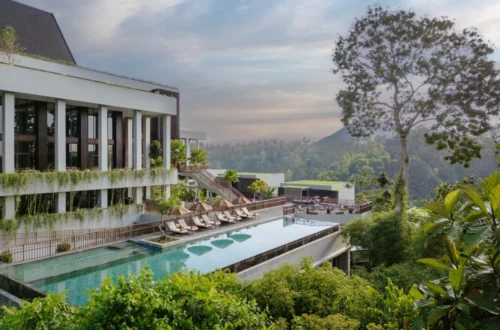
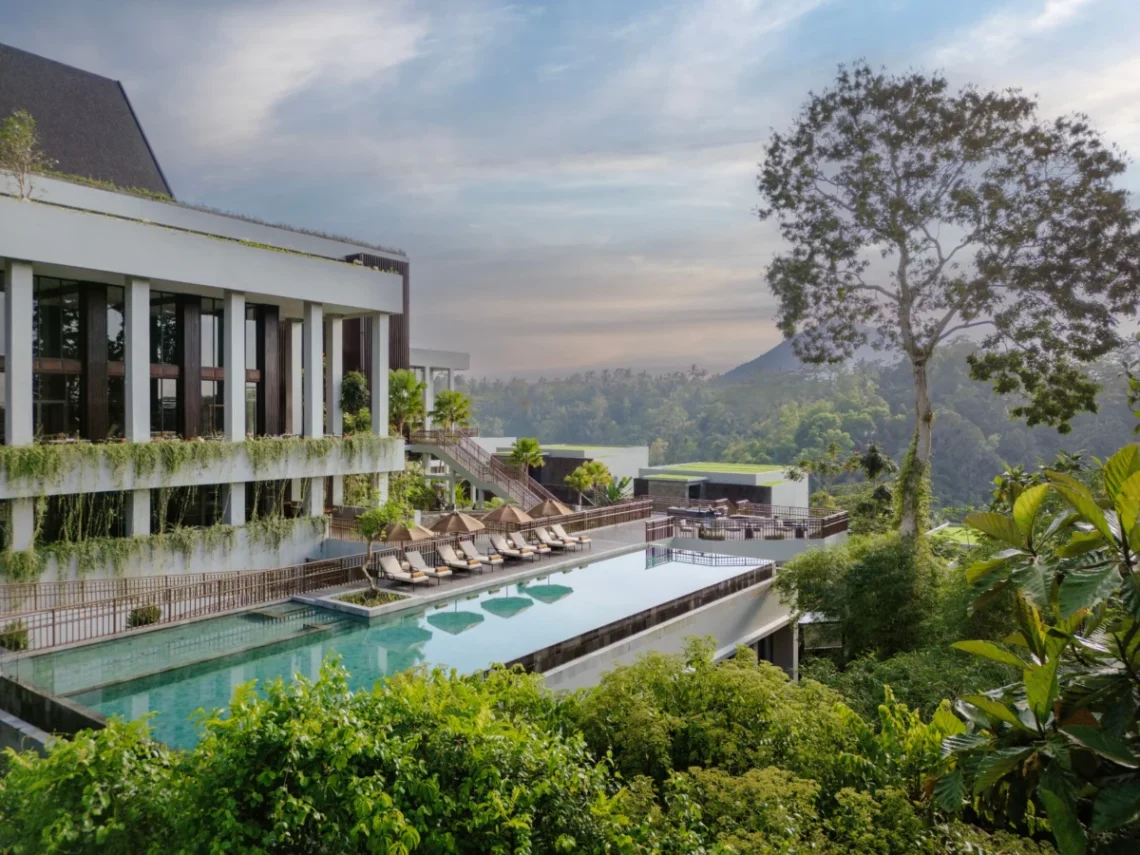
For decades, Bali has occupied a singular space in the global travel consciousness. It is a place where the mystical—ancient temples, vibrant ceremonies, and emerald-green rice terraces—meets the hedonistic joy of infinity pools and world-class hospitality. While the island’s profile has exploded in recent years, drawing digital nomads, luxury seekers, and backpackers alike, a persistent myth suggests that the "Island of the Gods" has become priced out of reach.
However, beneath the surface of high-end, celebrity-frequented beach clubs lies a more enduring reality: Bali remains one of the world’s most accessible destinations for travelers seeking high-value experiences. Whether you are craving a private villa with jungle views or a boutique beachfront stay, the art of the "affordable luxury" vacation is alive and well for those who know where to look.
Main Facts: The Resilience of Bali’s Value Proposition
The primary appeal of Bali as a budget-friendly destination is the sheer volume of supply. The island’s hospitality infrastructure is vast, ranging from family-run guesthouses to sophisticated boutique resorts. As a former resident who spent four years navigating the island’s diverse geography, I have observed that the concept of "value" in Bali is rarely synonymous with "cheap" in the negative sense.
Instead, it refers to a high level of service, aesthetic design, and comfort that would command triple the price in London, New York, or Paris. Even as global inflation has nudged nightly rates upward, the fundamental equation remains skewed in the traveler’s favor. For under $250 per night, visitors can access properties that offer personalized service, exquisite architecture, and prime locations that feel like a VIP experience.
Chronology: The Evolution of Bali’s Tourism Landscape
To understand why Bali remains a bastion of value, it is helpful to look at the island’s tourism trajectory:
- The 1970s–1990s: The "Backpacker Era." Bali gained global fame as a budget haven for surfers and spiritual seekers. Simple bamboo huts and communal living were the standards.
- The 2000s: The "Boutique Revolution." As international travel became more accessible, local hoteliers began integrating traditional Balinese architecture with modern, upscale amenities. This period birthed the iconic private pool villa.
- The 2010s: The Rise of the Influencer/Nomad. High-speed internet and social media made Bali a global hub. While demand spiked, the sheer volume of new construction ensured that budget options kept pace with luxury growth.
- 2020–2022: The Pandemic Reset. During the global lockdowns, Bali’s tourism industry faced unprecedented challenges. The subsequent reopening saw a focus on sustainability and value-driven tourism as properties worked to rebuild their occupancy rates.
- 2023–Present: The "Premium Value" phase. Today’s market is characterized by a balance: while ultra-luxury resorts continue to break pricing records, the "mid-range" sector has matured, offering high-end experiences at prices that remain remarkably competitive compared to other tropical destinations like the Maldives or the Caribbean.
Supporting Data: Why Your Dollar Goes Further in Bali
When analyzing the cost of a luxury vacation, the "Value Index" in Bali is driven by three main factors: labor costs, low overhead for independent properties, and the sheer saturation of the market.
According to industry trends, the average daily rate (ADR) for a 4-star boutique hotel in Bali consistently trends 40-60% lower than comparable properties in the Mediterranean. Furthermore, the "total cost of ownership" for a traveler—including dining, transport, and excursions—remains significantly lower.
For instance, a world-class dinner for two in an upscale Ubud restaurant, featuring locally sourced organic ingredients, often costs less than a casual brunch in a major Western capital. This price disparity extends to services: high-end spa treatments, private yoga instruction, and customized cultural tours are accessible at a fraction of the cost found in other "luxury" markets. By choosing to stay in boutique hotels priced between $150 and $250, travelers are not just getting a room; they are gaining access to an immersive cultural experience that is often inclusive of breakfast, high-end amenities, and concierge-level service.
Official Perspectives: The Sustainability of Hospitality
Hospitality experts and local tourism boards emphasize that the future of Bali’s tourism is tied to the quality of the guest experience rather than just volume. The goal is to encourage longer, more meaningful stays.
"The beauty of Bali is that hospitality is not a business model here; it is a cultural imperative," says one local hotel consultant. "When you stay in a Balinese-owned boutique property, you are experiencing a standard of care that is deeply rooted in local tradition. We don’t just sell rooms; we facilitate an environment where the guest feels like part of a community. That is something you cannot put a price tag on."
Regarding the concern of rising costs, industry experts note that the market has self-corrected. The influx of new supply has created a "buyer’s market" in many regions, forcing properties to constantly upgrade their offerings to remain competitive. For the traveler, this means that "affordable" now includes features that were once reserved for the ultra-wealthy: private plunge pools, organic farm-to-table dining, and dedicated butler services.
Implications: How to Curate an Affordable Luxury Trip
To maximize your budget while enjoying the best of Bali, travelers should consider the following strategies:
1. Geographical Diversification
While the "Golden Triangle" of Seminyak, Canggu, and Uluwatu remains popular, the most value-rich experiences are found slightly further afield. Areas like Sidemen offer breathtaking views of Mount Agung with luxury tented camps and villas at prices that are unheard of in the south. Amed, on the eastern coast, provides a laid-back, authentic diving experience that is significantly more affordable than the tourist-heavy western beaches.
2. Timing the Market
The "low season"—which spans from November through March—is the secret weapon of the budget-conscious traveler. While the monsoon season brings occasional rain, it also brings dramatic price reductions. Savvy travelers know that Bali’s rain is often localized and brief, meaning you can enjoy lush, verdant landscapes and empty beaches for a fraction of the price, provided you avoid the late-December festive peak.
3. Seek Authentic Ownership
Opting for boutique hotels or family-run villas often yields a better experience than large, international chains. These properties are more likely to offer personalized itineraries, local insights, and a level of hospitality that feels intimate and genuine.
4. The "Intrepid Traveler" Advantage
The farther you venture from the airport and the main commercial centers, the more your currency appreciates. By being willing to travel an hour or two inland or to the lesser-known coastal villages, you gain access to luxury accommodations that are not only cheaper but also offer a more serene and less commercialized version of the island.
Conclusion: The Enduring Magic of the Island
Bali’s reputation as an affordable paradise is not a relic of the past; it is a testament to the island’s ability to evolve. By shifting the focus from "cheap" to "value," travelers can unlock a side of Bali that is truly luxurious without the prohibitive price tag.
Whether you are lounging in an infinity pool overlooking the terraced slopes of Ubud or watching the sunset over the Indian Ocean from a private villa in the east, the island continues to offer a standard of living that feels like an indulgence. As long as travelers remain curious, adventurous, and willing to look beyond the most marketed corners of the island, Bali will remain a destination where luxury is not just a dream, but an achievable reality for the everyday explorer.
FAQ: Navigating the Bali Travel Landscape
What part of Bali should I stay in if I’m looking for an affordable trip?
Affordability is widespread, but for the best value, look toward Sanur for a relaxed beach vibe, the outskirts of Ubud for jungle serenity, or the quieter coastal areas like Sidemen and Amed. The general rule is: the more effort it takes to reach the destination, the lower the nightly rate will likely be.
What is the cheapest month to go to Bali?
The rainy season, specifically November through March (excluding the Christmas and New Year period), offers the lowest room rates. This is the optimal time for budget-conscious travelers to experience high-end resorts at a significant discount.
How does Condé Nast Traveler choose the best hotels?
Every recommendation is vetted by journalists who have physically visited the properties. Our criteria go beyond price; we evaluate design, location, service, and, increasingly, sustainability credentials to ensure that the properties offer a genuine, high-quality experience of the island.