By Maria Doulton, Editor-in-Chief
09 October 2026
In an era where the boundary between fine art, technological innovation, and ethical responsibility continues to blur, the search for the next generation of jewellery talent has never been more vital. As a judge for the Bright New Gems 2026 initiative, I have had the privilege of witnessing a remarkable evolution in how graduating designers perceive their craft. This year, the platform has officially named its six winners, representing a diverse cohort of creators who are not merely crafting accessories, but are actively questioning the role of adornment in our modern world.
For over two decades, Bright New Gems has served as the definitive industry mentoring platform for emerging jewellery talent. Since its inception 21 years ago, the programme has championed 104 designers, providing them with a launchpad to showcase their work to industry titans, influential retailers, and international opinion formers. This year, the competition reached a fever pitch, receiving a record-breaking number of applications from eleven of the UK’s most prestigious institutions, including Central Saint Martins, the Royal College of Art, and the Birmingham City University School of Jewellery.

The 2026 Winners: A Shift in Perspective
The 2026 winners were divided into two distinct, yet equally compelling, categories: Show Off, Statement Pieces and Responsible Thinking, Sustainable Eco Heroes. The former celebrates creative flair and bold aesthetic ambition, while the latter honors those who view sustainability not as a constraint, but as a primary creative catalyst.
The Winners’ Circle
| Designer | Institution | Category | Featured Work |
|---|---|---|---|
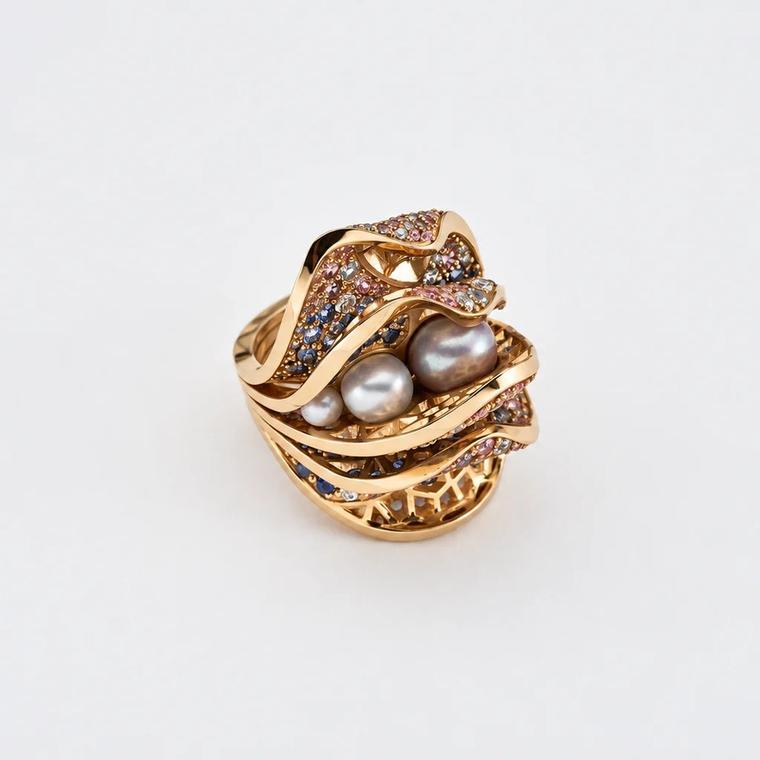
| Katherine Campbell-Howard | Birmingham City University (BA) | Show Off | Veil Ring (Velare) |
| Kyra Xu | Central Saint Martins (BA) | Show Off | Diabolon Helm (Metamorphosis) |
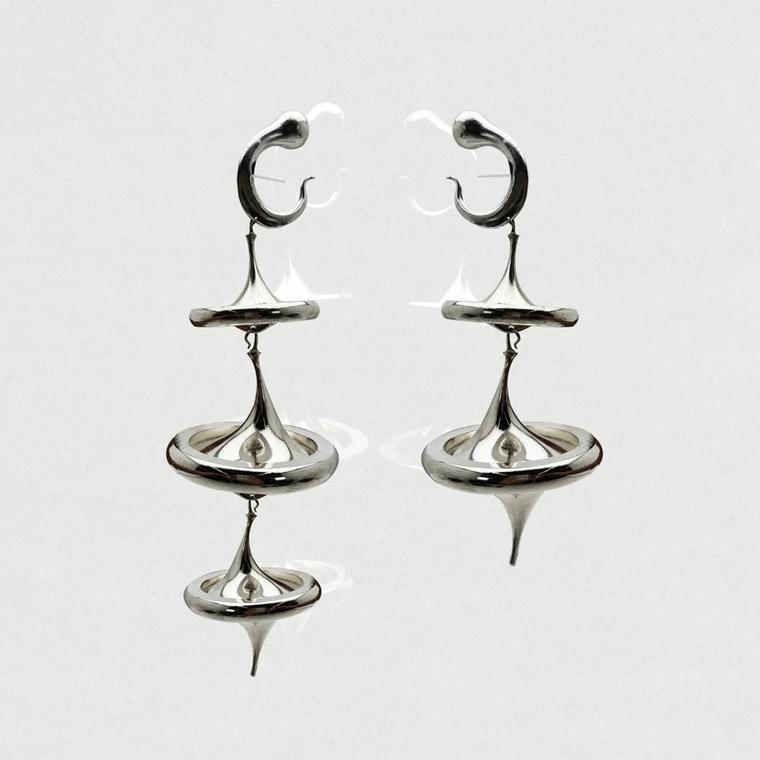
| Aya Alshalal | Central Saint Martins (MA) | Show Off | NIYYA earrings |
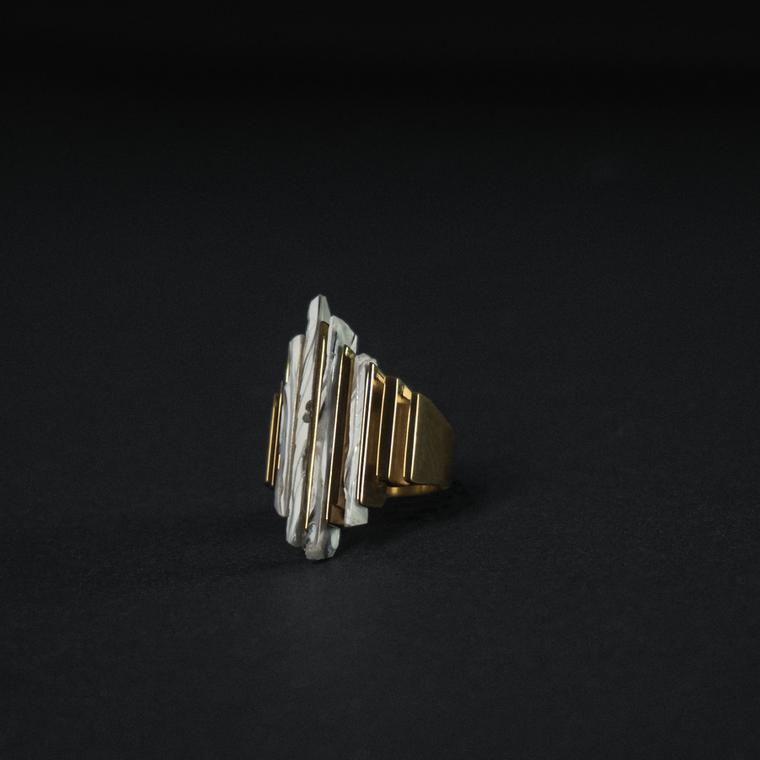
| Madhawi Alzuabi | Central Saint Martins (BA) | Responsible Thinking | Nawa Necklace I |
| Hana Mulaku | Central Saint Martins (BA) | Responsible Thinking | Held Ring (Cultivated) |
| Ana Luisa Braun | Central Saint Martins (MA) | Responsible Thinking | Multiple Scale Pieces |
Chronology of Craft: From Concept to Runway
The selection process for 2026 was a marathon of creative assessment. The judges, operating independently to ensure impartiality, spent weeks poring over portfolios. The standard of execution this year was particularly high, demanding a rigorous evaluation of both the conceptual depth and the technical proficiency of the applicants.
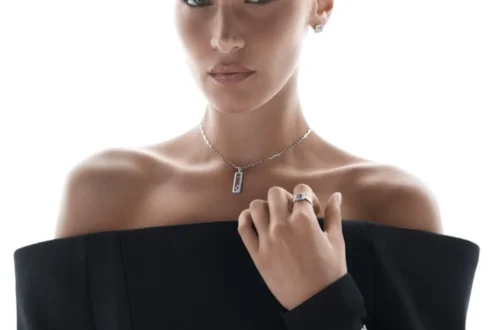
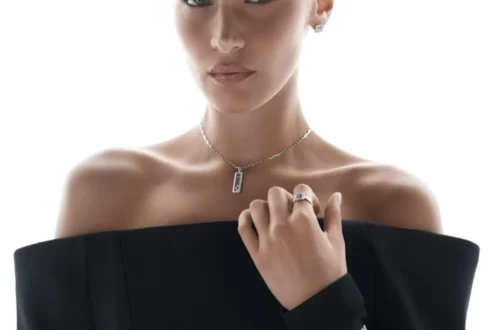
The "Show Off" category winners demonstrate a fearless approach to materiality. Katherine Campbell-Howard, a graduate of the Birmingham City University School of Jewellery, presents the Velare collection. Her work acts as a masterclass in structural storytelling; she translates the skeletal fragility of a decaying leaf into architectural jewellery. Her Veil Ring—crafted from silver, gold plating, freshwater pearls, cubic zirconia, and synthetic spinel—is a testament to the marriage of traditional bench work and sophisticated CAD design.
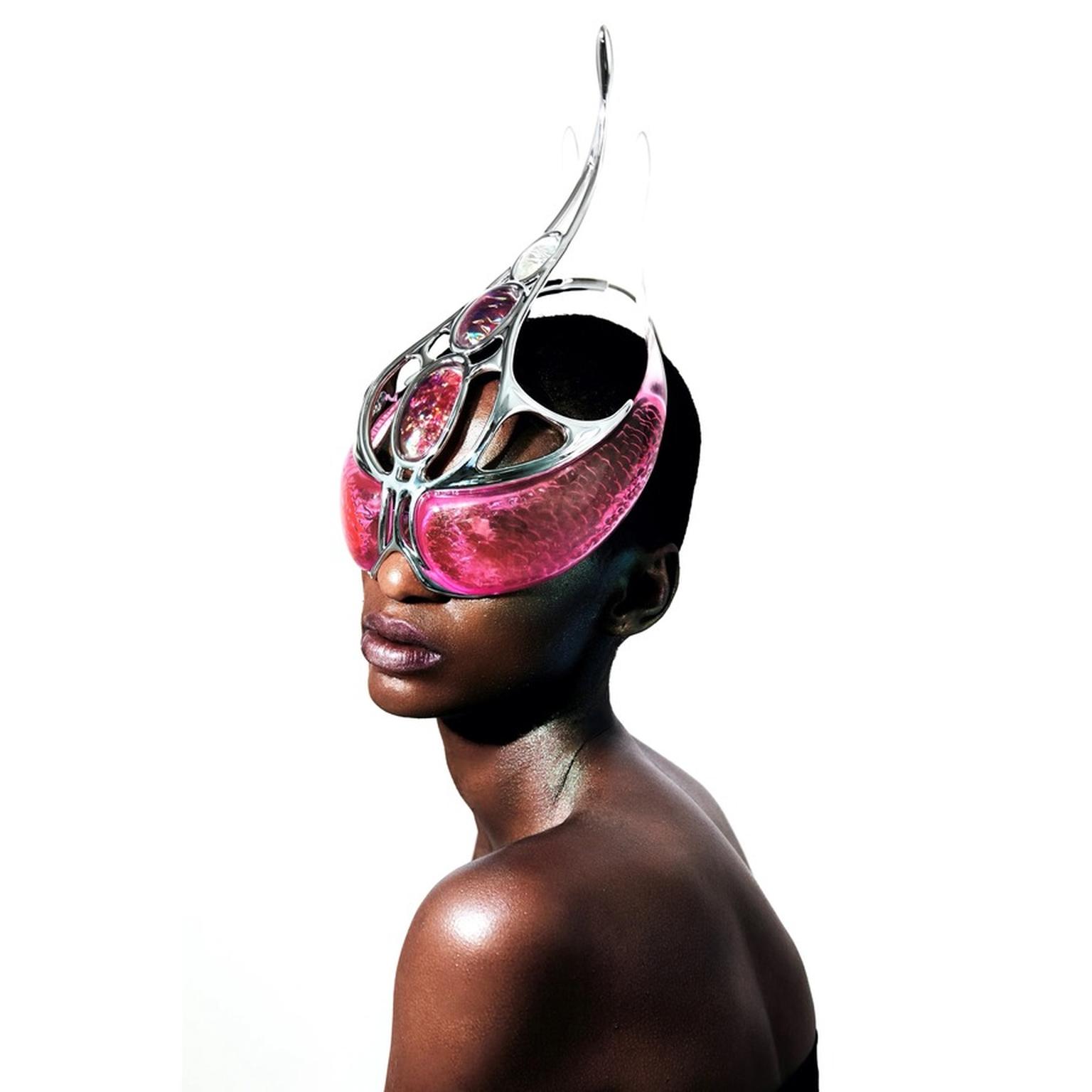
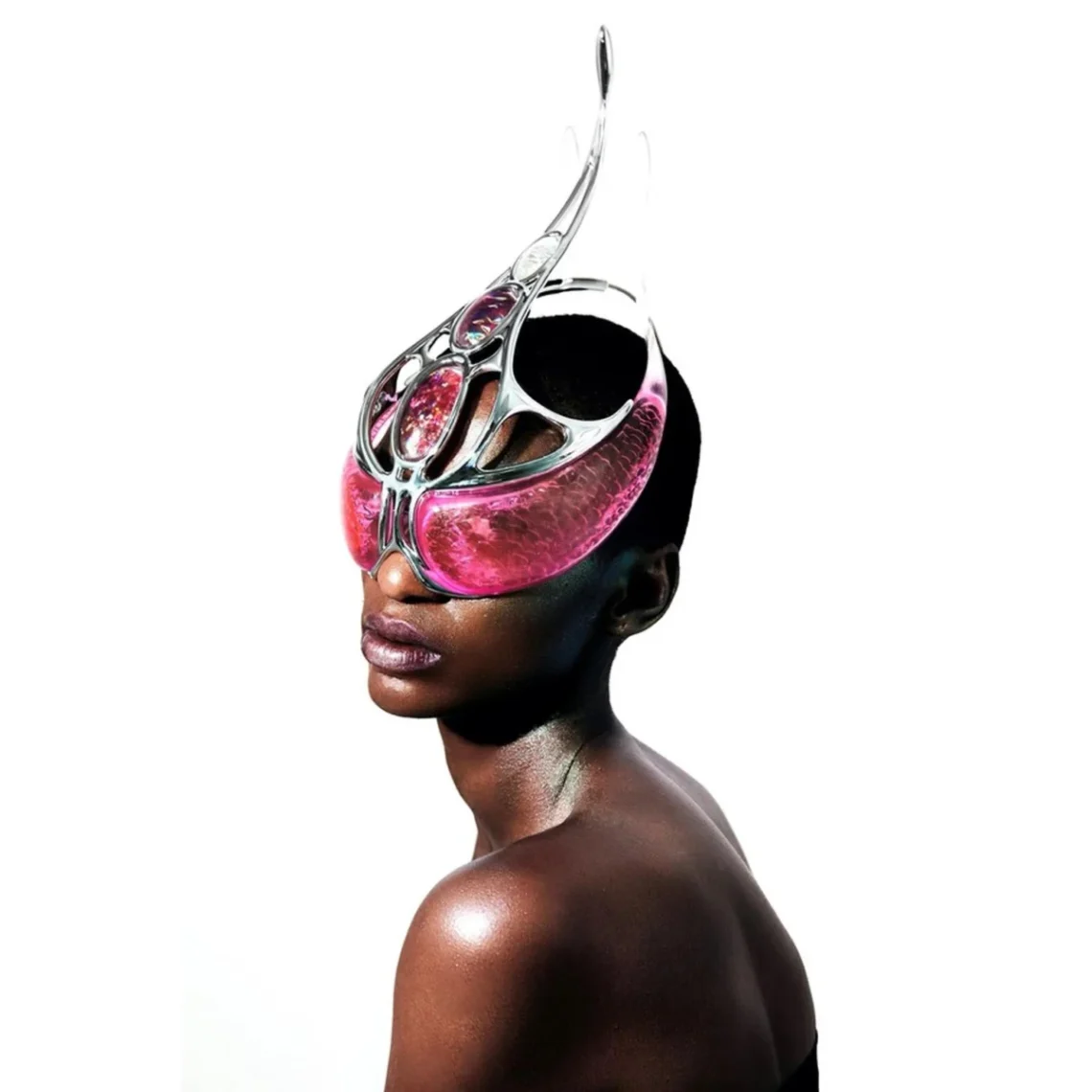
At the opposite end of the spectrum is Kyra Xu, whose Metamorphosis collection leans into the avant-garde. Drawing inspiration from extraterrestrial biology, Xu imagines a symbiosis between human host and insectoid life. Her Diabolon Helm is a visceral piece of editorial design, utilizing plant-based resin and electroplated 3D-printed materials to challenge the traditional silhouette of the wearer.
Aya Alshalal, an Iraqi-Canadian MA graduate from Central Saint Martins, bridges the gap between the ancestral and the digital. Her NIYYA earrings are a poignant reinterpretation of endangered Bedouin and Iraqi silversmithing traditions. By combining the "visual weight" of historical tribal jewellery with contemporary digital manufacturing, Alshalal ensures that these ancient cultural narratives remain relevant in the 21st century.
Responsible Thinking: The New Materiality
The Responsible Thinking category served as the most experimental segment of the competition. The winners have eschewed traditional gemstones and precious metals in favor of materials that carry deep, often overlooked, cultural and ecological significance.
Madhawi Alzuabi, a Saudi designer, has turned to her family’s roots for inspiration. By harvesting seeds from date palms on her father’s farm, she transforms agricultural waste into high-fashion adornment. Her Nawa collection, featuring date seeds paired with gold-plated brass and silk thread, forces the viewer to re-evaluate the luxury potential of organic matter.
Hana Mulaku’s work is similarly rooted in the environment. Her Cultivated collection, which has already garnered significant critical acclaim—including an exhibition at Dover Street Market—is inspired by the graphic, geometric lines of oyster farms. By elevating the discarded oyster shell to a medium of fine jewellery, Mulaku provides a visual language for ecological stewardship.
Finally, Ana Luisa Braun, a Brazilian designer based in London, offers a synthesis of modernism and natural craft. Her Shimmer collection utilizes naturally dyed fish scales, finished to a velvet-like texture, which she pairs with 18K gold. Drawing from her background in gemmology and her experience at high-fashion houses like Chanel, Braun creates pieces that are as technically precise as they are environmentally conscious.
The Judging Experience: A Consensus of Experts
The panel for 2026 was a microcosm of the industry itself, comprising professional jewellers, retail buyers, industry consultants, and journalists. Despite our varied backgrounds, the consensus regarding the winners was remarkably unified.
In my experience as a judge, it is rare to see such alignment across a panel. We were struck by the maturity of the applicants’ narratives. It is clear that the next generation of designers is not interested in creating "disposable" fashion. They are deeply concerned with the longevity of their pieces, the ethics of their supply chains, and the cultural resonance of their designs. The high standard of photography and the clarity of their descriptions—essential components for any emerging designer trying to cut through the digital noise—further solidified their standing.
Implications for the Future of Jewellery
What does the success of these six designers mean for the broader jewellery industry?

Firstly, it signals a definitive move toward "Value-Added Sustainability." We are no longer looking at sustainability as a marketing buzzword, but as a core design principle that drives innovation. When a designer like Madhawi Alzuabi turns a date seed into a luxury object, she is not just being "green"; she is expanding the definition of what constitutes value in the luxury sector.
Secondly, the success of these graduates indicates a shift in the educational landscape. The fact that universities are producing graduates who can seamlessly navigate between CAD modeling and traditional silversmithing, while simultaneously conducting deep ethnographic research, suggests that jewellery education in the UK is in a period of robust health.
Finally, the mentoring provided by Bright New Gems is more critical than ever. The transition from the academic studio to the commercial marketplace is fraught with challenges. By partnering with the National Association of Jewellers, the Retail Jewellery Festival, and the Goldsmiths’ Centre, these winners are being given a platform that is not just theoretical, but deeply practical.
The Path Ahead
The journey for these six winners is only just beginning. Over the coming months, they will participate in the "Getting Started" programme at the Goldsmiths’ Centre, an essential curriculum for any designer looking to establish a sustainable business. Their work will be showcased at the Retail Jewellery Festival in February 2027, and they will receive promotional support from Jewel Ads, ensuring that their work reaches the retailers and collectors who will define the next decade of luxury.
As we look toward the future, the work of Campbell-Howard, Xu, Alshalal, Alzuabi, Mulaku, and Braun serves as a reminder that jewellery is, at its heart, a medium for human expression. Whether through the exploration of extraterrestrial forms or the preservation of ancient Iraqi silversmithing, these designers are proving that the future of the industry is in safe, and exceptionally capable, hands.
For those who wish to follow their progress, or to learn more about the mentoring provided by this vital platform, further details can be found at brightnewgems.com. We look forward to seeing how these six visionaries reshape the landscape of adornment in the years to come.