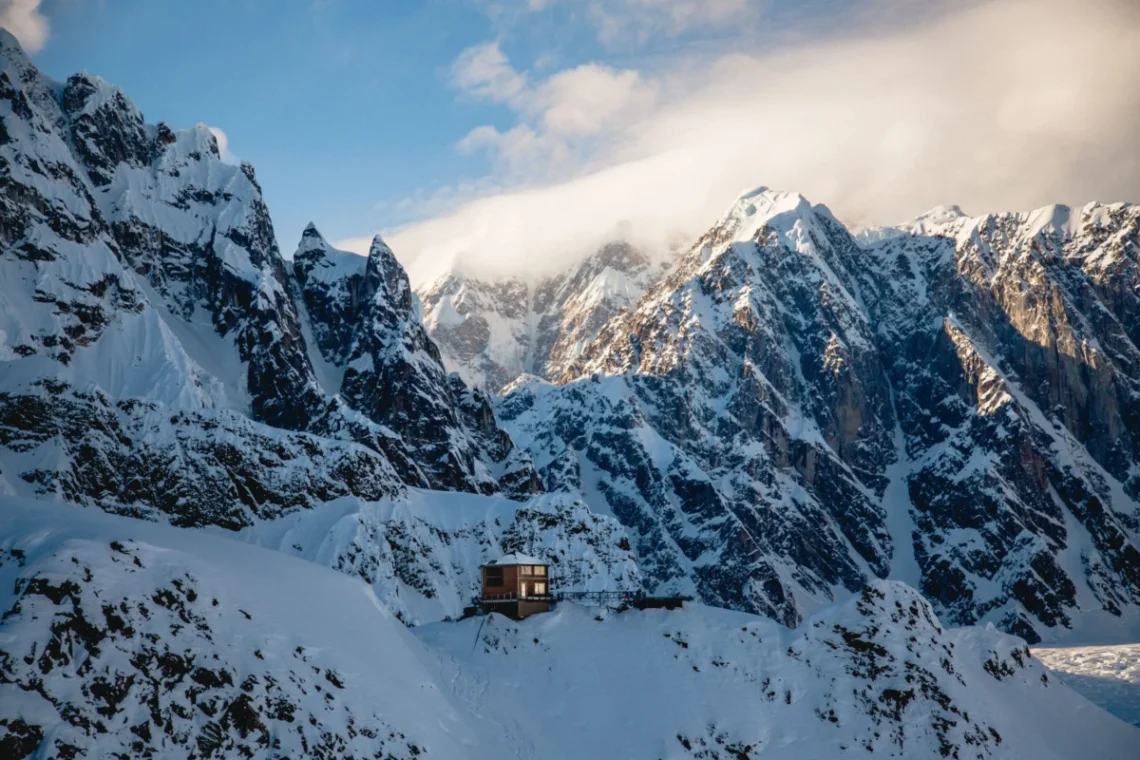
Denali National Park and Preserve remains the crown jewel of Alaska’s wilderness, a six-million-acre expanse of subarctic tundra, glaciated peaks, and untamed wildlife. For many, a trip to this iconic destination is a bucket-list endeavor, yet the sheer scale of the park can be daunting for the uninitiated. With recent infrastructure challenges and a complex ecosystem to navigate, planning a visit requires more than just a map; it requires an understanding of how to balance human exploration with the preservation of one of the world’s last true wilderness areas.
Main Facts: Understanding the Current Landscape
The primary artery of the park is the 92-mile Denali Park Road. Historically, this road served as the primary gateway for visitors to access the deep interior, providing access to Eielson Visitor Center and Wonder Lake. However, the park is currently in a state of transition.
As of the most recent seasons, an ongoing land slump near the Pretty Rocks area—a geological phenomenon exacerbated by permafrost thaw—has forced the National Park Service (NPS) to implement a partial closure. Consequently, all motorized vehicle traffic is currently restricted to turning around at Mile 43. While this limits access to the deepest reaches of the park, it has, in many ways, shifted the visitor experience toward a more localized, intentional engagement with the landscape near the park entrance.
For those seeking a low-barrier experience, the park offers a courtesy shuttle running between the Denali Visitor Center and Savage River (Mile 15). Visitors can also opt for professional narrated tour buses or hop-on, hop-off transit options, though these are subject to capacity constraints and the aforementioned road limitations.
Chronology: The Evolution of Access
The history of Denali is a timeline of balancing accessibility with conservation.
- Early 20th Century: The establishment of Mount McKinley National Park paved the way for limited backcountry access.
- The Development Era: Over several decades, the 92-mile park road was established, becoming the lifeline for tourism, research, and logistics.
- 2021-Present: The Pretty Rocks land slump triggered a critical pivot in park operations. What began as a localized geological slide quickly rendered the road impassable for heavy vehicles, prompting the NPS to initiate a long-term engineering and stabilization project.
- Current Operational Status: The park has pivoted to a "new normal," emphasizing shorter transit routes and expanded off-road recreational opportunities, such as cycling and guided hiking, to mitigate the impact of the road closure.
Supporting Data: Navigating the Terrain
For the modern traveler, the "Denali experience" is highly dependent on logistics. Data provided by the NPS and local concessions suggests that while the road closure is a challenge, it has catalyzed a resurgence in non-motorized exploration.
Cycling and Self-Guided Exploration
Renting a bicycle from local outfitters, such as Bike Denali, has become the preferred method for many visitors to bypass the Mile 15 vehicle limit. By pedaling further along the park road, visitors can access pristine tundra landscapes at their own pace, free from the constraints of bus schedules.
The Quest for the Mountain
The "Great One," Denali itself, stands at 20,310 feet. It is a common misconception that the peak is visible from the park entrance. Data on topography confirms that visitors must travel at least to Mile 9 to clear the immediate foothills. Furthermore, weather patterns are notoriously fickle; clouds often obscure the summit. Visitors are encouraged to utilize the Alaska Railroad or well-marked pullouts along the Parks Highway if the park road vistas are obscured by the infamous "Denali gloom."
Safety and Wildlife Encounters
The park is a high-density habitat for grizzly bears, moose, and wolves. The NPS mandates that all hikers carry bear spray and maintain a thorough understanding of wildlife safety protocols. The Alaska Geographic store, situated adjacent to the Visitor Center, serves as a critical resource for safety equipment and educational materials.
Official Responses: The NPS Strategy
The National Park Service has been transparent regarding the challenges posed by the Pretty Rocks land slump. According to official NPS documentation, the stabilization project is a massive engineering undertaking designed to restore access while respecting the delicate permafrost environment.
Rangers continue to play a pivotal role in the visitor experience. Beyond their traditional duties, they offer structured programming and specialized coaching on how to navigate the wilderness responsibly. They emphasize that the park is not merely a sightseeing destination but a living laboratory. Through organized group hikes and educational talks, rangers aim to instill a "Leave No Trace" ethos in every visitor, ensuring that the human footprint remains minimal despite the increasing demand for access.
Implications: The Future of Denali Tourism
The current limitations on the park road have forced a paradigm shift in how Denali is experienced. While some might view the road closure as a hindrance, it has effectively "de-congested" certain areas, allowing for a more intimate experience with the flora and fauna of the lower elevations.
The Growth of Peripheral Adventures
A significant portion of the "Denali experience" now occurs just outside the park boundaries. The boom in whitewater rafting on the Nenana River, horseback riding through the hills, and ATV tours near the park perimeter demonstrates how the local economy has adapted to the shifting logistical landscape. Companies like Denali Raft Adventures and Denali Horseback Tours provide high-octane alternatives that allow visitors to see the park from a unique vantage point—the water or the saddle—without relying on the park road.
The "Splurge" Experience
For the visitor seeking an uncompromised experience, high-end, permitted guide services like Alaska Alpine Adventures offer specialized backpacking tours that venture into the deep backcountry. These experiences are designed for those with high physical fitness, illustrating a trend toward specialized, low-impact, and high-intensity tourism.
Environmental Stewardship
The overarching implication for the future is clear: Denali is becoming a more managed, and perhaps more exclusive, destination. The reliance on shuttles, the emphasis on bear-aware hiking, and the growth of outside-the-park concessions suggest that the NPS is committed to preserving the integrity of the wilderness over the ease of convenience.
Summary for the Traveler
Whether you are looking to watch the sled dogs at the only working kennel in the National Park system, hike the Savage Alpine Trail, or brave the whitewater of the Nenana River, the key to a successful Denali trip is preparation.
- Plan Ahead: Reservations for shuttles and tours are essential.
- Expect the Unexpected: Weather and road conditions are subject to change; flexibility is the most valuable tool in your kit.
- Respect the Wildlife: You are a guest in the home of the grizzly and the caribou. Always carry bear spray and keep a respectful distance.
- Embrace the Journey: Even if you cannot reach the deep interior of the park, the periphery offers world-class vistas and experiences that define the Alaskan spirit.
Denali remains, despite its shifting geography, a profound testament to the power of the natural world. By understanding the current constraints and leveraging the diverse array of available tours and activities, visitors can craft an experience that is both thrilling and respectful of the wild heart of Alaska.