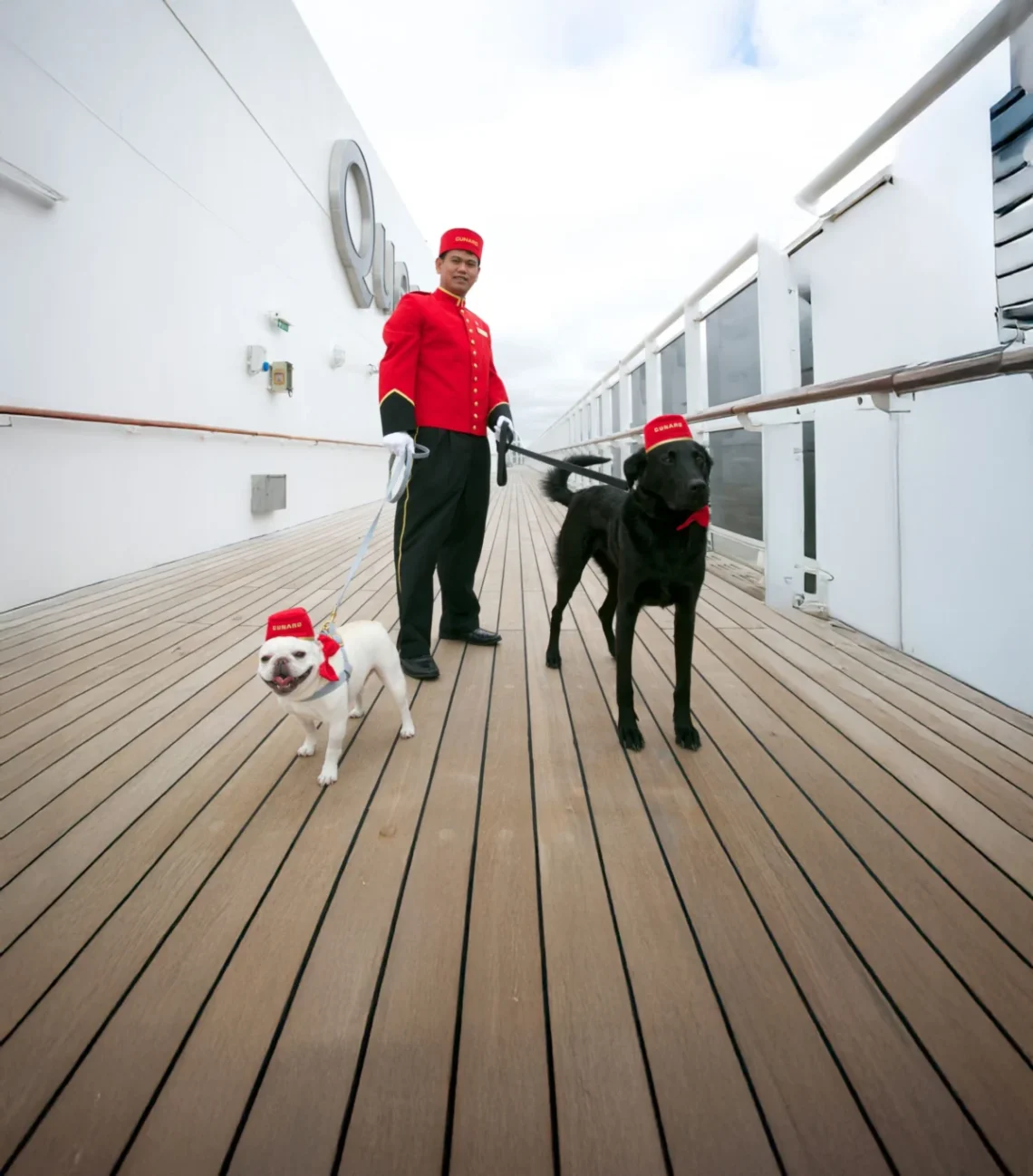
In the vast, shifting landscape of the cruise industry, where luxury is often defined by expansive spas, Broadway-style theater, and fine dining, there exists a singular, niche sanctuary that stands entirely apart. Aboard the Queen Mary 2—Cunard’s iconic ocean liner that has bridged the Atlantic between Southampton and New York since 2004—resides a facility unlike any other on the high seas: a dedicated kennel.
Overseeing this floating menagerie is Oliver Cruz, a man whose official title is "Kennel Master," but whose daily reality involves equal parts veterinary technician, animal behaviorist, and diplomat. As part of our Crews on Cruise series, we dive into the life of the man who manages the only cruise ship kennels in the world, a job that requires not just specialized knowledge, but an extraordinary amount of heart.
The Origin Story: From Wildlife Guide to Kennel Master
Oliver Cruz’s journey to the helm of the Queen Mary 2 kennels was far from linear. A native of the Philippines, Cruz spent eight years working as a zoo guide and animal handler, a profession that brought him into close contact with a diverse array of species, ranging from agile snakes to formidable crocodiles. This background provided him with a foundational understanding of animal psychology and safety protocols that would eventually prove indispensable.
Cruz joined the Cunard crew in 2011, initially serving as a spa attendant. However, in a corporate world often defined by rigid job descriptions, his hidden talents were quickly discovered. When the housekeeping department learned of his extensive experience with wildlife, they recognized an opportunity to elevate the standards of the ship’s unique pet services. Cruz was transferred to the kennels, and he has remained there ever since, transforming the role into a specialized art form.
"Dogs are angels," Cruz says, reflecting on his decade-plus tenure. "Not all angels have wings. Some of them have fur." This philosophy is backed by a lifetime of dedication; Cruz maintains a home with 15 dogs of his own and is a long-standing member of the Philippine Animal Welfare Society (PAWS).
A Day in the Life: The Logistics of Canine Transatlantic Travel
The operational requirements of running a kennel on a ship that is essentially a floating city are immense. On embarkation day, the process begins in the cruise terminal, where Cruz meticulously cross-checks documentation. International travel for pets is fraught with complex regulatory hurdles—vaccination timelines, microchip verification, and health certifications—all of which must be perfect to ensure entry into the United Kingdom.
The "Poop Deck" and Animal Amenities
Once on board, the pets are settled into their quarters. The kennels accommodate up to 24 dogs and cats, ranging from tiny teacup Yorkies to massive Bernese mountain dogs. A standout feature of the experience is the outdoor exercise area, affectionately dubbed the "poop deck."
To maintain a sense of familiarity for the international guests, Cruz has installed an American-style fire hydrant for domestic dogs and a British-style lamppost for those hailing from the UK. "For the sake of their holiday, I let them experience both," Cruz notes with a smile. To further mitigate separation anxiety, owners are encouraged to leave personal items—used pajamas, familiar blankets, or favorite toys—within the kennels.
Dietary Precision
Feeding time is a highly structured affair. The kitchen staff on the Queen Mary 2 prepares custom meals based on individual dietary requirements, sourcing ingredients from the same high-end culinary operation that feeds the human passengers. Whether it is steamed salmon, boiled chicken breast, or grilled steak, Cruz is strict about the preparation: "No salt, no pepper, just nutrition."
The Occupational Hazards of Animal Diplomacy
Managing 24 animals in a confined space during a week-long voyage is not without its risks. Cruz estimates he has sustained over 50 dog bites throughout his career, almost exclusively while intervening to prevent altercations between animals. His approach to safety is rooted in the realization that there is no "one-size-fits-all" method for canine interaction.
"Experience has taught me that the way you treat a husky is not the same way you treat a Shih Tzu," he explains. His expertise is often tested by "pet parents," who present a unique challenge of their own. One of the most significant hurdles is managing owners who attempt to bypass kennel rules—such as sneaking forbidden human food like bacon to their pets.
A Lesson in Trust: The Case of Paisley
One of the most profound moments in Cruz’s career involved a rescue dog named Paisley. Having been mistreated in her past, Paisley arrived with significant behavioral issues and a tendency toward aggression. Through consistent, patient, and firm training—coupled with one-on-one bonding sessions away from the other dogs—Cruz was able to rehabilitate the animal.
The breakthrough came when the owner witnessed Paisley resting comfortably on Cruz’s lap, licking his face. The owner’s emotional reaction—a mix of shock and gratitude—solidified for Cruz why he continues to do this work. "You need the knowledge, but you also need the heart," he asserts.
Life at Sea: A Counter-Intuitive Reality
For most, a life at sea is an escape from the mundane, but for Cruz, it has become his primary home. When asked about the strangest part of his life, he admits that being on land feels alien compared to the rhythmic life on the Queen Mary 2.
His life beyond the kennels is equally vibrant. As a musician, he performs in the Filipino crew band, playing drums and guitar. He even recounts a surreal moment when he performed alongside legendary drummer Travis Barker, who was filming on the ship. "We sang ‘All the Small Things’ and ‘What’s My Age Again?’—that was one of the coolest things," he recalls.
His personal interests are anchored by his love for The Beatles. A devoted fan with multiple John Lennon tattoos, Cruz makes a point to visit Liverpool whenever possible. From the Cavern Club to Mendips, he treats these pilgrimages as essential "recharging" time for his spirit.
Implications for Future Cruise Travel
The success of the Queen Mary 2 kennel program suggests a potential shift in the luxury travel market. As pet ownership continues to rise globally, the demand for "pet-inclusive" travel is no longer a niche request; it is becoming a standard expectation for a segment of high-net-worth travelers.
However, the operational complexity of such a service remains high. The strict adherence to international pet travel regulations and the necessity of specialized staff like Cruz means that expanding these facilities to other ships is not a simple task. It requires significant capital investment, dedicated deck space, and, most importantly, the right personnel.
For the cruise industry, the "Cruz Model"—a blend of professional animal welfare expertise and high-touch hospitality—serves as a blueprint. It highlights that the future of travel isn’t just about destination, but about the comfort of the entire family, four-legged members included.
Closing Advice for Future Cruisers
For those planning to take their pets on a transatlantic voyage, Cruz offers simple, sound advice:
- Be the Anchor: Pets mirror their owners. If you are anxious, they will be too. Maintain a calm, happy demeanor to help your pet settle in.
- Respect the Cat: For feline guests, patience is paramount. Do not force interaction. Let them approach you on their own terms. When they begin to seek you out for attention, you’ve earned their trust.
As the Queen Mary 2 continues to cross the Atlantic, Oliver Cruz remains a quiet hero of the high seas. He is the bridge between the human world of luxury travel and the primal, loyal world of the animals he serves, proving that even in the middle of the ocean, a little bit of home can be found in the companionship of a pet.