Antigua, the crown jewel of the Leeward Islands, is a destination defined by a singular, breathtaking statistic: it boasts 365 beaches—one for every day of the year. Beyond this oft-quoted local lore lies an island of profound natural beauty, characterized by rugged, verdant rainforests, historic colonial architecture, and a coastline that remains largely untouched by the frenetic pace of modern mass tourism. As travelers increasingly seek sanctuary in destinations that honor their natural landscapes, Antigua’s hospitality sector has risen to the occasion, curating an array of world-class properties that harmonize architectural elegance with the raw majesty of the Caribbean Sea.
Main Facts: The Essence of the Antiguan Experience
The island of Antigua is more than a mere stop on a cruise itinerary; it is a profound sensory experience. Geographically defined by its jagged coastline and sheltered harbors, the island’s topography ranges from the rolling hills of the southwest to the sun-drenched, flat plains of the north.
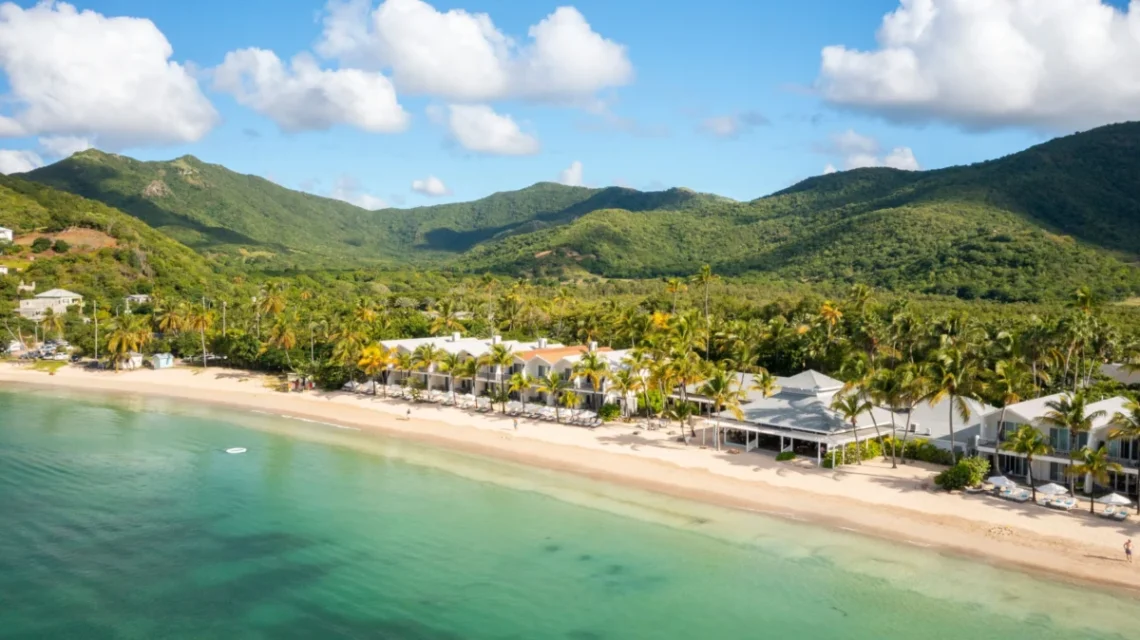
The primary appeal for the luxury traveler lies in the proximity of its high-end accommodations to the water. Most premier properties are situated within mere steps of powder-soft, white-sand beaches, where the water transitions from translucent shallows to deep, electric blues. Unlike more commercialized Caribbean destinations, Antigua maintains an authentic "chill" that permeates every aspect of the guest experience. It is a place where time is measured not by the clock, but by the arc of the sun and the rhythmic ebb and flow of the tide.
Chronology: Navigating the Seasonal Rhythms
For those planning a sojourn to this Caribbean paradise, understanding the island’s seasonal nuance is essential to maximizing the experience.
The Spring and Early Summer Window
From April through June, the island enjoys optimal trade winds, keeping the climate temperate and inviting. This period is favored by sailors and those who enjoy water-based activities, as the winds remain consistent and the humidity stays at a manageable level.
The Turtle Hatching Season (June–October)
Perhaps the most magical temporal window in Antigua occurs between June and October. During these months, the beaches—particularly those in protected sanctuaries—become the site of a profound natural spectacle: the nesting and hatching of sea turtles. Visitors lucky enough to be present may witness the surreal sight of baby turtles, barely the size of a human palm, emerging from their shells to begin their arduous journey to the sea. It is a time when the island feels particularly connected to its ecological roots.
The Autumnal Shift
As the year moves into late October, the island begins to transition. While the risk of tropical weather patterns increases, so too does the lushness of the interior. The rainforests, which serve as the island’s lungs, are particularly vibrant during this period, offering hikers a cool, verdant retreat from the midday heat.
Supporting Data: Why Antigua Leads in Luxury Tourism
Antigua’s tourism model has shifted significantly over the last decade, moving away from high-volume, low-impact tourism toward a boutique, high-value luxury framework. Data from the Antigua and Barbuda Ministry of Tourism indicates a steady rise in "experiential luxury" bookings.
- Diverse Beach Inventory: The 365-beach statistic is not merely marketing; it is a geographic reality that prevents overcrowding. Even at the height of the season, guests can find secluded stretches of sand, a rarity in the modern travel landscape.
- Property Density: Unlike other Caribbean islands that have succumbed to high-rise overdevelopment, Antigua’s planning authorities have largely maintained a "low-rise" mandate for coastal properties. This ensures that the horizon remains unobstructed and the aesthetic remains consistent with the island’s colonial and natural history.
- The "Slow Travel" Metric: Recent survey data suggests that visitors to Antigua have the highest rate of "repeat patronage" in the region. Guests are not merely visiting; they are returning to the same properties, citing the familiarity of the landscape and the personalized attention of the staff as the primary drivers for their loyalty.
Official Responses and Sustainability Initiatives
The Antiguan government, in conjunction with the Antigua and Barbuda Hotels and Tourism Association (ABHTA), has launched several initiatives to ensure that the island’s rapid growth in luxury travel does not come at the expense of its environment.
"Our objective is to remain the premier destination for the discerning traveler who values authenticity as much as luxury," says a spokesperson for the Tourism Board. "We are currently implementing strict guidelines regarding coastal erosion prevention and the protection of marine habitats, particularly regarding the turtle nesting sites. We want our guests to enjoy the splendor of our beaches, but we are also asking them to be stewards of these spaces."
Several resorts have taken this mandate further, implementing "farm-to-table" programs that source ingredients from local Antiguan farmers, thereby reducing the carbon footprint of food importation and supporting the island’s domestic agricultural economy. This integration of local resources into the luxury guest experience has been a cornerstone of the island’s recent success.
Implications: The Future of the Antiguan Escape
The rise of Antigua as a top-tier luxury destination has profound implications for the travel industry at large. As travelers become more environmentally conscious, the demand for "eco-luxury"—properties that provide high-end amenities while maintaining a low environmental impact—is set to define the next decade of Caribbean tourism.
The Rise of Boutique Hideaways
There is a noticeable pivot toward smaller, boutique properties. These hideaways offer a level of intimacy that larger resorts cannot replicate. From private villas with plunge pools to cliffside cottages that offer panoramic views of the sunset, these options are catering to a demographic that values privacy, security, and a deep connection to the local culture.
The "Vacation Mode" Economy
The "chill" vibe of Antigua is, in itself, a commodity. In a world characterized by digital burnout, the promise of a "poolside snooze" or a "rum-fueled sundowner" is becoming a premium offering. Hotels are now marketing "wellness" not just through spa treatments, but through the deliberate removal of stress-inducing technologies and the encouragement of slow-paced, terrestrial enjoyment.
Sustaining the Balance
The long-term success of Antigua depends on the delicate balance between expanding its infrastructure to meet the demands of affluent travelers and protecting the "untouched tangle" that makes it so desirable in the first place. If the island can continue to preserve its 365 beaches while maintaining its reputation for high-end hospitality, it will likely remain the gold standard for Caribbean travel for years to come.
Conclusion: A Return to Nature
For the traveler standing on the shore at dawn, watching the light hit the turquoise waters of an empty Antiguan beach, the appeal is clear. This is an island that has managed to remain remarkably true to how nature intended. Whether you are seeking the high-octane luxury of a world-class resort or the quiet solitude of a boutique hideaway, Antigua offers a rare commodity: a place where you can disconnect from the world and reconnect with the simple, rhythmic beauty of the natural environment. As you book your return trip—a common occurrence for those who find their way to these shores—you realize that while there are 365 beaches, you only need one to find your peace.