The landscape of high-end watchmaking is a testament to the enduring marriage of mechanical tradition and avant-garde innovation. In 2026, the Grand Prix d’Horlogerie de Genève (GPHG)—often referred to as the "Oscars of the Watch World"—served as the definitive barometer for excellence, highlighting a year defined by both the resurgence of independent artisans and the continued dominance of historic Maisons. From the delicate, diamond-dusted movements of heritage brands to the radical, record-breaking engineering of solo workshops, the horological industry is currently experiencing a renaissance of technical audacity.
Main Facts: The 2026 GPHG Paradigm Shift
The 2026 GPHG awards ceremony underscored a significant shift in the luxury watch market: the rise of the independent watchmaker. While industry giants like Patek Philippe and Audemars Piguet remain the bedrock of prestige, the spotlight has increasingly turned toward smaller, specialized workshops that prioritize technical experimentation over mass production.
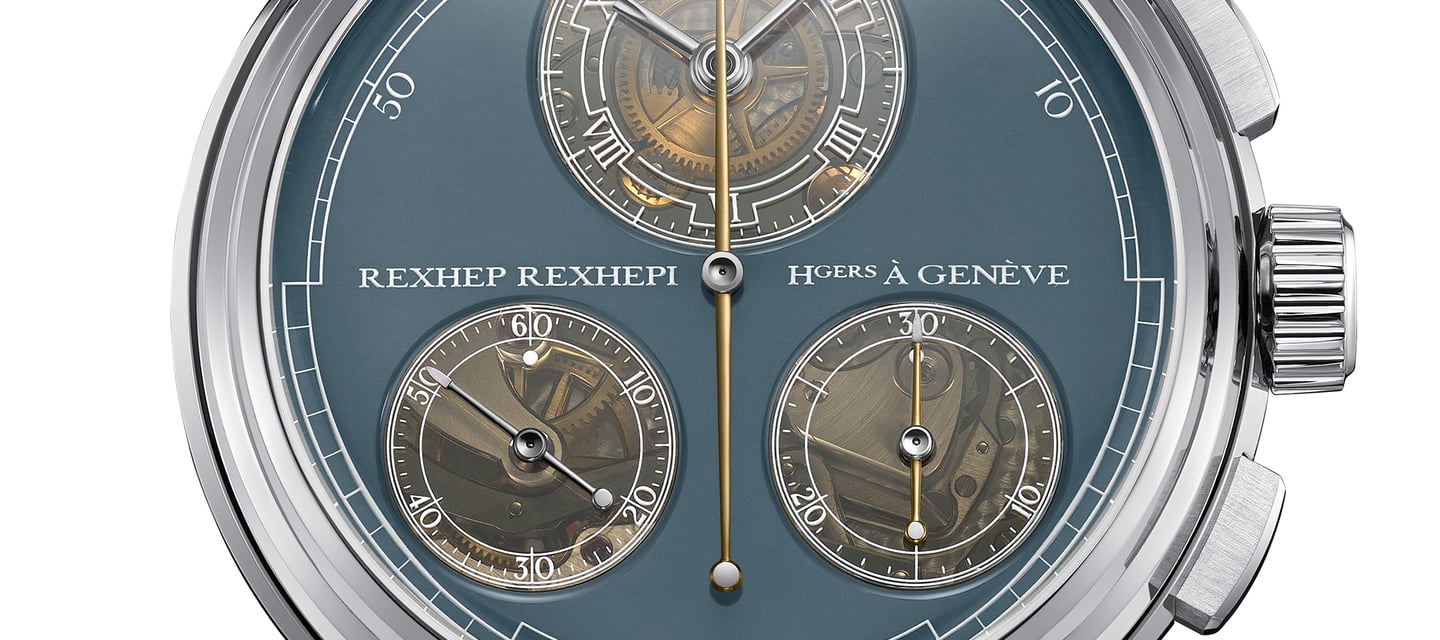
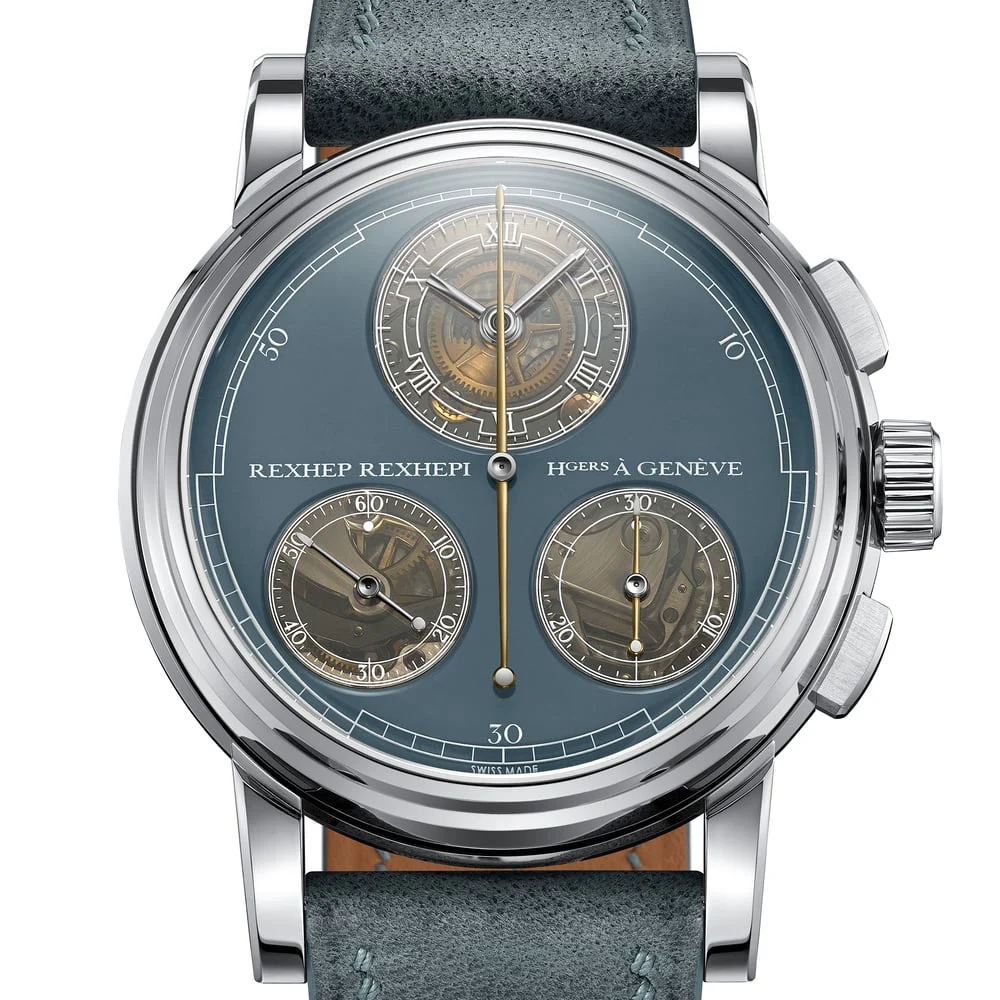
The crowning achievement of the year, the Aiguille d’Or, was awarded to Rexhep Rexhepi for his Chronograph Flyback. Rexhepi, who founded Akrivia in 2012, has become a symbol of the "new classicism," where traditional hand-finishing techniques are applied to hyper-modern chronograph mechanisms. Similarly, the industry saw the emergence of niche winners such as Otsuka Lotec, the one-man Tokyo workshop of Jiro Katayama, which claimed the Petite Aiguille Prize, and SpaceOne, which secured the Challenge Watch Prize, proving that mechanical ingenuity is no longer the sole preserve of century-old Swiss factories.
Chronology: From 1735 to the Modern Era
To understand the weight of these accolades, one must look at the timeline of the industry’s evolution. The history of watchmaking is a narrative of resilience and reinvention.
- 1735 (The Foundation): Jehan-Jacques Blancpain establishes the Blancpain brand, laying the foundation for modern mechanical timekeeping.
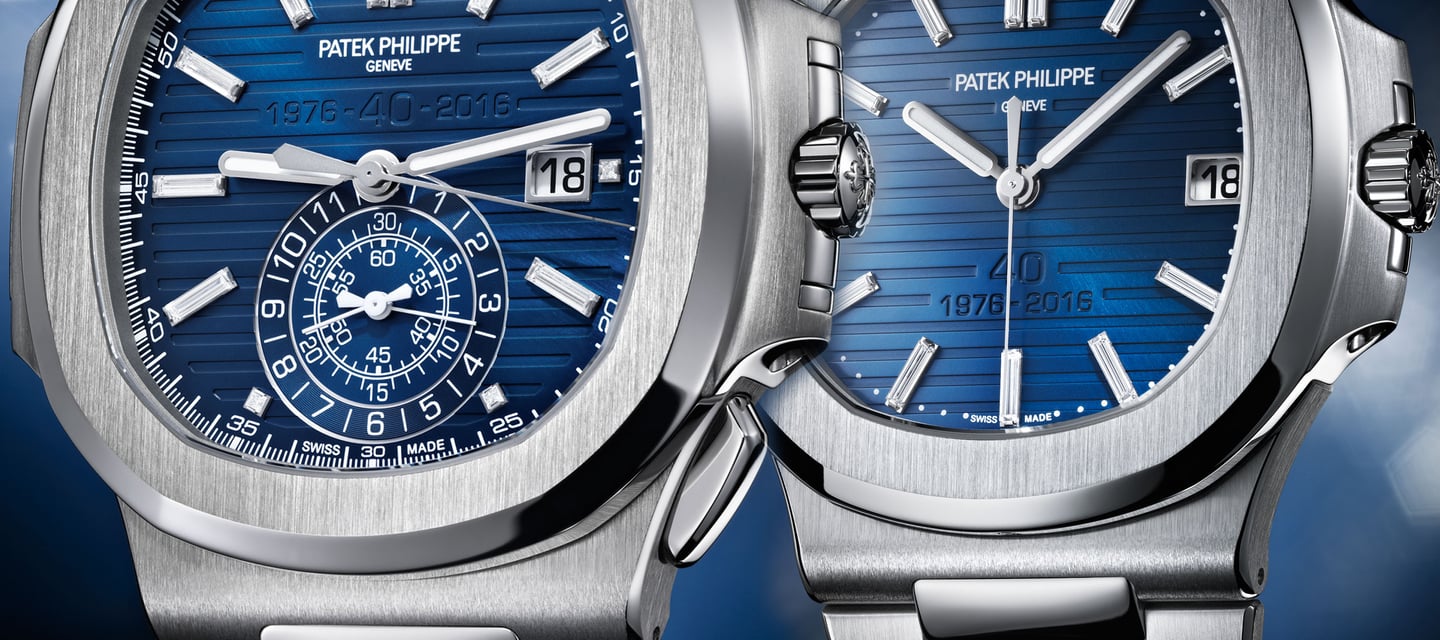
- 1851 (The Patek Legacy): Antoni Norbert Patek and Adrien Philippe combine forces, eventually securing their status as the last independent Genevan manufacturer, renowned for the prestigious Patek Philippe Seal.
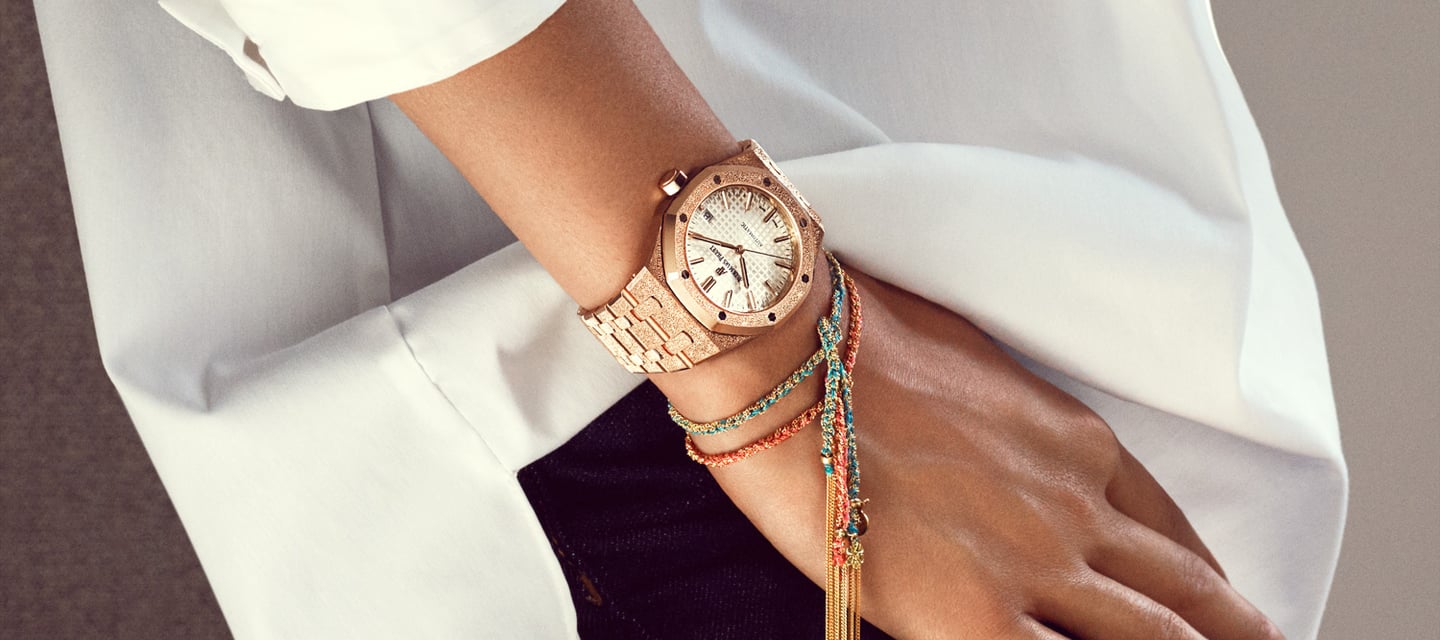
- 1875 (The Le Brassus Giants): Jules-Louis Audemars and Edward-Auguste Piguet establish Audemars Piguet, cementing the reputation of the Vallée de Joux as the epicenter of Haute Horlogerie.
- 1960–1988 (The Era of Precision): Grand Seiko enters the stage, bringing Japanese precision and the revolutionary Spring Drive movement to the global market, while Daniel Roth begins his journey, later reviving historical traditions through a modern, double-ellipse aesthetic.
- 2003–2015 (The Independent Surge): A wave of independent talent emerges. Konstantin Chaykin (2003) introduces his whimsical "Wristmons," while Ferdinand Berthoud (2015) revives the 18th-century art of marine chronometry under the stewardship of Chopard’s Karl-Friedrich Scheufele.
Supporting Data: Technical Excellence and Market Position
The diversity of the 2026 winners reflects a market that values both historical reverence and future-forward design. The technical specifications of these winning timepieces provide a roadmap of where the industry is heading.
Technical Breakthroughs
- ThinKing Mystery (Konstantin Chaykin): Winner of the Audacity Prize, this timepiece pushed the boundaries of ultra-thin watchmaking, challenging the physics of traditional mechanical depth.
- Pulse60 Titanium Black (Dominique Renaud): By focusing on novel escapement designs, Renaud demonstrated that the fundamental "heartbeat" of a watch is still open to significant mechanical evolution.
- Spring Drive U.F.A. Ushio 300 (Grand Seiko): This piece exemplifies the hybrid perfection of the Spring Drive, merging quartz-like accuracy with the tactile soul of a mechanical movement.
The Role of Heritage and Materials
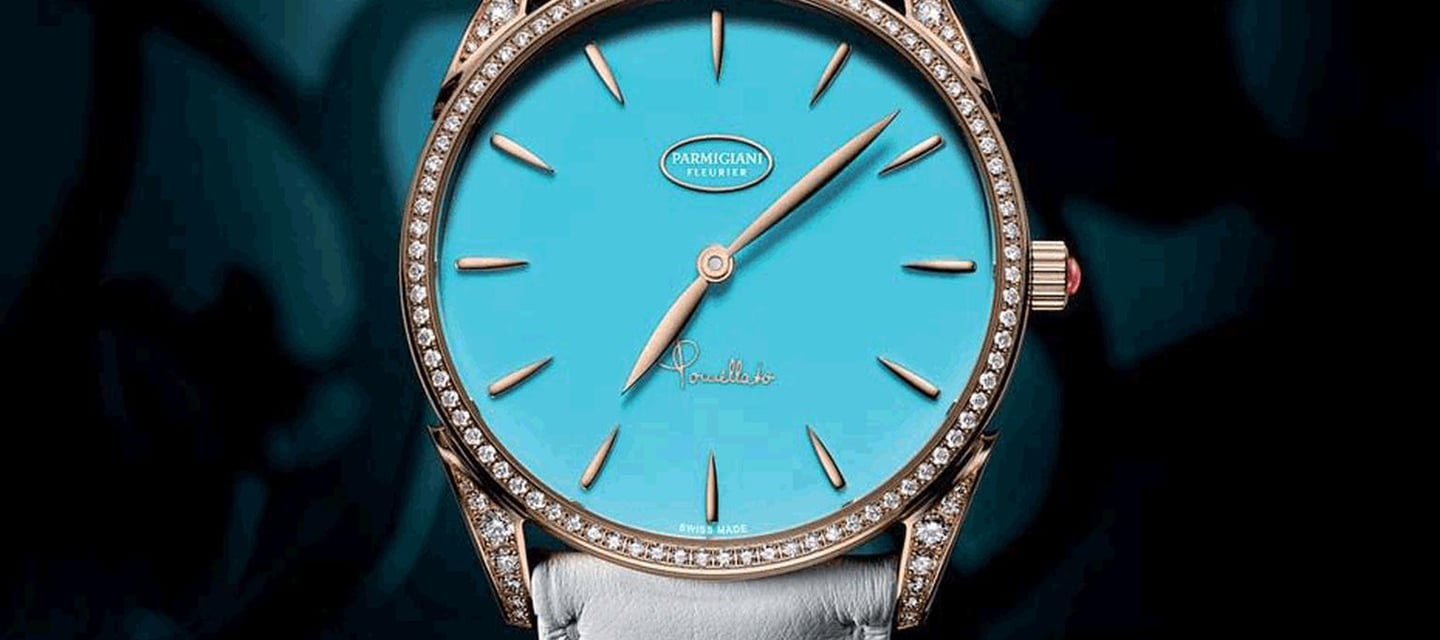
Beyond the mechanics, the industry continues to push the limits of material science and aesthetics. Brands like Parmigiani Fleurier have turned to organic materials—using azure blue turquoise stone dials—to create watches that function as wearable art. Meanwhile, Blancpain continues to lean into the feminine market with complications like the Villeret Date Moon Phases, demonstrating that high complications are not inherently gendered but are instead objects of universal beauty.
Official Responses and Industry Sentiment
Industry analysts and brand representatives have characterized the 2026 results as a "victory for the artisan." In response to his win, Rexhep Rexhepi noted that the Aiguille d’Or is not just a personal achievement but a validation of the independent model. "When you remove the constraints of mass-market commercialism," he stated, "you are left with the purity of the watchmaker’s intent."
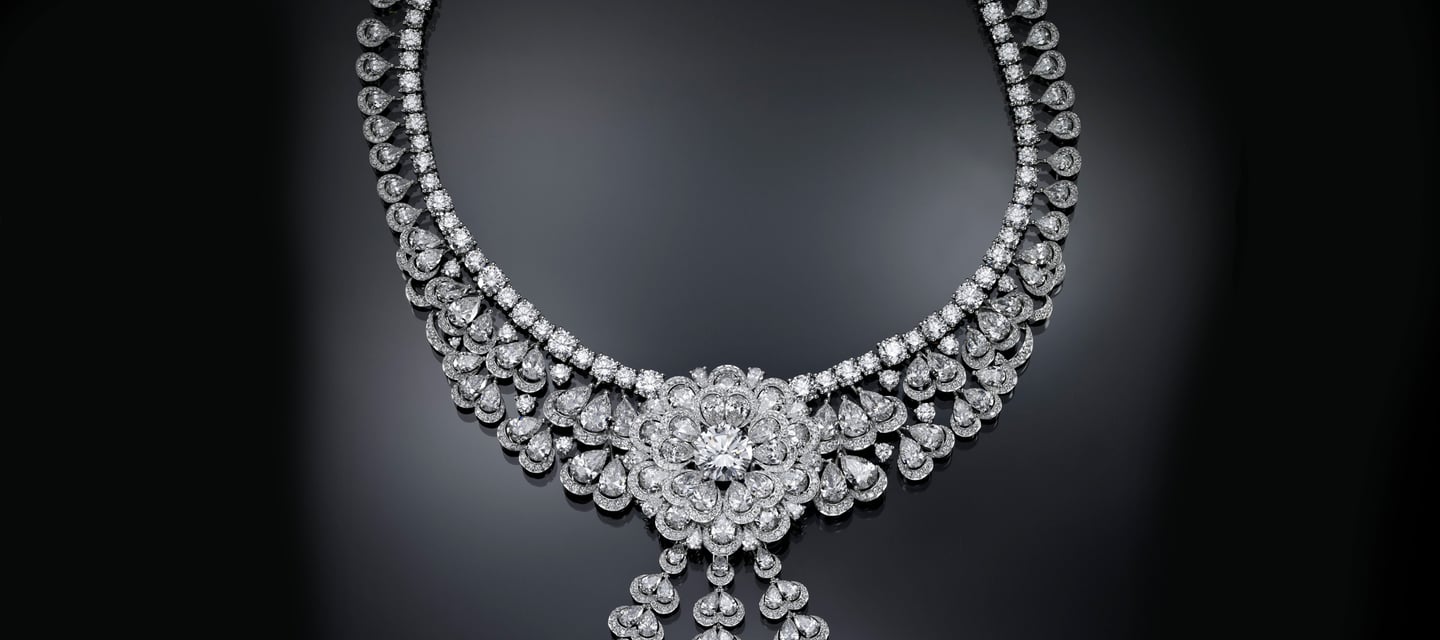
Conversely, the large heritage Maisons, such as Patek Philippe and Chopard, have maintained a steady course, emphasizing that their focus remains on the "Patek Philippe Seal" and the "Garden of Kalahari" level of high-jewelry integration. Their official stance is that while innovation is essential, the long-term value of a watch lies in its legacy, its provenance, and its ability to be passed down through generations.

Implications: The Future of Luxury Timekeeping
The success of the 2026 GPHG laureates points toward three distinct trends that will shape the next decade of watchmaking:
1. The Decentralization of Horology
The rise of Tokyo-based workshops like Otsuka Lotec and the continued influence of independent Russian watchmakers like Konstantin Chaykin signals a move away from the "Swiss-only" monopoly. The global collector base is increasingly interested in the story of the watchmaker, regardless of their geographic origin.
2. The Return to Mechanical "Wonder"
In an age of smartwatches and digital ubiquity, the winners of 2026 prove that collectors are craving physical, tangible wonders. Whether it is the hand-finished fusée and chain transmission of Ferdinand Berthoud or the unconventional time displays of SpaceOne, the market is favoring watches that provide a sense of "mechanical theater."
3. Sustainability and Longevity
The emphasis on "revived" brands like Daniel Roth and Ferdinand Berthoud highlights a growing trend in the luxury sector: the preservation of history. By taking existing legacies and applying 21st-century manufacturing precision, these brands are creating a sustainable business model that honors the past while ensuring the survival of endangered horological crafts.
Conclusion: A New Golden Age
As we look toward the future, the state of the watch industry is undeniably robust. The 2026 GPHG served as a reminder that watches are more than just instruments for measuring time—they are vessels of human ingenuity, cultural heritage, and personal expression.
Whether it is the shimmering, frosted gold of an Audemars Piguet or the minimalist, complicated brilliance of a Cleguer, each piece represents a unique solution to the eternal problem of time. For the collector, the artisan, and the enthusiast, the coming years promise a continued blurring of the lines between art, engineering, and luxury. As the industry continues to evolve, one thing remains clear: the quest for the "perfect" watch is an infinite pursuit, and the 2026 winners have set a standard that will inspire the next generation of master watchmakers for years to come.