By Maritime & Humanitarian Affairs Desk
For twenty years, YachtAid Global has operated at the unique intersection of luxury yachting and global philanthropy. What began two decades ago as an ambitious vision—harnessing the logistical capabilities of private vessels to assist communities struck by disaster—has evolved into a sophisticated, global movement. Today, the organization is redefining what it means to be a superyacht owner, charterer, or crew member, turning floating palaces into lifelines of disaster relief, long-term infrastructure rebuilding, and vital marine conservation.
As the organization marks its milestone 20th anniversary, the scale of participation has grown exponentially. The vessels involved are larger, more technologically advanced, and capable of reaching some of the most isolated corners of the Earth. Through strategic partnerships, modern expedition capabilities, and the unmatched efficiency of professional yacht crews, YachtAid Global is proving that the superyacht industry can be a formidable force for global good.
Main Facts: The Evolution of Superyacht Philanthropy
At its core, YachtAid Global bridges the gap between the yachting community and vulnerable coastal or island communities. The organization orchestrates the delivery of critical supplies—ranging from educational materials and medical gear to heavy construction equipment—while also spearheading hands-on environmental and humanitarian projects.
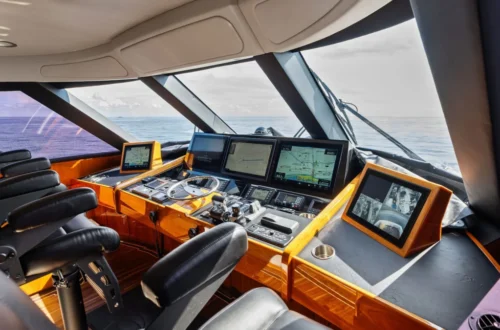
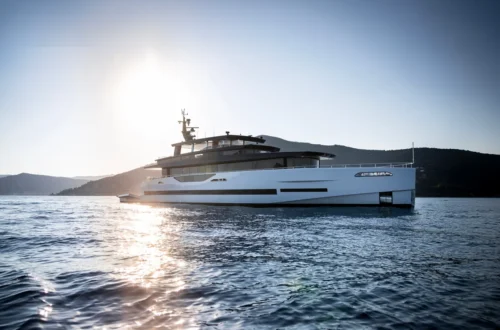
The scope of operations has transformed dramatically since the organization’s inception. In the early days, a 120-foot yacht participating in disaster relief was considered a rare and massive undertaking. Today, the baseline for participating vessels has shifted upward to 130 feet and beyond. These modern explorer yachts boast greater fuel capacities, advanced desalination systems, and ample storage, allowing them to carry significant cargo loads directly to areas cut off from traditional supply chains.
Furthermore, participation is no longer limited solely to private owners. YachtAid Global has successfully integrated charter organizations and clients into its framework. Whether a charter guest stops by an adopted community to drop off supplies or participates hands-on in coral reef restoration, philanthropy is increasingly becoming a core pillar of the luxury yachting experience.
Chronology: From Emergency Responders to Long-Term Builders
Phase 1: The Early Years and Emergency Relief (The Mid-2000s)
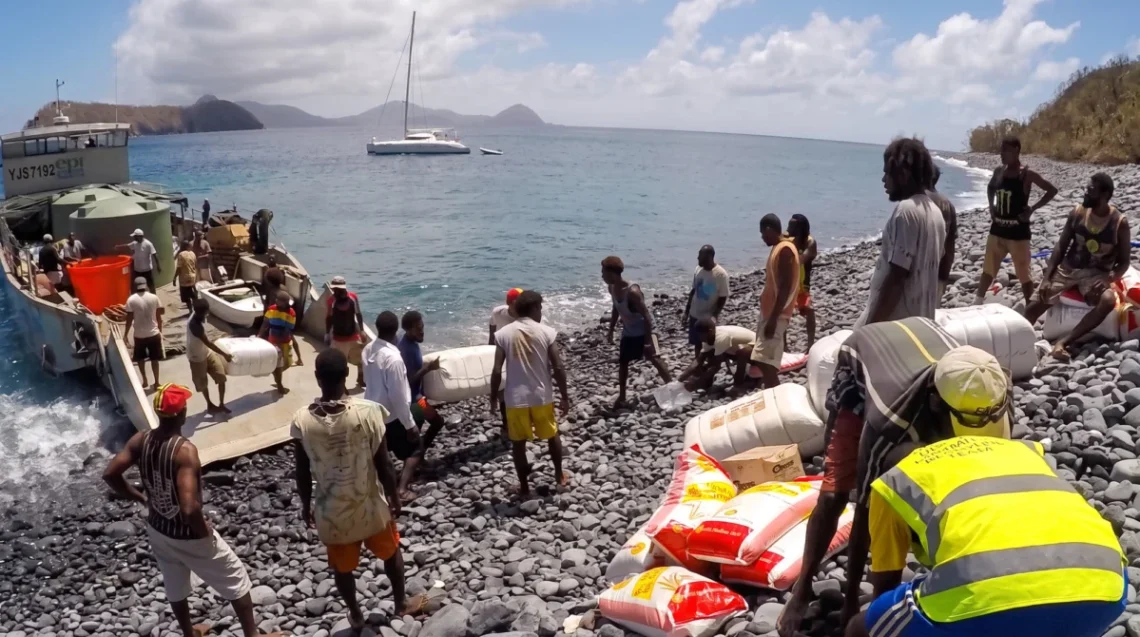
When YachtAid Global was first founded, its primary focus was immediate, emergency-driven disaster relief. When hurricanes, earthquakes, or tsunamis struck vulnerable island nations, the organization mobilized private yachts to act as rapid-response units. These vessels served as floating warehouses, medical stations, and transport links, bringing fresh water, food, and emergency medical personnel to areas where traditional aid agencies struggled to navigate damaged ports and ruined infrastructure.
Phase 2: Expanding Horizons and Remote Exploration (The 2010s)
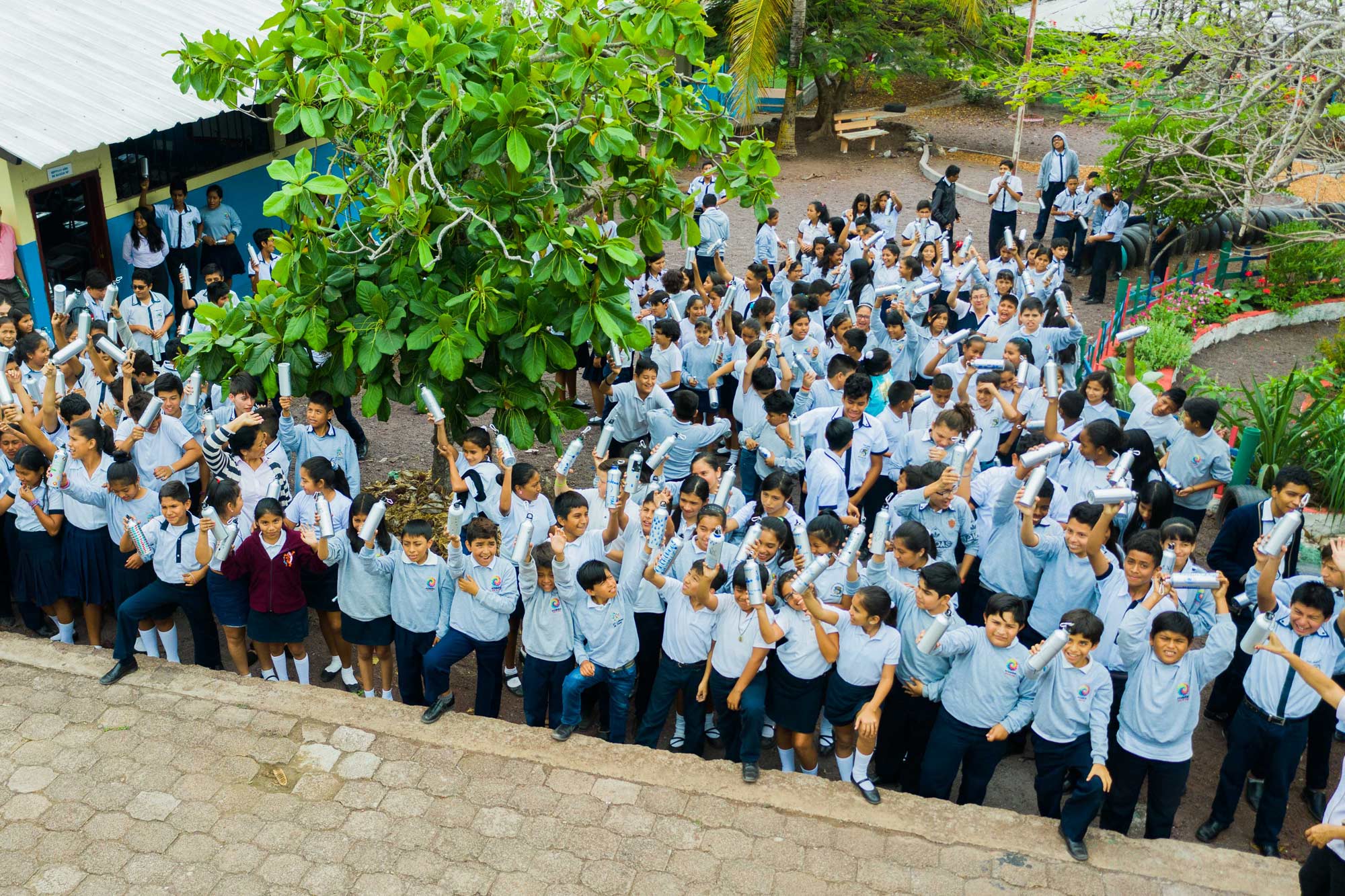
As the global fleet evolved, so too did the capabilities of the yachts themselves. Shipyards began producing vessels specifically engineered for remote, autonomous exploration. This technological shift opened up previously inaccessible regions. YachtAid Global expanded its footprint into distant archipelagos and marine sanctuaries, including French Polynesia, the Galápagos Islands, and Grenada. By utilizing vessels that were already cruising these remote regions, the organization drastically reduced the logistical costs and carbon footprint associated with shipping humanitarian and conservation supplies through commercial channels.
Phase 3: The Pivot Toward Long-Term Resilience (The Present Day)
Today, YachtAid Global is navigating its most strategic evolution yet. While emergency disaster response remains a foundational element of its mission, the organization has broadened its mandate to focus heavily on long-term recovery and sustainable development. Recognizing that international media attention—and emergency aid—often fades weeks after a natural disaster strikes, YachtAid Global is filling the void by staying behind to help communities rebuild stronger, smarter, and more resiliently.
Supporting Data: The Power of the Superyacht Crew
One of the most compelling insights from YachtAid Global’s two decades of operation is the realization that a yacht’s greatest asset isn’t just its hull or its cargo space—it is its crew.
A typical superyacht crew consists of 10 to 15 professionals (and sometimes upwards of 40 or 50 on mega-yachts) who live, work, and operate under high-pressure conditions 365 days a year. They are rigorously trained in logistics, engineering, navigation, safety, and teamwork. When deployed on land, this makes them an extraordinarily efficient task force.
Steve Jackman, who handles communications and marketing for YachtAid Global, experienced this firsthand following the devastation of Hurricane Beryl.
"I was in Grenada for a month building boats after Hurricane Beryl, and there was a yacht with 46 crew living on it," Jackman recalls. "You drop off a yacht crew of 10 or 15 people who live and work together, they’re a machine. The efficiency of their work is unparalleled."
The quantifiable impact of these deployments is staggering. Over the years, participating vessels have delivered hundreds of tons of cargo:
- Educational Supplies: Books, computers, and furniture for schools stripped bare by storms.
- Infrastructure Materials: Lumber, solar panels, and construction tools to rebuild homes and community centers.
- Conservation Gear: Nurseries, monitoring equipment, and specialized tools for marine biologists working to restore damaged coral reefs.
Official Responses and Strategic Vision
According to representatives from YachtAid Global, the organization’s operational ethos is shifting to mirror the methodologies of legacy humanitarian giants like the Red Cross, while retaining the agility and speed inherent to the private maritime sector.
Steve Jackman emphasizes that the organization’s current strategic focus is directed toward the unglamorous, grassroots work that ensures permanent community uplifting.
"We’re shifting more toward the rebuilding," says Jackman. "Going in after the initial responses are done and helping with the infrastructure, improving education, and the continued focus on conservation. It’s not always the sexiest work, but some of the stuff with coral reef nurseries is going a long way. There’s work to be done."
To maintain absolute integrity and community trust, YachtAid Global works hand-in-hand with local grassroots organizations. This localized approach guarantees total transparency, ensuring that donations and physical aid flow directly where they are most desperately needed without getting bottlenecked by regional bureaucracy. Furthermore, by collaborating directly with local leaders, the organization ensures that rebuilding efforts respect indigenous cultures, environmental realities, and long-term economic sustainability.
Implications: The Future of Responsible Luxury Yachting
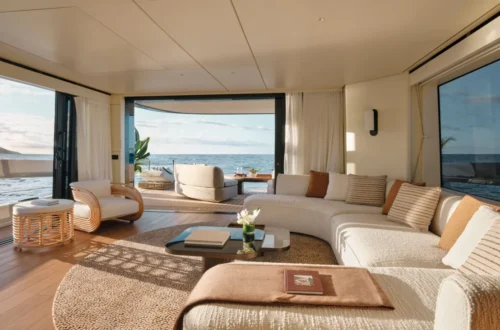
The 20-year success of YachtAid Global signals a broader, profound cultural shift within the global maritime industry. Ultra-high-net-worth individuals and charter clients are increasingly evaluating their luxury investments through the lens of purpose and legacy. Owning or chartering a multi-million-dollar vessel is no longer just about leisure and prestige; for a growing segment of the maritime community, it is a mobile platform for global stewardship.
1. Redefining Corporate and Private Social Responsibility (CSR)
As environmental, social, and governance (ESG) criteria become central to modern wealth management, YachtAid Global provides yacht owners with a seamless avenue to fulfill philanthropic goals. By incorporating humanitarian stops into annual cruising itineraries, owners can transform routine vacations into missions of profound global significance.
2. Pioneering Marine Conservation at Scale
With yachts penetrating deep into fragile ecosystems like the Galápagos and French Polynesia, the maritime industry bears a distinct responsibility to protect these environments. YachtAid Global’s ongoing work with coral reef nurseries and marine habitat preservation serves as a blueprint for sustainable yachting tourism—demonstrating that luxury travel and environmental conservation can coexist harmoniously.
3. A Blueprint for Rapid Crisis Response in a Warming World
As climate change increases the frequency and severity of extreme weather events, traditional humanitarian supply chains will face unprecedented strain. The agile, independent logistical network cultivated by YachtAid Global represents a vital auxiliary defense mechanism for coastal and island communities worldwide.
Looking Ahead
As YachtAid Global looks toward the next decade, its mission remains clear: to leverage the unmatched resources of the global fleet to heal, rebuild, and protect. For the captains, crews, owners, and charterers who answer the call, the message is simple—luxury comes with responsibility, and the open ocean connects us all.