The Galápagos Islands, a legendary sanctuary of biodiversity and a crown jewel of global eco-tourism, are currently navigating the turbulent consequences of an intense El Niño weather event. On October 30 and 31, 2026, the archipelago—specifically the island of Santa Cruz—was struck by extreme, torrential rainfall that triggered flash flooding, damaged essential infrastructure, and displaced hundreds of residents. As the local government declares an emergency, the global travel community is left questioning the viability of upcoming itineraries.
While the images of flooded streets in Puerto Ayora are stark, the reality on the ground is nuanced. For travelers with upcoming bookings, the consensus from local operators and conservationists is clear: the islands remain open, but they require a traveler who is informed, flexible, and conscious of their impact.
The Genesis of the Crisis: A Chronology of the 2026 Floods
The weather event, which began in late October 2026, was the culmination of rising ocean temperatures associated with the El Niño cycle. Over the course of 48 hours, the archipelago experienced rainfall levels that overwhelmed drainage systems, particularly on Santa Cruz, the most populated island and the primary hub for tourism.
- October 30–31: Persistent, heavy rainfall hits Santa Cruz. Local waterways overflow, leading to severe flooding in residential sectors of Puerto Ayora and the highland parish of Bellavista.
- November 1: The local government officially declares a state of emergency. Reports indicate that over 2,000 residents have been directly affected by property damage and loss of livelihood. The UK Foreign, Commonwealth & Development Office issues an updated travel advisory for Ecuador.
- November 5: Critical infrastructure repairs, including the vital artery connecting the tourist hub of Puerto Ayora to the Baltra Airport, are completed.
- November 9: The Galápagos National Park authority conducts safety assessments, leading to the reopening of several visitor sites, though key locations remain closed for restoration or as a preventative measure.
The Impact on Tourism Infrastructure
For the average visitor, the primary concern is the integrity of the "tourist circuit." Rodrigo Jácome, who operates the La K-leta Guest House and a coffee farm on Santa Cruz, notes that the damage is largely localized to residential areas rather than the hospitality zones.
"The flooding affected residential neighborhoods that are not particularly close to the main hotel areas," Jácome explains. While he personally suffered the loss of his coffee harvest, he stresses that the essential machinery of tourism—hotels, logistics, and boat operations—proved remarkably resilient. "Tourism operations resumed within days," he adds.
However, the "first-mile" logistics have seen the most disruption. The road connecting the highlands of Santa Cruz to the Baltra Airport, a critical transit point for international arrivals, was temporarily compromised. With that artery now reopened, the flow of travelers has stabilized, though intermittent closures of specific visitor sites, such as the Los Humedales sector in Isabela or Tortuga Bay in Santa Cruz, continue to necessitate daily itinerary adjustments.

Understanding the El Niño Phenomenon
To understand why this is happening, one must look at the Pacific Ocean. El Niño is a complex climate pattern that occurs when ocean temperatures in the equatorial Pacific rise above average. This thermal shift disrupts atmospheric circulation, resulting in erratic weather patterns.
For the Galápagos, this means an increase in precipitation and warmer sea temperatures. While the current event is severe, it is a cyclical phenomenon that the islands have faced for millennia.
"It is a cyclical part of nature that we have seen every 10–15 years," says Charles Wittmer, president of the Association of Boat Operators in the Galápagos (ADATUR). "Nature is unpredictable, and if anything, this is a chance to see the adaptations of animals to changing weather conditions. Remember: this is a natural laboratory of evolution."
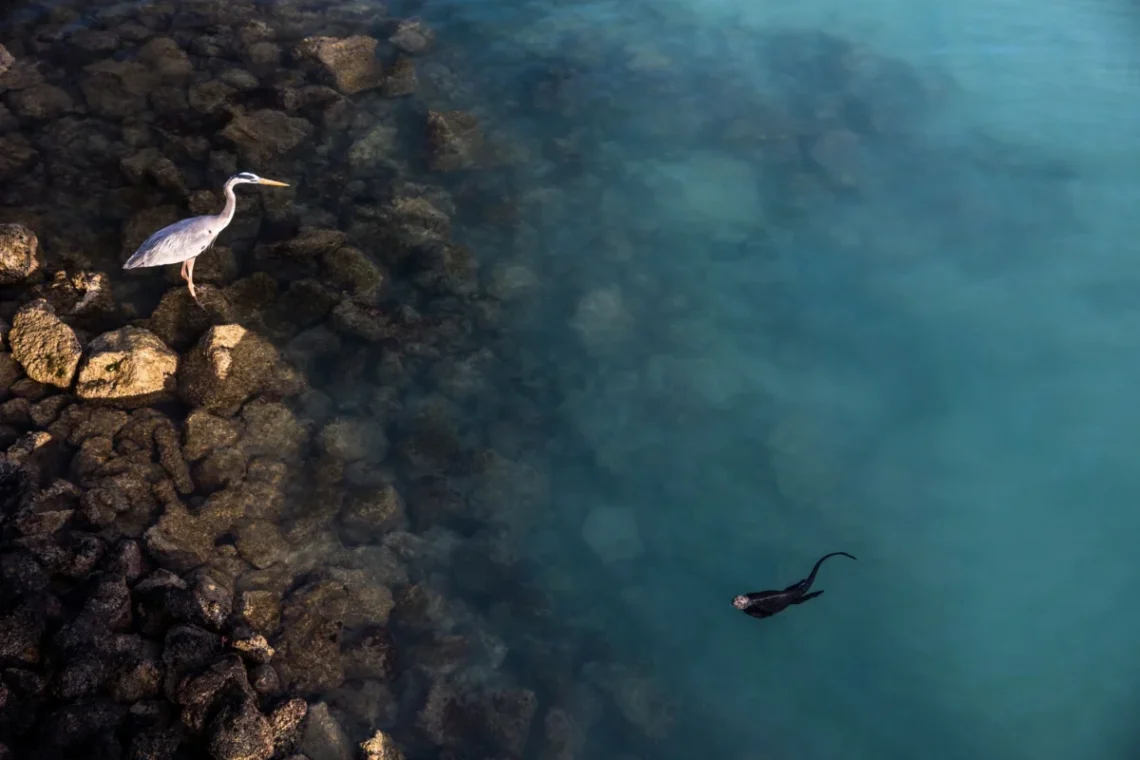
From a biological perspective, the warming waters force marine life to adapt. While some species may move to cooler depths, the biodiversity remains robust. In fact, seasoned guides note that these shifts can sometimes result in unique sightings of migratory species that are rarely seen under normal conditions, offering a rare glimpse into the resilience of the archipelago’s ecosystem.
Is It Safe to Travel? Expert Perspectives
The overarching message from local stakeholders is one of cautious optimism. Whitman Cox, a Galápagos National Park naturalist guide based in San Cristóbal, insists that panic is unnecessary.
"People can still come. We shouldn’t frighten them," says Cox. His advice centers on the management of expectations. "They may encounter transportation difficulties between certain points, which could take additional time. The park has done its best in the interest of safety by closing certain sites as a precautionary measure."

Travelers should move away from the assumption that the archipelago is a monolithic entity. Damage is localized; while Santa Cruz bore the brunt of the flooding, other islands like San Cristóbal reported minimal disruption to tourist infrastructure. Visitors are encouraged to maintain constant, open communication with their tour operators, cruise lines, and hotel concierges to receive real-time updates on site accessibility.
Preparing for Your Trip: A Toolkit for Flexibility
If you have a trip to the Galápagos scheduled for the coming months, your strategy should be built on three pillars: research, insurance, and flexibility.
1. Pre-Departure Due Diligence
Before you board your flight, reach out to your airline and tour operator. Ask specific questions:
- Are there any changes to our scheduled excursions?
- What is the contingency plan if a specific visitor site is closed on the day of our visit?
- Are there any transport delays we should account for in our itinerary?
2. The Power of Travel Insurance
Given the potential for weather-related disruptions, comprehensive travel insurance is no longer optional—it is essential. Ensure your policy explicitly covers:
- Trip Cancellation/Interruption: Specifically for weather-related events.
- Medical Coverage: In case of injury or illness during the emergency.
- Unexpected Expenses: Costs associated with hotel extensions or rebooked flights due to local conditions.
3. Packing for the Elements
Standard packing lists for the Galápagos often focus on sun protection and snorkeling gear. For the current climate, you must add:
- High-quality rain protection: A lightweight, breathable rain jacket.
- Waterproof storage: Dry bags for your camera equipment, phone, and essential documents.
- Footwear: Sturdy, waterproof hiking shoes, as trails may be muddy or prone to localized puddling.
Supporting the Local Community: Ethical Tourism
The most profound impact of the flooding is on the local families who sustain the tourism ecosystem. When you visit, your presence provides the economic lifeline necessary for recovery.

"Tourism is needed now more than ever to help rebuild the communities that lost everything," says Jácome.
How to be a responsible visitor:
- Choose Local: Prioritize locally owned accommodations and independent restaurants.
- Hire Local Guides: This ensures your money goes directly into the pockets of the community.
- Respect Privacy: If you are walking through affected areas, remember that these are homes, not museums. Do not photograph residents’ damaged properties without explicit consent.
- Contribute Directly: If you have the capacity, bring items that are currently in short supply. Water purification tablets, basic first-aid supplies, and hygiene kits are highly valued. Consult your local hotel host upon arrival to see which families or community centers are currently in the greatest need.
How to Help from Afar
If your trip has already concluded or you are watching the situation from home, you can still contribute to the recovery of the Galápagos through established, reputable organizations:
- Fundación Charles Darwin: They are currently spearheading an emergency fundraising initiative in collaboration with the Santa Cruz emergency response committee (COE) to secure funding for infrastructure repairs and community support.
- San Francisco de Quito University (USFQ): The university has established the "SOS Galapagos" fund, providing a secure, transparent portal for international donors to contribute to relief efforts.
- Fundación Torraja: For those interested in grassroots aid, this organization is managing a community kitchen, providing direct food and material support to families who lost their belongings in the flooding.
Conclusion: The Nature of Evolution
The Galápagos Islands are defined by their ability to evolve. While the 2026 flooding has presented a significant challenge to the human inhabitants of these islands, the archipelago remains a destination of unparalleled beauty and scientific importance. By traveling with a sense of patience, respect for the local community, and an understanding of the natural cycles of the planet, visitors can ensure that their trip is not only successful but also serves as a meaningful contribution to the resilience of this unique, fragile paradise.
The weather will shift, the waters will eventually return to their norms, and the wildlife will continue its dance of adaptation. For the traveler, the opportunity remains to witness the world in its most raw and remarkable form—if one is willing to embrace the reality of the journey.