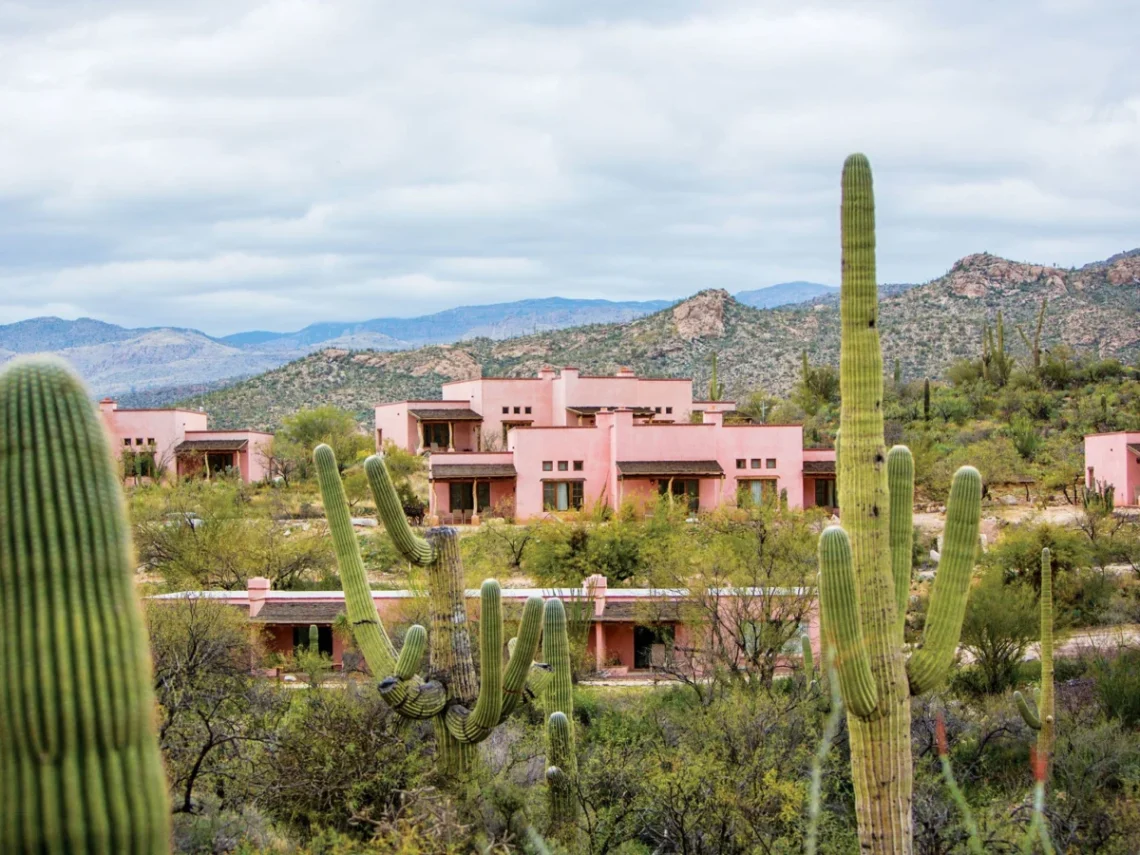
There is a profound, almost primal stillness that descends upon the American Southwest once the intensity of the summer sun subsides. It is a landscape defined by dramatic contrasts: the jagged silhouette of rust-colored mountains against an impossible, cloudless azure sky; the whisper of wind through ancient, towering cacti; and the transition from the golden heat of the afternoon to the crisp, crystalline chill of a desert night. For the modern traveler, this region has evolved from a mere stopover into one of the most restorative destinations on the planet.
As the northern hemisphere begins its descent into the gray monotony of winter, the allure of the desert only intensifies. While much of the country bundles up in layers of wool and synthetic insulation, or flocks to the crowded beaches of the Caribbean, the American Southwest offers a third, more soulful path. It is a sanctuary where the everyday feels not just distant, but entirely irrelevant.
Main Facts: The Anatomy of a Desert Retreat
The restorative power of the desert is not a new discovery, but its application in the travel industry has reached a new zenith of sophistication. Modern desert hospitality is no longer just about proximity to nature; it is about the integration of luxury with the raw, untamed environment.
The current landscape of Southwestern travel is dominated by a diverse array of accommodations that cater to a wide spectrum of sensibilities. Travelers can choose from:
- Moroccan-Inspired Sanctuaries: Often tucked behind high adobe walls, these resorts prioritize privacy, lush internal courtyards, and water features that defy the arid climate outside.
- Rugged Dude Ranches: These properties lean into the heritage of the American West, offering expansive vistas, horseback riding through scrubland, and a rustic-chic aesthetic that feels both authentic and refined.
- Destination Spa Resorts: With a heavy focus on wellness, these properties utilize the mineral-rich environment and silence of the desert to provide high-end treatments, outdoor hot tubs, and holistic health programs.
- Luxury Glamping: For those who wish to be closer to the earth without sacrificing comfort, canvas tents perched above canyons or desert floors offer an immersive experience that blends the lines between "camping" and high-end hotel living.
Chronology: The Evolution of the Southwest Experience
The transformation of the desert from a rugged frontier to a premier travel destination did not happen overnight. The evolution reflects a broader shift in how Americans view wellness and leisure.
The Early 20th Century: The Healing Frontier
Initially, the Southwest gained traction as a place for those seeking health, particularly those suffering from respiratory ailments. The dry, warm climate was seen as medicinal. Small sanitariums and rustic lodges began to dot the landscape in places like Santa Fe and Tucson, laying the groundwork for the modern "restorative" travel trend.

The Mid-Century Modern Boom: 1950s–1970s
As the interstate highway system expanded, the desert became a playground for the burgeoning middle class. Iconic resorts began to pop up, introducing the concept of the "desert oasis"—a swimming pool surrounded by palm trees against a backdrop of parched mountains. This era cemented the aesthetic of the "desert vacation" that still dominates our cultural imagination.
The 21st Century: The Rise of "Wellness Luxury"
In the last two decades, the focus has shifted from simple recreation to deep restoration. The rise of the "wellness economy" saw desert resorts pivot toward yoga retreats, farm-to-table culinary programs, and, most importantly, "dark sky" experiences. Recognizing that the city-dweller’s greatest lack is silence and darkness, resorts began highlighting their ability to offer unparalleled stargazing, turning the night sky into a primary amenity.
Supporting Data: Why Winter is the Peak Season
While the summer months in the Southwest are characterized by extreme heat that often restricts outdoor activity, winter (defined as November through March) provides the "Goldilocks" conditions for exploration.
- Optimal Temperature Ranges: During winter months, average daily highs in the Sonoran and Mojave deserts hover between 65°F and 75°F. This creates an ideal environment for hiking, mountain biking, and horseback riding without the physiological stress of heat exhaustion.
- Visitor Behavior Patterns: Data from regional tourism boards indicates that while summer sees a spike in "quick-trip" tourism, the winter months see a marked increase in the average length of stay. Travelers are opting for week-long retreats rather than weekend getaways, suggesting a deeper commitment to the "slow travel" movement.
- The "Dark Sky" Factor: Winter air is thinner and contains less moisture than summer air, leading to higher transparency for stargazing. Resorts located in certified Dark Sky Parks report that guest engagement with astronomy programs increases by 40% during the winter months compared to the summer.
Official Responses and Industry Perspectives
Industry leaders emphasize that the success of the modern desert resort is rooted in the philosophy of "non-interference."
"Our goal is not to conquer the landscape, but to frame it," says a spokesperson for a leading collection of Southwest luxury properties. "When a guest sits on a stone terrace as the mountains turn from ochre to a deep, bruised purple at sunset, they aren’t just watching a view; they are experiencing a physiological shift. The desert is a massive, quiet space that forces the human brain to slow down. That is the luxury we are selling."
Furthermore, there is an increasing focus on sustainability. Because water is a finite and precious resource in the desert, top-tier resorts are implementing advanced gray-water recycling systems and xeriscaping—using native, drought-resistant plants to create lush environments without the heavy water footprint of traditional landscaping.

Implications: The Psychological Impact of the Arid Wild
The implications of choosing a desert retreat over a traditional tropical or urban vacation are significant. Psychologists suggest that the "desert effect" is a result of sensory deprivation—or rather, the removal of the constant, overstimulating sensory input found in modern cities.
- Reduction of Cognitive Load: The visual uniformity of the desert—the long horizons and vast, empty spaces—provides a rare opportunity for the brain to rest. Unlike a bustling city or a dense forest, the desert doesn’t require constant, rapid-fire processing of complex visual data.
- The Digital Detox: Many desert resorts are intentionally designed to be "unplugged." By positioning rooms away from strong cellular signals and emphasizing outdoor communal spaces, these properties facilitate a natural digital detox.
- Spiritual Reconnection: For many, the vastness of the desert serves as a prompt for reflection. When placed in front of a landscape that has remained largely unchanged for thousands of years, the immediate stresses of daily life—emails, deadlines, and social obligations—seem to lose their magnitude.
Looking Forward: The Future of Desert Travel
As we look toward the future, the trend of desert travel is only expected to grow. We are moving toward a period where "adventure wellness"—the combination of physical exertion in the wild with high-end recovery—will become the gold standard.
The American Southwest remains a testament to the idea that true luxury is not found in gold-plated fixtures, but in access to silence, space, and the raw beauty of the natural world. Whether one is navigating the red rocks of Utah, riding through the Sonoran sands, or simply observing the glitter of a billion stars from the warmth of a fire-side lounge, the desert serves as a powerful reminder of our place in a much larger, more enduring story.
As the world becomes increasingly connected and loud, the quiet, arid reaches of the Southwest will likely remain the ultimate luxury—a place where the sky is enormous, the air is clean, and the silence is the most valuable commodity of all.
FAQ: A Note on Editorial Standards
Every hotel review featured in our coverage is curated by a Condé Nast Traveler journalist who has firsthand experience with the destination. When selecting properties for inclusion, our editorial team evaluates them based on a stringent set of criteria: authenticity, architectural integrity, quality of service, and, crucially, a commitment to environmental sustainability within the delicate desert ecosystem. We aim to provide readers with an insider’s perspective, ensuring that each recommendation offers more than just a place to sleep—it offers a gateway to the unique soul of the American Southwest.