Published: November 28, 2026
Author: Colin Flora / Robb Report (Adapted & Expanded)
Main Facts
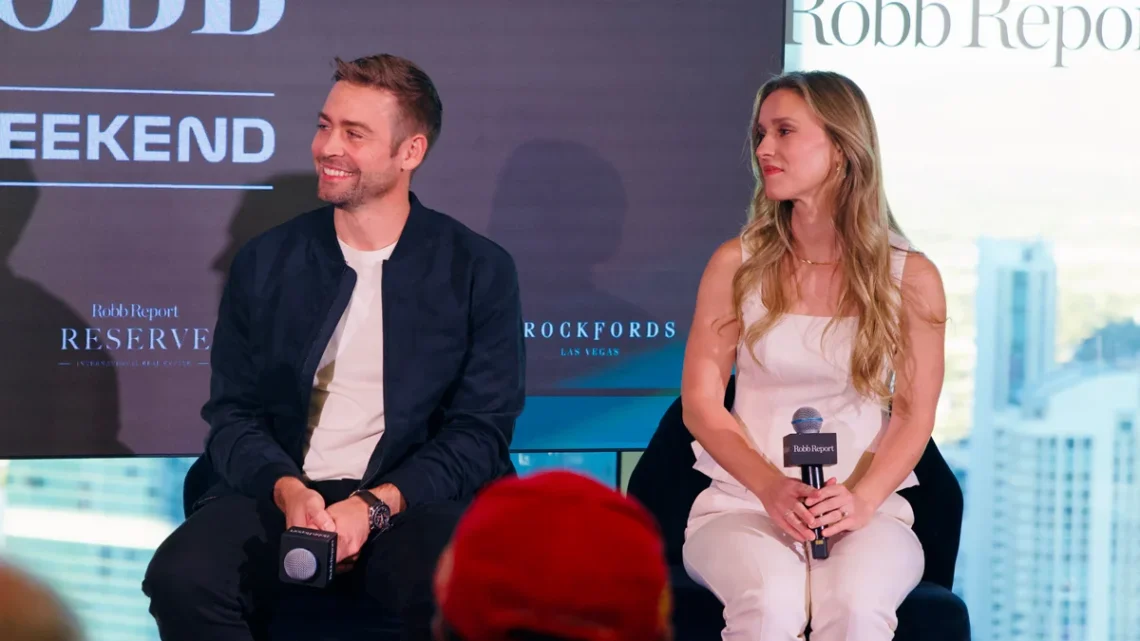
Thirteen years after the tragic passing of Fast and Furious icon Paul Walker, his enduring philanthropic and automotive legacy continues to thrive on a global scale. At the recent House of Robb F1 Las Vegas event, Paul’s brother, Cody Walker, and his wife, Felicia Walker, took center stage to reflect on more than a decade of leadership at Reach Out WorldWide (ROWW), the disaster relief nonprofit originally founded by the late actor.
What began in 2010 as a quiet, grassroots effort by a movie star seeking to render aid away from the glare of Hollywood cameras has blossomed into an internationally recognized organization. Today, ROWW deploys elite first responders—including firefighters, doctors, and paramedics—to the front lines of natural catastrophes worldwide. From earthquake-ravaged regions like Haiti and Nepal to hurricane-impacted areas in the United States and Jamaica, the nonprofit has evolved into a vital pillar of international disaster relief.
Crucial to the ongoing survival and expansion of ROWW is FuelFest, the high-octane automotive festival co-founded by Cody Walker and featuring partners such as Tyrese Gibson. Now wrapping up its sprawling 2026 world tour—with stops spanning California, Tokyo’s prestigious Fuji Speedway, and beyond—FuelFest serves as both a celebration of car culture and a primary financial engine for ROWW.
Despite operating on a global scale, both ROWW and FuelFest maintain a fiercely independent, tight-knit, family-first ethos, deliberately avoiding corporate bureaucracy to stay true to the authentic spirit that Paul Walker championed from day one.
Chronology: The Evolution of a Movement
January 2010: The Genesis in Haiti
The story of Reach Out WorldWide traces back to one of the darkest natural disasters of the 21st century: the devastating 7.0-magnitude earthquake that struck Haiti in January 2010. Moved by the catastrophic loss of life and suffering, Paul Walker decided to take matters into his own hands. Eschewing media attention and public relations campaigns, the actor quietly gathered a small group of trusted friends, packed their bags with donated medicine provided by his mother (a nurse), and flew directly into the disaster zone to offer boots-on-the-ground assistance.
November 2013: Tragedy and the Call to Action
Following the sudden and tragic death of Paul Walker in November 2013, ROWW faced an existential crisis. Because Paul had initially self-funded nearly all the organization’s missions out of his own pocket, the nonprofit lacked the institutional infrastructure and formal funding mechanisms required to sustain itself long-term.
Enter Cody and Felicia Walker. Just 25 years old at the time, the couple made the life-altering decision to leave behind their established lives in Oregon, relocate to Los Angeles, and dedicate themselves entirely to keeping Paul’s dream alive.
Post-2013 to Present: Expansion and Institutional Growth
Under Cody and Felicia’s stewardship, ROWW transitioned from a personal passion project into a structured, highly efficient disaster relief organization. The scope of their operations rapidly widened. The nonprofit expanded its deployment map to international locations such as Nepal and Jamaica, while maintaining a heavy domestic presence in states like Texas and Virginia. In California, the organization even helped establish a semi-permanent facility specifically designed to combat and mitigate the devastating seasonal wildfires plaguing the region.
The Rise of FuelFest
Recognizing the need for sustainable, independent funding streams that didn’t rely entirely on traditional charity donations, the leadership team leaned heavily into Paul’s greatest passion: cars. FuelFest was born, bridging the gap between the automotive community and philanthropic giving. By 2026, the tour expanded aggressively, marking its 11th massive year with internationally acclaimed events celebrating custom car builds, drift exhibitions, and live music, all while funneling vital resources back into ROWW’s mission.

Supporting Data and Operational Reach
To understand the true magnitude of Cody and Felicia Walker’s stewardship, one must examine the metrics of impact that ROWW and FuelFest have achieved over the past decade:
- Global Deployment Footprint: ROWW teams have responded to numerous major international and domestic catastrophes, including earthquakes in Haiti and Nepal, hurricanes in the Caribbean and the American South, and severe flooding events across the U.S. mainland.
- Specialized First Responder Network: The organization mobilizes a highly specialized roster of vetted professionals, including active and retired firefighters, trauma surgeons, structural engineers, paramedics, and logistics experts.
- Wildfire Mitigation: In California—a state repeatedly battered by climate-driven natural disasters—ROWW’s investment in semi-permanent infrastructure has drastically improved local rapid-response capabilities.
- FuelFest Global Scale: The 2026 FuelFest world tour encompassed 11 major stops, uniting tens of thousands of automotive enthusiasts across continents, with marquee events held at legendary venues like Japan’s Fuji Speedway.
- Financial Independence: By pairing a passion-driven automotive festival with a lean nonprofit model, the organizers have successfully bypassed reliance on unpredictable corporate grants, ensuring direct accountability to the communities they serve.
Official Responses and Perspectives
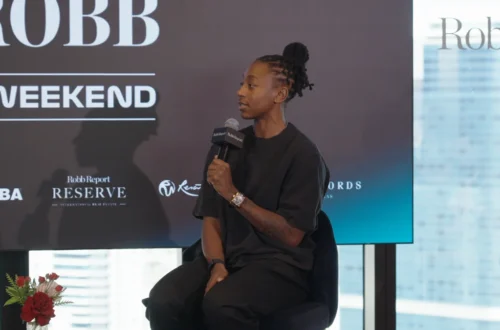
Speaking candidly at the House of Robb event during F1 Las Vegas weekend, Felicia Walker articulated the emotional weight and profound privilege of carrying forward her late brother-in-law’s legacy.
“It’s a little piece of Paul that he left behind that we can continue,” Felicia told Robb Report. “And it’s weird to think how much longer we’ve been doing it than he did. But it wouldn’t exist obviously without him.”
Recalling Paul’s original motivations for establishing the nonprofit, Felicia highlighted his desire for authenticity and unvarnished altruism:
“[Paul] just had that in his heart to want to help,” she continued. “He really was a great person, and he started ROWW selfishly, where he could go do that and not have cameras in his face, he could fund it himself. He could bring his best friends, and he could be as crazy as he wants.”
Cody Walker echoed these sentiments, emphasizing that despite the massive global audience that both ROWW and FuelFest now command, the operational DNA of both organizations remains resolutely intimate and personal.
“ROWW by design still remains small, and so does FuelFest,” Cody explained. “It’s the people that work for us at FuelFest… we are a family. It’s just a very tight-knit family atmosphere. Like, we’re not a corporate anything, nothing at all by design. We never would want to be.”
Implications: The Future of Legacy Philanthropy
The ongoing success of Reach Out WorldWide and FuelFest offers a masterclass in modern legacy management within the entertainment and automotive industries. When public figures pass away unexpectedly, their charitable initiatives often dissolve into corporate-managed foundations that lose the personal touch of their founders.
By contrast, Cody and Felicia Walker’s hands-on approach proves that grassroots authenticity can be successfully scaled without losing its soul. By integrating a vibrant cultural touchstone—car culture through FuelFest—with high-stakes humanitarian relief, they have created a self-sustaining ecosystem. This model not only honors Paul Walker’s memory in the most fitting way possible—by helping others—but also ensures that his compassionate spirit will continue to save lives for generations to come.