
In the high-stakes arena of global technology, Meta—the parent company of Facebook, Instagram, and WhatsApp—finds itself at a critical crossroads. As the company accelerates its multi-billion-dollar pivot toward artificial intelligence, the surging energy requirements of its data centers are colliding with its long-standing environmental sustainability pledges. Despite a landscape increasingly complicated by grid constraints and a political environment leaning toward traditional fossil fuel reliance, Meta remains steadfast in its pursuit of net-zero emissions. However, the path forward is no longer a straight line; it is a complex, high-wire act of innovation, strategic procurement, and pragmatism.
The Collision of Infrastructure and Ambition
The primary challenge facing Meta, and indeed the entire "Big Tech" ecosystem—including Amazon, Google, and Microsoft—is the "speed-to-power" dilemma. To maintain a competitive edge in the generative AI race, companies require massive, high-density computing power, which in turn demands a constant, reliable supply of electricity.
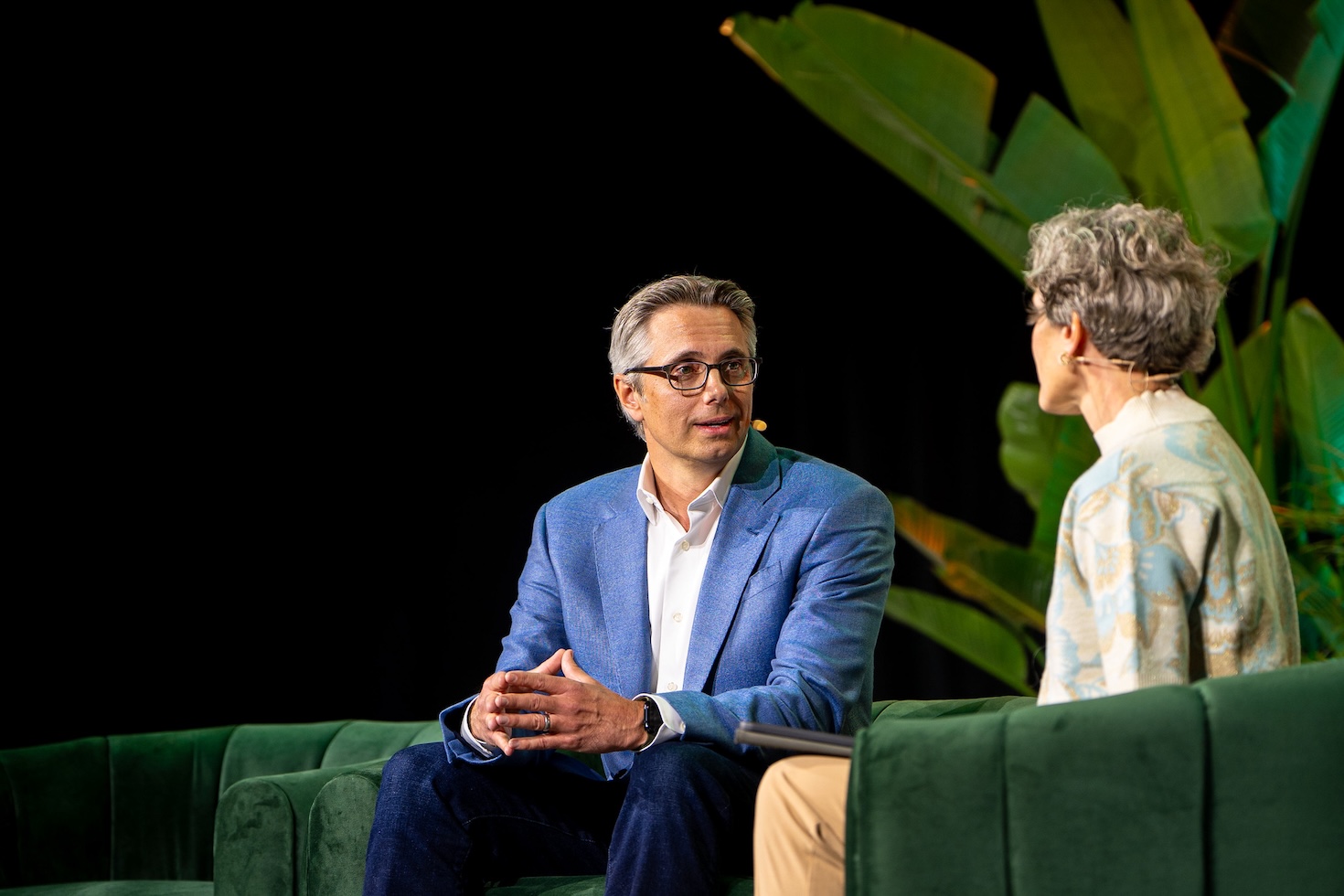
"What has changed is the terrain in which we are operating," says Blair Swedeen, Meta’s global head of net zero and sustainability. Reflecting on the company’s climate strategy during the Trellis Impact 26 conference, Swedeen noted that the goals established in 2020 were set in a fundamentally different economic and technical environment. "When we set these goals, things were very different. I’ve been at the company for about 12 years and spent a lot of time operationalizing programs, figuring out how to mobilize against goals and a lot of time cultivating partnerships. A lot of those skills ended up being transferable."
Despite this, the math is currently unfavorable. Meta’s data-center electricity consumption surged by 21 percent in the most recent reporting period, leading to a 16 percent increase in location-based electricity emissions. These figures highlight a stark reality: AI infrastructure is energy-intensive, and current grid limitations are making it difficult to transition to carbon-free power as quickly as the company would prefer.
A Chronology of Climate Strategy
Meta’s journey toward sustainability has been a decade-long evolution, shifting from early adoption to massive, complex infrastructure investments:
- 2013: Meta begins its journey as an early corporate adopter of renewable energy, signaling an intent to decouple growth from fossil fuels.
- 2020: The company formalizes its net-zero goals, establishing a roadmap for carbon neutrality across its value chain.
- April 2023: Blair Swedeen assumes the role of global head of net zero and sustainability, bringing his background in growth partnerships to the sustainability office.
- 2024: Data centers report a 21 percent increase in electricity usage, underscoring the pressure created by AI infrastructure rollouts.
- 2025: Meta cements its status as a global leader in clean energy, signing over 10 gigawatts in new contracts. The company also pivots toward "stable" energy, including record-breaking nuclear power commitments.
- 2027–2030 (Projected): Advanced geothermal and "space solar" demonstration projects are scheduled to come online, marking a new era of deep-tech energy investment.
Supporting Data: The Scale of the Transition
The sheer scale of Meta’s energy portfolio is difficult to overstate. As of 2025, Meta and Amazon stand as the world’s two largest corporate buyers of clean energy. Meta’s total portfolio now exceeds 30 gigawatts globally, with nearly 12 gigawatts already operational.
However, the "interconnection queue"—the wait time for new energy projects to connect to the grid—has become a bottleneck. In some regions, wait times can stretch between four and seven years. This delay is forcing Meta into uncomfortable compromises. For instance, the company’s Hyperion data center campus in Richland Parish, Louisiana, will require 5 gigawatts of energy. To bridge the gap, Meta has had to include natural gas generation in its utility partnerships.
"When we partner with utilities, sometimes natural gas is part of the solution," Swedeen admitted. "It’s unfortunate that that’s part of the equation, but the interconnection queues can be four to seven years, right now."
Official Responses and Strategic Shifts
Meta’s sustainability team is shifting its focus from simple volume-based renewable energy procurement to "matching" electricity consumption with stable, 24/7 carbon-free sources. This shift is characterized by a new appetite for high-risk, high-reward energy technologies.
The Nuclear and Geothermal Pivot
Meta has emerged as a major player in the nuclear sector, committing to approximately 7.7 gigawatts of capacity through existing technologies and next-generation startups. This investment is viewed as essential for providing the "baseload" power that wind and solar cannot currently offer alone. Furthermore, the company has pledged to purchase 150 megawatts from advanced geothermal projects developed by Sage Geosystems, scheduled to launch in 2027.
Financing the Future
Swedeen emphasizes that these agreements are fundamentally changing the venture landscape for clean energy. "All of this investment has really opened up new capital for new technologies that just wasn’t flowing previously," he says. By structuring agreements that guarantee future capacity, Meta is effectively acting as a venture capitalist for the energy transition, de-risking technologies that would otherwise struggle to find commercial footing.
Implications: Science Fiction Meets Reality
Perhaps the most ambitious aspect of Meta’s strategy is its exploration of "space solar." The company has entered a partnership with Overview Energy, a startup developing technology to capture solar energy from space and beam it to ground-based farms via near-infrared light.
"It sounds like science fiction," Swedeen acknowledged. "It’s an early-stage technology but it’s quite exciting."
While a commercial rollout is not expected until 2030, the collaboration underscores Meta’s belief that conventional renewables, even with storage, may not be enough to satisfy the hunger of the next generation of AI. To supplement current assets, Meta has also partnered with Noon Energy for 1 gigawatt of long-duration storage. Using modular solid oxide fuel cells, these systems can dispatch power for several days, providing a buffer during periods of low renewable generation.
Conclusion: A Pragmatic Path Forward
Meta is trapped between two competing mandates: the need to build the infrastructure that will define the future of AI and the need to preserve the environment for the future of the planet. While the company’s emissions have risen—a trend common to all tech giants currently scaling AI—its long-term commitment to net-zero is manifesting as a massive, systematic overhaul of its energy procurement strategy.
By investing in nuclear, geothermal, long-duration storage, and even space-based energy collection, Meta is demonstrating that the path to net-zero in an AI-dominated world requires more than just buying carbon offsets or traditional wind and solar credits. It requires direct intervention in the energy market and the funding of breakthrough technologies. Whether these bets will pay off in time to meet the company’s 2030 targets remains the central question, but for now, Meta is choosing to lead with innovation rather than retreat into caution. The "terrain" may have changed, but for Meta, the destination remains the same.