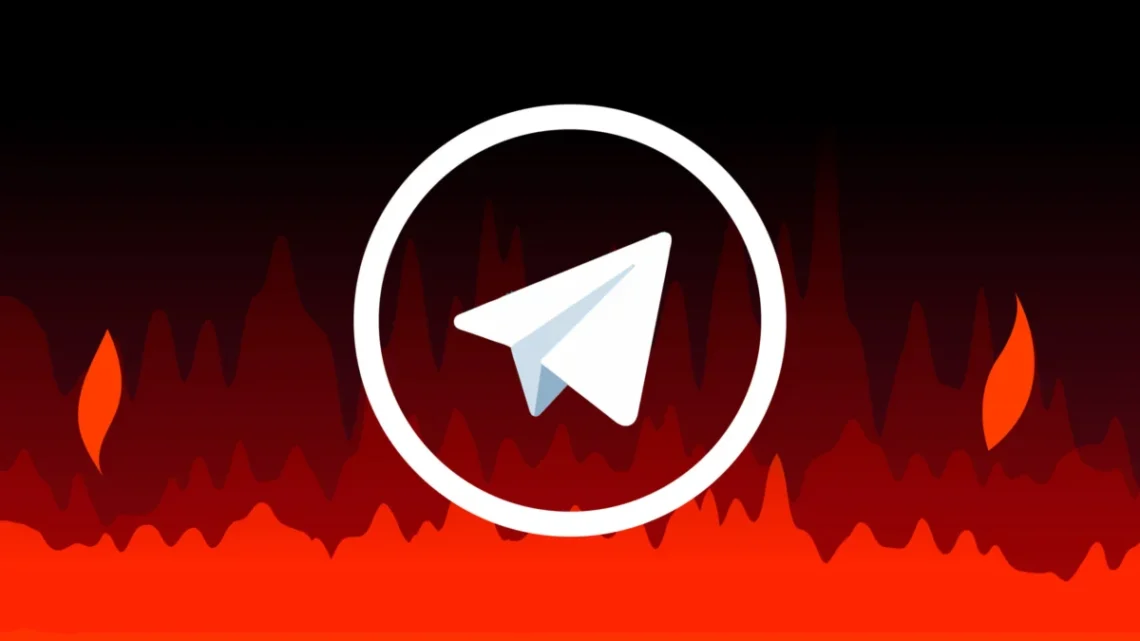
The global messaging giant Telegram faced a significant operational disruption this week as its primary shortlink domain, t.me, abruptly dropped offline. The outage, which left millions of users unable to access public groups or share one-click invitation links, sent shockwaves through the tech community. While the domain has since been restored, the incident has highlighted the fragile nature of internet infrastructure when it intersects with the stringent mandates of the U.S. Treasury Department’s Office of Foreign Assets Control (OFAC).
The Incident: A Sudden Digital Blackout
On Monday, users across the globe reported that links redirected through the t.me domain were failing to resolve. These links are the backbone of Telegram’s social ecosystem, allowing users to join public channels and groups seamlessly.
Telegram founder Pavel Durov took to X (formerly Twitter) to confirm the disruption, noting that the domain had “stopped working.” For a platform that prides itself on decentralized resilience and global connectivity, the inability to resolve a primary gateway domain—even for a short duration—presented a rare moment of vulnerability.
The disruption was traced to a “serverhold” status. In the language of domain management, a serverhold is a restrictive status code applied by a registry to prevent a domain from appearing in the Domain Name System (DNS). When a registry places a domain on hold, it effectively scrubs the site from the internet, making it invisible to browsers and apps alike.
Chronology of the Disruption
The timeline of the outage suggests a rapid, automated response by registry authorities, triggered by federal regulatory filings.
- Monday Morning: The U.S. Treasury Department published an updated sanctions list, which included details regarding "First VPN," a service allegedly utilized by cybercriminals to facilitate large-scale ransomware operations.
- Monday Mid-day: Within hours of the Treasury’s announcement, the
t.medomain was placed on “serverhold” by DomainME, the Montenegro-based registrar responsible for the.metop-level domain. - Monday Evening: Global reports of link failures peaked as the domain remained unreachable.
- Tuesday Morning: Internet records confirmed that the “serverhold” status had been lifted. By midday, DomainME confirmed that the domain was back online and functioning as expected.
The Intersection of OFAC Compliance and Infrastructure
The core of the issue appears to be an over-broad application of compliance protocols. The Treasury Department’s sanctions against First VPN included a specific reference to a public Telegram group used by the service. In their documentation, the Treasury listed the full URL of this Telegram group, which utilized the t.me shortlink format.
It is widely believed that the domain registrar, facing the threat of heavy financial penalties for failing to comply with U.S. sanctions, opted to pull the entire t.me domain rather than attempting to filter or block the single, offending URL.
This "scorched earth" approach to domain management is becoming an increasing concern for digital platforms. When a registrar suspends a top-level domain or a highly utilized redirect domain to satisfy a narrow compliance request, the collateral damage can be massive. In this case, a single link included in a government document effectively crippled a messaging service used by hundreds of millions of people.
Official Responses and Registrar Accountability
The swift restoration of the domain followed an intense period of communication between Telegram and DomainME. Predrag Lešić, the chief executive of DomainME, confirmed the nature of the suspension in an email to industry observers.
"The t.me domain is back online. We will be issuing an official statement shortly," Lešić wrote.
On X, the official account for DomainME provided further clarity, explicitly stating that the domain had been "on hold due to OFAC compliance." This admission underscores the immense pressure registrars operate under when dealing with the U.S. government. Under U.S. law, any entity that facilitates or fails to block access to sanctioned services can be held liable, facing catastrophic fines that can threaten the existence of the registrar itself.
Telegram has remained relatively tight-lipped regarding the specific mechanics of the restoration, with a company spokesperson declining to provide detailed comments on the legal or technical negotiations that led to the unblocking of the domain.
Implications for Global Platforms
The t.me incident serves as a stark case study for the risks inherent in centralized domain management.
The Fragility of Shortlink Architecture
Shortlink services like t.me are essential for modern social media, but they are also a single point of failure. Because the entire infrastructure relies on the resolution of that specific domain, any intervention at the registrar level acts as a master kill-switch. Critics argue that this incident proves the need for more resilient, decentralized link-sharing methods that are not susceptible to the administrative whims of a single registry.
The "Compliance Overreach" Debate
Cybersecurity experts, including Jonah Aragon, have pointed out the potential for "compliance overreach." When a registrar is presented with a sanctions list that includes a URL, the safest legal move for that registrar—to avoid a multi-million dollar fine—is to kill the entire domain. However, this creates a situation where a single bureaucrat’s inclusion of a URL in a document can inadvertently shut down legitimate global communication tools.
The question remains: Should there be a more nuanced approach to how domain registrars handle sanctioned content? Currently, the law incentivizes total removal, regardless of the impact on the platform’s legitimate users.
Regulatory Risk as a Strategic Threat
For platforms like Telegram, the incident serves as a warning that legal or regulatory actions against third-party users can directly threaten the platform’s ability to operate. As governments worldwide intensify their focus on how cybercriminals utilize encrypted messaging and VPNs, the pressure on the underlying internet infrastructure—domain registrars, cloud providers, and DNS registries—will only increase.
Looking Ahead: A Precedent for Future Disruptions?
While the t.me domain is currently stable, the incident has left the tech community unsettled. It is important to note that other domains under Telegram’s control, such as telegram.me, remained operational throughout the incident. This suggests that the platform maintains a portfolio of domains, likely as a hedge against this exact scenario.
However, as the U.S. government continues to utilize financial sanctions as a tool of cyber-policing, platforms must consider the geographic location of their domain registrars and the legal jurisdictions those registrars operate within. Relying on a registrar subject to U.S. jurisdiction to manage a globally vital gateway exposes a platform to the ebbs and flows of U.S. foreign policy and Treasury mandates.
In the final analysis, the temporary blackout of t.me was more than a technical glitch. It was a collision between the borderless nature of the internet and the localized, heavy-handed power of national security sanctions. As digital services become further embedded in the fabric of daily life, the ability of governments to "switch off" portions of the web by targeting infrastructure will continue to be a subject of intense debate, legal challenge, and technical innovation.
For now, Telegram users have regained their access, but the vulnerability of the t.me domain remains a lingering reminder of how easily the digital world can be disrupted by the stroke of a regulatory pen.