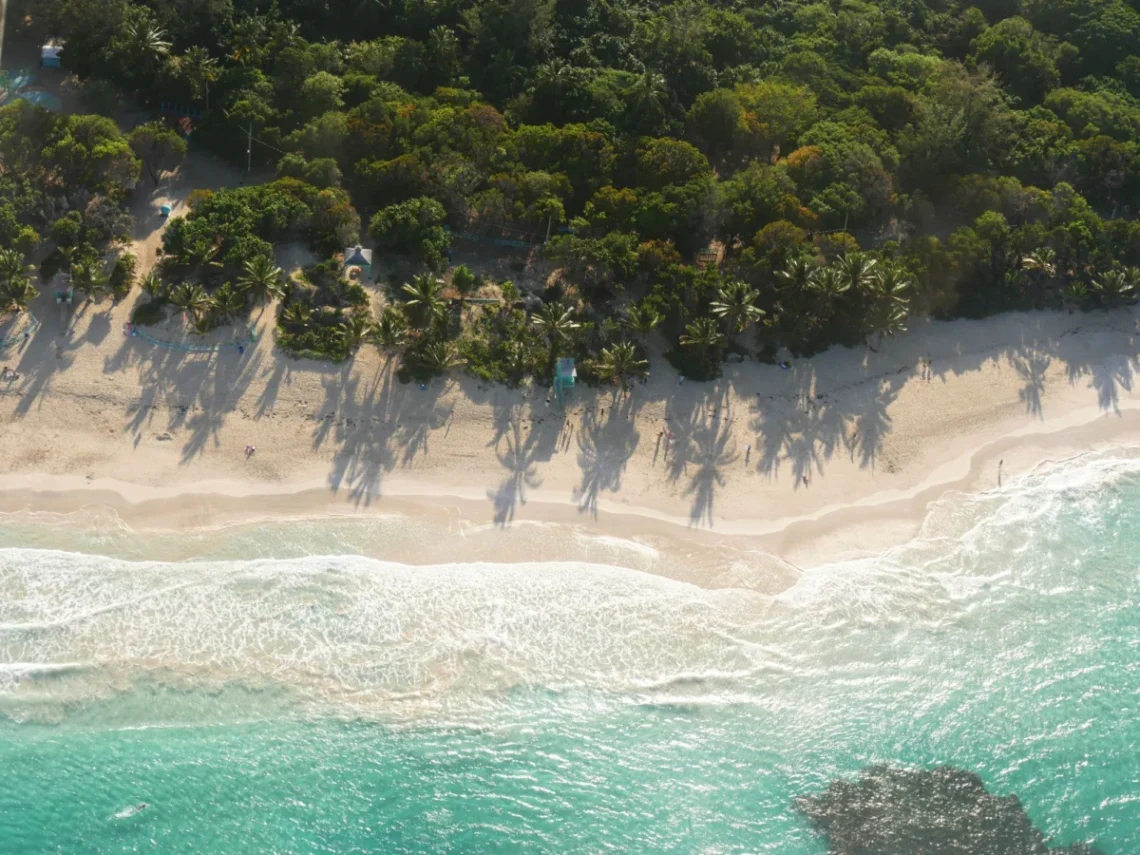
In the Caribbean, the definition of a "beautiful beach" often falls victim to a redundant trope: powdery white sand, turquoise water, and a lone palm tree. Yet, for the seasoned traveler, these visual markers eventually blur into a homogenous aesthetic. To find true beauty in the Caribbean—the kind that moves the spirit rather than just satisfying the lens of a camera—one must look for the exceptional. It is found in the unexpected blush of a pink-sand shore, the architectural drama of granite boulders, or the raw, unvarnished silence of an uninhabited cay.
This guide moves beyond the standard resort brochures to explore the top-tier, transcendental beaches of the Caribbean, examining why these specific locations have secured their status as the region’s most iconic coastal landmarks.
The Landscape of Luxury: Why We Categorize "Beautiful"
The designation of a "beautiful beach" is subjective, but geography and accessibility provide a clear framework for classification. The Caribbean’s most lauded beaches generally fall into three categories: The Curated Oasis, The Untouched Wilderness, and The Historical Landmark.

Chronology of Caribbean Coastal Development
The evolution of these beaches tracks the history of Caribbean tourism itself.
- 1970s–1980s (The Resort Boom): Destinations like Bavaro Beach in the Dominican Republic and Grace Bay in Turks & Caicos established the blueprint for large-scale, high-end tourism, emphasizing infrastructure and accessibility.
- 1990s–2000s (The Ecotourism Shift): Increased focus on environmental protection led to the safeguarding of areas like Trunk Bay (USVI) and Klein Bonaire, prioritizing natural preservation over human-centric development.
- 2010s–Present (The Exclusive Retreat): Modern travel trends now favor "under-the-radar" experiences. Locations such as Princess Diana Beach and Sandy Island are seeing a surge in popularity as travelers seek seclusion, even as high-end brands (like the upcoming Nobu Beach Inn) begin to cautiously develop these remote frontiers.
The Top Coastal Destinations: An Analysis
Princess Diana Beach, Barbuda: The Blush-Pink Frontier
Barbuda, the tranquil counterpart to the bustling Antigua, serves as the stage for Princess Diana Beach. This stretch of coast is defined by its distinctive blush-pink sand, a phenomenon created by the pulverized remains of foraminifera.
- Supporting Data: While the area remains largely undeveloped, the presence of Nobu—a high-end global hospitality brand—signifies a shift in the island’s luxury profile. With the Nobu Beach Inn scheduled for a 2027 debut, this region is transitioning from a day-trip destination into a high-end, overnight luxury hub.
Grace Bay, Turks & Caicos: The Gold Standard
Grace Bay consistently ranks as the most polished beach destination in the region.

- Implications: Its success is largely attributed to its three-mile expanse and the protective offshore reef that creates a natural, calm swimming pool. Unlike many private enclaves, Grace Bay maintains robust public access, ensuring that the luxury experience remains inclusive for day visitors, provided they are willing to navigate the high-end hospitality scene.
Little Bay, Anguilla: The Castaway’s Dream
Accessible only by boat or a precarious rope-assisted descent down limestone cliffs, Little Bay represents the antithesis of the resort-laden coast. It is a vital case study in the value of "friction-based" travel—where the difficulty of arrival increases the perceived value of the destination.
Flamenco Beach, Culebra: A Study in Juxtaposition
Flamenco Beach offers a unique narrative in Caribbean travel: the intersection of natural beauty and military history. The presence of two decommissioned U.S. Navy tanks, adorned with colorful graffiti, serves as an unintended art installation.
- Official Stance: Conservationists and local tourism boards have balanced the preservation of these relics as part of the local heritage, viewing them not as litter, but as a poignant reminder of Culebra’s evolution from a military training ground to an ecotourism sanctuary.
Trunk Bay, USVI: The Educational Shore
As part of the Virgin Islands National Park, Trunk Bay serves as a model for sustainable tourism.

- Infrastructure: The beach is famous for its underwater snorkeling trail, a structured, educational approach to reef exploration. By placing underwater markers that guide visitors through the marine ecosystem, the park ensures that human impact is localized and managed.
Supporting Data and Environmental Impact
The health of these beaches is directly tied to the health of the Caribbean Sea’s coral reefs. Beaches like No Name Beach (Bonaire) and Sandy Island (Grenada) are situated within protected marine parks.
| Beach | Primary Classification | Access | Development Level |
|---|---|---|---|
| Grace Bay | Luxury/Resort | Public | High |
| The Baths | Geological/Scenic | Moderate (Hiking) | Minimal |
| No Name Beach | Ecological/Diving | Boat Only | Zero |
| Bávaro Beach | Commercial/Resort | Easy | Very High |
The data indicates that the "untouched" status of beaches like No Name Beach is the primary driver of their value. Without the infrastructure found at Bávaro or Grace Bay, these locations rely on the influx of boat-based day-trippers to support the local economy, thereby avoiding the environmental degradation often associated with permanent shoreline construction.
Official Responses and Conservation Efforts
Tourism boards across the Caribbean have shifted their narrative in recent years. In the British Virgin Islands, the management of The Baths National Park has implemented strict visitor caps during peak hours to preserve the integrity of the granite boulders and the sensitive tidal pools.

Similarly, the Bahamian government’s cautious approach to the development of Tropic of Cancer Beach reflects a broader regional strategy. While luxury brands like Aman and Rosewood are encroaching on the Exumas, the official mandate is to integrate these developments into the landscape with minimal footprint. The implication is clear: the "unspoiled" nature of these beaches is the most valuable asset the region possesses, and its destruction would effectively devalue the entire tourism product.
Future Implications: The "Bragging Rights" Economy
The modern luxury traveler is moving away from the "all-inclusive" mass market and toward the "I was there before it was discovered" narrative.
The Tropic of Cancer Beach (Little Exuma) is the current epicenter of this trend. With major luxury brands preparing to enter the market, the next five years will be critical. If these developments proceed with the environmental sensitivity shown in the Virgin Islands, the region will continue to prosper. If they overdevelop, the transcendental quality of the beach—the very thing that makes it beautiful—will be compromised.

Conclusion: The Transcendental Experience
Ultimately, a beach becomes "beautiful" not through its amenities, but through its ability to provide a moment of silence in a loud world. Whether it is the granite labyrinths of The Baths, the stark, graffiti-marked history of Flamenco, or the quiet, blush-pink sands of Barbuda, these locations succeed because they offer a departure from the ordinary.
For the traveler, the imperative is clear: visit these places with a focus on conservation and respect. As we look toward 2027 and beyond, the preservation of these beaches as "transcendental" spaces will depend entirely on the balance between our desire to experience them and our commitment to leaving them exactly as they were found.