The modern automotive landscape is defined by consolidation. As crossover SUVs continue to swallow market share across virtually every segment, traditional sedans are fighting a fierce, survival-of-the-fittest battle. Yet, rather than abandoning the passenger car entirely, automakers like Hyundai are doubling down on what makes sedans appealing: sleek proportions, efficiency, daily drivability, and value.
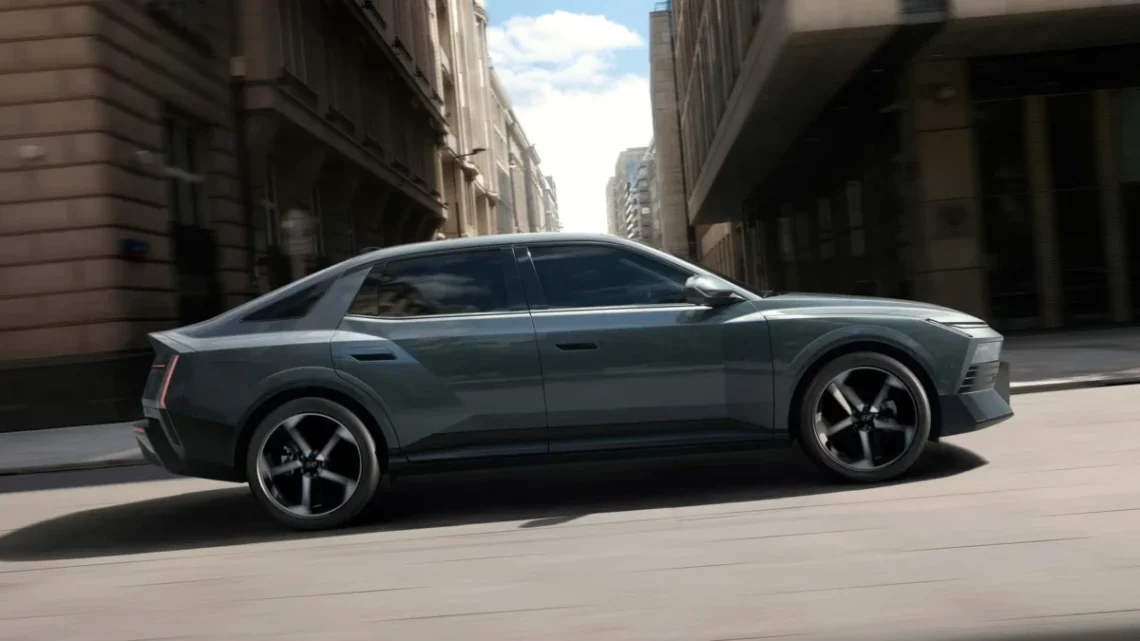
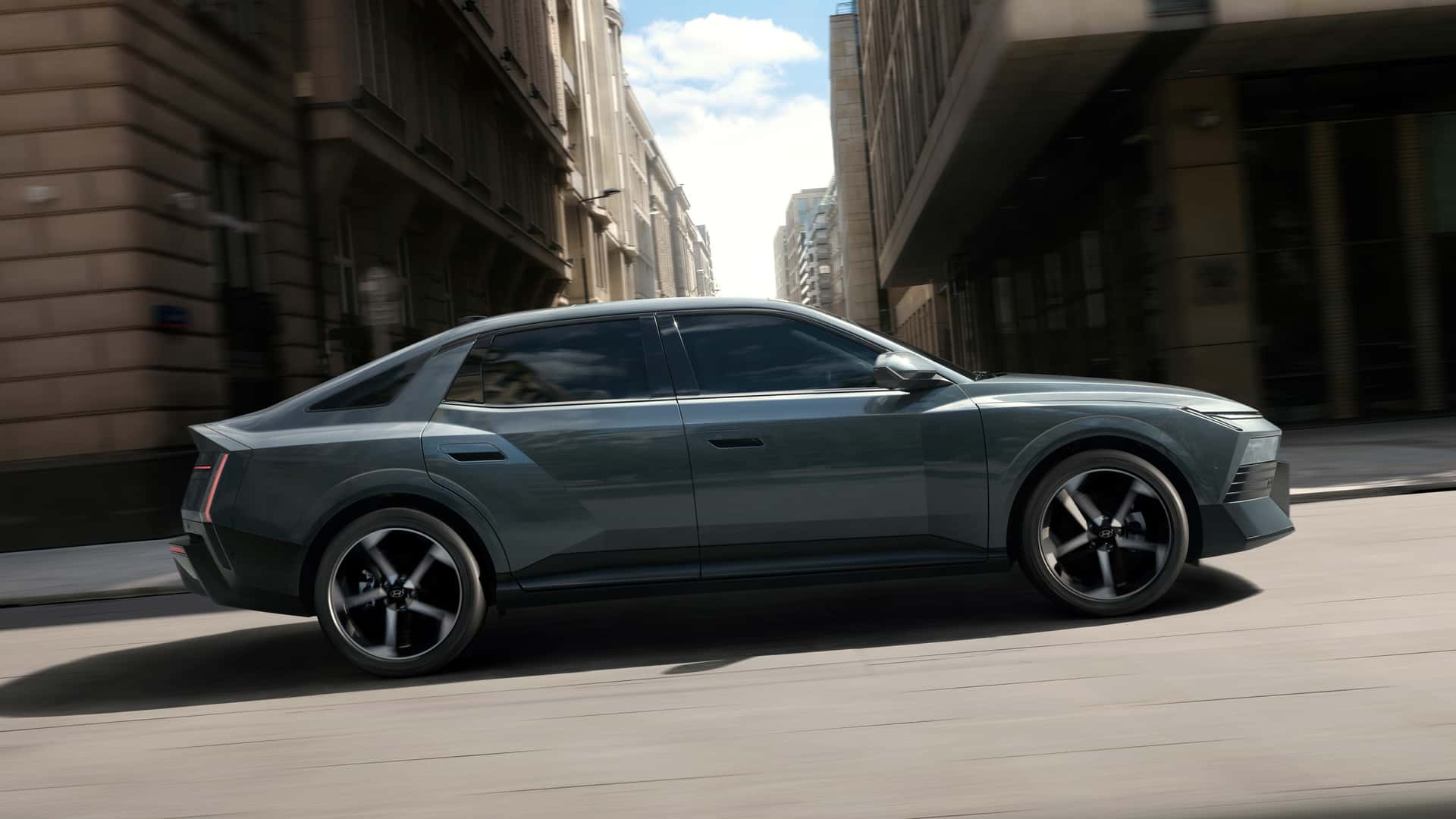
The upcoming Hyundai Elantra stands as a testament to this philosophy. Sporting Hyundai’s striking new "Art of Steel" design language—a tough, angular aesthetic that cleverly masks its traditional three-box sedan configuration—the next-generation Elantra promises to shake up the compact segment. However, newly surfaced details from Hyundai’s inner sanctum reveal that the compact car could have looked drastically different. During its intensive development cycle, designers and product planners seriously toyed with turning the Elantra into a fastback liftback à la Kia Stinger, and even contemplated introducing a practical wagon variant, before ultimately returning to their roots.
Main Facts: The Evolution of Hyundai’s Core Compact
At its core, the upcoming iteration of the Hyundai Elantra represents a comprehensive mechanical and dimensional overhaul over its predecessor.
- The Design Language: The vehicle adopts Hyundai’s "Art of Steel" exterior styling theme, characterized by bold, angular creases, aggressive lines, and a robust stance that challenges the traditional, often conservative boundaries of the compact sedan class.
- Dimensional Growth: The next-generation Elantra is significantly larger than the outgoing model. It measures 3.4 inches longer and 1.2 inches wider, while riding on a wheelbase stretched by an additional 1.2 inches.
- Interior Packaging: Capitalizing on its larger footprint, Hyundai has managed to carve out class-leading interior volume. Rear-seat passengers enjoy 39.1 inches of legroom, 56.5 inches of shoulder room, and 37.7 inches of headroom. Slimmer front seatbacks, standard rear air vents, and integrated USB-C charging ports further elevate passenger comfort.
- Powertrain Lineup: The Elantra will launch initially with a conventional gasoline powertrain utilizing a 2.0-liter naturally aspirated four-cylinder engine. Rated at 147 horsepower and 132 lb-ft of torque, it is paired with Hyundai’s Intelligent Variable Transmission (IVT) equipped with Shiftronic manual shifting capabilities.
- Hybrid Efficiency: Following the gas-only variant, a heavily revised hybrid model is slated to arrive for the 2028 model year. Upgrading from the previous 139-hp setup, the new 1.6-liter hybrid system bumps total system output to 155 horsepower. Mated to a responsive six-speed dual-clutch transmission, Hyundai is targeting an impressive combined fuel economy rating of up to 53 mpg.
Chronology: From Drawing Board Sketches to Production Reality
To understand how the Elantra reached its final form, one must retrace the chronological decision-making process that shaped its development pipeline.
Phase 1: Exploring Alternative Body Styles
During the early conceptual stages of the vehicle’s development, Hyundai’s design studio investigated alternative silhouettes to maximize utility and capture a broader audience. Inspired by the sleek, sloping rooflines of fastbacks and four-door coupes—most notably corporate cousin Kia’s acclaimed Stinger—designers sketched a large-liftback variant featuring a rear hatch extending from the apex of the roof. Concurrently, product planners evaluated the commercial viability of a traditional compact wagon variant.
Phase 2: Engineering Realities and Compromises
As the liftback and wagon proposals moved closer to feasibility studies, severe engineering hurdles emerged. Wind tunnel tests, acoustic evaluations, and interior packaging reviews revealed major shortcomings:
- The Headroom Dilemma: Sloping the roofline aggressively into a rear hatch severely compromised rear-seat passenger accommodation, cutting directly into vertical headroom and forcing rear passengers to contend with structural hinge intrusions.
- Acoustic and Weight Penalties: A massive glass liftgate requires heavy-duty hinges and structural reinforcements. Furthermore, large glass areas inherently allow more wind and road noise to penetrate the cabin, necessitating thick, heavy layers of sound-deadening insulation that would bloat the vehicle’s curb weight and blunt fuel efficiency.
- Cost Escalation: Developing specialized stamping dies, complex multi-link tailgate mechanisms, and unique glass molds for low-volume variants would drive up the final sticker price, running counter to the Elantra’s value-oriented mission.
Phase 3: Committing to the Three-Box Sedan
Weighing the pros and cons, executives ultimately pulled the plug on the liftback and wagon concepts. Hyundai opted to refine the traditional three-box sedan configuration, optimizing its proportions to achieve a dynamic profile without sacrificing interior comfort, cargo usability, or manufacturing economy.
Phase 4: Launch and Future Expansion Timeline
With the body style locked in, Hyundai directed its engineering efforts toward maximizing interior packaging and powertrain efficiency. The conventional 2.0L model is positioned to lead the rollout, setting the stage for the high-efficiency 1.6L hybrid variant in model-year 2028, ensuring the Elantra remains a formidable competitor in an evolving global market.
Supporting Data: Dimensions, Performance, and Efficiency Metrics
A closer examination of the specifications underscores the engineering compromises Hyundai successfully avoided by sidestepping the liftback layout:
| Metric | Gas-Powered Elantra | Elantra Hybrid (Target) | Outgoing Elantra |
|---|---|---|---|
| Engine Displacement | 2.0-Liter Naturally Aspirated I4 | 1.6-Liter Hybrid System | 2.0-Liter / 1.6-Liter Hybrid |
| Horsepower | 147 hp | 155 hp (Combined) | 147 hp / 139 hp |
| Torque | 132 lb-ft | Not Disclosed | 132 lb-ft / 195 lb-ft |
| Transmission | Intelligent Variable Transmission (IVT) | 6-Speed Dual-Clutch (DCT) | IVT / 6-Speed DCT |
| Rear Legroom | 39.1 inches | 39.1 inches | 38.0 inches |
| Rear Headroom | 37.7 inches | 37.7 inches | 37.3 inches |
| Combined MPG (Target) | ~35–40 mpg (Est.) | Up to 53 mpg | ~35–42 mpg |
By sticking to a traditional trunk architecture, Hyundai preserved critical millimeters of headroom while insulating the cabin against unwanted road resonance, achieving an interior quietness that a gaping hatchback opening would have made difficult to engineer on a budget.
Official Responses: Insights from Hyundai’s Leadership
In an exclusive interview with CarBuzz, Simon Loasby, head of Hyundai’s design center, candidly discussed the rationale behind scrapping the liftback design. Loasby explained how practical realities ultimately dictated the car’s final shape:
"It kills your rear headroom. So you lose a lot of headroom, you have three across the back, you’ve got the hinges encroaching. So that was the balance we tried to get."
Elaborating on the broader product strategy, John Simmons, Hyundai’s senior group manager for product planning, highlighted the company’s dedication to maintaining proven formulas while refusing to abandon the passenger car segment. Speaking on the high-performance flank of the lineup—including the beloved Elantra N, which continues to rely on a turbocharged 2.0-liter engine cranking out 276 horsepower via a six-speed manual gearbox—Simmons emphasized that Hyundai has no intention of walking away from enthusiast-focused sedans, even as industry trends shift toward electrification and high-riding crossovers.
Implications: What This Means for the Compact Car Market
Hyundai’s calculated retreat from the liftback and wagon segments carries profound implications for the automotive industry at large.
1. The Resilience of the Traditional Sedan
While competitors like Ford have completely abandoned traditional passenger cars in North America, and other brands phase out sedans in favor of subcompact crossovers, Hyundai’s steadfast commitment proves that sedans still possess vital strategic value. By making the new Elantra longer, wider, and more accommodating, Hyundai is positioning the car as a legitimate, spacious alternative to entry-level SUVs.
2. Prioritizing Practicality Over Fads
The temptation to chase trendy silhouettes—such as sleek four-door coupe-crossover hybrids or liftbacks—frequently leads automakers into compromising core automotive values like interior volume, cost efficiency, and noise suppression. By listening to its design and engineering teams rather than forcing a stylistic trend, Hyundai ensured the Elantra remains exceptionally comfortable for everyday families, ride-share drivers, and commuters.
3. Securing the Performance Niche
With the Elantra GT hatchback discontinued after the 2020 model year due to flagging consumer demand, the survival of the sedan body style has paradoxically paved the way for high-performance variants like the Elantra N. Unencumbered by the extra weight, structural compromises, and cost penalties of a complex hatchback tailgate, the Elantra platform remains agile, rigid, and dynamically sound—traits that enthusiasts celebrate on both street and track.
As the automotive world races toward an uncertain electrified future, the next-generation Hyundai Elantra demonstrates that sometimes the smartest path forward is refining the fundamentals. By resisting the lure of the liftback, Hyundai has built a more comfortable, quieter, and mechanically sound compact car that proves the traditional sedan still has plenty of life left in it.