For sustainability professionals, the task of calculating Product Carbon Footprints (PCFs) has long been the industry’s version of "accounting purgatory." It is a labor-intensive, data-hungry process that requires meticulously tracking the raw materials, energy consumption, and logistics of every individual SKU in a company’s portfolio. However, a new wave of…

-
-
As the global regulatory landscape for corporate sustainability shifts from voluntary disclosure to rigorous accountability, a significant trend has emerged: companies are no longer treating their carbon inventories as static snapshots. Instead, they are increasingly viewing them as living, evolving data sets. As Greenhouse Gas (GHG) emissions data collection systems…
-
In the landscape of modern corporate strategy, "sustainability" was long synonymous with carbon accounting, supply chain transparency, and ESG reporting. It was a practice of measuring the past to inform the future. However, a volatile confluence of "wild card" events—unexpected, high-impact disruptions—is rapidly rendering those backward-looking metrics obsolete. From the…
-
The opinions expressed here by Trellis expert contributors are their own, not those of Trellis. For many corporate sustainability officers and supply chain managers, the arrival of Extended Producer Responsibility (EPR) legislation feels less like a regulatory milestone and more like an impending financial storm. Much like navigating the complexities…
-
In an era where consumer goods manufacturers are under unprecedented pressure to minimize their environmental footprint, a new initiative has emerged to quantify—and reward—the benefits of miniaturization. NSF, the global public health and safety organization, has officially launched its “Certified Compact Product” label, a first-of-its-kind certification designed to validate products…
-
In a move that underscores the widening gap between corporate climate ambition and operational reality, retail giant Target has officially downgraded its long-term emission reduction goals. The company, which operates nearly 2,000 stores across the United States, announced in its latest annual sustainability report that it is pushing its net-zero…
-
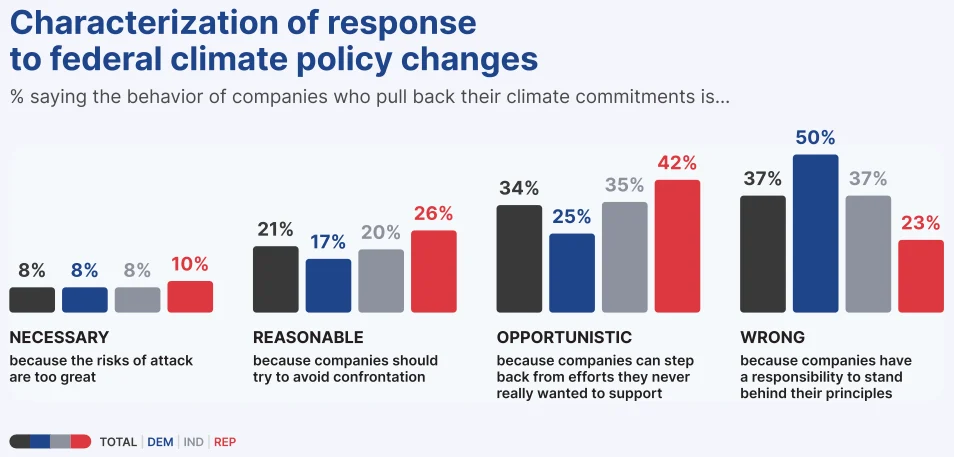
For years, the corporate boardroom has viewed climate action through a lens of political trepidation. As the U.S. political landscape grew increasingly polarized, many companies adopted a "silent strategy," fearing that public commitments to sustainability would alienate conservative consumers or trigger backlash from political figures. However, a groundbreaking new study…