By Global Affairs Desk
Published: October 26, 2026
Main Facts
For years, the cornerstone of Donald Trump’s regional foreign policy relied on a calculated retreat from traditional multilateral alliances, pivoting instead toward the consolidation of a Western Hemisphere stronghold. While Washington’s broader international interventions often faced steep diplomatic resistance and erratic outcomes, its Latin American strategy appeared, until recently, to be quietly succeeding.
By cultivating relationships with a network of right-wing populist leaders, business-friendly administrations, and hardline security practitioners across the continent, the White House sought to build a compliant bloc of client states. These regional governments mimicked Washington’s signature blend of corporate favoritism and mano dura (iron fist) domestic governance, creating a zone of ideological alignment that isolated progressive and liberal nations.
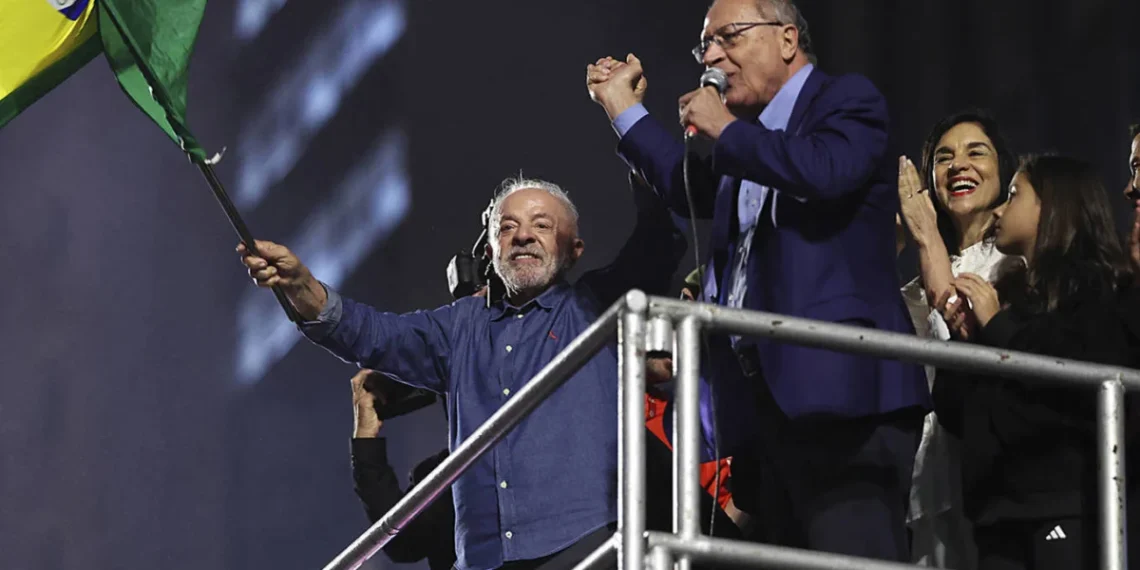
However, this grand geopolitical blueprint suffered a fatal blow in Rio de Janeiro. The presidential election victory of Luiz Inácio Lula da Silva in Brazil has effectively shattered the foundation of Washington’s hemispheric ambitions. Brazil—by virtue of its sheer geographic size, economic weight, and geopolitical leadership—was always the ultimate prize in South America. With the far-right’s defeat at the ballot box, Trump’s regional strategy lies in tatters, leaving the White House scrambling to adjust to a vastly different diplomatic reality in Latin America.
Chronology of a Regional Shift
To understand the magnitude of the shift represented by Lula’s return to power, it is necessary to examine the timeline of political realignment that characterized the region over the preceding decade.
1. The Rightward Wave (2018–2021)
The resurgence of conservative and far-right governance in Latin America began in earnest with the election of Jair Bolsonaro in Brazil in late 2018. Bolsonaro’s ascent mirrored the populist rhetoric of Washington, emphasizing national sovereignty, a transactional approach to trade, skepticism toward multilateral environmental frameworks, and aggressive rhetoric against left-wing adversaries. During this period, the White House found eager partners not only in Brasilia but also through various conservative administrations across the region, creating a cohesive, right-leaning axis designed to counter Chinese economic influence and marginalize progressive governments in countries like Venezuela and Cuba.
2. The Progressive Counter-Tide (2022–2024)
The regional pendulum began to swing back rapidly as the socioeconomic fallout of the COVID-19 pandemic and global inflation exposed structural inequalities across Latin America. Citizens increasingly rejected incumbent administrations held responsible for economic hardship. This period witnessed a sequence of progressive electoral victories, dubbed the second "pink tide," which swept leaders into office in Chile, Colombia, and Honduras. These administrations prioritized regional integration, environmental protections, and independent foreign policies that actively resisted taking cues from Washington.
3. The Brazilian Watershed (October 2026)
The defining moment of this geopolitical realignment culminated in the high-stakes Brazilian presidential election. As Latin America’s economic engine and most populous nation, Brazil’s political trajectory holds disproportionate sway over the entire continent. Lula’s hard-fought campaign focused on democratic restoration, social inclusion, and the reintegration of Brazil into global multilateral forums. The defeat of the far-right incumbent not only upended domestic politics in Brasília but also severed the vital link in Washington’s chain of regional client states.
Supporting Data and Geopolitical Metrics
The implications of Brazil’s political pivot are underscored by hard economic and geopolitical data that illustrate the country’s central role in the Western Hemisphere:
- Economic Scale: Brazil accounts for roughly 35% of South America’s total Gross Domestic Product (GDP), making its macroeconomic policies a crucial driver of regional trade and investment.
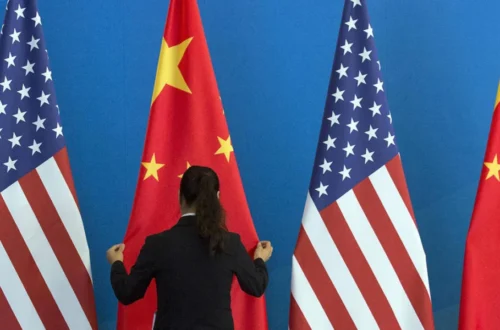
- Trade Dynamics: While the United States remains a vital trading partner, China has solidified its position as Brazil’s primary export destination—particularly for commodities like soy, iron ore, and oil. A progressive administration in Brasília is expected to maintain pragmatic, non-aligned commercial ties with Beijing, frustrating Washington’s containment strategies.
- Multilateral Influence: As a founding member of BRICS and a traditional leader in organizations like the Organization of American States (OAS) and MERCOSUR, Brazil under Lula possesses the diplomatic clout to rally other South American nations toward independent foreign policies, directly challenging U.S. hegemony in the region.
- Environmental Diplomacy: Brazil controls the majority of the Amazon rainforest. The transition from a climate-skeptic administration to one committed to environmental protection radically alters global climate negotiations and opens avenues for European and multilateral cooperation that bypass U.S. unilateralism.
Official Responses and Diplomatic Fallout
The aftermath of the Brazilian election has triggered swift reactions from capitals across the Americas and beyond, highlighting the deep divisions over the future of hemispheric relations.
Washington’s Measured Silence and Strategic Reassessment
Official statements from the U.S. State Department offered standard, diplomatic congratulations to the Brazilian people on a successful democratic election, avoiding overt commentary on the geopolitical setback for the administration’s strategy. However, behind closed doors, diplomatic analysts and foreign policy experts acknowledge that the White House is facing a severe strategic deficit. The assumption that Latin America could be easily managed through transactional deals with ideologically aligned strongmen has proven untenable.
Reactions from Latin American Capitals
In the region, the response has been polarized. Progressive leaders in Bogotá, Santiago, and Mexico City warmly welcomed Lula’s victory, viewing it as a historic opportunity to forge a unified Latin American voice independent of external pressures. Conversely, remaining conservative factions and business elites in the Southern Cone expressed concern over potential shifts in economic regulation, signaling a tense domestic political landscape within Brazil that could constrain Lula’s executive agenda.
Beijing and Brussels
International observers in Europe and Asia viewed the election as a stabilizing force for international norms. European capitals anticipate renewed cooperation on environmental accords, while Beijing views the outcome as an affirmation of a multipolar global order where middle powers like Brazil can navigate relations between competing superpowers without subordination.
Implications for the Future of U.S. Foreign Policy
The failure of Washington’s Latin America strategy forces a fundamental reassessment of how the United States engages with its southern neighbors. The era of attempting to enforce ideological compliance through pressure and the cultivation of autocratic-leaning allies has reached a dead end.
1. The Limits of Transactional Diplomacy
The events in Brazil demonstrate that domestic populations in Latin America increasingly reject governance models based purely on personalized strongman politics and elite-driven agendas. Future U.S. administrations will be forced to rebuild relationships based on mutual respect, institutional cooperation, and long-term economic partnership rather than ideological affinity.
2. Navigating Great Power Competition
With Brazil charting an independent course, Washington’s efforts to curb Chinese economic and technological influence in South America will become significantly more complex. Brazilian leadership will likely champion a policy of "active non-alignment," engaging constructively with both the United States and China to maximize national interests. Consequently, the U.S. must offer compelling economic and development alternatives rather than demands for geopolitical exclusivity.
3. A Resurgent Multilateralism
Lula’s return signals a revival of robust regional multilateralism. Organizations such as UNASUR and CELAC are likely to gain renewed traction as platforms for Latin American nations to coordinate policies on trade, security, and climate change without heavy-handed U.S. oversight. Washington will need to adapt to a diplomatic environment where it is treated as a partner among equals rather than the undisputed hegemon of the hemisphere.
Conclusion
The defeat of the far right in Brazil is more than a domestic political transition; it is a structural turning point for hemispheric affairs. As the dust settles in Rio de Janeiro and Brasília, the architects of Washington’s foreign policy are left to confront a sobering reality: the attempt to wall off and control the Western Hemisphere through ideological proxy has failed. Moving forward, the United States must navigate a more pluralistic, independent, and assertive Latin America—one that refuses to be cornered into client-state subservience.