
In the horological landscape, few lineages command as much respect as Seiko’s professional diving collection. Since the introduction of the brand’s first mechanical Prospex Diver with a GMT function in 2023, Seiko has been on a relentless mission to perfect this specific design architecture. The latest chapter in this story arrives with the launch of the non-limited references HBC001 and HBC002, two timepieces that represent the most refined, capable, and ergonomically advanced iterations of the 1968 Heritage Diver’s GMT platform to date.
Main Facts: The New Standard-Bearers
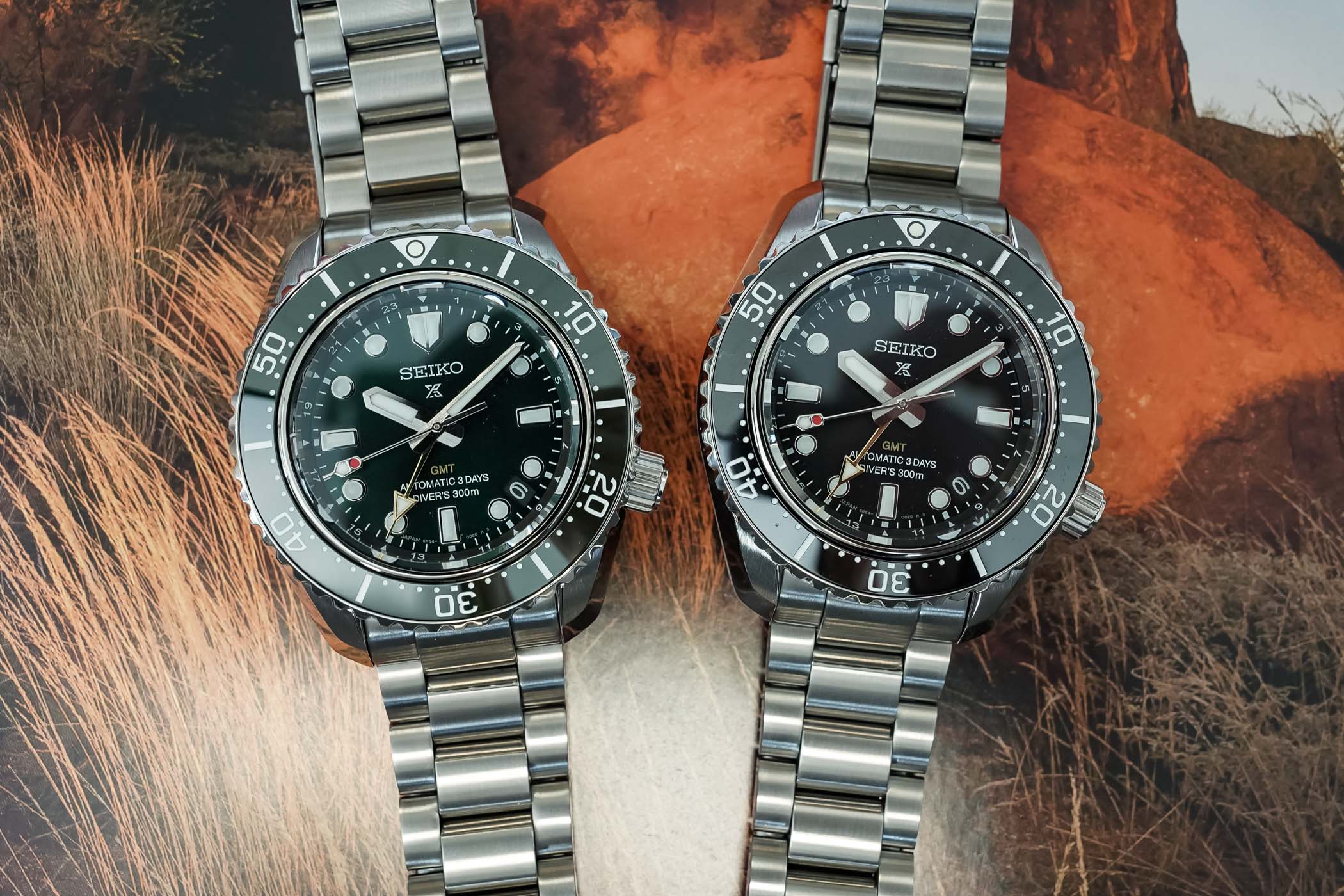
The new references, the HBC001 (presented in a stealthy, classic black) and the HBC002 (finished in a striking, rich green), serve as the definitive successors to the inaugural SPB381 and SPB383 models. While they maintain the design DNA that watch enthusiasts have come to associate with the 1968 re-interpretation, these models are not merely aesthetic updates; they are functional evolutions.
The most significant headline for these new models is the upgrade in water resistance to 300 meters, a 100-meter improvement over the original GMT releases. This shift aligns the watch more closely with its professional roots, bridging the gap between a high-end "desk diver" and a piece of legitimate sub-aquatic equipment. Furthermore, the inclusion of a sophisticated micro-adjustable clasp—a feature previously reserved for higher-tier or limited-edition models—solidifies the collection’s status as a top-tier daily wearer.
A Chronology of the 1968 Heritage GMT
To understand the significance of the HBC001 and HBC002, one must look at the rapid, iterative progression Seiko has employed over the last 18 months.
The journey began in 2023 with the SPB381 and SPB383, which broke new ground by bringing the Calibre 6R54 movement into a Prospex diver case. This was a watershed moment for Seiko, as it combined the brand’s most iconic 1968 case geometry with the utility of a GMT hand.
Following the initial launch, Seiko engaged in a period of "controlled experimentation." They released the 60th Anniversary SPB509, which showcased the brand’s ability to celebrate heritage through specific commemorative design cues. This was closely followed by the "Seashadow" SPB534, a black-and-gold iteration that leaned into a more luxury-oriented aesthetic. The release of the white-dialled SPB519 further proved the versatility of the case design, testing how light-colored dials would play against the sharp, angular facets of the 1968-inspired housing.
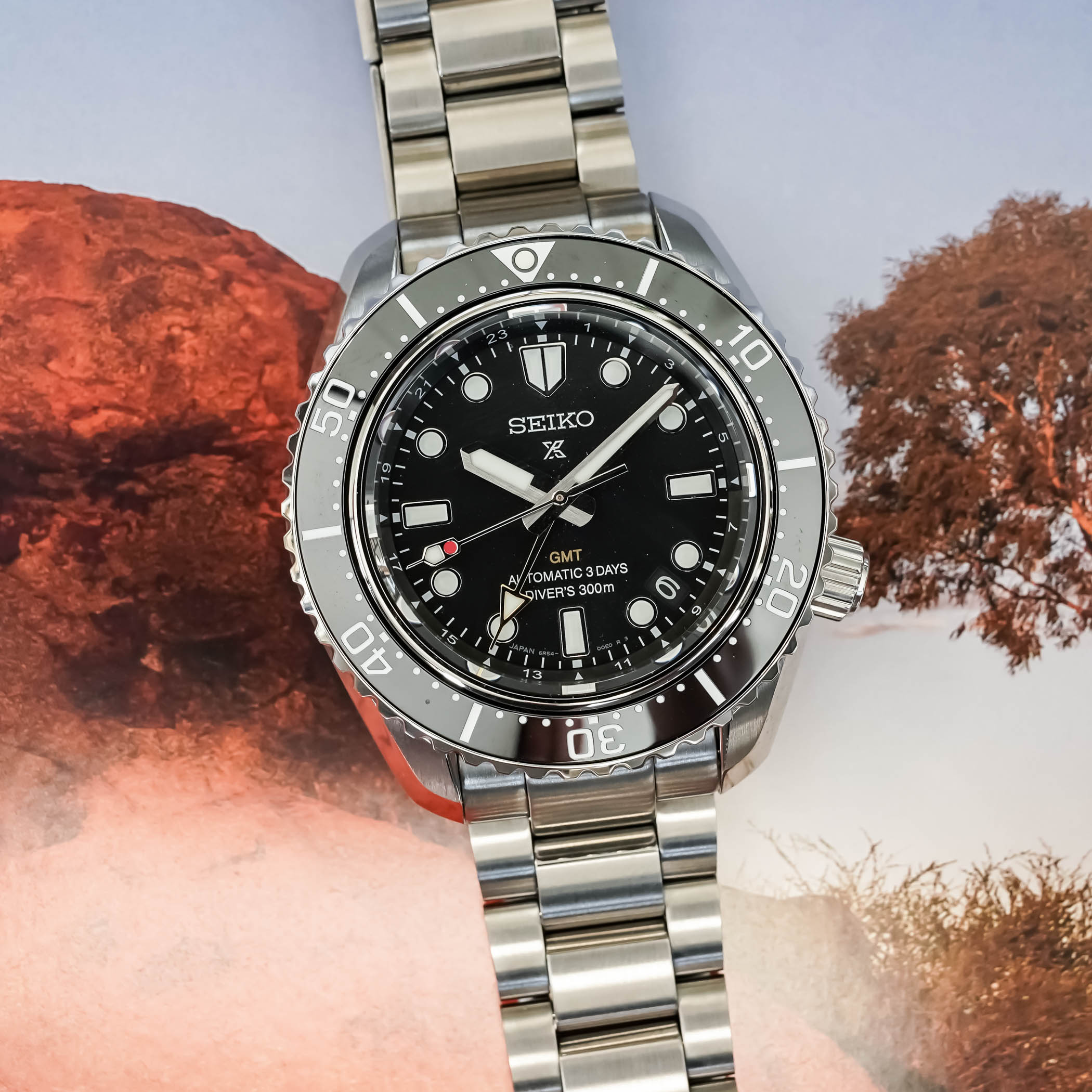
Now, with the HBC001 and HBC002, Seiko has consolidated these lessons. They have stripped away the "limited edition" exclusivity and the thematic color schemes to focus on what the core collector base has demanded: a robust, reliable, and perfectly wearable tool watch in the most versatile colorways possible.
Technical Specifications and Performance
At the heart of these timepieces remains the robust Calibre 6R54. This in-house movement is the engine that drives the GMT complication, offering an "office-style" or "caller" GMT function. This allows the wearer to independently adjust the 24-hour hand, making it an ideal companion for travelers who need to track a second time zone without disturbing the precision of the primary timekeeping hands.
Movement Precision and Architecture
- Calibre: 6R54 Automatic
- Vibrations: 21,600 vibrations per hour (3 Hz)
- Power Reserve: 72 hours (three full days)
- Functionality: Hacking seconds, manual winding, and independent GMT hand adjustment.
The case dimensions remain the "Goldilocks" size for a modern professional diver: 42mm in diameter, 13.3mm in thickness, and a 48.6mm lug-to-lug measurement. This geometry is directly derived from the 1968 professional diver, balancing a presence on the wrist with the necessary heft to denote durability. The mirror-polished surfaces contrast with the brushed stainless steel, while the deeply knurled, unidirectional ceramic bezel provides tactile feedback that is arguably among the best in the price segment.

The Ergonomic Revolution: The New Clasp
Perhaps the most "meaningful" upgrade is one that is often overlooked in spec sheets but felt every time the watch is worn. The redesigned three-fold clasp now features a six-step slide-adjustment mechanism. This allows for approximately 15mm of tool-free extension, accommodating everything from a wetsuit sleeve to the natural expansion of the wrist during a hot summer day. By integrating this into a non-limited production model, Seiko has effectively raised the bar for what consumers should expect at the sub-EUR 2,000 price point.
Official Perspectives and Market Positioning
Seiko’s strategy with the Prospex 1968 Heritage Diver’s GMT has been one of transparent refinement. By replacing the inaugural 2023 models with the HBC001 and HBC002, the brand is signaling a commitment to longevity. They are not chasing trends; they are refining a permanent collection staple.
While Seiko executives rarely comment on specific sales figures, the decision to migrate high-end features—such as the 300m rating and the refined clasp—down to these standard references suggests a strategic pivot. Seiko recognizes that the "enthusiast market" is increasingly sophisticated, prioritizing technical utility over mere aesthetics. By offering these upgrades in the standard catalog, they are effectively "future-proofing" their most popular mid-range diver.
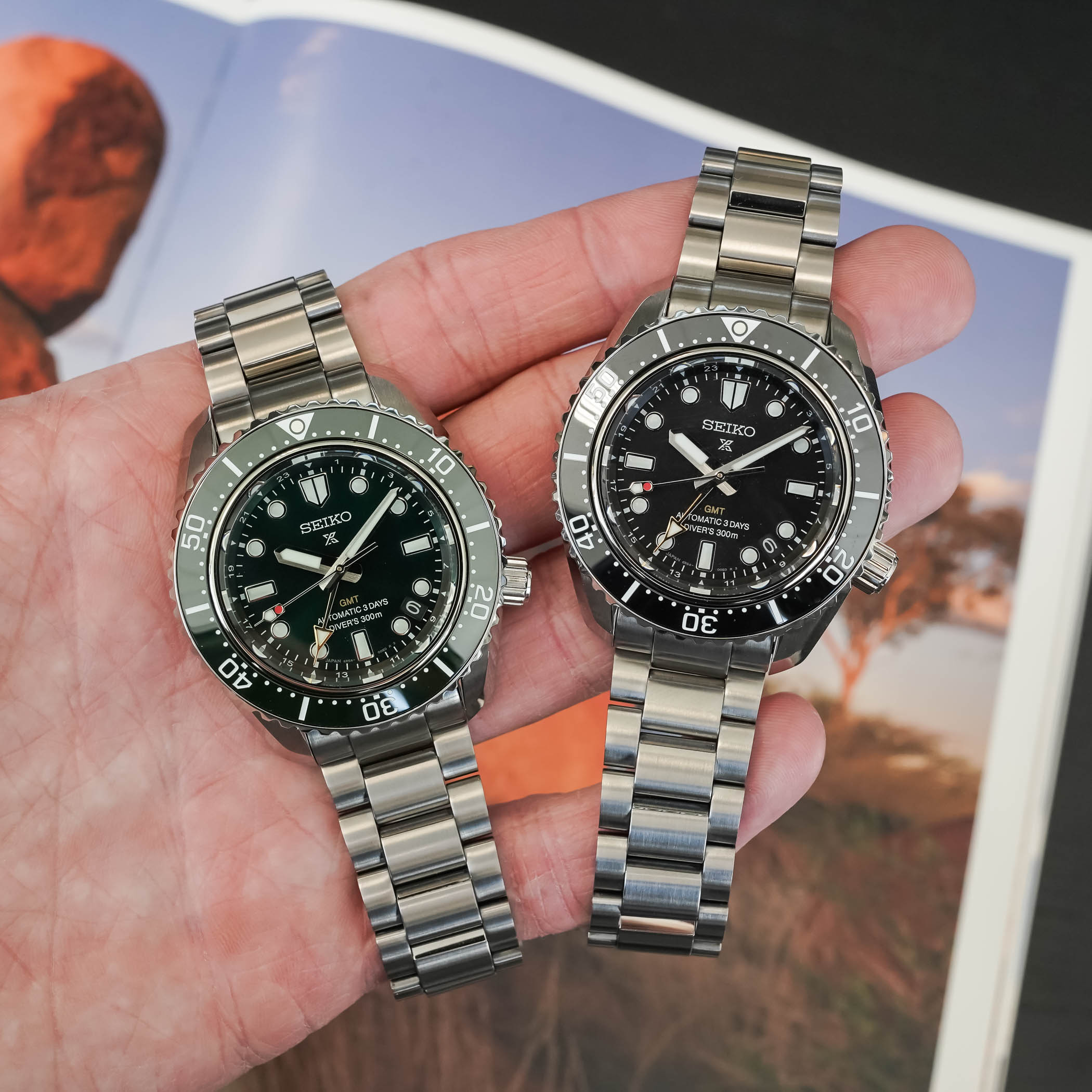
Implications for the Industry
The release of the HBC001 and HBC002 carries several implications for the broader watch industry:
- The Death of the "Standard" Diver: The days of a 200m water resistance being the "standard" for serious divers are fading. As manufacturing processes improve, 300m is becoming the new baseline for professional-grade, mass-produced luxury divers.
- Micro-Adjustability as a Requirement: The inclusion of a 15mm tool-free micro-adjustment on a bracelet is no longer a "nice-to-have" luxury; it is becoming a baseline expectation for any watch priced above EUR 1,500. Brands that fail to include this will find it increasingly difficult to compete with Seiko’s value proposition.
- The "Office GMT" vs. "True GMT" Debate: Seiko continues to stand by the 6R54 caller GMT movement. While some purists argue for "True" (flyer) GMT movements, the 72-hour power reserve and reliability of the 6R54 make it a far more practical choice for the vast majority of consumers who prioritize reliability over the complexity of a jumping local hour hand.
Conclusion: A New Baseline
The Seiko Prospex 1968 Heritage Diver’s GMT HBC001 and HBC002 represent a pinnacle of sorts. They are the realization of years of feedback, testing, and subtle adjustments. By stripping back the complications of limited-edition themes and focusing on the core virtues of the 1968 design—legibility, durability, and ergonomic comfort—Seiko has created a pair of watches that are essentially beyond reproach.
Whether you choose the understated black of the HBC001 or the vibrant, deep green of the HBC002, you are acquiring a timepiece that honors a legendary ancestor while embracing the best of modern horological engineering. At EUR 1,900, these watches aren’t just an entry point into the world of Prospex; they are likely the only dive watch many collectors will ever truly need. In a market often obsessed with the next "new" thing, Seiko has demonstrated that sometimes, the best innovation is simply the patient, methodical perfection of an existing icon.