In the shadow of Mexico’s high-octane tourist magnets—the turquoise expanses of the Riviera Maya and the celebrity-studded cliffs of Cabo San Lucas—lies a region that remains profoundly, almost defiantly, itself. Veracruz, a slender, rugged state stretching along the Gulf of Mexico, has long been a historical footnote for many international travelers. It is remembered primarily as the landing point for Spanish conquistadors and as a utilitarian hub for oil and shipping. Yet, for those willing to venture four hours east of the frenetic energy of Mexico City, Veracruz offers a landscape of towering green mountains, dark volcanic sands, and a culinary heritage so rich it is currently being reclaimed by the country’s most celebrated modern chefs.
Lucho Martínez, the visionary founder behind Mexico City’s Michelin-starred restaurant Em, views his home state not as a place to be bypassed, but as the heartbeat of Mexican gastronomy. For Martínez, whose childhood began in the southern Veracruz city of Coatzacoalcos, the region is a repository of ingredients that define the authentic Mexican palate—vanilla, coffee, and ancient heirloom produce that remain largely ignored by the global food industry.
The Archaeology of Stillness: A Morning at El Tajín
The experience of Veracruz is best captured on a quiet Sunday morning at the El Tajín archaeological site. Unlike the overcrowded walkways of Chichén Itzá, the entrance to El Tajín is characterized by a hum of local commerce—vendors selling intricately embroidered dresses and hand-glazed ceramics. Once past the threshold, the noise dissolves into a profound silence.
"When I come during the week, it’s completely empty," Martínez notes, gesturing toward the main pyramid. This structure, a masterpiece of Totonac engineering, features six dramatic terraces adorned with 365 carved niches—a literal calendar in stone, set against a backdrop of undulating, emerald-green hills. The sensation is one of timelessness; it feels less like a tourist destination and more like a secret kept by the earth itself.

A Culinary Pilgrimage: From Bean to Table
The recent resurgence of interest in Veracruz is being driven by a new generation of culinary architects who are looking to the state’s source material. Martínez, who sources nearly 90 percent of his restaurant’s ingredients—including the finest vanilla—from this region, is on a mission to rebrand the state’s perception.
"Nobody talks about its vanilla or its coffee," Martínez says. "We treat them as commodities, but they are the soul of the region."
The Vanilla Trail
Our journey began in the town of San Rafael, a locale uniquely marked by its 19th-century French immigrant history. We arrived at Gaya, a multi-generational vanilla farm operated by a family of Italian descent who arrived in 1873. Here, the process is artisanal and deliberate.
Martínez demonstrates the quality of the product with the precision of a jeweler, pressing a glistening, dark brown pod between his fingers. "Good flexibility is the hallmark of gourmet quality," he explains. In the farm’s fragrant, climate-controlled drying room, the myth of Madagascar—often cited as the world’s vanilla capital—is dismantled. Veracruz, we are reminded, was the original cradle of vanilla cultivation, a fact that remains a point of pride for the local farmers who continue to tend to the orchids with ancestral care.

The Art of the Gordita
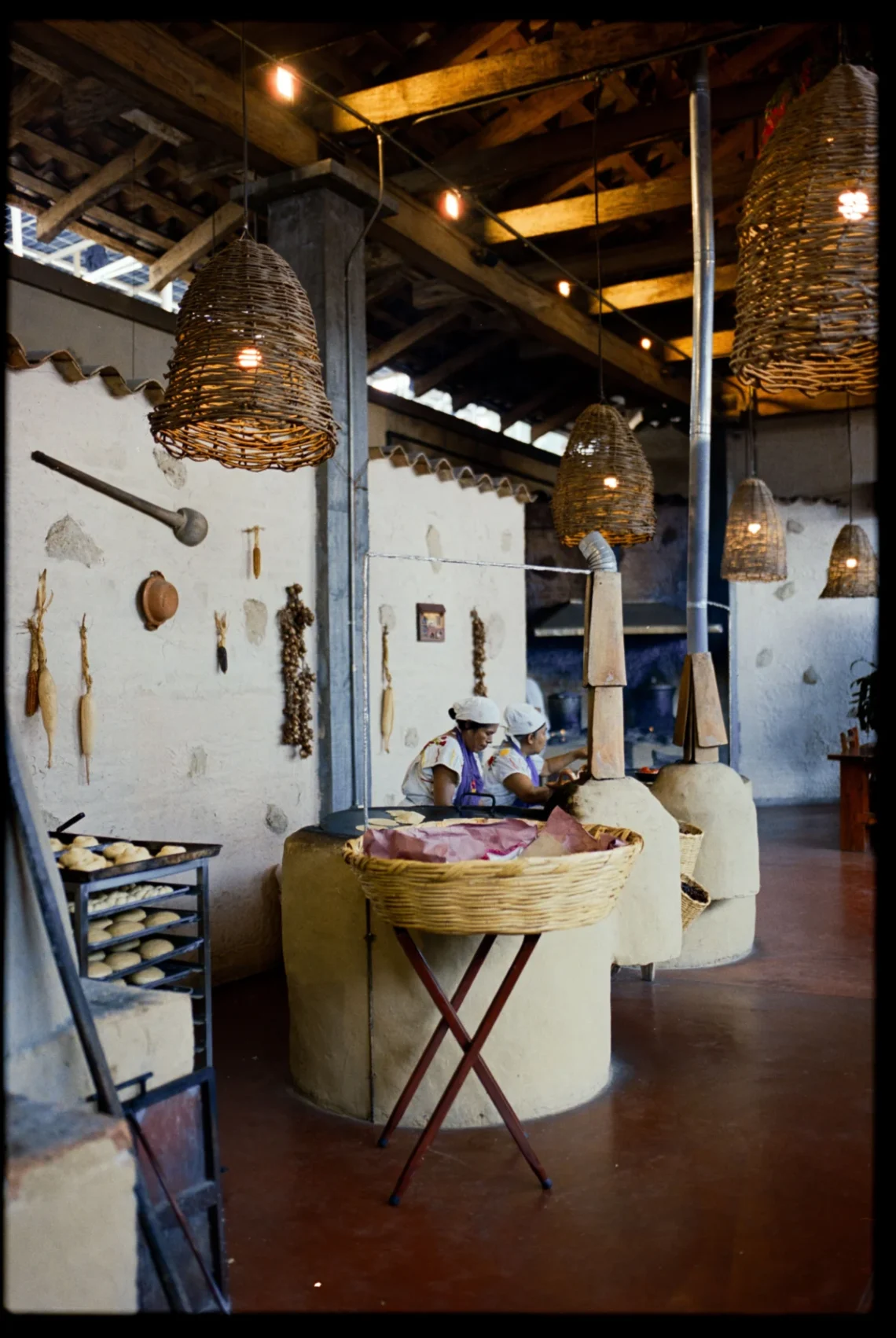
The culinary heart of the trip beat loudest in the city of Gutiérrez Zamora. At La Galera, an unassuming, open-air café, the menu serves as a masterclass in regional simplicity. Plates of cheese empanadas, molotes (crispy, deep-fried corn masa pockets), and gorditas arrived at our wooden table, accompanied by the persistent whir of overhead fans slicing through the coastal humidity.
For Martínez, these dishes are not mere snacks; they are the foundation of high-end innovation. His signature dish at Em—a crispy, delicate gordita topped with crème fraîche and caviar—is a direct homage to this humble breakfast staple. It represents a bridge between the street-side tradition of Veracruz and the refined expectations of a Michelin-starred establishment.
Chronology of a Regional Revival
To understand the current state of Veracruz, one must view it through the lens of its shifting economic and cultural landscape:
- 19th Century: French immigrants settle in the San Rafael area, introducing European agricultural techniques that eventually blend with indigenous farming methods.
- Early 2000s: Veracruz is primarily viewed through an industrial lens—a hub for oil refineries and international shipping, overshadowing its agricultural and tourism potential.
- 2020: Chef Lucho Martínez relocates his restaurant Em in Mexico City, cementing his status as a Michelin-recognized pioneer who insists on sourcing ingredients exclusively from Veracruz.
- 2024–2026: A boutique hospitality boom, led by brands like Grupo Habita, begins to repurpose 19th-century estates into design-focused retreats, signaling a shift toward sustainable, luxury tourism.
Supporting Data: The Agricultural Wealth of Veracruz
Veracruz occupies a unique ecological niche in Mexico. Its diverse climate—ranging from tropical coastal lowlands to temperate mountainous highlands—allows for a bounty of produce that is difficult to replicate elsewhere.

- Vanilla Production: While Madagascar dominates the global market volume, Veracruz remains the primary source for the high-end Planifolia variety, prized by top chefs for its floral, complex aromatic profile.
- Coffee Yields: The state is one of Mexico’s top three coffee producers. The high-altitude plantations in the central mountains provide a distinct, acidic, and bright profile that has recently become the focus of third-wave coffee shops in Mexico City.
- Biodiversity: The proximity of the Gulf of Mexico to the Sierra Madre Oriental creates a microclimate that supports year-round harvests, ensuring that the ingredients found in the local mercados are rarely imported.
Hospitality and the "Forgotten" Luxury
The logistical challenges of reaching Veracruz—a four-hour drive from Mexico City or a three-hour transit from the local airport—have acted as a filter. This relative isolation has preserved the authenticity of the experience.
Accommodations such as Maison Couturier and Hotel Azúcar represent a new philosophy in Mexican hospitality. These properties avoid the "all-inclusive" model that defines the Riviera Maya. Instead, they offer a quiet, design-conscious aesthetic. At Hotel Azúcar, located on the Costa Esmeralda, the experience is stripped of artifice. There are no crowded pool bars or aggressive entertainment schedules. Instead, there is the charcoal-hued sand, the sound of the Gulf, and the simple luxury of fresh prawns grilled over an open flame by local cooks.
Implications for Future Tourism
The "forgotten" nature of Veracruz is, in many ways, its greatest asset. However, as chefs like Martínez continue to put the region on the map, there is an inherent tension between preservation and the inevitable rise in tourism.
The local government and regional stakeholders are currently weighing how to promote this growth without eroding the quietude that makes the region so distinct. The focus, according to industry observers, remains on "niche" travel: culinary tours, archaeological study, and sustainable eco-lodges. By positioning Veracruz as a destination for the "conscious traveler"—one who cares about the provenance of their coffee and the history of the Totonac people—the region hopes to avoid the pitfalls of over-tourism that have plagued other parts of the country.

Conclusion
Veracruz stands at a crossroads. It is a region that has long been defined by what it exports—oil, cargo, and labor—rather than what it keeps for itself. Yet, as we stood at the base of the pyramids at El Tajín, watching the sunlight catch the carvings of the 365 niches, the message was clear: this is a place that does not need to shout to be heard.
For the traveler willing to exchange the all-inclusive resort for the local gordita stand, and the manicured beach for the wild, volcanic coast, Veracruz offers something increasingly rare in the modern world: a sense of place that is unscripted, deeply authentic, and entirely its own. It is not so much a "forgotten" state as it is a well-kept secret, waiting for those who appreciate the quiet beauty of a land left to its own devices.