Main Facts
The history of American watchmaking is a foundational chapter in global industrial history, defined by mass production, democratization, military necessity, and independent craftsmanship. For centuries, European horology—anchored primarily in Switzerland, Germany, and Great Britain—treated timepieces as painstakingly handmade, exorbitantly expensive curiosities. Components were crafted bespoke for individual pieces, meaning a broken part required a master watchmaker to custom-file a replacement.
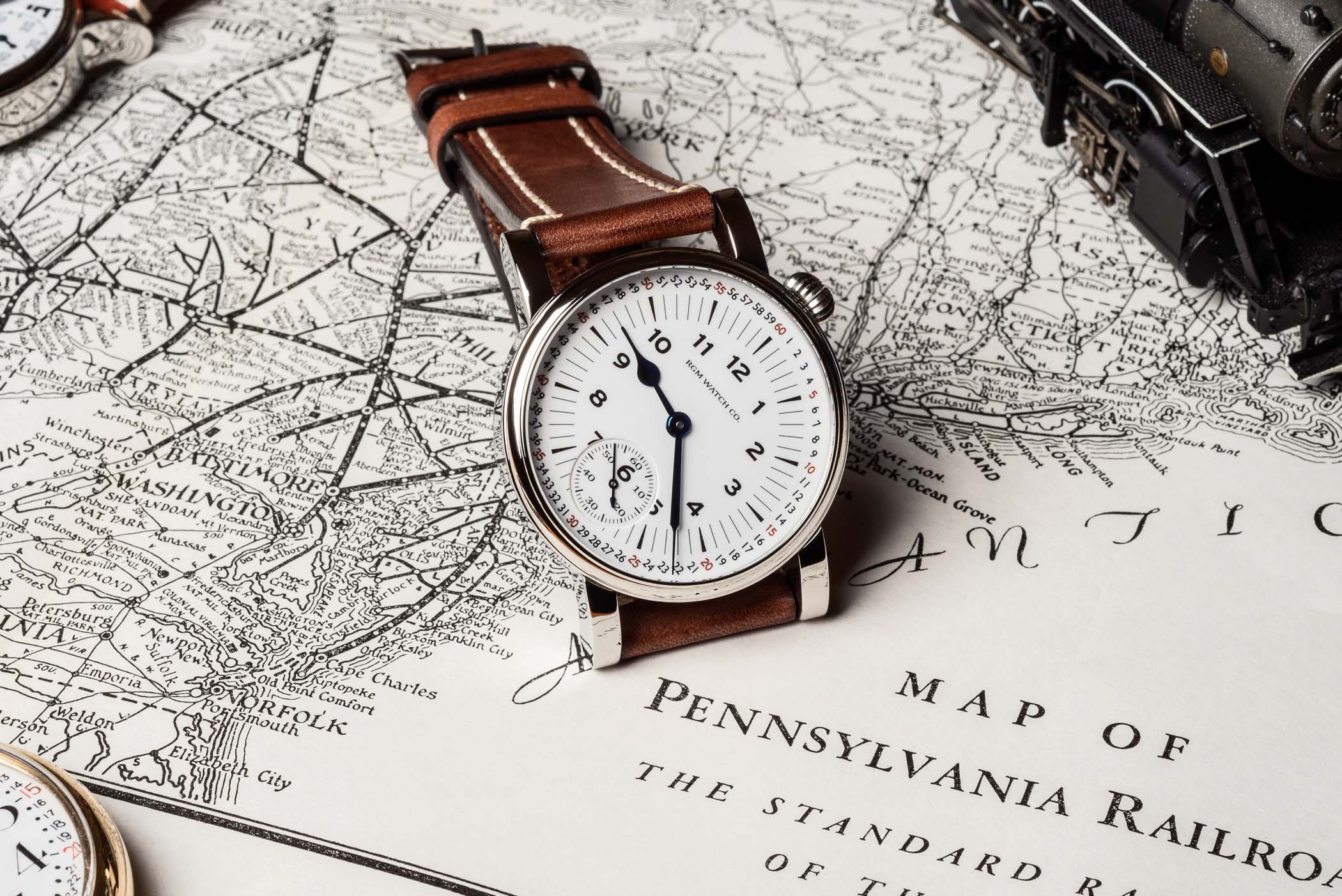
All of this changed in the mid-19th century through the birth of the American System of Watch Manufacturing. By adopting the automated machinery and interchangeable parts pioneered by the American firearms industry—most notably at the Springfield Armory—visionary entrepreneurs transformed pocket watches from elite luxury items into everyday tools for the masses.
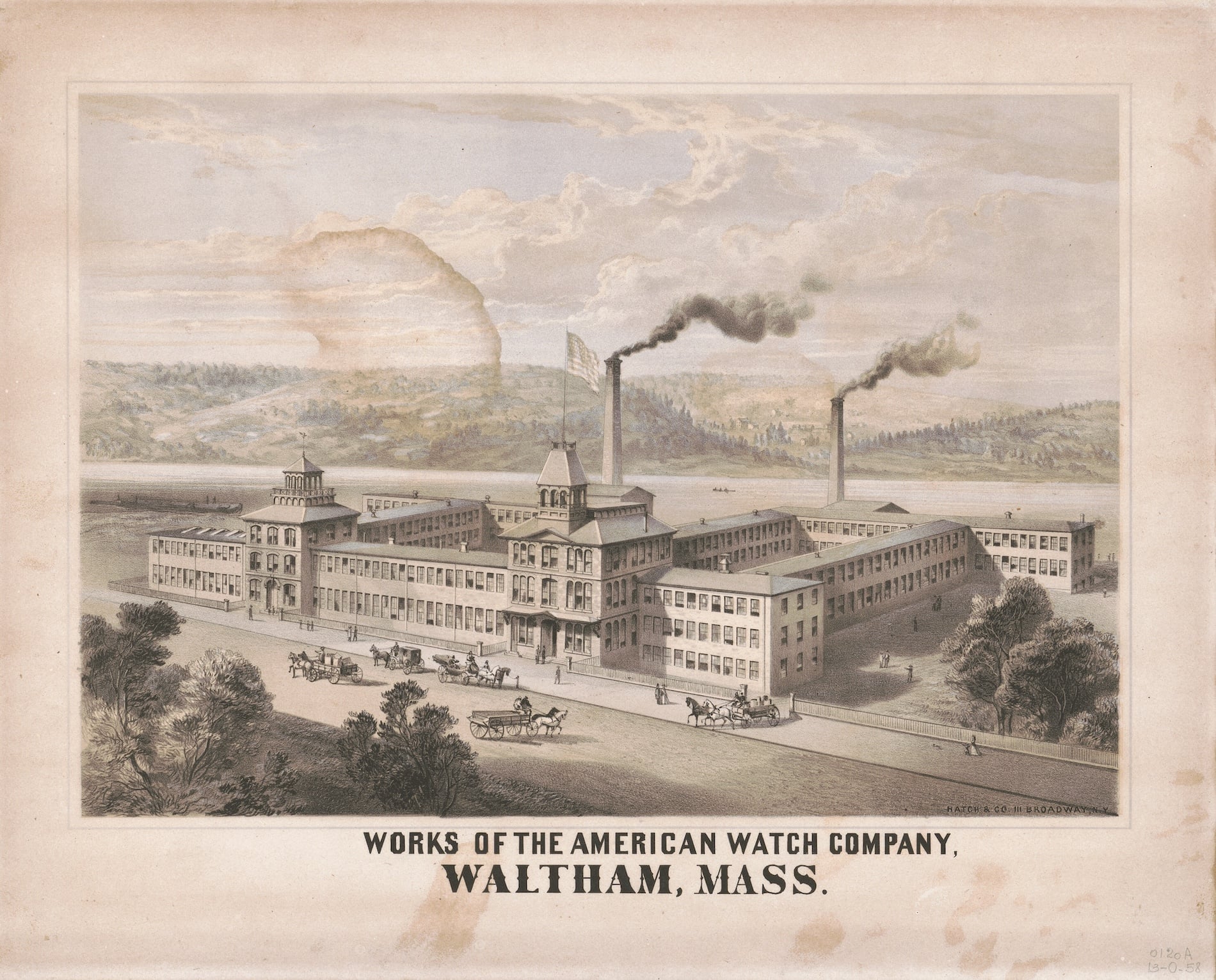
Pioneered by industrial giants like Waltham, Ingersoll, Hamilton, Elgin, and Bulova, the American watch industry eventually succumbed to the economic pressures of World War II and the subsequent rise of quartz technology. Yet, the 21st century has witnessed a remarkable domestic renaissance, spearheaded by high-end independent watchmakers proving that American horology is once again a force to be reckoned with.
Chronology: A Timeline of American Horology
1. The Genesis of Mass Production (1830s–1850s)
- 1838: Brothers Henry and James Pitkin develop early watchmaking machinery capable of producing interchangeable movements, manufacturing roughly 900 watches by 1845.
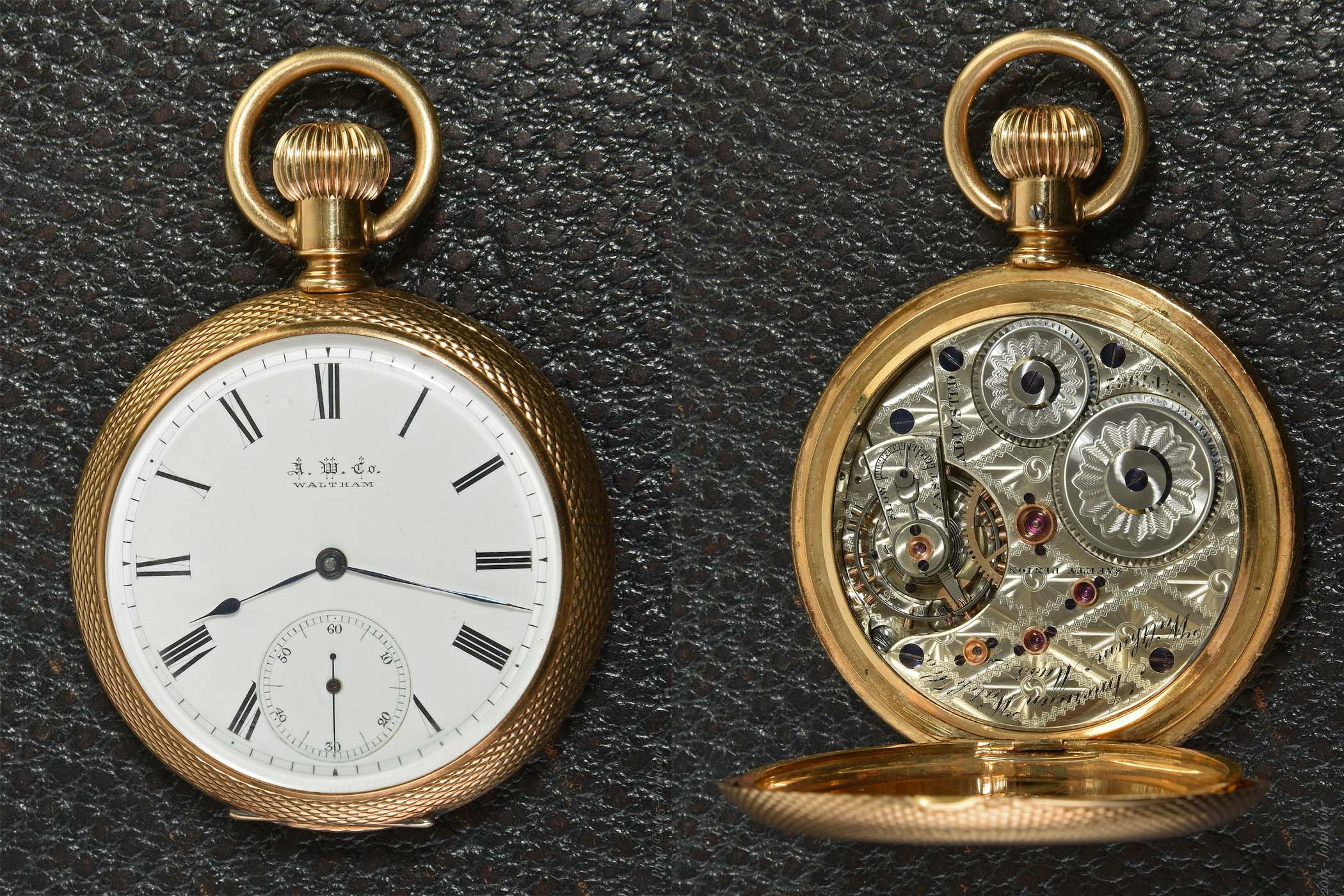
- 1850: Aaron Dennison and Edward Howard establish a factory in Roxbury, Massachusetts, laying the groundwork for what would become the American Waltham Watch Company.
- 1852: The Warren Manufacturing Company begins mass-producing 30-hour watches.
2. The Golden Age and Industrial Scaling (Late 19th Century)
- 1864: The National Watch Company (later Elgin National Watch Company) is founded in Illinois, eventually operating the largest watch factory in the world.
- 1875: Joseph Bulova opens a jewelry and repair shop in New York City, expanding into industrial watch production by 1911.
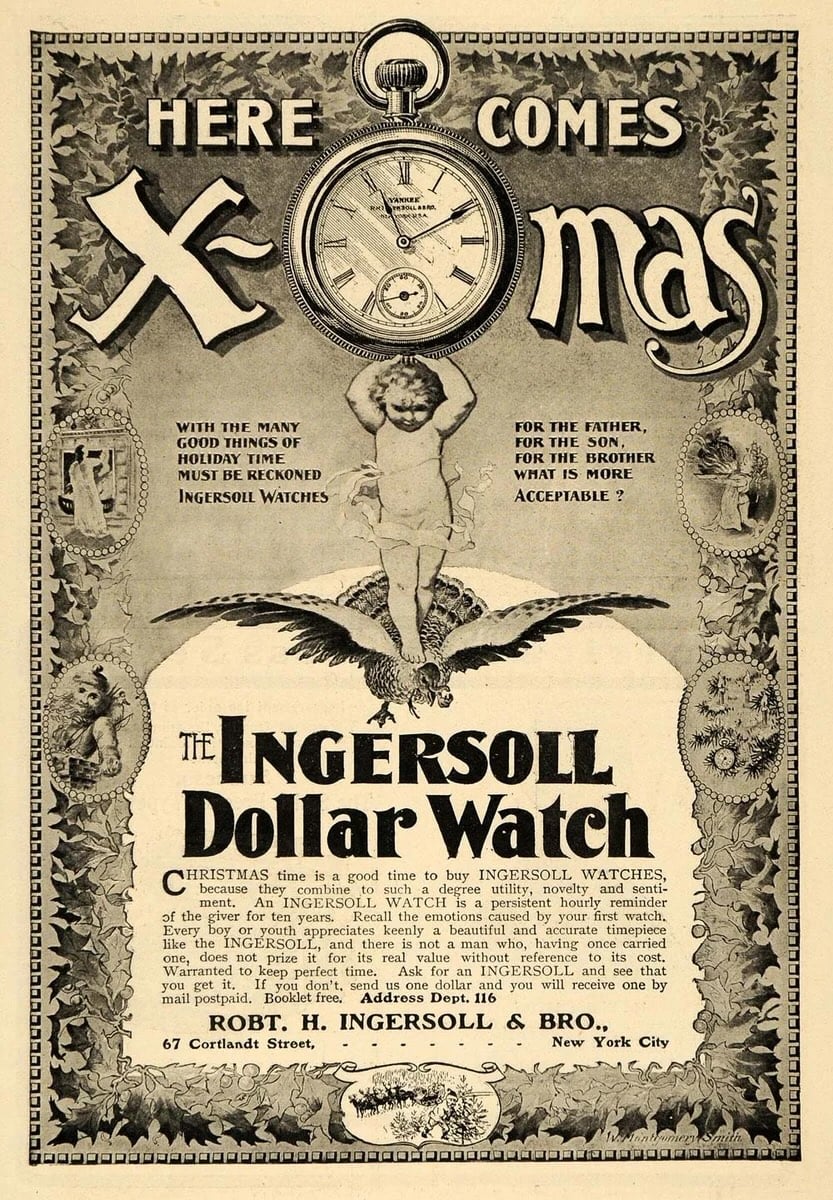
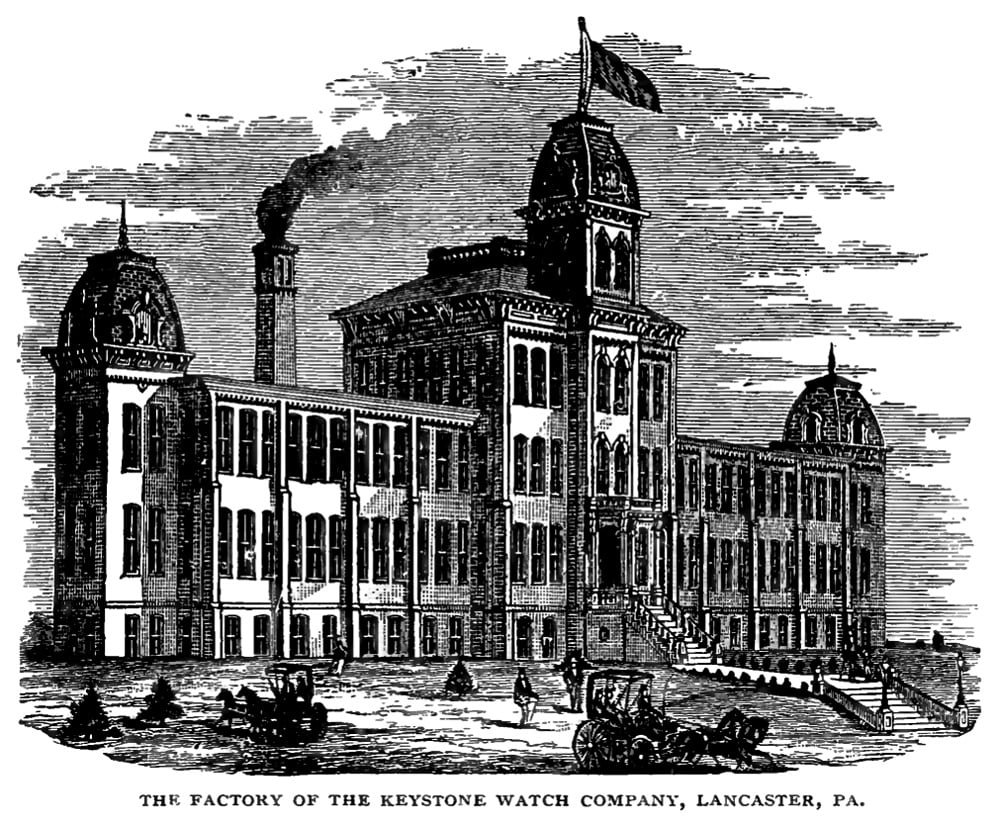
- 1892: The Ingersoll Watch Company is founded, introducing the groundbreaking "Dollar Watch" in 1896. Hamilton Watch Company is established in Lancaster, Pennsylvania, out of the remnants of the Keystone Standard Watch Company.
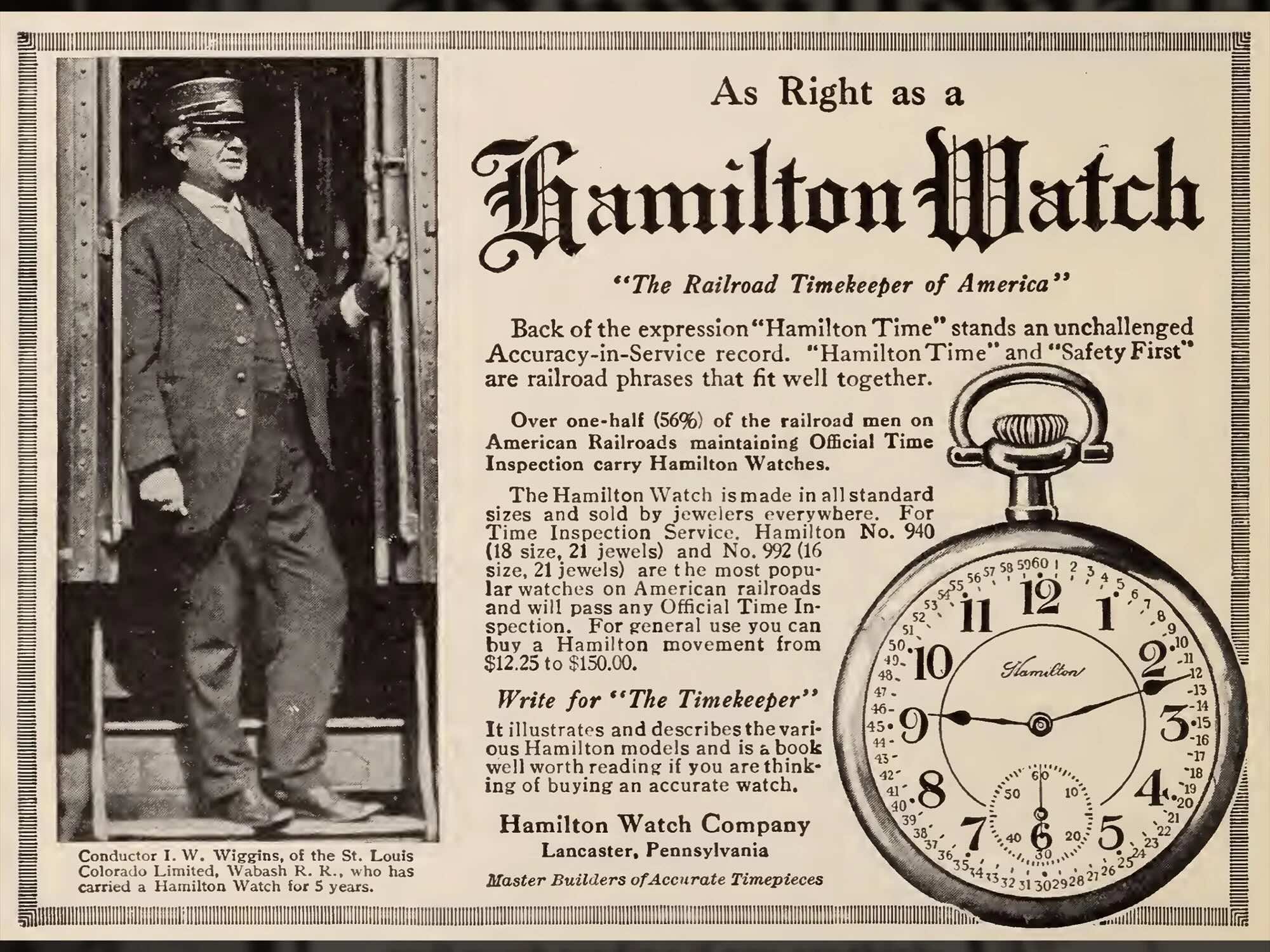
- 1899: Hamilton releases the Broadway Limited, marketed as the "Watch of Railroad Accuracy."
3. Wartime Innovation and Global Expansion (1910s–1940s)
- 1910: Elgin opens its astronomical observatory to track star movements for precision timekeeping.
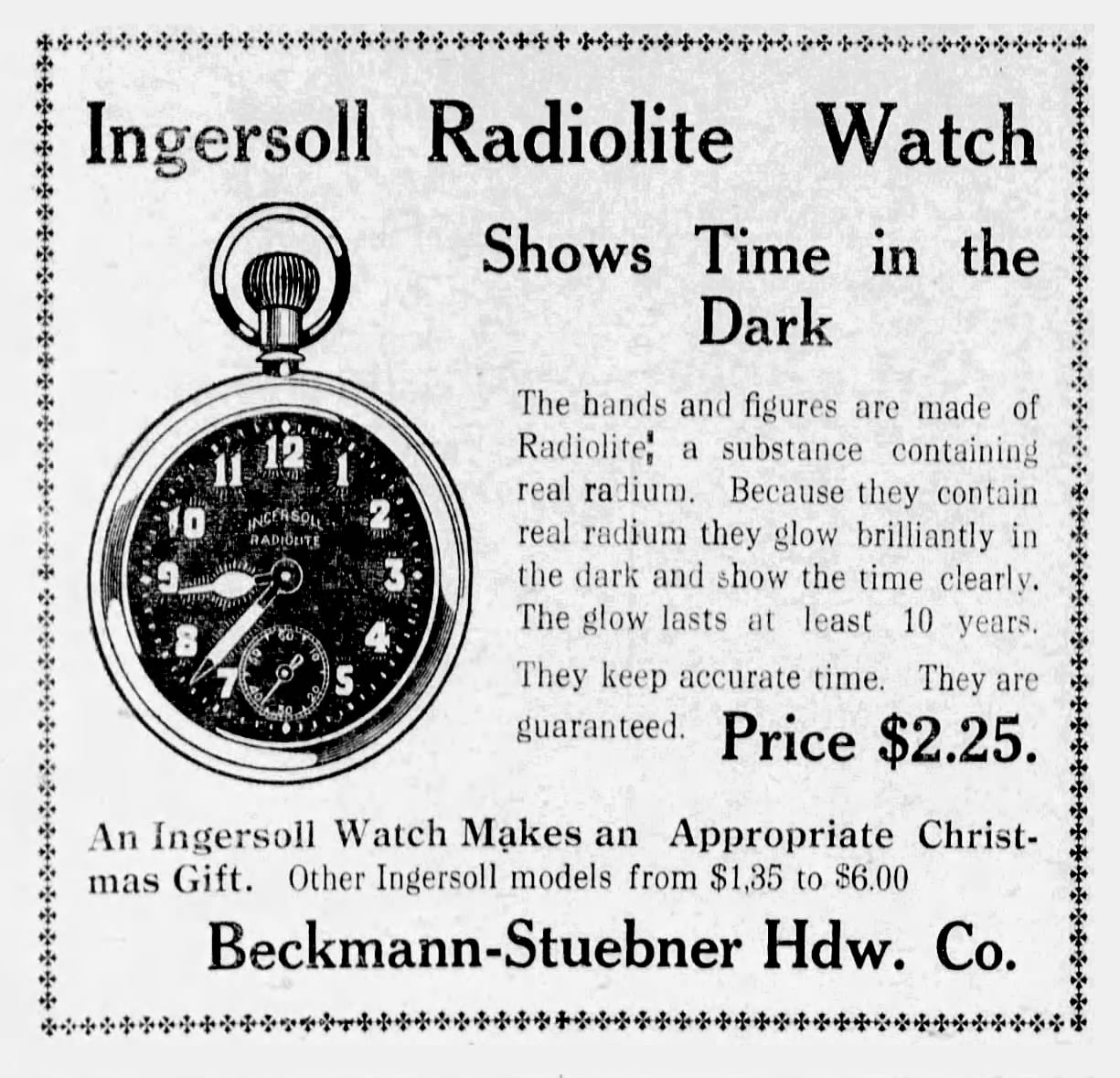
- 1916: Ingersoll introduces the Radiolite, the first mass-produced affordable watch with radioluminescent paint.
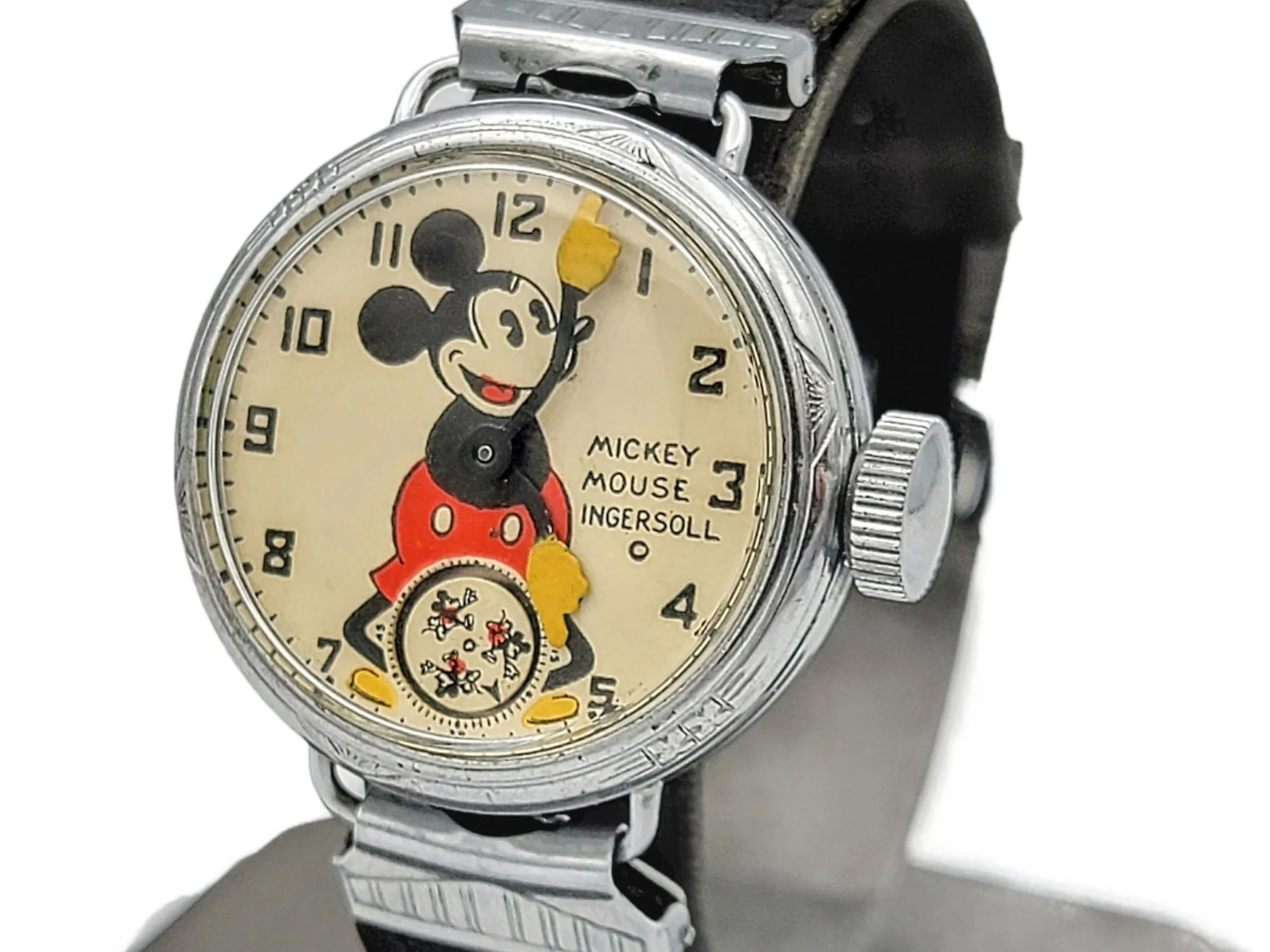
- 1933: During the depths of the Great Depression, Ingersoll-Waterbury partners with Disney to release the iconic Mickey Mouse watch, saving both companies from financial collapse.
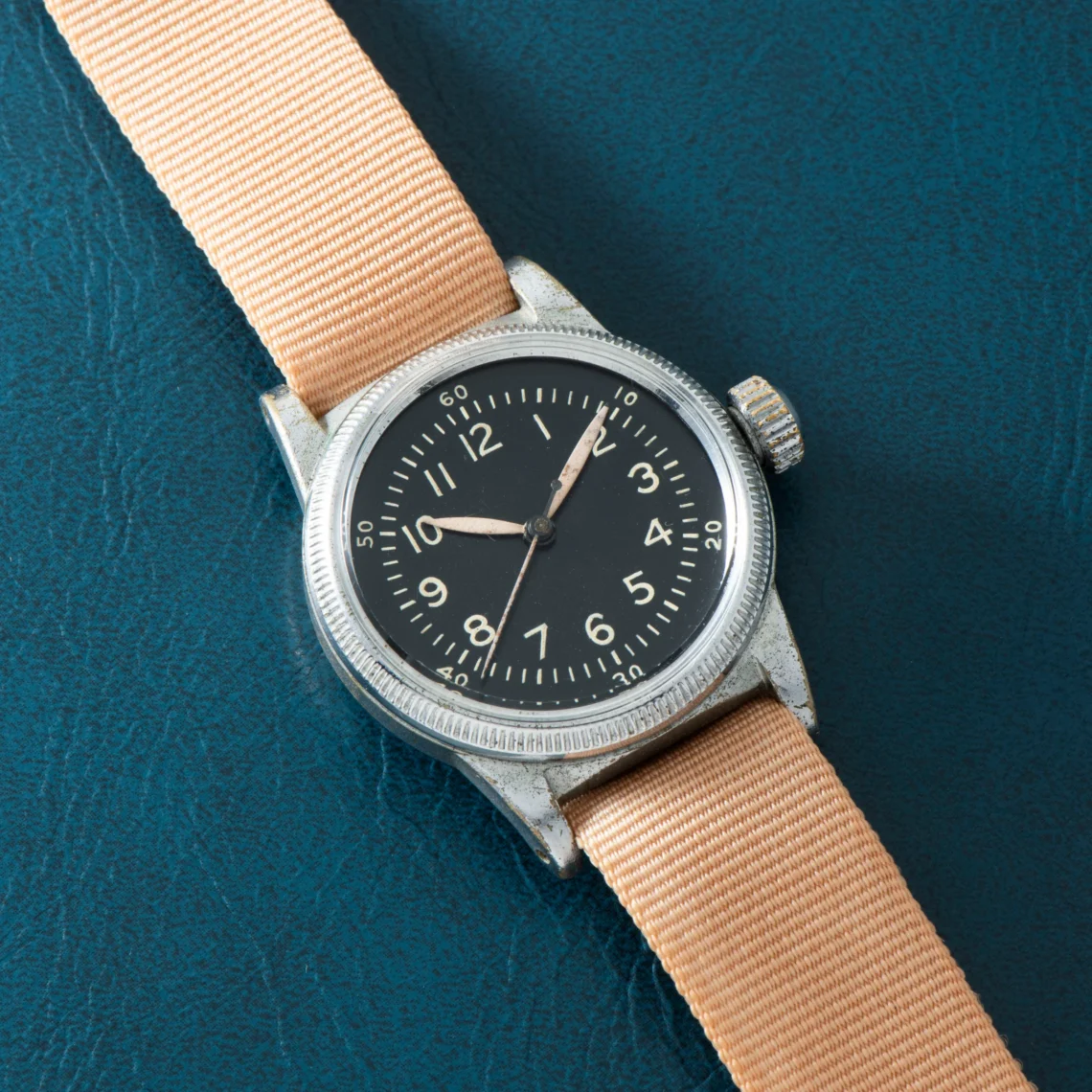
- 1942: American manufacturers unite under strict military specifications to produce the A-11 Hack Watch, widely celebrated as "the watch that won the war." Hamilton is commissioned to produce over 10,000 marine chronometers for the U.S. Navy.
- 1950: The United States Time Corporation officially renames its civilian line Timex, adopting the slogan "It takes a licking and keeps on ticking."
4. Electronic Frontiers and the Quartz Crisis (1950s–1980s)
- 1957: Hamilton debuts the Ventura, the world’s first electric wristwatch, famously worn by Elvis Presley.
- 1960: Bulova launches the Accutron, replacing the mechanical balance wheel with a 360Hz tuning fork.
- 1969: Most major domestic watch production collapses under the weight of Swiss competition and the impending Quartz Crisis; Timex successfully transitions to quartz manufacturing.
5. The Modern Renaissance (1990s–Present)
- 1992: Roland G. Murphy founds RGM Watches in Pennsylvania, igniting the modern independent American watchmaking movement.
- 2018: Joshua Shapiro establishes J.N. Shapiro in Los Angeles, bringing ultra-high-end in-house guilloché dial-making and mechanical calibers to the U.S. market.
- 2025: Timex pushes into the entry-to-mid-range luxury segment with high-end mechanical releases like the Atelier collection featuring Swiss movements.
Supporting Data & Economic Impact
The commercial and industrial footprint of American watchmaking cannot be overstated. Before the 1850s, a pocket watch was frequently the single most expensive asset an average person would own outside of real estate. The introduction of mass-produced, machine-made components drastically compressed manufacturing times—which previously took up to a year per watch—and slashed consumer prices.
- Waltham’s Scale: By the end of the American Civil War, affordable field watches like Waltham’s William Ellery (priced at $13, roughly $500 today) accounted for nearly 45% of the company’s sales.
- The Dollar Watch Phenomenon: Ingersoll’s Yankee watch sold for just $1—equivalent to one day’s average American wage. By 1910, production reached an astonishing 3,500,000 units per year.
- The Mickey Mouse Savior: In the face of Great Depression bankruptcies, the Ingersoll-Waterbury Mickey Mouse watch sold over 2.5 million units within two years, proving the immense power of pop-culture marketing.
- Military Output: During World War II, domestic watchmakers shifted entirely to the Allied war effort, producing hundreds of thousands of A-11 hack watches and over 10,000 marine chronometers (such as the high-precision Model 21, which maintained accuracy within 0.5 seconds per day).
- The 21st-Century Independent Tier: Contemporary high-end ateliers keep production intentionally scarce to preserve uncompromising artisanal quality. Keaton P. Myrick, for instance, operates as a solo watchmaker in Oregon, producing only about five handmade watches per year with up to 85% of components built in-house.
Official Responses & Industry Statements
While 19th- and 20th-century watch barons communicated through advertising triumphs—such as Bulova securing the first-ever television commercial broadcast in July 1941 ("Bulova Time") or John Cameron Swayze’s dramatic Timex television torture tests—modern independent creators frequently outline a philosophy rooted in the preservation of vanishing crafts.
Roland G. Murphy of RGM Watches has consistently emphasized that American horology was never merely a footnote to Swiss dominance; rather, it possessed a distinct industrial identity rooted in rugged utility and architectural movement design.
Similarly, modern independent watchmakers like Joshua Shapiro (J.N. Shapiro) have noted that establishing a vertically integrated high-end manufacture in the United States requires reviving antique techniques—such as engine-turning with vintage rose engines—that were largely abandoned during the mass-industrial pivot of the mid-20th century. Their goal is not to out-produce global conglomerates, but to reintroduce a standard of uncompromising mechanical integrity unique to American soil.
Implications
The trajectory of American watchmaking offers profound lessons in industrial evolution, geopolitical vulnerability, and cultural resilience.
- The Danger of Wartime Pivots: The total cessation of civilian watch production during World War II proved catastrophic for domestic firms. By shifting entirely to military ordnance, American brands inadvertently ceded the commercial consumer market to Swiss competitors who were insulated by neutrality—a market share domestic houses could never fully reclaim.
- The Survival Strategy of Adaptability: While traditional giants like Waltham and Elgin ultimately collapsed or were reduced to licensing shells, Timex demonstrated how aggressive cost control, innovative materials (such as Armalloy), and early adoption of quartz technology could turn a mass-market manufacturer into a global household name.
- The Pivot to Independent Luxury: Today, the definition of "American Made" in horology has shifted away from the massive factory towns of Waltham, Massachusetts, or Elgin, Illinois. Instead, it lives on through high-end independent ateliers—RGM, J.N. Shapiro, and Keaton P. Myrick—who marry historical American design motifs with avant-garde independent craftsmanship.
Ultimately, American watchmaking has evolved from a utilitarian pioneer of industrial mass production into a vibrant, multi-layered landscape that continues to shape global horological culture.