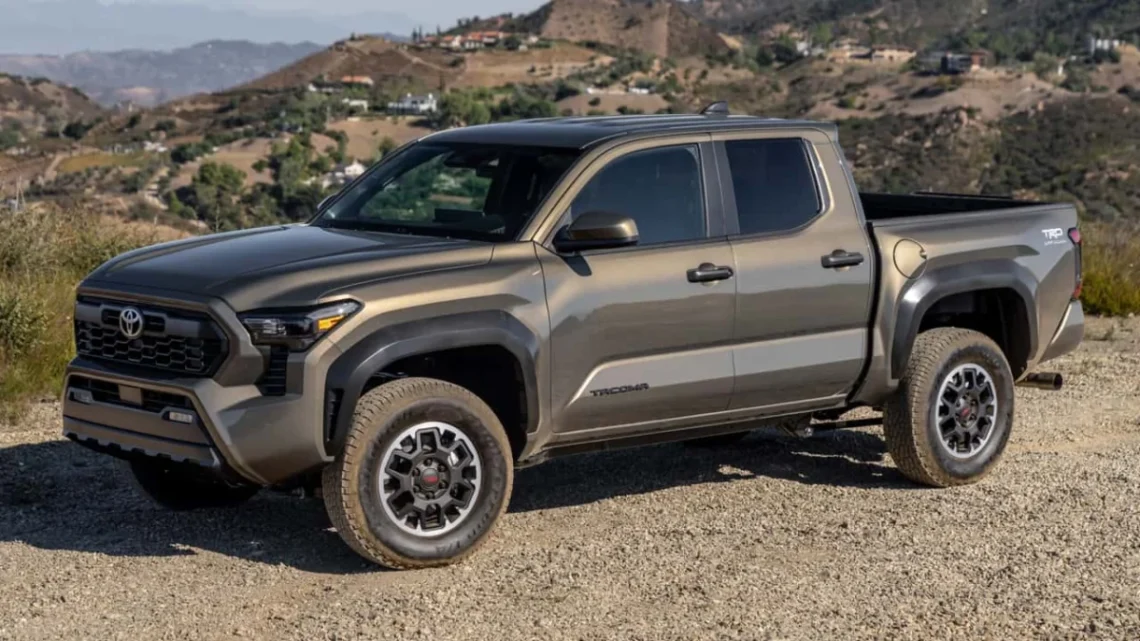
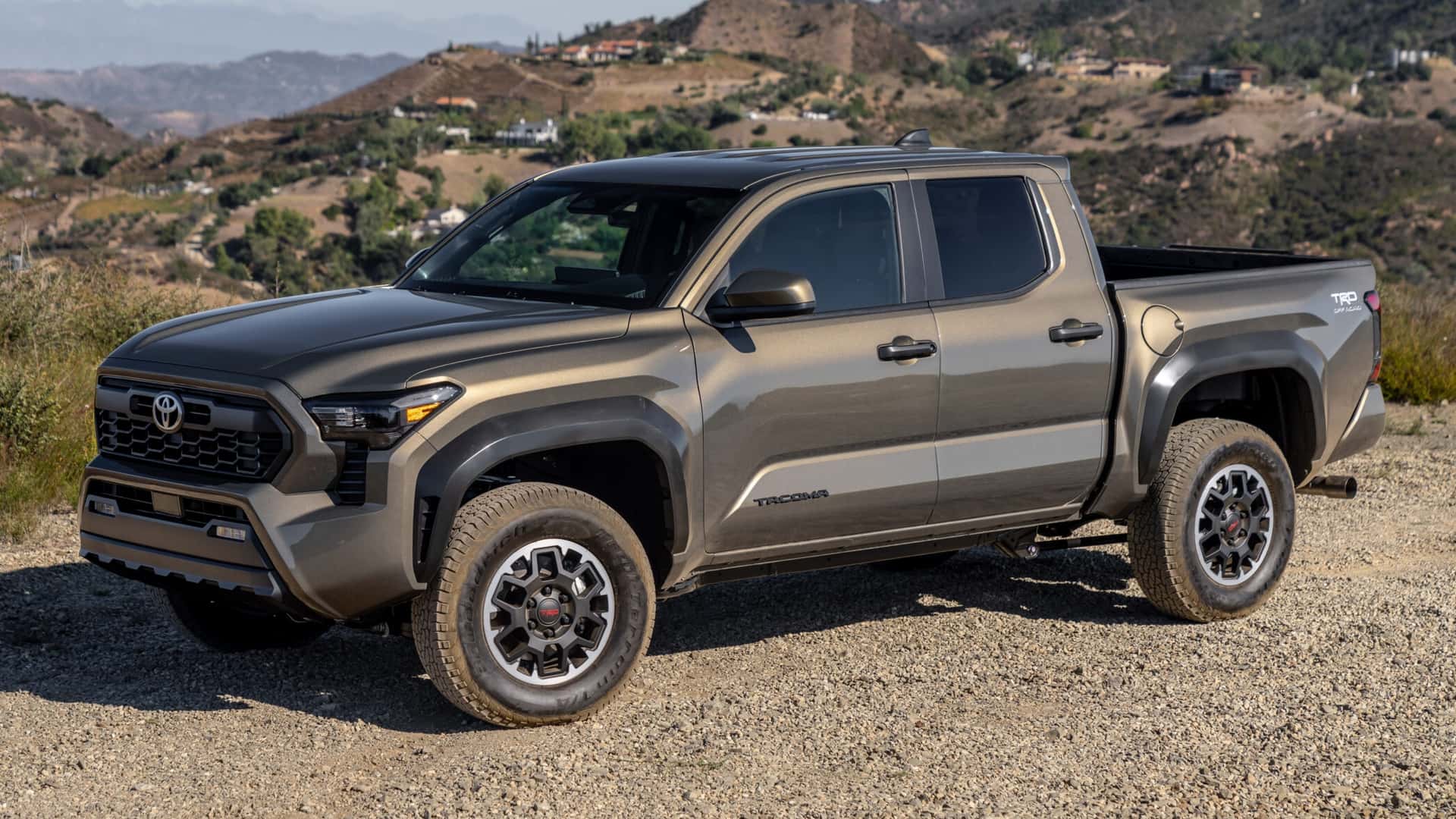
DETROIT — Toyota has officially released pricing and structural updates for the 2027 Toyota Tacoma, and the news is bound to elicit a mixed response from midsize truck enthusiasts. While the latest iteration of North America’s best-selling midsize pickup truck introduces minor interior upgrades and eye-catching exterior styling options, it also brings a sobering financial reality: higher price tags across every single trim level and, controversially, a significant reduction in complimentary factory maintenance.
As buyers look ahead to the new model year, the math behind purchasing and maintaining a new Tacoma is shifting. With entry-level prices climbing, options packages pushing final bills even higher, and the complimentary ToyotaCare coverage period getting slashed in half, the true cost of Tacoma ownership is quietly rising.
Main Facts: What’s New With the 2027 Toyota Tacoma?
The headline story for the 2027 model year centers on an all-around price hike and a surprising reduction in factory-backed perks.
- Higher Base Pricing: The entry-level 2027 Toyota Tacoma SR now starts at an MSRP of $32,725 before destination and delivery charges. Once you fold in the mandatory $1,745 destination fee, the absolute baseline cost to drive an SR off the lot climbs to $34,470.
- Trim-Wide Price Increases: Every single trim level in the Tacoma lineup has seen a bump. Standard trims experience at least a $180 increase, while more popular adventure-focused models like the TRD Off-Road and TRD Sport are up by $520. At the apex of the lineup, the range-topping TRD Pro Hybrid now commands a hefty $66,675, destination and delivery included.
- The ToyotaCare Cutback: Perhaps the most controversial update involves ToyotaCare, the automaker’s complimentary maintenance program. Previously, Toyota included two years or 25,000 miles of scheduled maintenance. For the 2027 model year, that safety net has been cut squarely in half, now dropping off after just one year or 10,000 miles, whichever comes first. Fortunately, the two-year unlimited-mileage roadside assistance program remains untouched.
- Standard Upgrades on Mid-Tier Trims: To help swallow the price increases, Toyota has added a few standard goodies. The popular SR5 trim now comes standard with powered, heated front seats—a feature that previously required stepping up to an optional package or a higher trim level. Dark-silver-finished wheels also join the SR5 standard spec sheet for 2027.
- Exclusive Exterior Styling: For the range-topping TRD Pro trim, Toyota has introduced a new, exclusive exterior paint color named Honeycomb, adding a fresh visual identity to distinguish it from the rest of the pack alongside its carryover off-road mechanical hardware.
Chronology: How the Tacoma Pricing Structure Has Evolved
To understand how we arrived at the 2027 pricing adjustments, it helps to look at the recent timeline of the Tacoma’s generational evolution.
The Gen-Four Rollout and Initial Pricing (2024–2025)
When Toyota completely overhauled the Tacoma for the fourth generation, bringing in a bold new truck architecture (the TNGA-F global truck platform), modern high-strength steel frames, coil-spring rear suspensions on most trims, and turbocharged four-cylinder power, prices naturally ticked upward. However, Toyota leaned heavily on its value propositions, highlighting massive leaps in interior technology, safety suites via Toyota Safety Sense 3.0, and robust complimentary ownership perks like the traditional two-year ToyotaCare plan to soften the blow for buyers transitioning away from the aging third-generation trucks.
The Refinement Phase and Feature Consolidation (2026)
By the 2026 model year, the dust had settled on the initial redesign. Production stabilized, and configurations across the 23 core options grew more familiar to consumers. Toyota maintained its steady pricing rhythm while keeping factory maintenance terms locked at the traditional two-year/25,000-mile standard. During this period, cross-shopping the Tacoma against competitors like the Chevrolet Colorado, GMC Canyon, Ford Ranger, and Nissan Frontier remained fiercely competitive, with warranty and maintenance packages serving as key battlegrounds for buyers deciding between brands.
The 2027 Pivot: Value Adjustments and Feature Packaging
Now, heading into 2027, Toyota has pivoted its strategy. Rather than holding the line on base MSRPs, the automaker is applying incremental bumps across the board while restructuring how it handles customer perks. By scaling back the ToyotaCare maintenance window from two years to one, Toyota is effectively shifting a portion of early-ownership service costs back onto the consumer. Simultaneously, the company has chosen to bake certain high-demand features—such as heated seats on the SR5—directly into the base price of those specific trims, attempting to offset sticker shock with immediate utility.
Supporting Data: Breaking Down the Numbers
A close examination of Toyota’s official configurator reveals just how rapidly costs escalate once buyers begin adding options to the 2027 Tacoma lineup.
Pricing Matrix by Trim (Estimated with Destination)
- Base SR: $34,470 (including $1,745 destination)
- SR5: Starts around $36,815 MSRP; typically configures closer to $38,410 or higher once basic factory additions are selected.
- TRD Off-Road / TRD Sport: Up by $520 over previous pricing baselines, further climbing with suspension and tech packages.
- TRD Pro Hybrid: Tops out the catalog at $66,675 destination-included.
The Options Creep
Configurator runs highlight a distinct trend: the gap between base MSRP and as-configured pricing remains wide. For instance, testing an SR5 model listed at a $36,815 MSRP frequently yields an as-configured price of $38,410—a direct jump of $1,825 in standalone options alone. In separate test runs involving utility packages and appearance upgrades, jumping past a $2,560 options increase is remarkably easy.
Powertrain Carryovers
Underneath the sheet metal, mechanical specifications remain steady across the board:
- Standard Turbocharged Gas Engine: Generates a respectable 278 horsepower and 317 pound-feet of torque.
- i-Force Max Hybrid Powertrain: Kicks performance up significantly to 326 horsepower and 465 pound-feet of torque, providing the grunt needed for heavy towing and aggressive trail crawling across the 23 core configurations.
Official Responses and Justifications
When pressed regarding the sudden shift in complimentary maintenance coverage—reducing ToyotaCare from 24 months down to just 12—Toyota pointed directly to the voice of the consumer.
"Toyota credited customer feedback directly for that new change," the automaker stated in an official release explaining the revised ToyotaCare terms.
While the statement was brief, industry analysts interpret this "customer feedback" justification through the lens of overall vehicle packaging and pricing elasticity. As supply chain realities, labor overhead, and inflationary pressures continue to impact automotive manufacturing, automakers are frequently forced to look at back-end support programs to protect profit margins without pricing vehicles entirely out of competitive segments. By trimming the second year of free oil changes and multi-point inspections, Toyota has found a way to absorb some rising manufacturing costs while still rolling out minor equipment additions like heated front seats and unique exterior colors.
Implications: What This Means for Tacoma Buyers
The 2027 pricing and policy updates carry several clear implications for anyone shopping the midsize truck market:
1. Real-World Ownership Costs Are Rising
While a price bump of $180 to $520 might look modest on paper, the halving of the ToyotaCare maintenance period hits the owner’s wallet much faster. Routine maintenance visits—such as synthetic oil changes, tire rotations, fluid checks, and filter replacements that traditionally fell under the free two-year umbrella—will now become out-of-pocket expenses for 2027 owners during their second year of operation. When comparing the 2027 truck against a used model or competing brands that still offer robust maintenance plans, buyers must factor these early service costs into their annual budgets.
2. Standardized Comfort is a Double-Edged Sword
For buyers eyeing the SR5 trim, getting powered, heated front seats and dark-silver wheels as standard equipment is a welcome win. You no longer have to pay for an expensive standalone weather package just to keep your hands and back warm on winter mornings. However, forcing these features into the baseline spec means buyers who live in milder climates or prefer a more stripped-down, budget-friendly work truck no longer have the option to opt-out and save cash.
3. The Secondary Market and Cross-Shopping Pressure
With new Tacomas growing increasingly expensive—culminating in a nearly $67,000 price tag for the TRD Pro Hybrid—shoppers are bound to look critically at the value proposition. The gap between buying a brand-new 2027 model and hunting for a gently used or certified pre-owned alternative widens considerably under these new terms. Furthermore, midsize truck competitors like Chevrolet, Ford, and Jeep will likely use Toyota’s trimmed maintenance window as ammunition in showroom battles, attempting to sway fence-sitting buyers with more generous after-sale support.
Ultimately, the 2027 Toyota Tacoma remains one of the most capable, technologically advanced, and desirable midsize trucks on the market. But as the price climbs and the safety net shrinks, buyers will need to weigh those legendary off-road credentials and resale values against a slightly higher financial barrier to entry.